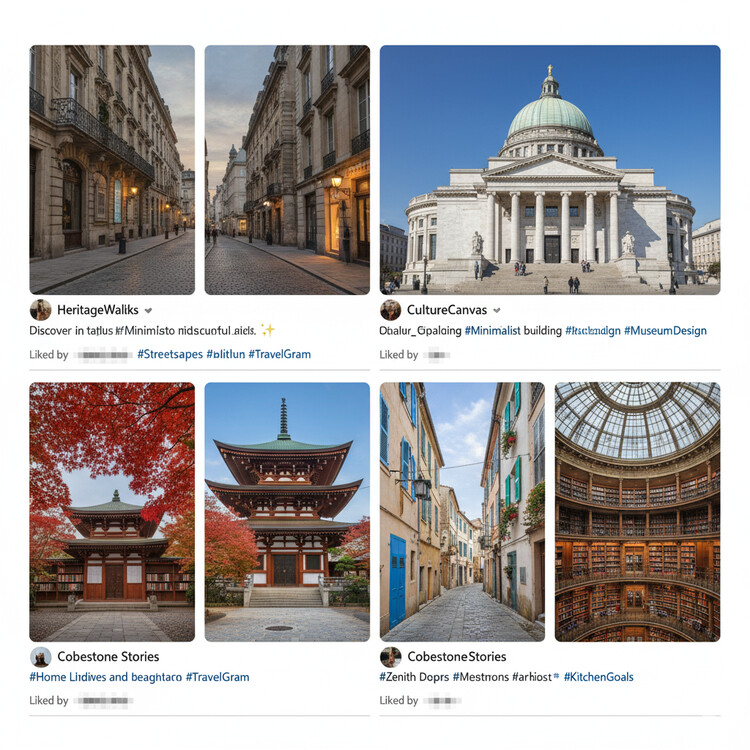
This guide explains how to structure multi-image prompts in the RunDifussion platform. Explore RunDifussion's product catalog.


This guide explains how to structure multi-image prompts in the RunDifussion platform. Explore RunDifussion's product catalog.
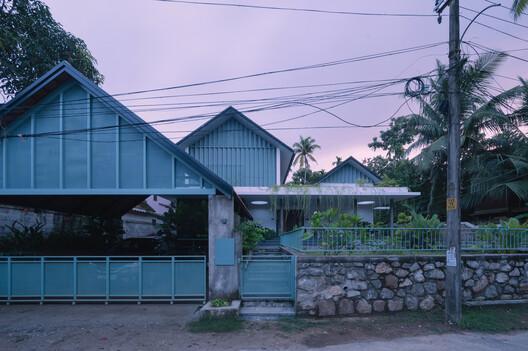
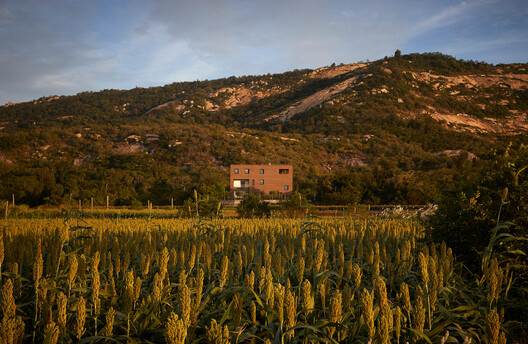
The island of Taiwan presents a varied natural and topographical context, characterized by a land area of 36,197 square kilometers and a high population density of 644 people per square kilometer. Its geological location, situated on the edges of the Eurasian and Philippine Sea plates, has resulted in a predominantly mountainous and rugged topography. While this forces the majority of the 23 million residents to inhabit large urban centers on the western coastal plains, the island maintains an active agricultural sector, with approximately 22% of its land allocated to farming.

Historically—like other cultural forms—architecture has been documented, shared, and promoted primarily through print. Books, journals, and magazines carried the discipline's arguments and images, and because architectural practice relies so heavily on visual communication, printed journals created a bridge between academic publications and commercial magazines. Through the postwar decades, beautifully produced volumes curated a collective point of view, signaling what the field broadly considered discussion-worthy or exemplary.
Across major cultural centers, a handful of publications shaped this discourse: Their perspectives were typically sophisticated, professional, and carefully edited—distilling an unruly global output into a small constellation of remarkable projects. The system arguably privileged certain practices and geographies, but it also amplified architecture for wider audiences. Buildings began to lodge in public imagination; cultural travel—journeys taken expressly to experience architecture—moved from rarity toward ritual.