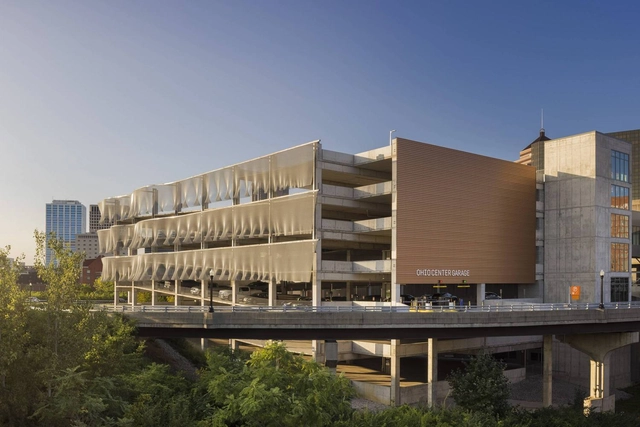


-
Architects: Schooley Caldwell
- Area: 184350 ft²
- Year: 2020
-
Manufacturers: Kaynemaile




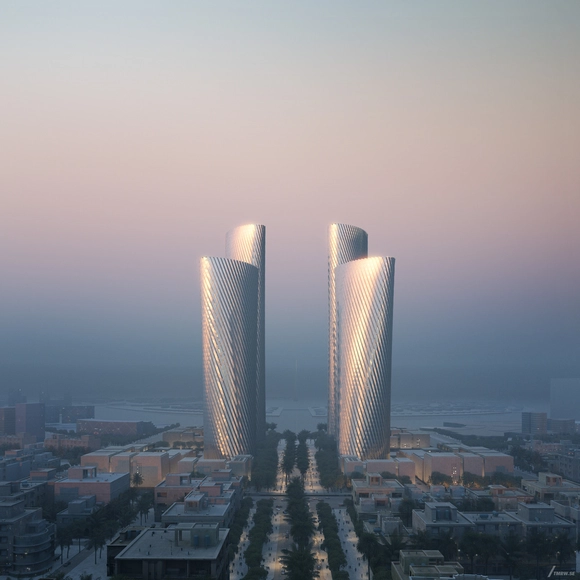
Foster + Partners has revealed its latest project for Qatar, a 1.1 million-square-meter landmark development consisting of four high-rise buildings. Part of a larger masterplan also designed by the architects, to be completed ahead of the 2022 Football World Cup in Qatar, Lusail Towers is envisioned as a “catalyst for a new central business district in the city”.

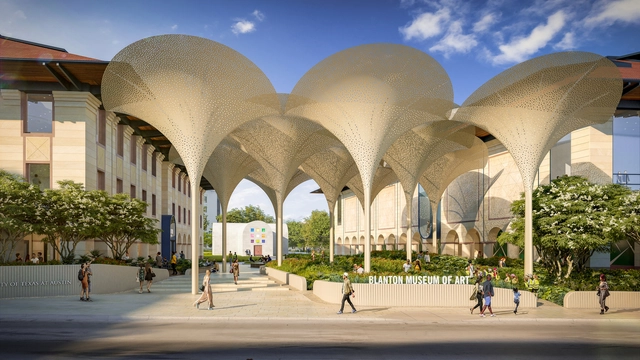
Transforming the typical artistic experience, Snøhetta proposed a design to renovate the Blanton Museum of Art at The University of Texas at Austin. The comprehensive grounds remodeling seeks to “unify and revitalize the museum campus, […] through architectural and landscape improvements”. Construction is scheduled to begin in early 2021 and conclude by late 2022.
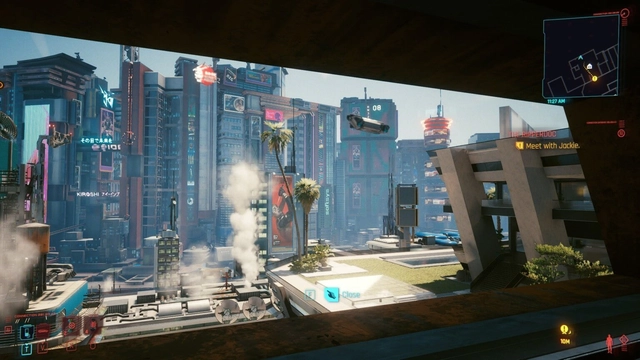
I know what you are wondering and the answer is medium and circumcised. These are just a couple of characteristics that play a part in determining the outcome of Cyberpunk 2077, the most anticipated video game release of 2020 (and possibly ever) by CD Projekt RED. As a player, you experience the main storyline through a genderfluid avatar named V. The game’s namesake stems from a science fiction genre that at its core presents a dystopian hyper-capitalist society intended as a reflective critique of contemporary life—think Philip K. Dick’s work or Ernest Cline’s Ready Player One novel. There are plenty of well-documented issues pertaining to the game, from its perpetuation of techno-orientalism in science fiction to a buggy release resulting in too much attention on the phallic options described above. The game’s criticism of contemporary culture mostly falls flat but inadvertently it has some scathing things to say about architecture.

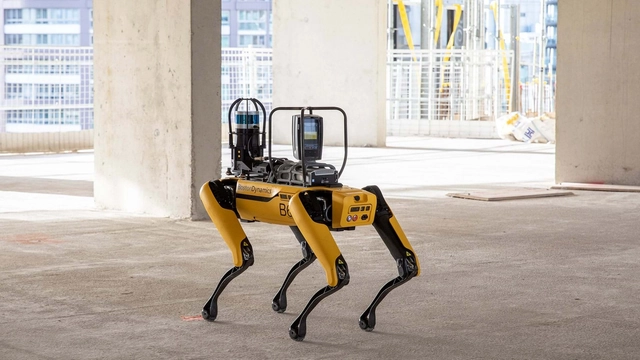
In November of 2020, Foster + Partners announced a collaboration with the robotics design company Boston Dynamics. Together, the two have been testing Boston Dynamics’ robot dog, Spot, to help capture and monitor progress on construction sites. The robot boasts the dexterity to climb stairs, avoid obstacles, and traverse rough terrain, allowing it to monitor building sites and collect data quickly and easily. In this way, designers and contractors can remedy errors rapidly and at minimal cost, ensuring that projects progress according to their set timeframes and budgets. With manual data collection, errors might be noticed at a much slower rate and communication between contractors may suffer as well. Thus, Spot optimizes construction monitoring and on-site collaboration.
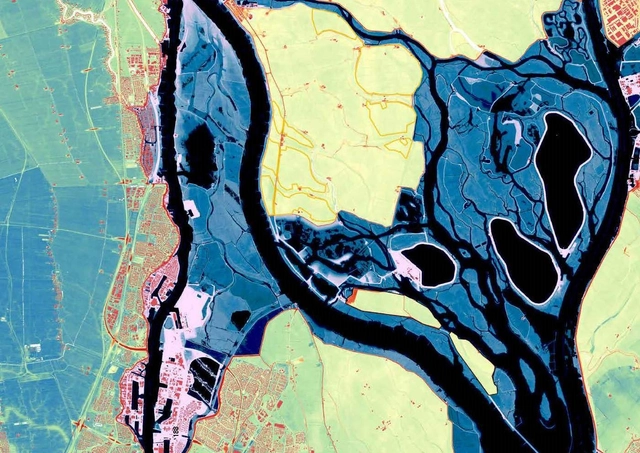
A “floodscape” could be seen as a contradiction in terms: Flood spreads wherever gravity leads it, covering the familiar topography with a dark, gray, and uniform blanket. In that regard, flood is amorphous, as it can distort and temporarily erase forms and features from the visible landscape—nothing that could be described as a “scape” in the sense of articulated and meaningful scenery.
But when the boundaries of a flood are not just defined by the quantity or the velocity of water but also by landforms and structures carefully designed and placed to influence and shape the “disaster,” the result can be considered as a landscape, physically and culturally defined by flood.


.jpg?1610400219&format=webp&width=640&height=580)


.jpg?1610583240)
.jpg?1610583232 "© Aitor Estévez")
.jpg?1610583253 "© Aitor Estévez")
.jpg?1610583212 "© Aitor Estévez")
.jpg?1610583164 "© Aitor Estévez")
.jpg?1610583240)






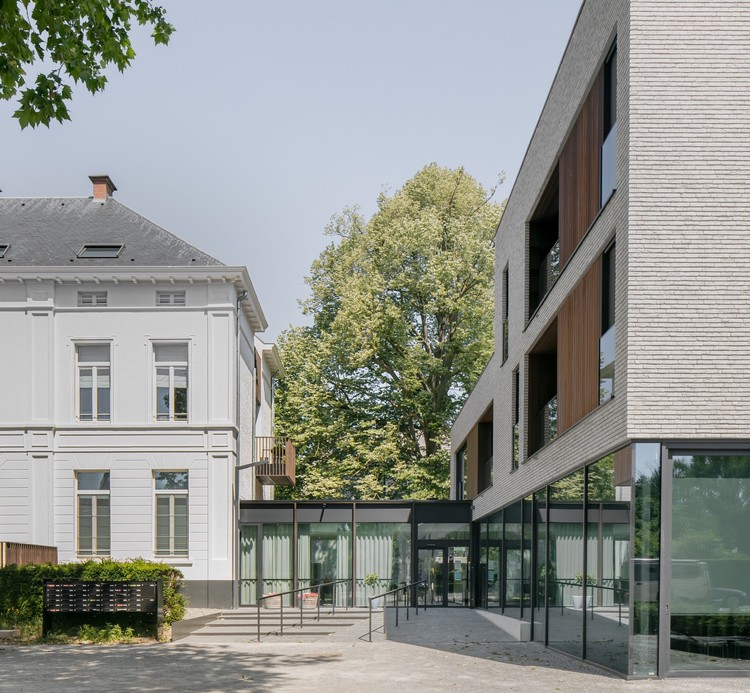












.jpg?1610400353 "© Khoo Guo Jie")
.jpg?1610402802 "© Finbarr Fallon")
.jpg?1610400124 "© Khoo Guo Jie")
.jpg?1610401148 "© Finbarr Fallon")
.jpg?1610400219)