

London-based artist, illustrator, and animator Patrick Vale, known for his panoramic drawings of cities, completed another complex mural at design company IDEO’s studio in San Francisco, California. Vale’s time-lapse videos such as “Empire State of Pen” and his drawing of Manhattan, show the process of creating his detailed illustrations that take from several hours to months to complete. Vale spent 13 days at the downtown San Francisco office to complete the drawing.
News
Patrick Vale Draws Stunning Panoramic View of San Francisco in New Mural
https://www.archdaily.com/877892/patrick-vale-draws-stunning-panoramic-view-of-san-francisco-in-new-muralAnnalise Zorn
8 Annoying Things All Architects Do
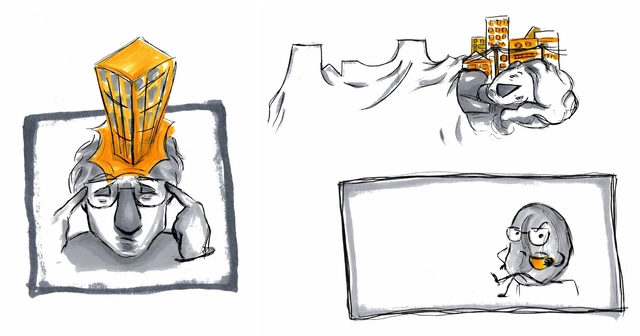
Contrary to how Hollywood movies portray the quintessential architect—creative, sensitive, and virtually flawless—architects are a diverse bunch of fallible people. This stems from the fact that the study and practice of architecture are wrought with several “perils.” Architecture school is a beast, if not the profession at large, and it essentially reinvents the psyche of its students by simultaneously breaking them down and building them up—say hello to unresolved issues!
While this process produces bright intellectuals with a deep understanding of architecture’s place in society, it can also end up shaping architects into pretentious snobs. Young architects invariably graduate with a distinct outlook on life. Pair that with a largely thankless job and architects soon discover that they can only relate to other architects. Rare friends who bravely stand by an architect through thick and thin deserve a strong pat on the back because architects, despite their innumerable charms, exhibit several incredibly annoying traits. The following is a compilation of eight complaints that non-architect friends and partners have against their architect counterparts:
https://www.archdaily.com/877934/8-annoying-things-all-architects-doSuneet Zishan Langar
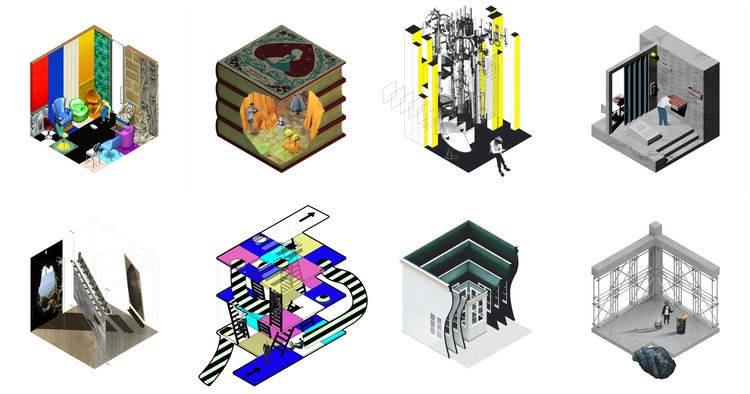
This Student-Run Website Is Experimenting With Architecture Through Cubes

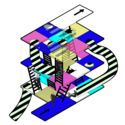
From the first moment you enter architectural education, tutors tell you repeatedly and often passionately that the learning never stops; this is how it is going to be from now on. Student platforms are an example of our efforts to share our discoveries, many emerging out of the tension between academia and independent learning. From the post-digital advocate KoozA/rch to university publications like The Bartlett's Lobby, AA files, or Yale School of Architecture’s Perspecta, research and media platforms represent the creative consciousness of our generation today. Volume64 is a recent newcomer born out of this tension, and behind it is a team myself and my colleagues have founded and run. Through ArchDaily, we’re sharing a little bit of our story so far.

https://www.archdaily.com/877710/this-student-run-website-is-experimenting-with-architecture-through-cubesSabrina Syed
Sebastian Weiss Reveals The Public Personalities of French Landmarks in Paris, Nanterre and Arcueil

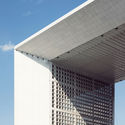
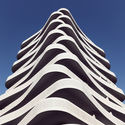
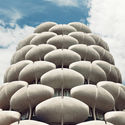
For Hamburg-based photographer Sebastian Weiss, buildings are dramatis personae, or "characters". Inspired by Ash Amin and Stephen Graham's 1997 book The Ordinary City, in which the authors described the city as the "theater of life", this photo-essay of architectural landmarks in the French cities of Arcueil, Nanterre, and Paris examines the personalities of public buildings.


https://www.archdaily.com/878002/sebastian-weiss-reveals-the-public-personalities-of-french-landmarks-in-paris-nanterre-and-arcueilAD Editorial Team
Brazilian Architects Explore The Intersection Between Curitiba and Its Canalized Rivers
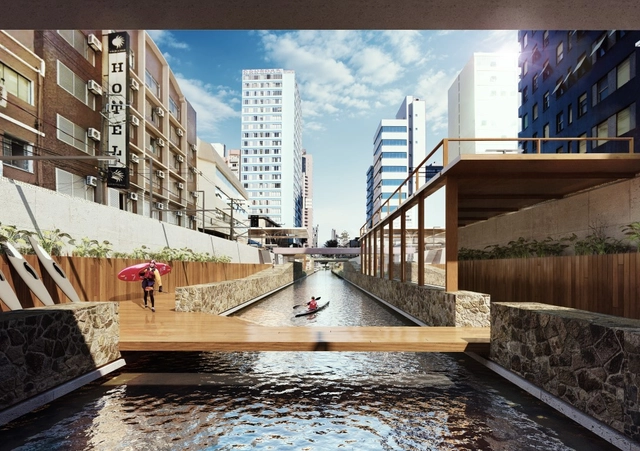
In many cities, rivers play an integral part in the formation of a local landscape and urban identity, contributing to economics, transport, and recreation, amongst other things. Unearthing the city's rivers to create new leisure spaces is one urban solution that is widely adopted by several cities around the world, in order to capitalize on the existing waterscape. In five years, the capital of South Korea resurrected its main river, the Cheonggyecheon, which had been buried under express streets and viaducts, restoring a sense of peace, green space, and national history to the city. Milan followed the same path: not long ago, the mayor of the Italian city Giuseppe Sala proposed reopening the navigable canals of Navigli for the public to interact with.
And now the Architectural Office in Curitiba Solo Arquitetos suggests that Curitiba join the movement, reopening channeled stretches of the Belem and Ivo rivers, in the center of the city. The project was envisioned for the 2017 Architecture Exhibition for Curitiba, which brings together various proposals to rethink the city.
https://www.archdaily.com/877339/brazilian-architects-explore-the-intersection-between-curitiba-and-its-channelized-riversLuan Galani
5 Passive Cooling Alternatives Using Robotics and Smart Materials


The IAAC (Institute for Advanced Architecture of Catalonia) has developed a series of advanced materials and systems for air conditioning and passive ventilation, allowing homes to reduce interior temperatures up to 5 degrees lower while saving the electricity consumption caused by the traditional air-conditioning. The systems are made from long-lifespan materials, which lower the costs of maintenance in the long-term and can be used as low-cost alternative building technologies.
The projects highlighted are the Breathing Skin, Hydroceramics, Hydromembrane, Morphluid and Soft Robotics - all developed by students of the IAAC's Digital Matter Intelligent Constructions (conducted by Areti Markopoulou). The passive air-conditioning of spaces is investigated using a combination of new materials that mimic organic processes, adaptive structures and Robotics that help regulate temperature and create sustainable micro climates.
https://www.archdaily.com/877693/iaac-develops-five-passive-cooling-alternatives-using-robotics-and-smart-materialsIAAC
The Best Photos of the Week: The Beauty of Concrete

Due to its ability to be shaped into complex forms and the diversity of textures that it can offer, concrete is one of the favorite materials of many architects, who appreciate its capacity to help them realize their designs. For this reason, for this week's Photos of the Week we have selected 20 images that highlight the beauty and expressiveness of this material. Read on to see a selection of renowned photographers such as Brigida González, Bruno Candiotto, Élena Marini Silvestri, and Raphael Olivier.


https://www.archdaily.com/877996/the-best-photos-of-the-week-the-beauty-of-concreteMaría Francisca González
Step Into a Movie Dreamworld With "Accidental Wes Anderson" on Reddit

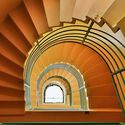
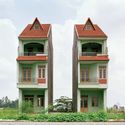
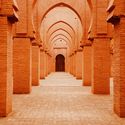
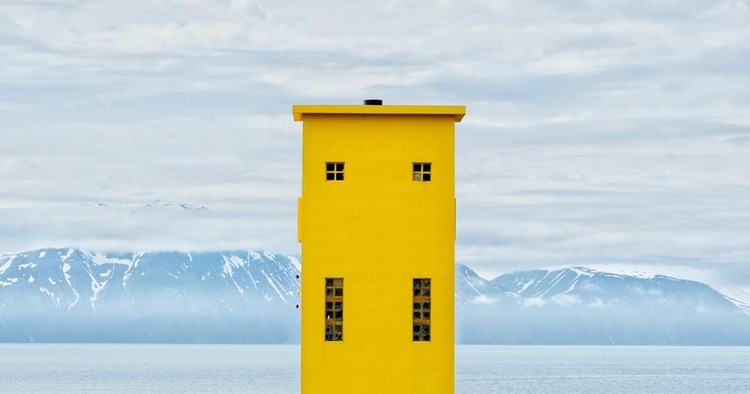
If you ever have those moments where you take a step back from your life and feel like you’ve suddenly fallen into a scene from a movie, you may appreciate the subreddit /r/AccidentalWesAnderson. Director, producer, screenwriter, and actor Wes Anderson is well known for creating scenes in his films that blur the lines between the real and the unreal. His extreme symmetry and restricted color palettes can often give the impression of a surreal, self-contained world. The purpose of the Accidental Wes Anderson subreddit is for users to post photos of real-world architecture and scenes they’ve stumbled upon that look like they could be stills from one of Anderson’s movies, with Redditors finding Anderson-esque scenes around the globe in everything from bathrooms to staircases to city streets. Even a viewer unfamiliar with Anderson’s films can browse the collection of photos and easily understand his aesthetic. Below is just a small selection of some of the most evocative photos to be found on the subreddit.

https://www.archdaily.com/877747/step-into-a-movie-dreamworld-with-accidental-wes-anderson-on-redditMegan Schires
Spotlight: Eliel Saarinen
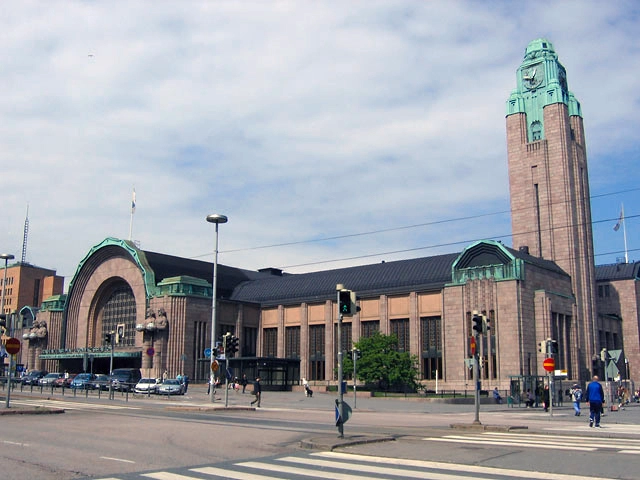
Though some may now know him only as the father of Eero Saarinen, Eliel Saarinen (August 20, 1873 – July 1, 1950) was an accomplished and style-defining architect in his own right. His pioneering form of stripped down, vernacular Art Nouveau coincided with stirring Finnish nationalism and a corresponding appetite for a romantic national style and consciousness; his Helsinki Central Station became part of the Finnish identity along with Finnish language theaters and literature. Later moving to America, his city planning and Art Deco designs resonated through western cities in the first half of the 20th century.



https://www.archdaily.com/772102/spotlight-eliel-saarinenDario Goodwin
Spotlight: Eero Saarinen
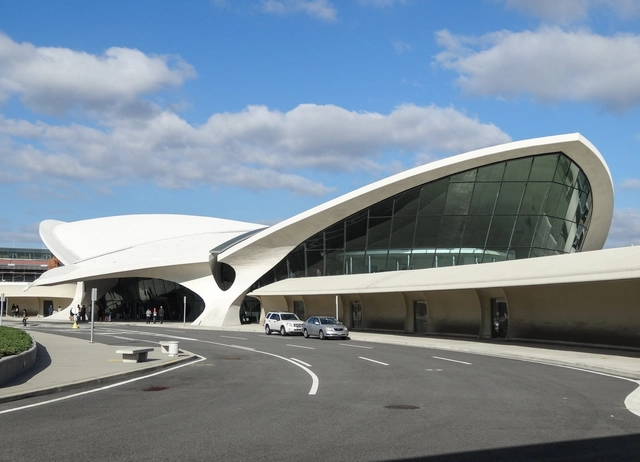
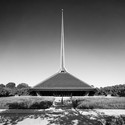
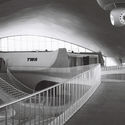
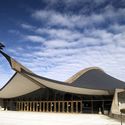
Son of pioneering Finnish architect Eliel Saarinen, Eero Saarinen (August 20, 1910 – September 1, 1961) was not only born on the same day, but carried his father's later rational Art Deco into a neofuturist internationalism, regularly using sweeping curves and abundant glass. Saarinen's simple design motifs allowed him to be incredibly adaptable, turning his talent to furniture design with Charles Eames and producing radically different buildings for different clients. Despite his short career as a result of his young death, Saarinen gained incredible success and plaudits, winning some of the most sought-after commissions of the mid-twentieth century.


https://www.archdaily.com/772104/spotlight-eero-saarinenDario Goodwin
Art Installation Links Contemporary Culture and the Historical and Archaeological Heritage of Athens

From NEON.
NEON is a nonprofit organization that works to bring contemporary culture closer to everyone.
The Theater of Disappearance is a site specific, outdoor and indoor installation by Argentinian artist Adrian Villar Rojas in Greece, at the National Observatory of Athens (NOA), located on the archaeological site of the Hill of the Nymphs. Built in 1846, the National Observatory is the first scientific research institution in Greece and consolidates nearly two centuries of astronomy since Greek independence in 1832. This is a project curated by Elina Kountouri, that forms part of NEON’s work to establish a link between contemporary culture and the historical and archaeological heritage of Athens.
.jpg?1502201471 "© Panos Kokkinias, Courtesy NEON")
.jpg?1502201512 "© Panos Kokkinias, Courtesy NEON")
.jpg?1502201580 "© Panos Kokkinias, Courtesy NEON")
.jpg?1502201591 "© Panos Kokkinias, Courtesy NEON")
.jpg?1502201304)
https://www.archdaily.com/877309/art-installation-at-the-archaeological-site-of-the-hill-of-the-nymphsDanae Santibañez
Ascend, Descend: 10 Staircases Made From Beautiful Materials
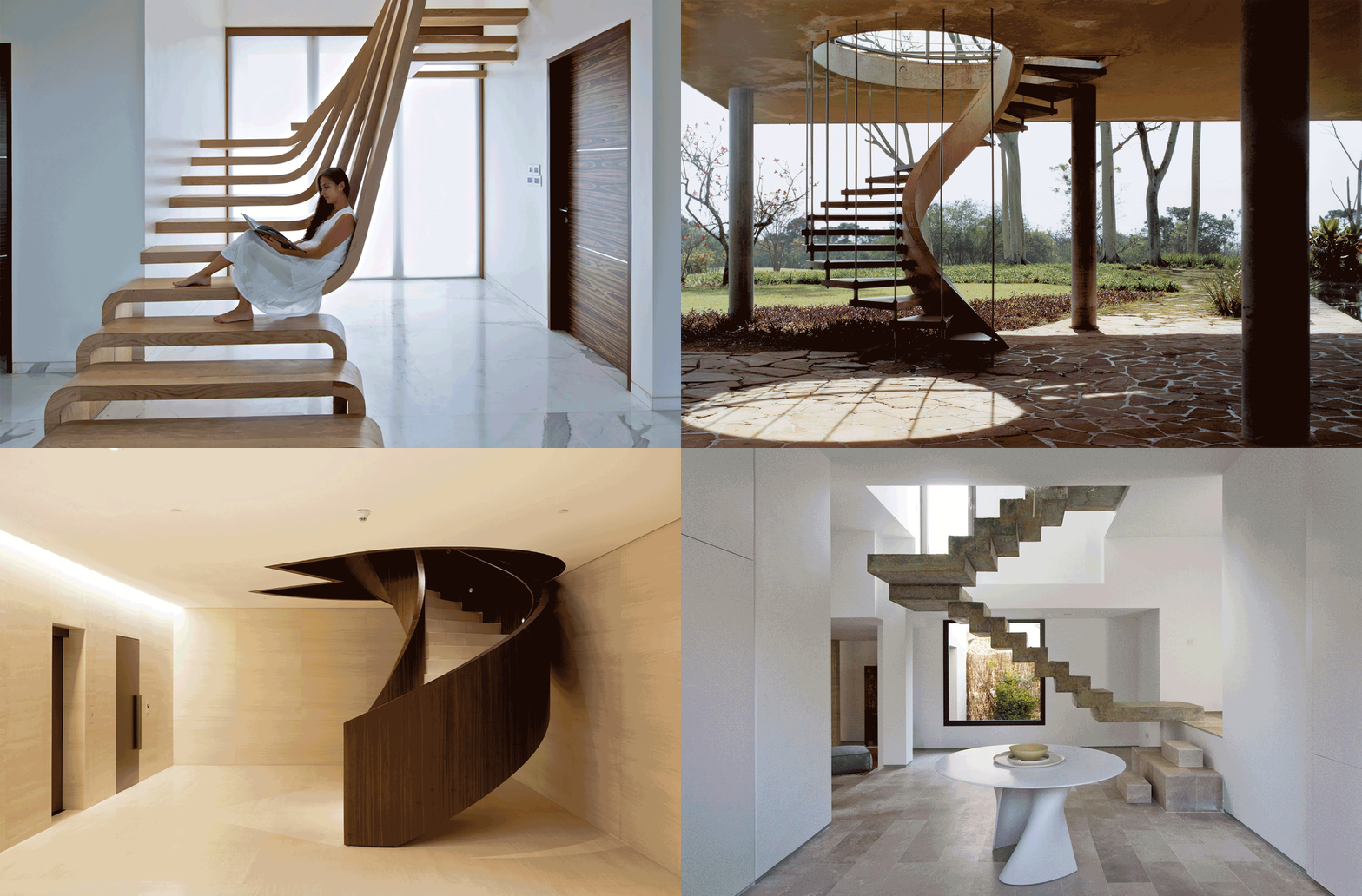
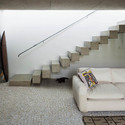
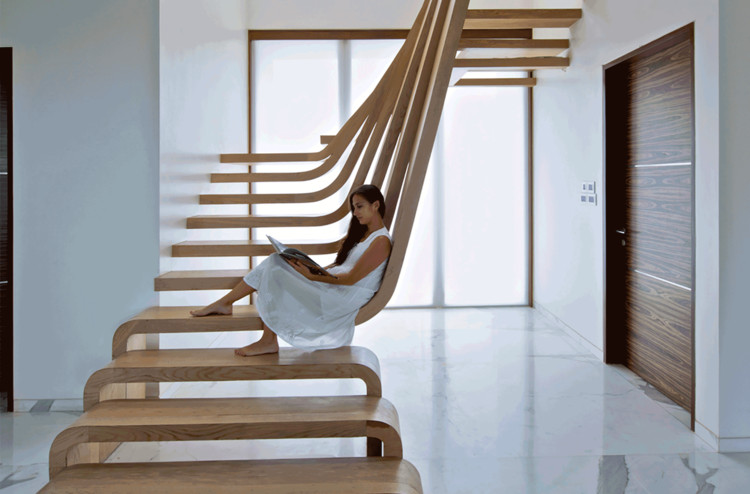
Stairs do more than take you up a floor; they represent a journey the architect wants you to travel. The act of ascending and descending extends beyond planning. Projects like Herzog and De Meuron’s expressive staircases in VitraHaus, Sou Fujimoto’s inhabited stairs in Musashino’s Library and even MVRDV’s giant urban staircase allowed individuals to achieve entirely new perspectives of their surroundings or even city. Staircases hold their own as elements of architectural expression. Some blend in; others puncture a space with their unique shape and materials.
https://www.archdaily.com/875978/ascend-descend-10-staircases-made-from-beautiful-materialsVictor Delaqua
Why Henning Larsen Architects Believe that VR Is "a Gift for the Future of Architecture"
Currently, virtual reality and 360-degree video are somewhat niche tools, but they are rapidly gaining in popularity. These immersive technologies give architects a means to better decipher a client’s expectations—everything from a building’s natural lighting to the choice of tile backsplash can be actively assessed at any point in the design and construction process. This transformative technology has already been fully incorporated into some practices. ArchDaily interviewed Henning Larsen’s Chief Engineer of Sustainability Jakob Strømann-Andersen to better understand the current and future applications of virtual immersion in architecture.
https://www.archdaily.com/876881/why-henning-larsen-architects-believe-that-vr-is-a-gift-for-the-future-of-architectureThomas Musca
World Photo Day 2017: Our Readers’ 100 Most-Bookmarked Architectural Photographs
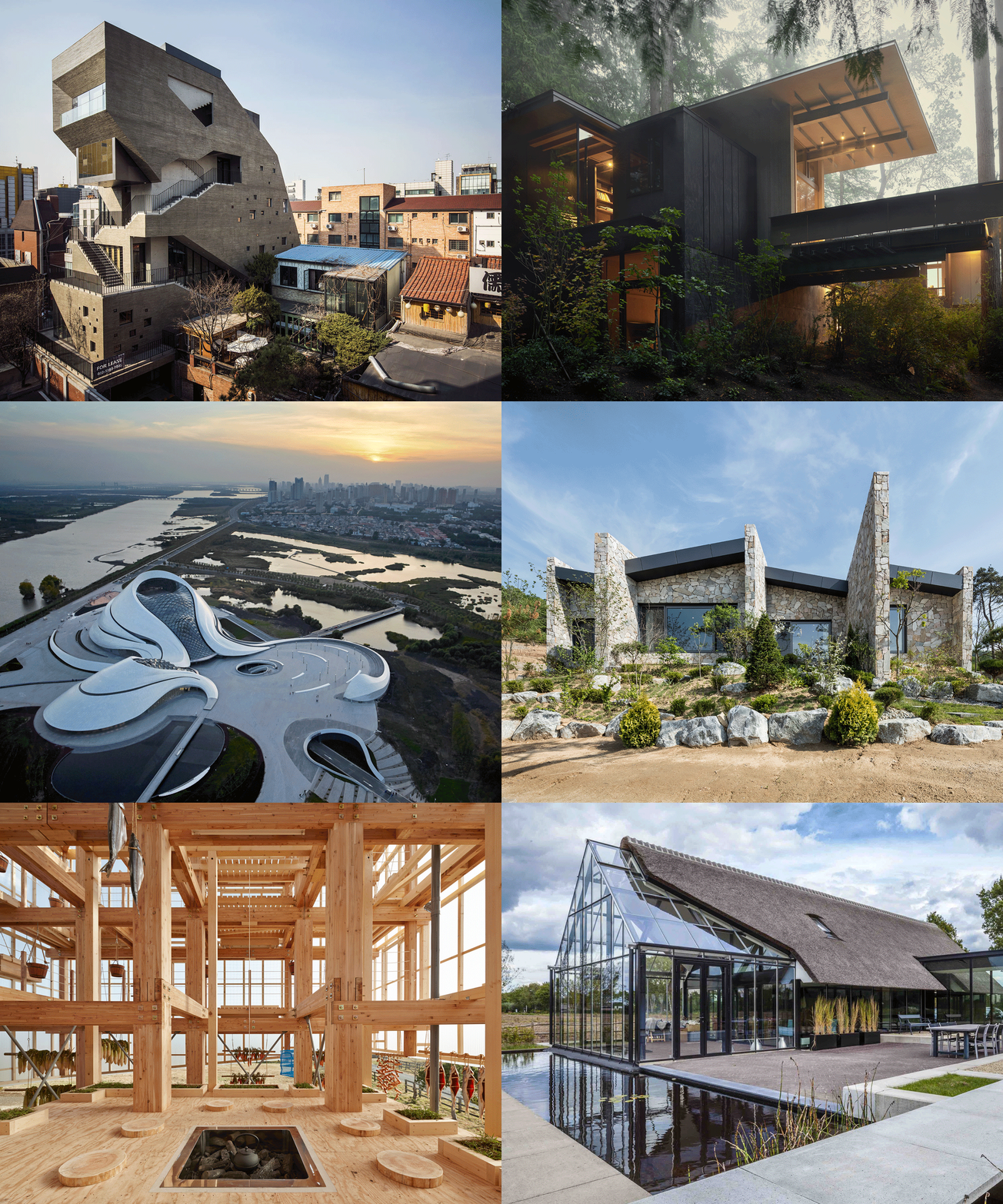
This August 19th is World Photo Day, which celebrates photography on the anniversary of the day on which France bought the patent for the daguerreotype, one of the earliest photographic processes, and released it to the world for free in 1839. At ArchDaily, we understand the importance of photography in architecture—not only as a tool for recording designs, but also as a discipline that many of us enjoy. To celebrate the occasion, we decided to reveal the most popular images ever published on ArchDaily, as selected by you, our readers. Using data gathered from My ArchDaily, we have ranked the 100 most-saved images from our database; read on to see them.
https://www.archdaily.com/877873/world-photo-day-2017-our-readers-100-most-bookmarked-architectural-photographsMaría Francisca González
Construction Begins on Penn Station's Moynihan Train Hall Transformation

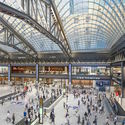
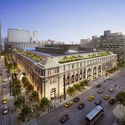
Construction has begun on Penn Station’s fast-tracked Moynihan Train Hall project has begun, announced New York State Governor Andrew Cuomo in a press conference.
Located within the existing James A. Farley Building (across from the existing Penn Station entrance), the new 255,000-square-foot Train Hall will serve as a new concourse for Amtrak and Long Island Railroad passengers, while an additional 700,000-square-feet will be dedicated to commercial, retail and dining spaces.


https://www.archdaily.com/878010/construction-begins-on-penn-stations-moynihan-train-hall-transformationPatrick Lynch
Explore These Digitally-Created Abandoned Islands by Brazilian Designer Fabio Araujo
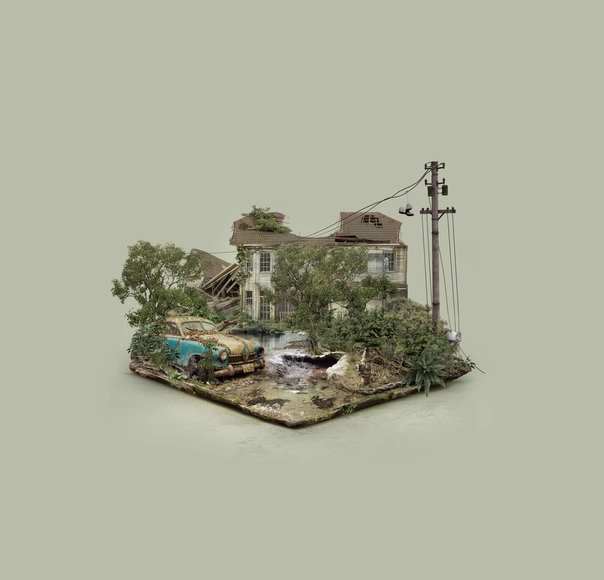
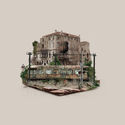
Abu Dhabi-based Brazilian designer and artist Fábio Araujo has a fascination with abandoned places – the mystery of where the man made clashes with the natural to create unique colors, textures and compositions.
These places are the subject of his series, aptly titled “Abandoned Places,” in which he uses a series of digital manipulations to create small islands floating within and contrasting with their clean, solid backgrounds.
Other works by Araujo include “Favela,” where the Brazilian housing typology has been reimagined as located within the sky, and miniature models of scenes and buildings including the Burj al Arab hotel in Dubai.



https://www.archdaily.com/878006/explore-these-digitally-created-abandoned-islands-by-brazilian-designer-fabio-araujoPatrick Lynch
Architects Urgently Need to Leave Their Desks to Work More on Site, According to Our Readers
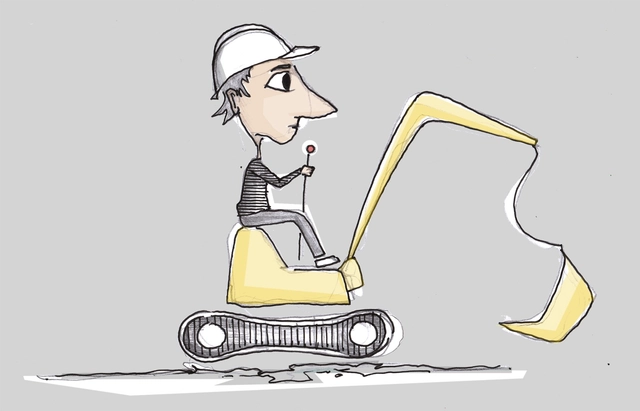
Do Architects Learn Enough About Construction and Materials? We asked this question to spark a discussion among our readers, and the number of responses on our sites in English and Spanish was overwhelming.
Having read and collected all these comments, it is clear that most of our readers agree that what is currently taught about materials and building processes is not enough. The vast majority of them admit that they have acquired this knowledge through fieldwork, years after having graduated. So once again we ask: if material knowledge is so important for the development of our profession, why is it not a fundamental part of the programs in universities around the world?
However, some of our readers contest this view, stating that architects don't have to know everything, and that we can't sacrifice good design to the constraints that impact the construction process. They base their arguments on the presence of specialists, to whom we should go whenever necessary, in a cohesive and collaborative process between the different disciplines.
Review the best comments received and join the discussion below.
https://www.archdaily.com/876478/architects-urgently-need-to-leave-their-desks-to-work-more-on-site-according-to-our-readersJosé Tomás Franco
This Architectural Installation Reconnects With the Senses Through Suspended Bricks
.jpg?1502071782&format=webp&width=640&height=580)
A design by Ashari Architects for an architectural installation in Iran is a direct response to the need to reconnect with the senses. The project, a pavilion built from a cube that holds a suspended brick volume, shows the potential of the use of this material by creating distinct atmospheres.
https://www.archdaily.com/877555/this-architectural-installation-reconnects-with-the-senses-through-suspended-bricksFabian Dejtiar
Riksbyggen and Sweco Architects Win Competition for Wooden Mixed-Use Development in Gothenburg
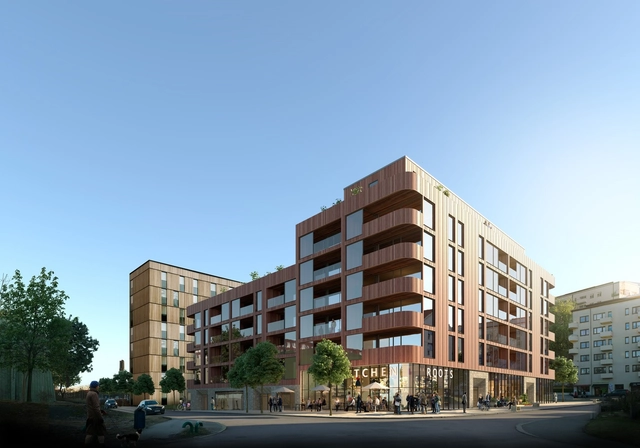
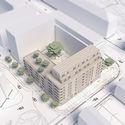
Riksbyggen and Sweco Architects were announced as the winners of a government-led competition to create a cross-laminated timber framed housing development for the Johanneberg district of Gothenburg, Sweden. The proposal, called “Slå rot” (Swedish for “put down roots”), was chosen for its response to its existing environment with nods to tradition, while still providing an innovative structural system and modern living to the neighborhood.
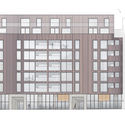
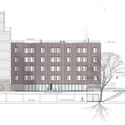
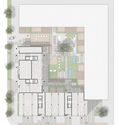

https://www.archdaily.com/877525/riksbyggen-and-sweco-architects-win-competition-for-wooden-mixed-use-development-in-gothenburgAnnalise Zorn
Pezo von Ellrichshausen and Felice Varini Unveil Designs for a Civic Installation in the UK's 2017 City of Culture

The Royal Institute of British Architects (RIBA) and Hull UK City of Culture 2017 have jointly commissioned Chile-based architects Pezo von Ellrichshausen and Swiss artist Felice Varini to design an ambitious temporary outdoor structure in the historic heart of Hull, a port city on the country's east coast. The project, which is part of the Hull 2017 "Look Up" programme of public art installations, will "transform Trinity Square with sixteen galvanized steel columns arranged in a grid formation in front of Hull Minister to highlight the symmetry of its façade."
https://www.archdaily.com/877941/pezo-von-ellrichshausen-and-felice-varini-unveil-designs-for-a-civic-installation-in-hull-2017-uk-city-of-cultureAD Editorial Team
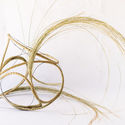
How Terrol Dew Johnson and Aranda\Lasch Are Reinventing Basket-Weaving Traditions to Sustain Native Culture and Community
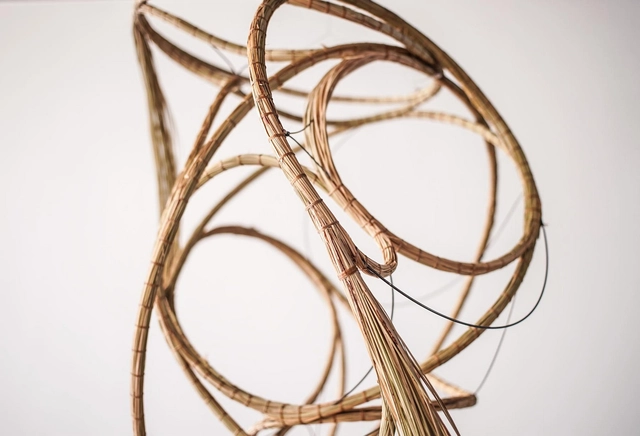
This article was originally published on the blog of the Chicago Architecture Biennial, the largest platform for contemporary architecture in North America. The 2017 Biennial, entitled Make New History, will be free and open to the public between September 16, 2017 and January 6, 2018.
Form follows function—that has been misunderstood. Form and function should be one, joined in a spiritual union.
Frank Lloyd Wright may have famously said these words in 1908, but he was by no means the first to embody them. In fact, the deeper sense of unity that Wright sought in Modern architecture had existed centuries before his time as a guiding principle for Native peoples all over the world.




https://www.archdaily.com/877933/how-terrol-dew-johnson-and-aranda-lasch-are-reinventing-basket-weaving-traditions-to-sustain-native-culture-and-communityEdric Huang & Leo Shaw
This Map Shows The Evolution of Frank Lloyd Wright's Oak Park Designs
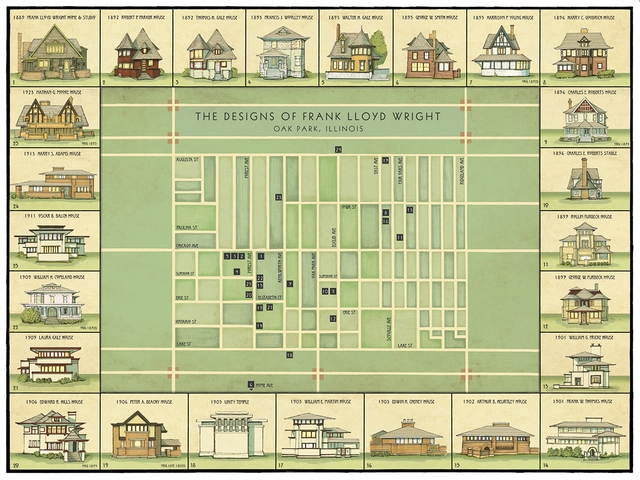
Home to Frank Lloyd Wright for many years, Oak Park, Illinois is also the site of the greatest concentration of Frank Lloyd Wright-designed homes and buildings than anywhere else in the world. Having designed structures for the neighborhood for nearly four decades, Wright used Oak Park as a place to try out new techniques and evolve his personal style.
Picking up on this, Illustrator Phil Thompson of Cape Horn Illustration has created a new map of Wright’s Oak Park designs. Organized both chronologically and by location, the map allows viewers to make connections between the structures, as their lines evolved from gabled to flat roofs and expanded in scale and in ambition.
https://www.archdaily.com/877939/this-map-shows-the-evolution-of-frank-lloyd-wrights-oak-park-designsAD Editorial Team
Studio Gang and nAOM Selected as Finalists to Redesign Paris’ Tour Montparnasse
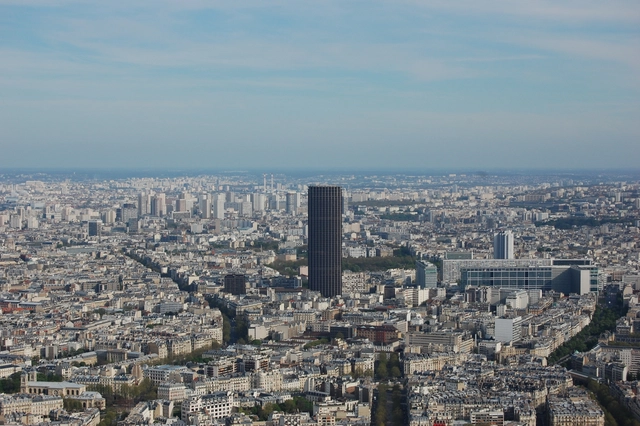
Studio Gang and nAOM (Franklin Azzi Architecture / Chartier Dalix / Hardel-Lebihan Architectes) have been selected as the two finalist teams competing for the redesign of Paris’ infamous Tour Montparnasse, beating out a star-studded shortlist that included OMA, MAD Architects (China) + DGLA (France), Architecture Studio, Dominique Perrault Architecture, and PLP Architecture.
The competition asked teams to submit a vision for the tower that “not only creates a powerful, dynamic and bold new identity for the Tour Montparnasse but also addresses all the challenges involved in terms of user accessibility, comfort and energy performance.”
https://www.archdaily.com/877935/studio-gang-and-naom-selected-as-finalists-to-redesign-paris-tour-montparnassePatrick Lynch
Rafael Viñoly-Designed Ritz-Carlton Tower to Rise in New York City
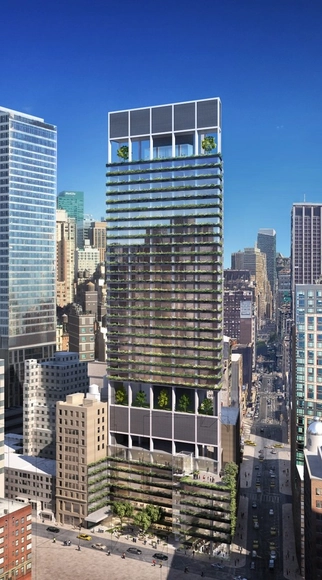
Designs have been revealed for a new 40-story skyscraper in New York City’s NoMad neighborhood designed by Rafael Viñoly Architects that will house the newest Ritz Carlton Hotel. Located at 1185 Broadway, the will be noticeable for its embrace of greenery, including wraparound vegetated balconies and large, open terraces with enough vertical height for several trees.
https://www.archdaily.com/877924/rafael-vinoly-designed-ritz-carlton-tower-to-rise-in-new-york-cityPatrick Lynch
Oops! We don't have this page.
But you can browse the last one: 417