The Second Studio (formerly The Midnight Charette) is an explicit podcast about design, architecture, and the everyday. Hosted by Architects David Lee and Marina Bourderonnet, it features different creative professionals in unscripted conversations that allow for thoughtful takes and personal discussions.
A variety of subjects are covered with honesty and humor: some episodes are interviews, while others are tips for fellow designers, reviews of buildings and other projects, or casual explorations of everyday life and design. The Second Studio is also available on iTunes, Spotify, and YouTube.
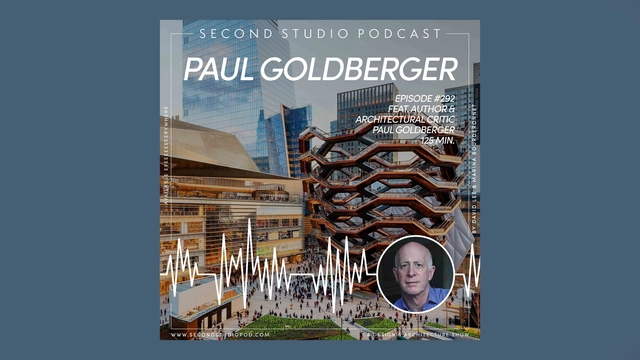
This week David and Marina are joined by Pulitzer Prize-winning Architectural Critic and Author Paul Goldberger to discuss his journey to becoming an architectural critic; the importance of critics, their role in society, and the challenges of being one; adapting to the digital age; his critiquing process; the state of architecture today; and more.
https://www.archdaily.com/988021/the-second-studio-podcast-interview-with-paul-goldbergerThe Second Studio Podcast
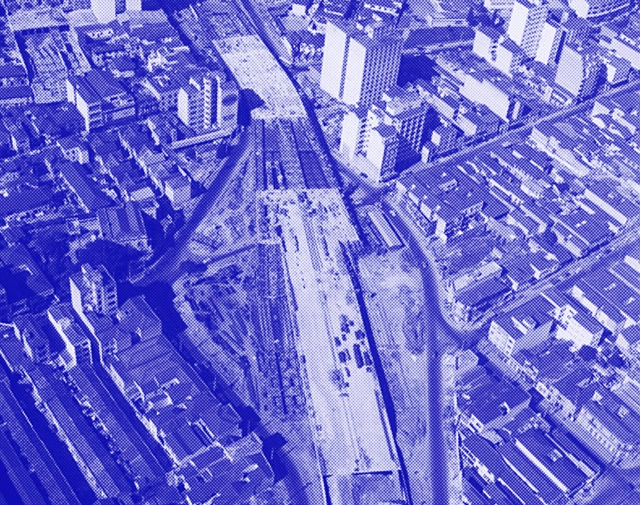
Image produced from a photograph showing the construction of the Júlio de Mesquita Filho Viaduct. Collection of the Museu da Cidade de São Paulo, Ivo Justino. http://www.acervosdacidade.prefeitura.sp.gov.br/PORTALACERVOS/ExibirItemAcervo.aspx?id=439575
What relationships between the social field of memory and the construction of the city can be identified during the Brazilian civil-military dictatorship? We begin with the premise that the formation of the city involves a series of disputes and concessions among the diverse entities that make up society. Since, as we know, each social agent possesses a distinct standpoint, their oppressions or privileges are carried over into the realm of memory, which in turn is transcribed into the construction of the urban environment. That is to say, the opinions and desires of certain communities, because they possess more resources, often determine how places will be built and the narratives woven about them.
https://www.archdaily.com/1132506/the-arc-of-destruction-policies-of-erasure-in-the-developmentalism-of-the-military-regimeLuiza Gibertoni Leite e Pedro Flosi Trama
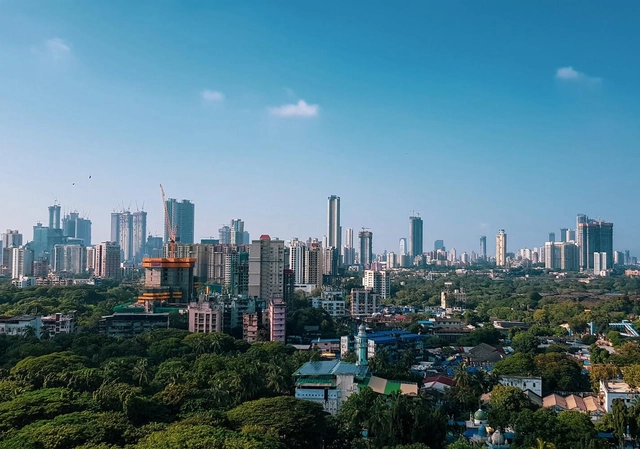
Mumbai, India. Photo by Hardik Joshi, via Unsplash
Cities and communities around the world are stepping up to reduce greenhouse gas (GHG) emissions and prevent the most dangerous impacts of climate change. Typically, strategies focus on reducing emissions in sectors such as transportation, energy, housing, and waste. Yet, there is another sector that many communities have overlooked in their climate plans: trees and forests.
https://www.archdaily.com/1131963/5-reasons-for-cities-to-include-trees-in-climate-actionJohn-Rob Pool, David Gibbs, Sadof Alexander e Nancy Harris
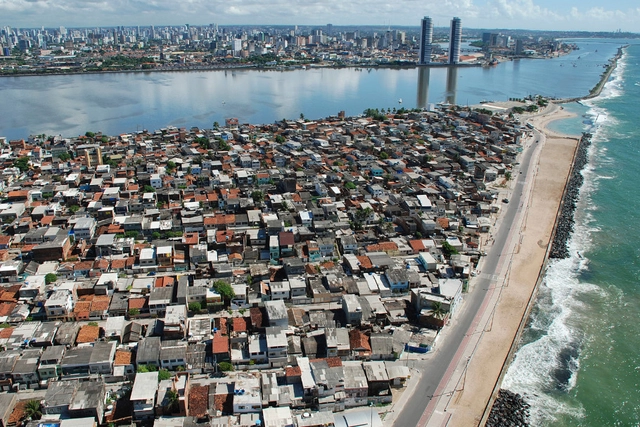
Recife, Pernambuco. Image: Paulo Lopes/Prefeitura do Recife
An increasing number of people live in urban areas. UN-Habitat's World Cities Report 2022 reveals that this share rose from 25% in 1950 to over 50% in 2020, with projections indicating it will reach 58% over the next five decades. The survey also indicates that by 2070, the number of municipalities in low-income countries will increase by 76%, while in high- and lower-middle-income nations, this growth will hover around 20%. Furthermore, the study notes that this scenario highlights the urgent need for cities to be designed and managed so that future growth does not overwhelm existing infrastructure, open spaces, and services—which would lead to unsustainable sprawl.
https://www.archdaily.com/1132378/what-is-urban-density-and-what-are-its-advantages-and-disadvantagesSomos Cidade
In 2016, in the commune of Limache in Chile's Valparaíso region, tunnels connecting to various parts of the city—including the CCU brewery—were discovered beneath a hatch in the gardens of the landmark Eastman Mansion. Prompted by uncertainty over why they were built, an investigation was launched, with the findings behind the project's origins finally revealed in 2021.
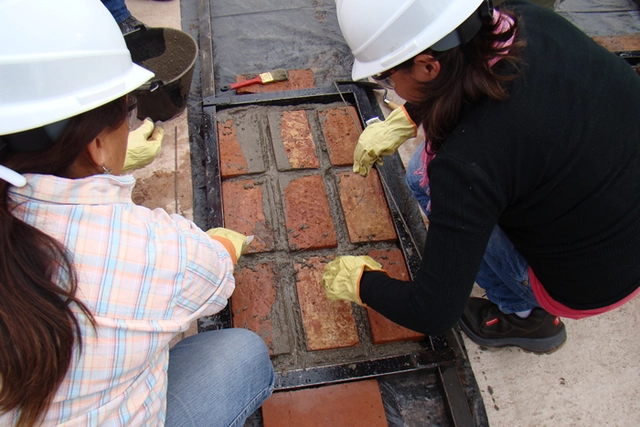
Sistema BENO: un sistema constructivo conformado por placas prefabricadas de bovedilla armada que incluyen la instalación eléctrica, muro y estructura de hormigón armado. Image Cortesía de Centro Experimental de la Vivienda Económica-AVE-CEVE-CONICET
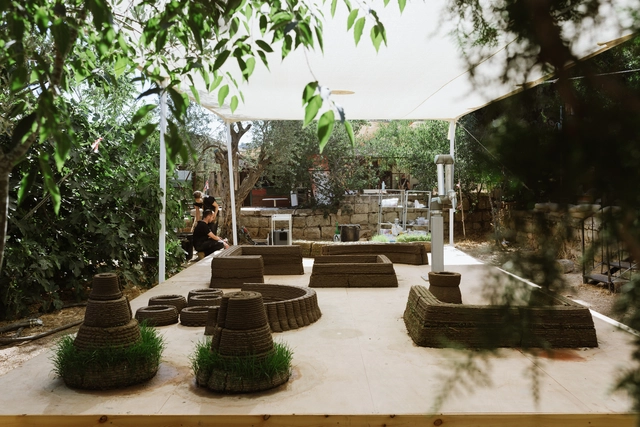
Can you imagine a world in which the built environment around us is 3D printed from living materials? That buildings will germinate, bloom, wither, produce new kinds of material, and eventually return back to the soil? To Grow a Building is a performative lab space that 3D prints - in real time - a live structure. The project presents a new approach to integrating flora into the design process, by developing a novel material for 3D printing, through which seeding is an inseparable part of the fabrication process. To Grow a Building is a gate into a future world in which there are people who build buildings, and there are people who grow them.
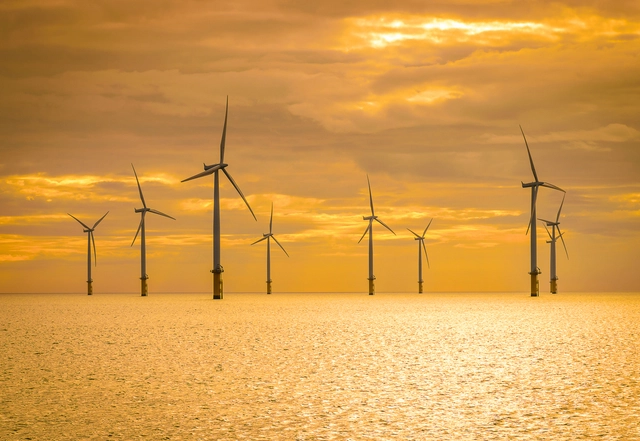
On Wednesday, August 17, the Senate Infrastructure Services Committee approved a bill establishing a regulatory framework for offshore energy generation—including wind, solar, or tidal—in Brazil's open seas, lagoons, and other bodies of water. The Bill (PL) 576/2021 regulates authorizations for harnessing offshore energy potential. Authored by Senator Jean Paul Prates (PT-RN), the bill was approved in a final vote by the committee and will now proceed to the Chamber of Deputies for review.
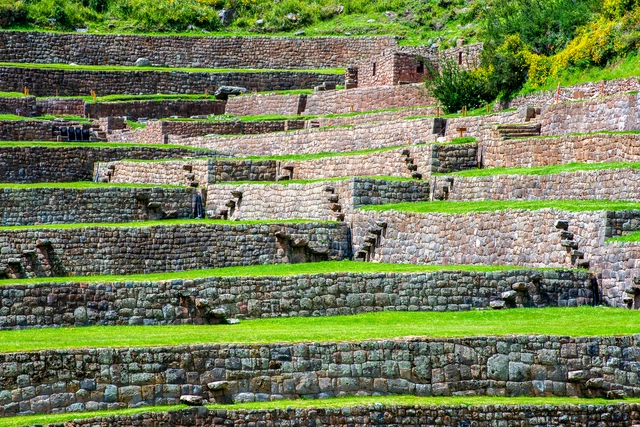
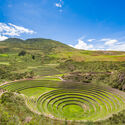
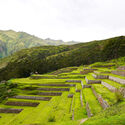
In sloped topographies, factors such as rainfall and excess water promote surface runoff, triggering a series of impacts that lead to the loss of soil, water, nutrients, and seeds, consequently reducing agricultural productivity (Posthumus, 2005). In Andean mountain environments, this is compounded by water scarcity and variability, alongside the challenges of water retention (Canziani, 2007). To address these challenges, territorial transformations and modifications known as terraces and andenes emerged, representing some of the oldest infrastructural practices for soil and hydrological conservation and management. Their physical presence, productive use, and cultural relevance remain vital in many parts of the world today.
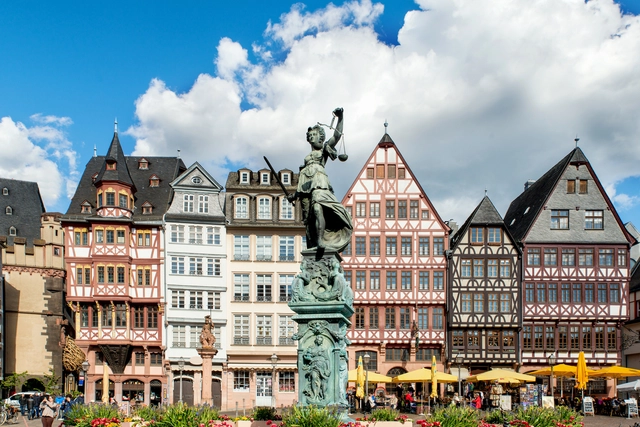
The architectural identity and urban fabric of the old city of Frankfurt has grown organically over centuries. Shops, bars, and craftsmen's workshops have always attracted a lot of visitors to the area between the Cathedral, or "Dom" in German, and the Römer, the main square in the center of Frankfurt. Historically, the area included buildings of many different styles, such as Gothic, Renaissance, Baroque and Classical architecture, which most locals only knew about from black and white photographs, the town’s famous miniature model in the historic museum, or stories passed down through generations.
However, the quarter’s picturesque buildings and alleyways, were almost entirely destroyed during the Second World War, but the collaborative work of the community and local authorities have made it seem as though time before the war stood still. The entire quarter was reconstructed exactly as its original plans, bringing Frankfurt’s medieval history back to life and creating what is now known as the Neue Alstadt, a project considered by some to be controversial.
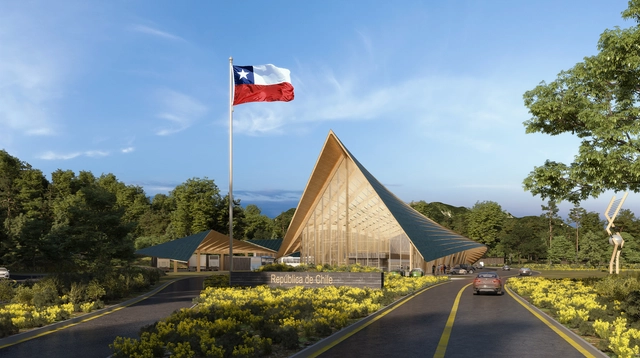
Ennead Architects has revealed its competition design entry for the Chilean-Argentine border complex along the Cardenal Antonio Samoré Pass, one of the most heavily-trafficked mountain passes through the southern Andes and between the two countries. Dubbed Samoré, the project is designed to serve as a welcoming station and refuge for travelers, complementing the Patagonian tradition of remote mountain shelters that are commonly found across the southern Andes.
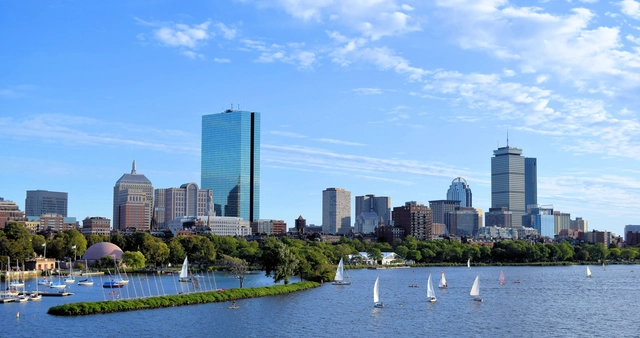
Boston is the latest city to announce a city-wide plan that, if passed, would eliminate the use of fossil fuels in new constructions and major renovation projects. This measure expands upon the commitment to enact climate action and make Boston a Green New Deal city. Other US cities like New York, Los Angeles, San Jose, Seattle, and Berkeley have all imposed similar measures in recent years. Seven European cities - Bilbao, Bratislava, Dublin, Munich, Rotterdam, Vienna, and Winterthur - have also developed a project to phase out fossil fuel from urban heating and cooling.
Those interested in purchasing low- or zero-emission transportation options can now access a new line of credit. This month, Banco do Brasil (BB) launched the BB Crédito Mobilidade line, which will finance items such as bicycles, kick scooters, electric or manual scooters, and motorcycles under 125cc, with repayment terms of up to five years.
In the midst of programmatic diversity and experimentation, the Rio de Janeiro office gru.a is an encouragement to those who wish to venture into the expanded field of architecture. Formed by partners Caio Calafate and Pedro Varella in 2013, gru.a demonstrates the potential of the profession when it dialogues with other disciplines.
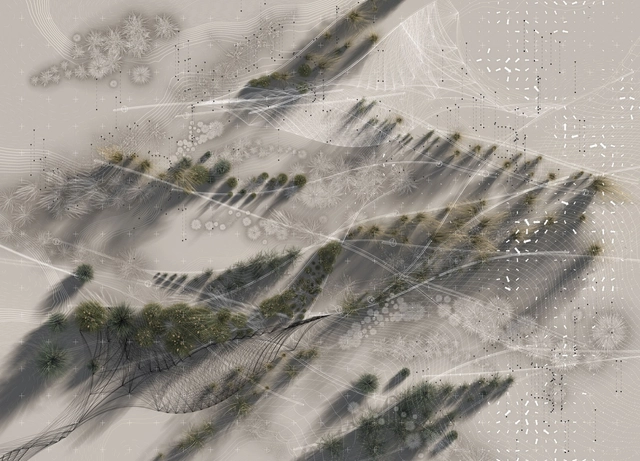
Entries to the annual Architecture Drawing Prize are judged in three categories, hand-drawn, digital and hybrid. Last year, Dafni Filippa, a post-graduate student studying for a Master’s degree in Landscape Architecture (MLA) at the Bartlett School of Architecture, won in the hybrid category and was also judged overall winner of the Prize with her Flood-responsive landscape performance, a virtuoso drawing created through a variety of rendering and modelling techniques produced by hand, in plaster and through and across multiple software platforms.
São Caetano do Sul, in São Paulo's ABC region, tops the ranking of the country's most sustainable cities. The unprecedented survey reveals that the city, already known for leading the HDI (Human Development Index) in Brazil, is now first among the 5,570 Brazilian municipalities regarding the implementation of the UN's SDGs (Sustainable Development Goals).
Since 2009, World Photography Day has been celebrated every August 19, commemorating the presentation of the daguerreotype to the French Academy of Sciences. The daguerreotype was the first photographic process, a milestone invention for human history and, of course, for our own discipline. Discussing architecture through photography is, in the words of Beatriz Colomina, one of its primary means of dissemination.
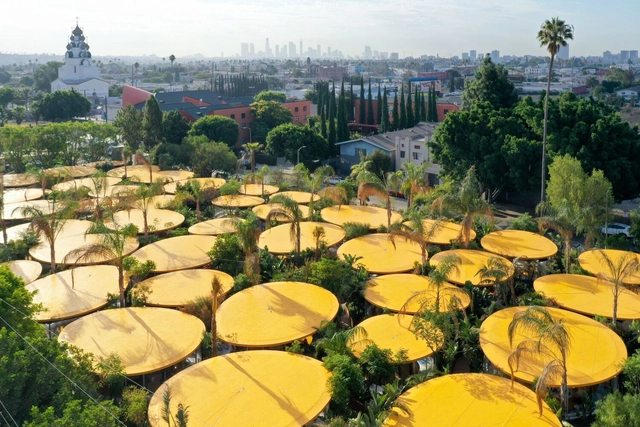
At ArchDaily, our work is grounded in stories. Between practice and projects, editorials and news, we write to share how architecture and design is changing both how we live and why. We also hold a responsibility in our choice of which stories get told and those that don't. The following is a reflection about design in Los Angeles, a beautiful, immense, sprawling, and diverse city that I've called home for many years.
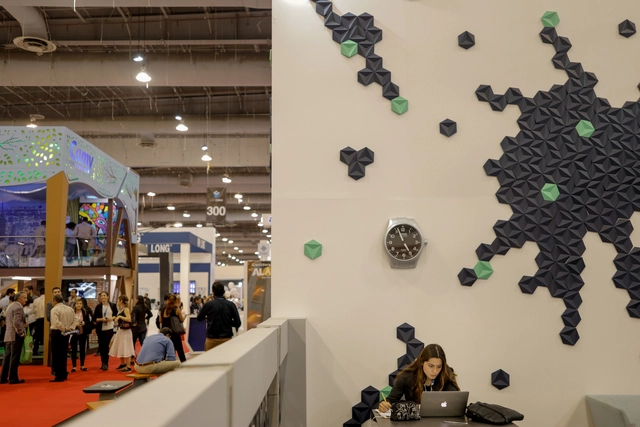
Staying at the forefront while renewing business lines and contacts is key to thriving in any industry. Building on its legacy of 32 in-person and two digital editions, Expo CIHAC returns to Centro Citibanamex, establishing itself in 2022 as a premier hub for the architecture, construction, and interior design sectors in Mexico and Latin America.
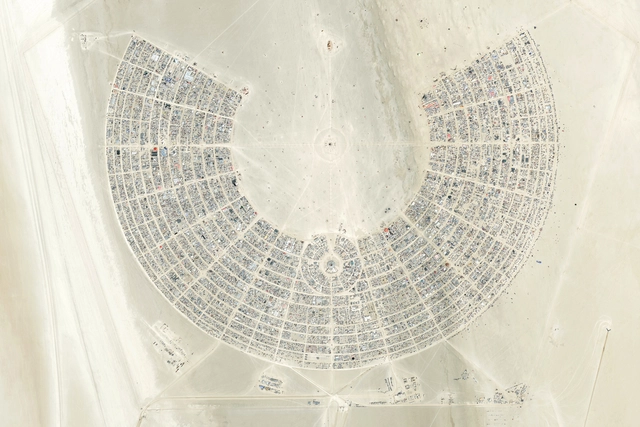
After a three-year physical attendance hiatus due to the pandemic, Nevada's annual Burning Man is making a return to the Black Rock Desert. From August 28 until September 5th, this year's festival will welcome thousands of burners to celebrate music and art in a temporary metropolis dedicated to "community, art, self-expression, and self-reliance". Ahead of its 2022 inauguration, we are taking a look at some of the best installations to have been constructed during Burning Man's previous editions.
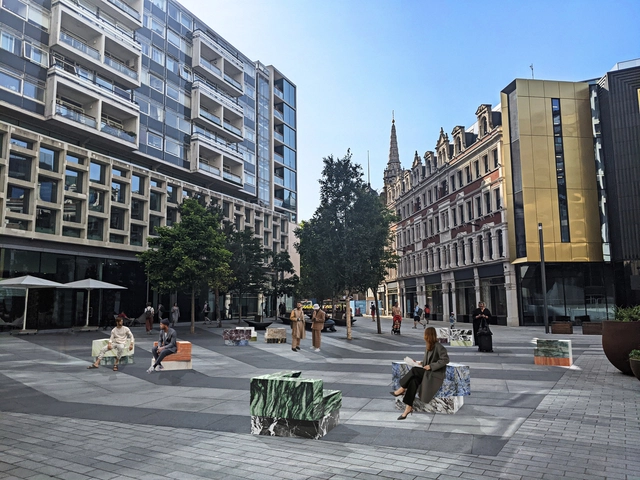
Landmark Project 'Swivel' by Sabine Marcelis. Image Courtesy of Sony Design
The London Design Festival is an annual event that brings together designers, practitioners, retailers, and educators from across the globe. This year’s program of events, exhibitions, and installations invites creative leaders to exchange ideas and solutions for some of the most pressing issues of our time, like climate change, pollution, and resource depletion. The festival includes the Landmarks Projects. As part of this initiative, Rotterdam-based designer Sabine Marcelis has created “Swivel”, an outdoor installation in central London. Other installations like Sony Design’s “Into Sight” pavilion or Sou Fujimoto’s “Medusa” exhibition explore visual and sensorial effects through physical and virtual mediums.
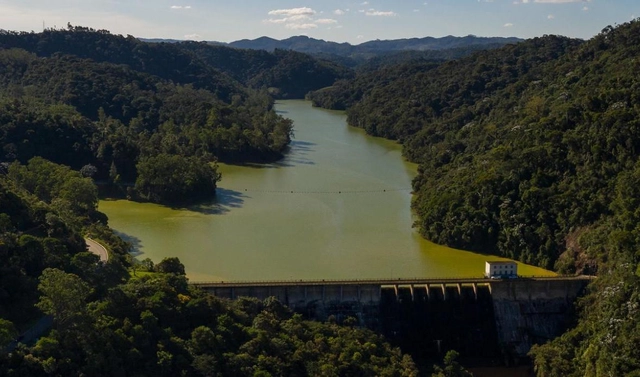
Forests for water treatment in Espírito Santo. Photo: Ademir Ribeiro/WRI Brasil
What if policymakers, when deciding how to allocate public investments, looked beyond massive concrete structures and also turned their attention to forests?
Viewing the conservation, restoration, and management of native vegetation—in other words, nature-based solutions—as viable investment alternatives to improve urban infrastructure is an innovative approach that can yield major benefits for society. A prime example lies in the water treatment and supply sector: forests can play such a crucial role that they can be considered a form of natural infrastructure.
https://www.archdaily.com/1132455/forests-for-water-a-nature-based-solution-to-tackle-water-crisesVitor Tornello, Lara Caccia, Mariana Oliveira e Bruno Calixto
Being a region characterized by its wide variety of landscapes, biodiversity and thermal floors, the design of interior patios in Colombian homes accompanies the living, resting, access, and circulation spaces, being, on many occasions, protagonists and a source of contact with the surrounding nature.
Every new generation enters the workplace with its own communication style. From viral TikToks to provocative statements like “We rarely use email,” Gen Z’s entrée into the workforce will certainly make its own waves. But what do we need to consider as we recruit, try to retain, and sell to this next generation of designers?