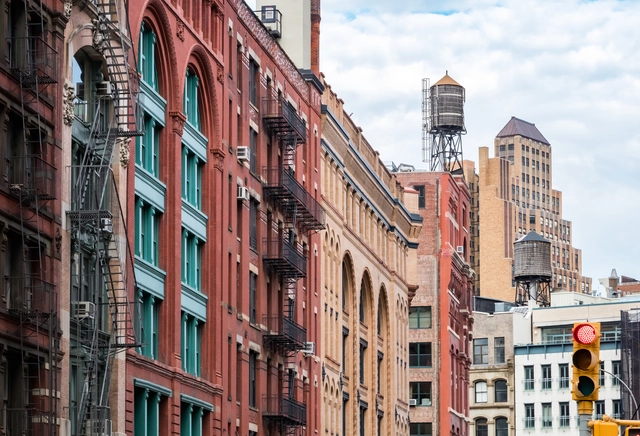
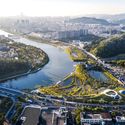
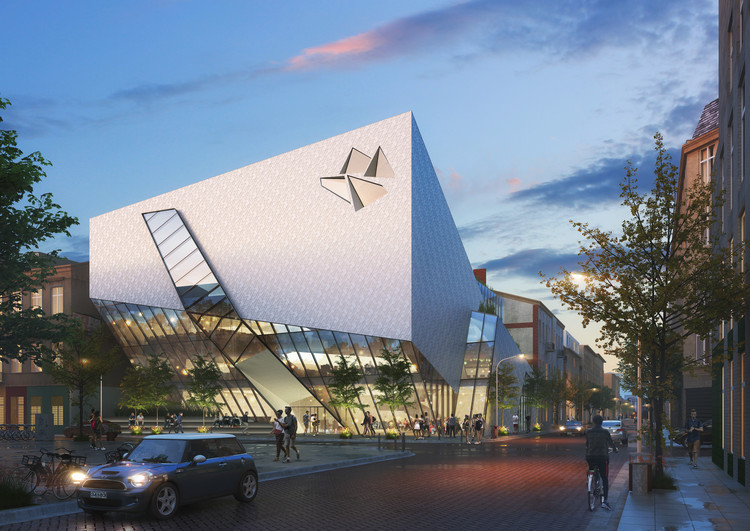
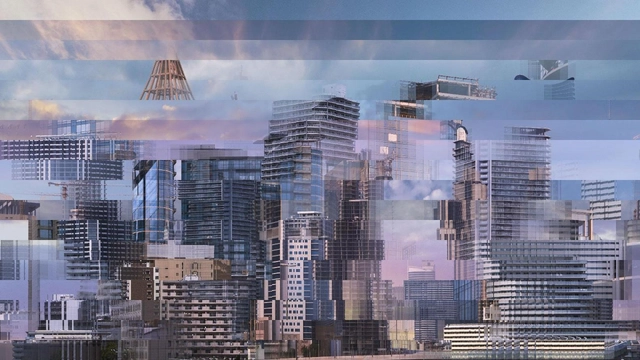
America’s central business districts suffered greatly during the COVID-19 pandemic through job losses and business closings, but they also have a good chance to recover if stakeholders can capitalize on trends that will shape the way people live and work in a post-pandemic economy. That’s the view of the author and urbanist Richard Florida, a professor at the University of Toronto and author of The Rise of the Creative Classand The New Urban Crisis.
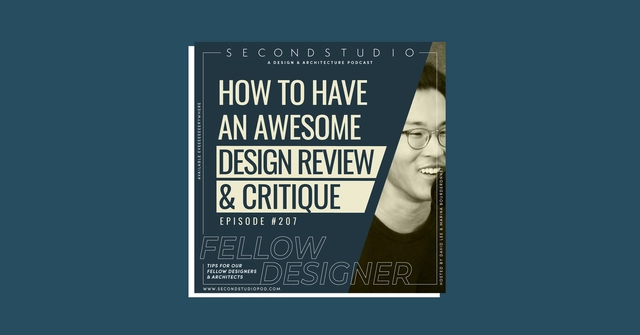
The Second Studio (formerly The Midnight Charette) is an explicit podcast about design, architecture, and the everyday. Hosted by Architects David Lee and Marina Bourderonnet, it features different creative professionals in unscripted conversations that allow for thoughtful takes and personal discussions.
A variety of subjects are covered with honesty and humor: some episodes are interviews, while others are tips for fellow designers, reviews of buildings and other projects, or casual explorations of everyday life and design. The Second Studio is also available on iTunes, Spotify, and YouTube.
This episode is also available on iTunes, YouTube, and Spotify. This week David and Marina discuss the best strategies for getting the most from a design review. The two cover when not to listen to critics, the two essential parts to any critique, why design reviews are often a complete mess, crying at reviews, controlling a review, bad feedback, how to structure a productive review, and much more. Enjoy!
https://www.archdaily.com/961338/the-second-studio-podcast-tips-for-having-a-great-design-review-and-critiqueThe Second Studio Podcast
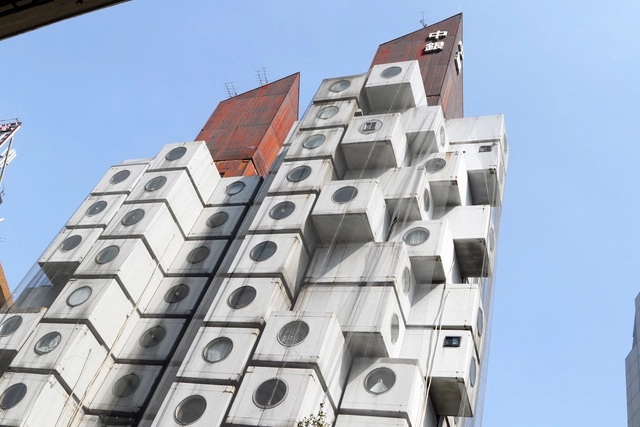
One of the most iconic examples of Metabolist architecture, Kisho Kurokawa'sNakagin Capsule Tower, might be headed for demolition, as the building was sold by the management association to the landowner earlier this year, as reported by Japan Forward. The tower's demise has been intensely speculated in recent years due to the structure's precarious state and incompatibility with current seismic standards.
The U House is widely regarded as one of the masterpieces of Pritzker Prize winning architect Toyo Ito. It was designed specifically to nurture his sister and two daughters after they lost their father to cancer. Decades later, the house sat empty once the family had eventually moved on from the grips of their grief. In 1997, the house was demolished to clear the site for sale and today the building only lives on in memory, drawing, and images. In this episode of Architecture with Stewart, he reconstructs the U House to simulate what it would have been like to visit in real-life. After a forensic investigation and a close analysis of its program and geometry, he builds a 3D model and navigates it in the real-time render engine Enscape and offers a link for you to explore as well. What hidden treasures are lurking inside this important building lost to the wrecking ball?
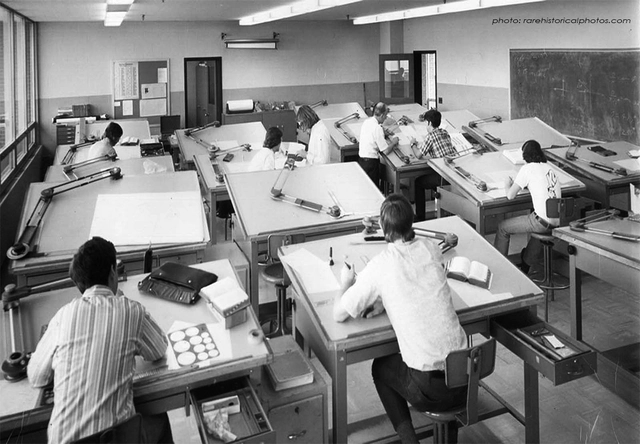
The role of an architect has not always been what it is today. Historically, and almost since its inception, it was viewed as a “one-man show”, where the architect was the artist, the sculptor, and the visionary of a structure. As the practice has continued to evolve, it has become a much more collaborative, and much less individualistic profession in nature, continuously understanding the importance of considering outside perspectives- even those not traditionally trained in design.
Titled "Architecture as Measure", the Turkish pavilion at the 17th International Architecture Exhibition – La Biennale di Venezia, seeks to explore what and how architecture can contribute to the environment in the light of the current climate crisis, beyond technological dependence. Curated by Neyran Turan, the pavilion will be on display at the country's long-term venue, the Sale d’Armi, Arsenale from May 22nd to November 21st, 2021.
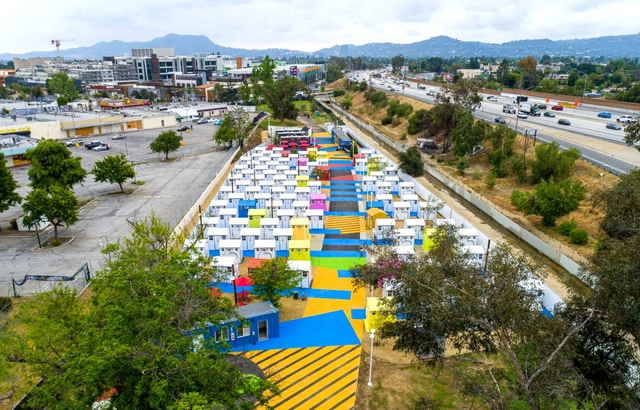
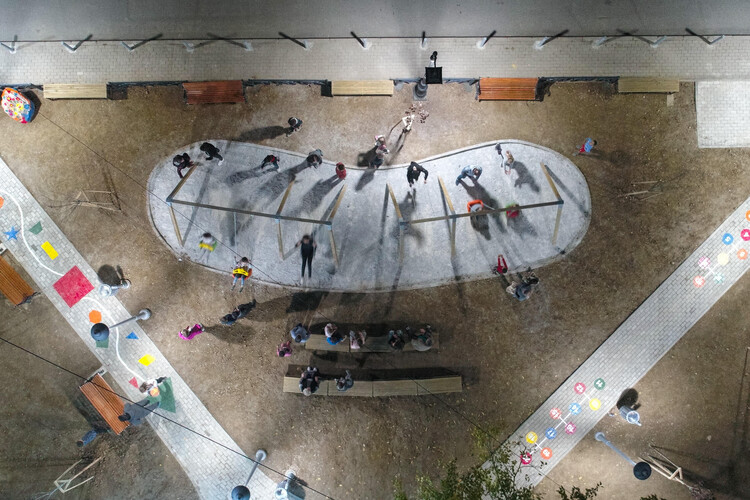
Alexandria Park Tiny Home Village. Image Courtesy of Lehrer Architects
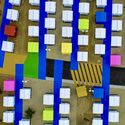
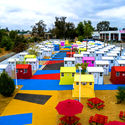
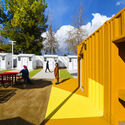
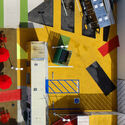
Lehrer Architects converts several leftover plots in Los Angeles into micro-homes developments, unfolding an experimental template for tackling homelessness. Together with the Bureau of Engineering for the City of Los Angeles, the architecture firm creates an efficient yet functional design using prefabricated pallet shelters and brings character to the project through vibrant colours to shape a new sense of community and restore dignity through design.
Rendering has become indispensable to most architectural offices. To understand how these images can assist during the design process, how they have evolved, and especially, what aspects should be considered to create an outstanding visualization of a project, we talked to Guilherme Bravin and Marcus Vinicius Damon, co-founders of Estúdio Módulo, and coordinators of {CURA}, an open architecture school focused mainly on architectural visualization.
"Acoustics" in architecture means improving sound in environments. Although it is a complex science, understanding the basics - and making efficient and effective decisions - is much easier than you might think. The first step is to understand that there are two technical categories used in acoustics: soundproofing and acoustical treatment. Soundproofing means "less noise" and treatment, "better sound".
Dozens of neighborhoods in New York City have been upzoned based on contrived, and even false claims made by the city, which promised more diversity, affordable housing, minimum displacement, and other worthy goals. None of those projections materialized, but this is never acknowledged. Worse, the upzoning created the opposite conditions: less diversity, fewer affordable units, and whiter, wealthier neighborhoods. This, too, is never acknowledged. But the damage is done—and developers are having their way—following the new zoning. Then it’s onto the next neighborhood, with the same approach. Roberta Brandes Gratz explores in her article city planning and city promises in New Tork City, disclosing zoning regulations that lead to the opposite of what they preach.
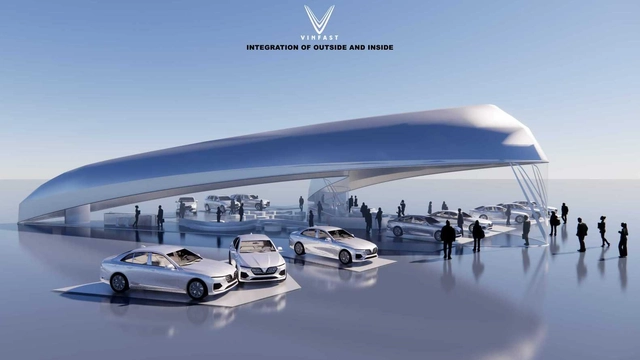
The VinFast Global Showroom Design Competition organized by Vietnam Design Association (VDAS) and VinFast from January 25th to February 25th, received approximately 1000 entries from 90 countries across 5 continents. Accordingly, VFDC 2021 greatly attracted designer contestants from the US, Canada, Europe, Australia, and Vietnam, which are key markets in VinFast's global strategy.
https://www.archdaily.com/961247/winner-announcement-of-vinfast-global-showroom-design-competition-2021ArchDaily Team
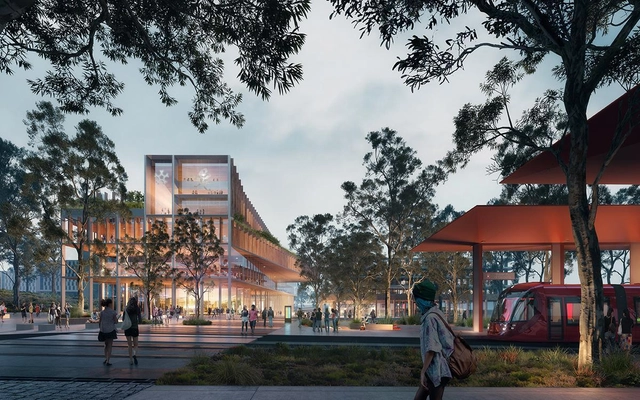
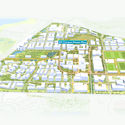
MSG Architects and Turf Design Studio have designed a 20-year masterplan for the University of Canberra in Australia. With an investment of over $5 billion of the university's Bruce campus, the project would include new light rail connections for the Belconnen community, as well as an indoor arena and sports center. In total, the project would include over 60,000 square meters of university facilities and over 200,000 square meters of commercial buildings.
The SO – IL-designed 21,000 square foot multi-building “art campus” in East Williamsburg, Brooklyn, is set to open on June 5th, 2021, with construction projected to conclude by May 2021. Serving as the Amant Foundation’s new headquarters, the complex will host exhibitions, public events, archival projects, performances, and residency programs.
Architecture is shaped by its environment and natural forces. Inherently, the discipline focuses on the design of objects over systems, on formal morphology over networks or ecologies. However, no building exists outside its context; every structure is sited among ever-changing climates and cultural conditions. How designers respond and connect to these larger systems can radically change the nature and quality of their work. Often, it is the greatest constraints that produce novel solutions.
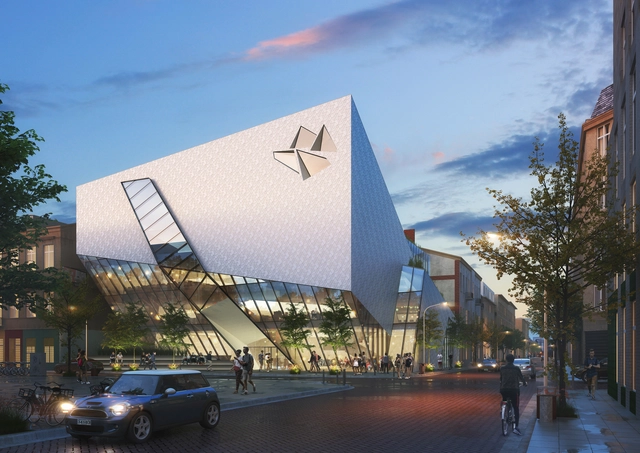
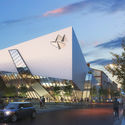
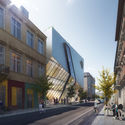
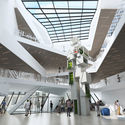
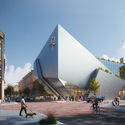
Daniel Libeskind and inLodz21 Institution are designing Nexus21, an urban revitalization project of 21 structures that vary between residential and commercial buildings to urban spaces. The new cultural hub is located in particular neighborhoods to promote the creativity and innovation that lies in the city, such as architecture, textiles, fashion, and film, which are all part of its heritage. The master plan will also work on the spaces in between the revived structures, creating a vibrant nexus between the old and the new, while adding value to the historic neighborhoods of Łódź, Poland.
The Russian Federation Pavilion for the 2021 Venice Biennale explores the role of cultural institutions across physical and digital spaces. Titled Open, the program investigates the subject on multiple fronts, from the renovation of its physical architecture to the research into the social role of virtual environments and a collection of perspectives on the new ways of thinking in the institutional realm. The contribution builds on the Open? project, which debuted in May 2020 and continued throughout the year as a virtual platform for creatives and thinkers.
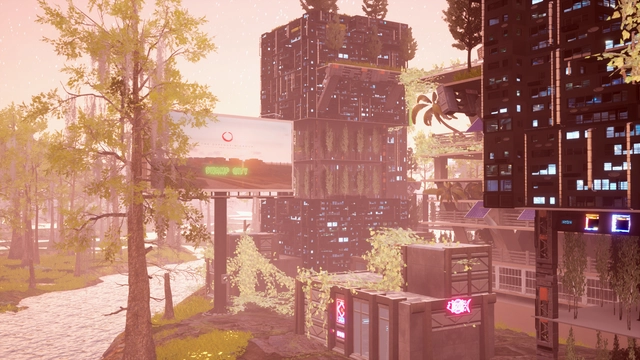
Imagine yourself welcoming your colleagues to a business meeting at your home. The table is set next to the infinity pool, under the shadow of a huge curved metal structure reminiscent of Zaha Hadid's most audacious designs except for the complete absence of pillars. Hovering in the air, the roof completes an idyllic setting for this mansion on a rocky hillside. The house was recently acquired as an NFT and is digitally accessed via encrypted code. That's right, this is your virtual home. The physical one is a small 40m2 apartment in the center of one of the busiest and most polluted cities in the global south.
Jennifer Toole, ASLA, is the founder and President of Toole Design and has over 30 years of experience planning and designing multimodal transportation systems. A certified planner with a degree in landscape architecture, Toole has a strong background in urban design. She has been involved in numerous projects of national significance for the Federal Highway Administration, American Association of State Highway and Transportation Officials (AASHTO), and National Highway Traffic Safety Administration (NHTSA).
https://www.archdaily.com/960917/jennifer-toole-makes-the-case-for-better-bike-networksJared Green
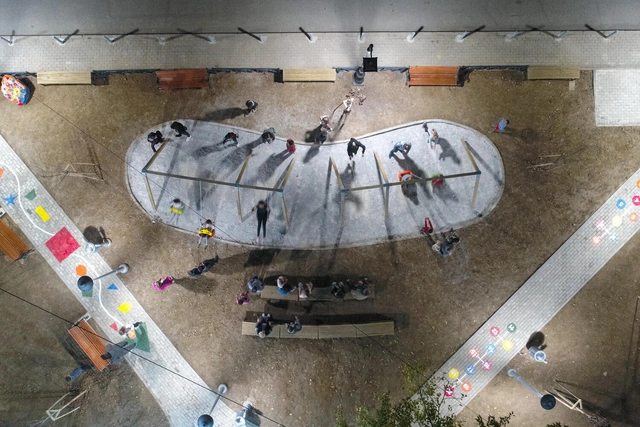
Kosovo - Implementation during Covid-19. Image Courtesy of UN-Habitat, Global Public Space Programme
The Un-Habitat or the United Nations agency for human settlements and sustainable urban development, whose primary focus is to deal with the challenges of rapid urbanization, has been developing innovative approaches in the urban design field, centered on the active participation of the community. ArchDaily has teamed up with UN-Habitat to bring you weekly news, article, and interviews that highlight this work, with content straight from the source, developed by our editors.
As the fight against coronavirus keeps on bringing many cities around the world to a standstill, the need to support urban entities and local governments is greater than ever. Although the pandemic has drastically changed our relationship with the public realm, due to all the imposed but necessary restrictions, from physical distancing to limiting access, the demand for public space has not decreased. People still need to go outside, commute, work, study, play, socialize, and maintain a healthy mental state. Discover in this article UN-Habitat’s key areas of focus for an effective urban response for COVID-19 that local and national governments should focus on to prevent the spread of the virus and to develop resilience to and preparedness for events of a similar nature.
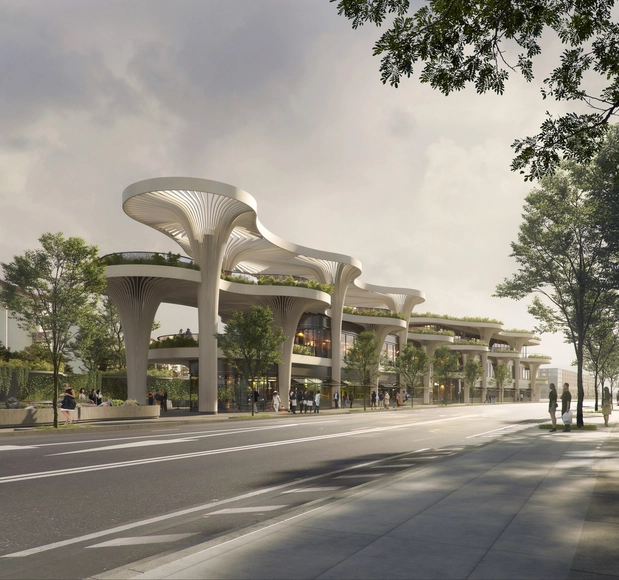
For its latest design in China, the Australian firm Koichi Takada Architects takes inspiration from Shanghai's forest-rich landscape and creates a series of architectural "trees" that branch out, forming a canopy above a new marketplace. Through its open, biophilic design, the Solar Trees Marketplace will be an extension of the outdoor public space, reinterpreting the traditional Chinese market as a community place.
2020 and the Covid-19 pandemic forced architectural students around the world to go virtual with their classes and coursework, transforming the way architecture was both taught and learned. Once based primarily on in-class participation, and collaboration, architectural workshops had to take on whole new methods of instruction. Conversations and debates between students and their instructors, a key element of architectural education were relegated to phone and video calls as well as written documents, making digital formatting an essential tool for students to share their ideas and receive feedback on their work.
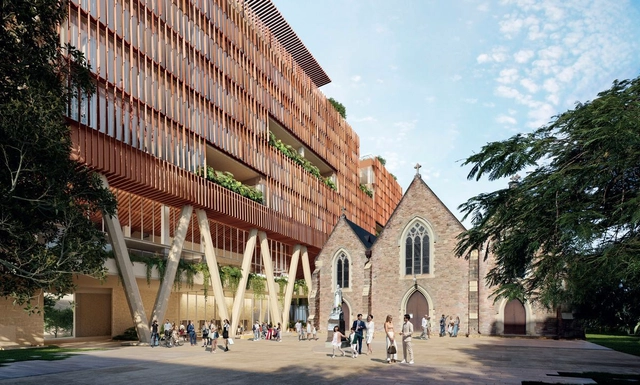
The Archdiocese of Brisbane has unveiled plans to build an eight-story office block adjacent to the city's historic St. Patrick’s Church in Australia. Designed by architecture practice BVN, the project was made to respond to both the existing church and the urban fabric of Fortitude Valley. The proposed development would preserve views to the church from James and McLachlan streets with over 11,000 square meters of office space.
Many describe the work of Alvar Aalto as an embodiment of the concept of Gesamtkunstwerk (a total work of art), where architecture, design, and art merge into one. The Finnish architect is a pioneer in the so-called organic strand of modern architecture in the early 20th century and has strongly influenced what we know today as Scandinavian architecture. According to a description on the MoMA website: "his work reflected a deep desire to humanize architecture through an unorthodox handling of shapes and materials that was rational and intuitive." Its methods of bringing natural light into buildings are extolled and studied repeatedly until today. But throughout Aalto's career, wood has always been present and taken many different forms. From structures to ceilings to stools, Alvar Aalto brought this natural material to the fore.