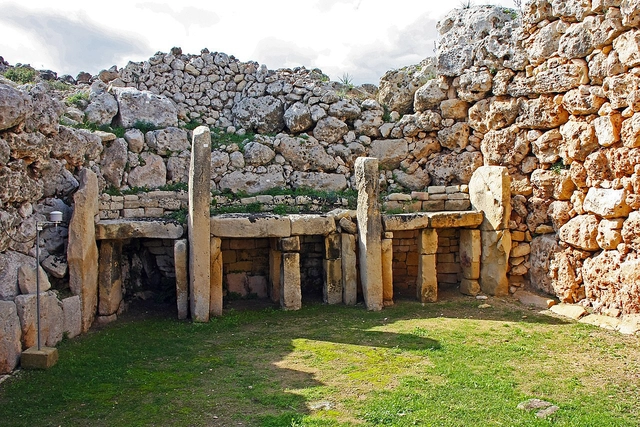
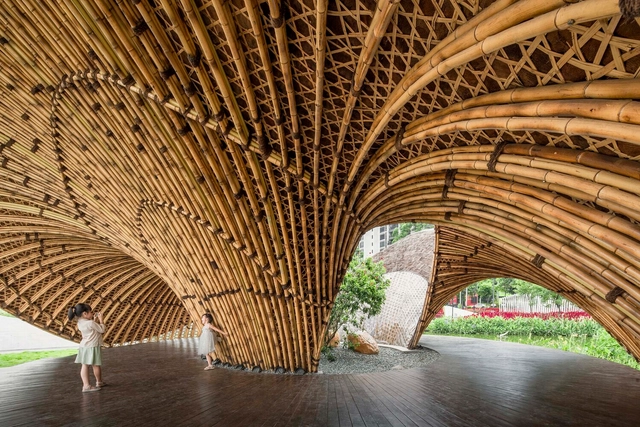
Along coasts and fjords, mountains, and waterfalls, Norway's National Tourist Routes traverse the country's most unique natural landscapes. They are 18 roads that are intended as alternative experiences to the main roads, with rest stops and remote viewpoints that were developed over nearly three decades by some 50 architecture and landscape offices.
“We shape our buildings; thereafter they shape us.” Despite Winston Churchill’s words, architects are shaped by our culture, and our work reacts to it. Because our culture evolves, the practice of architecture evolves. What is “New” in architectural practice has had accelerating change, exploding in the 21st century because new technologies have changed everything on a level of the Industrial Revolution, 200 years ago.
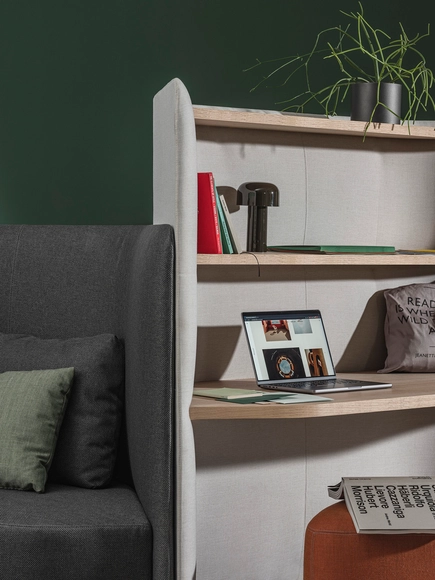
In Out Office / Alfredo Häberli. Image Courtesy of Andreu World
Interior architects and designers have often claimed that a well-designed office space will translate into greater productivity, creativity and worker satisfaction –yet the impact is greater than most tend to imagine. Recent studies suggest that good design positively impacts company culture, fosters a sense of community and creates a healthy, happy and motivating environment. In fact, it directly influences the recruitment and retention of talent: “workplace design significantly increases the attractiveness of employers to potential candidates.” Proper lighting, a flexible layout and biophilic features are all important factors to consider during the planning stage. But to fully address user comfort and well-being, these must be combined with excellent furniture design. After all, integrating high-quality ergonomic pieces is a simple way to boost mood and enhance functionality and aesthetics when creating or redecorating the workspace.
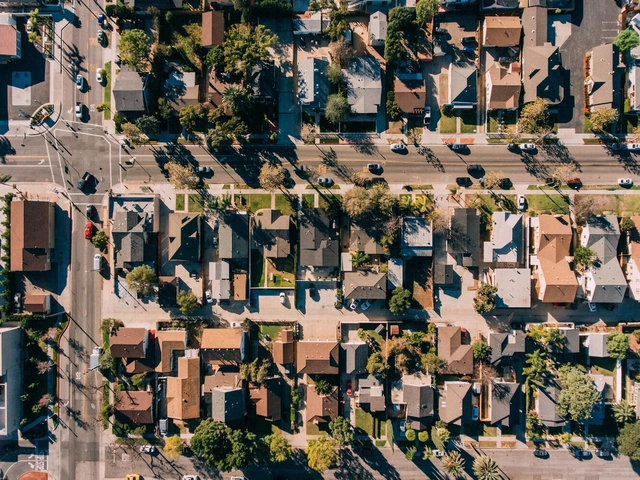
Envision your ideal neighborhood. Maybe it’s on a cul-de-sac in the suburbs, where every neighbor has a well-manicured lawn, a two-car garage, and everyone gives each other a friendly wave on their way to work. Or maybe you live in a high-rise building in a dense urban center, where you take public transit to the office five days a week and say hello to your doorman on your way out. Whatever your neighborhood might look like, there’s always a sense of wanting to know the people who live around your- or at least an unspoken reliance on one another to ensure that your surroundings are safe. What happens when technology brings you and your neighbors together to report on local happenings? Is it a good thing, or does it create a vigilante situation gone awry?
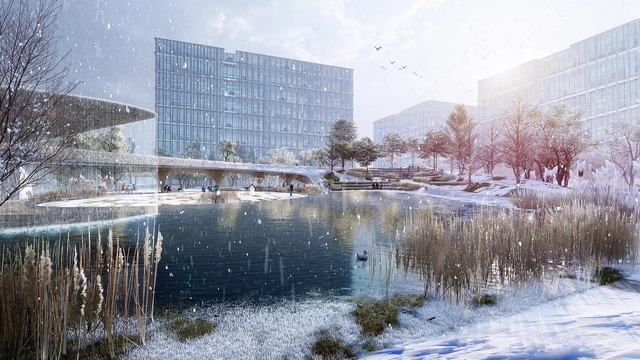
ASPECT Studios won the international design competition for Alibaba’s Headquarters (Park C) Campus Project in Hangzhou, in the Zhejiang province. Based on the “BioHabiNet” concept, ASPECT's proposal focuses on an interconnected network of layered biodiversity, sustainable water systems, and community-orientated workplaces. The Xixi Campus will host over 30,000 Alibaba staff and aims to become a precedent for further corporate parks in support of China’s carbon-neutral target for 2060.
Videos
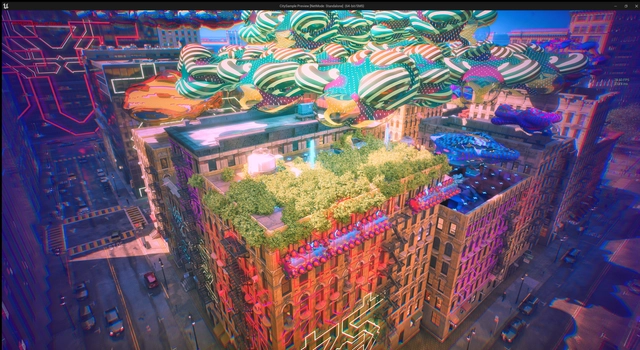
Discovery por lifeforms.io. Image Cortesía de Damjan Jovanovic
Today, architects and designers are increasingly aware of the responsibility they have in leading the construction of the virtual environment. But how is it designed? How is it built? What is the degree of experimentation that exists?
'Discovery: a story about rooftops, airships, robots, and inflatables' is a recently opened exhibition at the SCI-Arc gallery that addresses just this theme. Designed by Damjan Jovanovic and Lidija Kljakovic, founders of lifeforms.io - a video game creation studio based in Los Angeles, California - it presents an exploration of the creation of worlds, artificial intelligence, and ecology.
Whether you blame Covid lockdowns, recipe box subscriptions, or the latest high-tech kitchen appliances, everyone’s spending more time in the kitchen. Meanwhile, popular open-plan spaces remove the option of simply shutting the door on the catastrophic mess of a big meal, before settling in for a relaxing evening.
The modern kitchen worktop, then, has to work harder than ever before. Impenetrable when standing up to increased use, yet simple and quick to clean, returning to its sleek and stylish position as a backdrop to the perfect interior with ease. Here are ten of the most common kitchen worktop materials in a crowded market.
In the following interview with Paul Tange, the chairman and senior principal architect at Tange Associates in Tokyo, we discussed the relationship with his famous architect-father Kenzo Tange (1913-2005; the most influential architect in postwar Japan and the winner of the 1987 Pritzker Prize), the fate of the house Tange senior built for his first family, the decision of joining his father’s practice right after graduation from Harvard, sharing his father’s design principles, and the vision behind his first independent built work – a 50-story Mode Gakuen Cocoon Tower in Tokyo, a vertical campus that can accommodate up to 10,000 students; the project won an international competition, in which 50 international architects participated.
Matthew Hamaker, 2017. Image Courtesy of School of the Art Institute of Chicago
Since its founding in 1866, design has been part of the School of the Art Institute of Chicago’s (SAIC) mission of creativity, experimentation, and free expression. SAIC’s Master of Architecture and Master of Architecture in Interior Architecture programs teach the skills graduates need to enter design professions, the ambition to reimagine them, and the values to guide them as leaders. Students explore the future of how we live, work, and communicate, and cultivate diverse practices that impact culture and public life.
SAIC is currently accepting candidates for their two NAAB-accredited, STEM designated degree paths in Architecture:
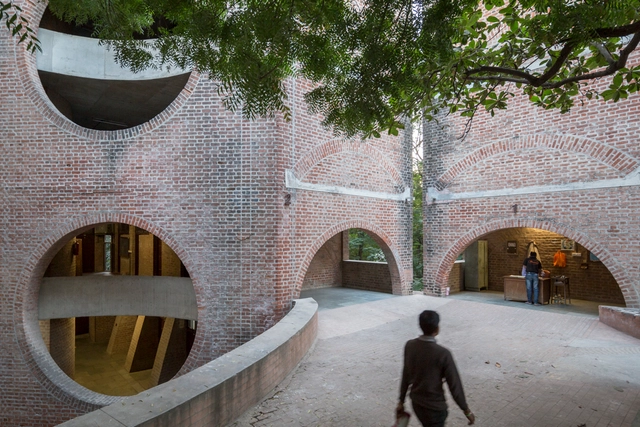
On November 3rd, 2022, the Indian Institute of Management Ahmedabad (IIMA) announced the decision to end the restoration works for elements of the campus designed by Louis Kahn with Indian architects Balkrishna V. Doshi and Anant Raje in 1962. The decision affects the faculty blocks, classroom complex, and dorms other than dorm D15. According to the statement, the institution plans to replace some of the buildings, as the complex is “facing structural damage, deterioration and have become uninhabitable, posing a safety concern for the campus's residents.” This represents a reversal of the decision to withdraw the first demolition plans following global protests, announced in January 2021.
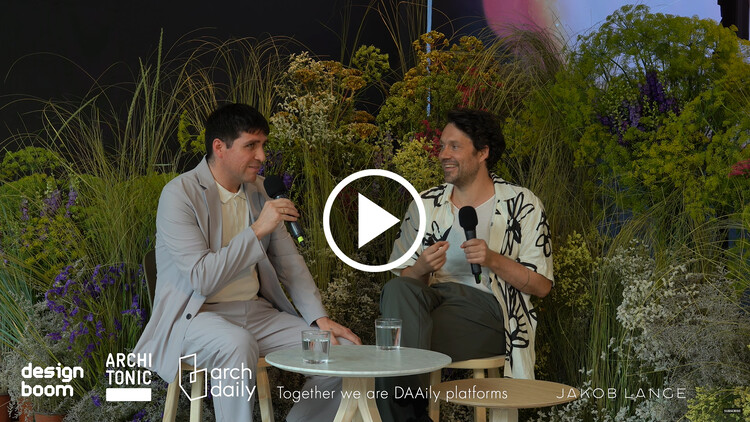
The DAAily platforms Designboom, Architonic, and ArchDaily held a unique storytelling space to feature curated talks about design and architecture during the Milan Design Week 2022. Dubbed the DAAily Bar, the set served as a new meeting point inviting renowned designers and exhibiting immersive art installations.
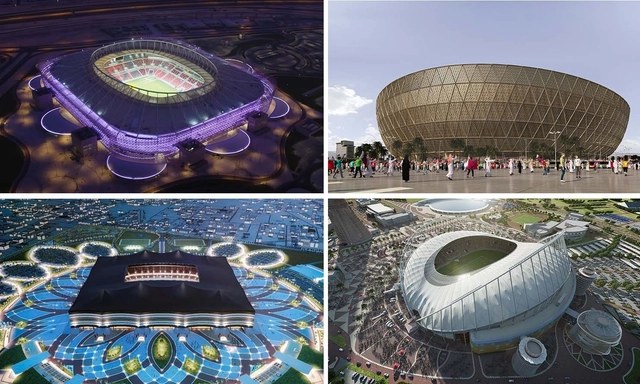
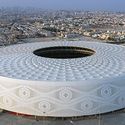
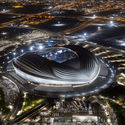
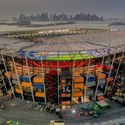
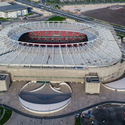
After years of preparation, the 2022 World Cup, one of the most anticipated global events of this year, was finally launched. The quadrennial international men's football championship is being held for the first time in an Arab country, Qatar, from the 21st of November to the 18th of December 2022. Ever since FIFA announced that Qatar will host the 2022 World Cup back in 2010, preparations for a total of 8 stadiums have been in full force, especially since it will be held in a country with critical climate conditions.
After a few atypical years, the hustle and bustle of a day in the city is back to what it used to be: leaving the house and going to the office, taking the car, bus or plane, grabbing a quick bite to eat in a restaurant, stopping by a museum or a bookshop to get some fresh air and, if we have any energy left, hitting the gym before heading home. In less than 24 hours we pass through several buildings with all kinds of rooms, but they all have one thing in common: the bathroom.
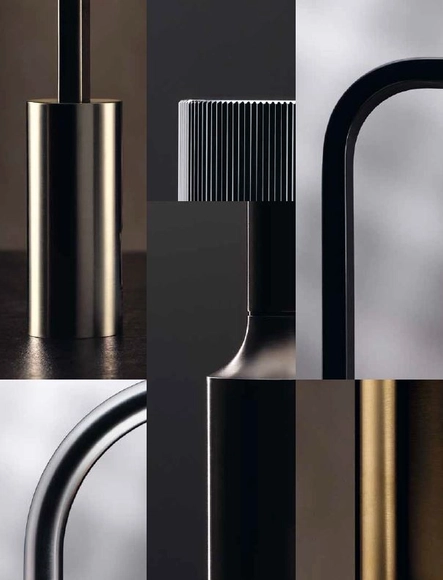
Designing a bathroom can be one of the most challenging but exciting tasks for architects, as both its elements and fittings must provide a safe and hygienic experience for all those who use it on a daily basis. Before COVID-19 came along, there was already a growing trend: the use of non-contact infrared taps. As the name suggests, these are taps that are activated by a sensor that detects the movement of the hand - almost as if by magic.
Over the years, interior design has evolved according to the needs that arise, but above all according to the experiences that we seek to provoke in the user. In the last two years, we have witnessed a radical change and a special interest in this subject because the pandemic forced us to pay specific attention to the configuration of the places we inhabit. This brought about much more holistic designs that cater to the wellbeing of the user, combining colors, sensory experiences, technology, and natural elements that promote health.
The queer crowd has always been present, finding ways to exist, gather, and celebrate. Although their visibility hasn't always been highlighted throughout history due to the consciousness of having to submit to heteronormative and strict mass normality in the past, doesn't mean they previously didn't have their own spaces to call their own. Queer spaces, past and present, have been categorized as strong, vibrant, vigorous, and worthy of occupying their own place in history, filling in as safe places for identifying individuals, places of social gathering, entertainment, and even offering community housing; therefore, there will always be a need for queer spaces.
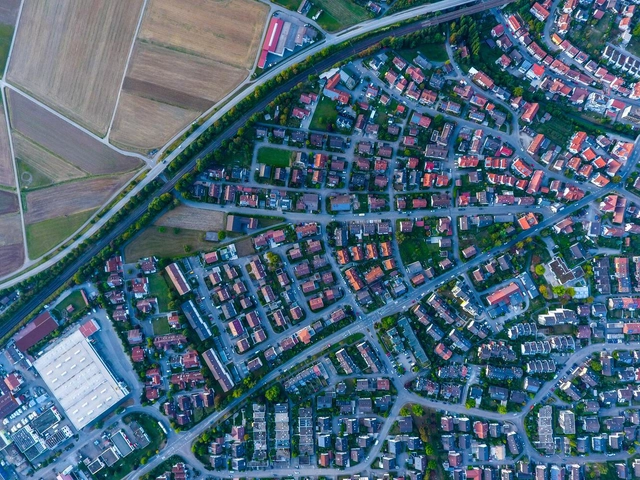
How we plan our cities, suburbs, and rural communities is a constantly evolving set of goals essential for creating sustainable cities. Not only do we need to consider what lies within these areas, but we also need to effectively design the boundaries between each, where urban meets suburban, and where suburban meets the small town. In recent years, urbanists have paid close attention to urban sprawl, or what sometimes happens when towns rapidly grow outwardly from city centers. What happens when cities seem to “sprawl” out of control, and are the design principals behind New Urbanism able to turn urban sprawl into equitable communities?
The world’s biggest social challenges are reflected in the way we design our spaces. Privatization of public space, lack of affordable housing, dark design and spatial segregation are just some of the most common causes and manifestations of urban inequality that characterize contemporary cities. While holding the potential to reproduce these inequalities, inscribing them further into space, design can also work to oppose discrimination, propelling equity and inclusion.
One of the great challenges that architects have to face every day when designing begins with the conditions of the site where the architectural project is to be implemented. This involves the analysis and study of a series of factors ranging from sunlight, topography, surrounding vegetation, context, and others, all variables that are capable of guiding and/or defining the direction of the architecture to be developed.
Everyone’s experience of a city is unique. Whether one is visiting a place for the first time or has lived there all their life, their experiences are shaped by their personal interactions with the built environment. Buildings, landscapes, and streets come together to offer an opportunity for sensory stimulation, however, most of them are unable to provide inspiration. While a city’s infrastructure accounts for livability, equal importance isn’t given to enjoyability. Play and games embedded in the city’s fabric can help improve user engagement with urban spaces.
World Design Policy Conference, one of the Signature Events of Valencia World Design Capital 2022 and the World Design Organization®, was celebrated with huge success on the 3rd and 4th of November at the Palacio de Congresos de Valencia.
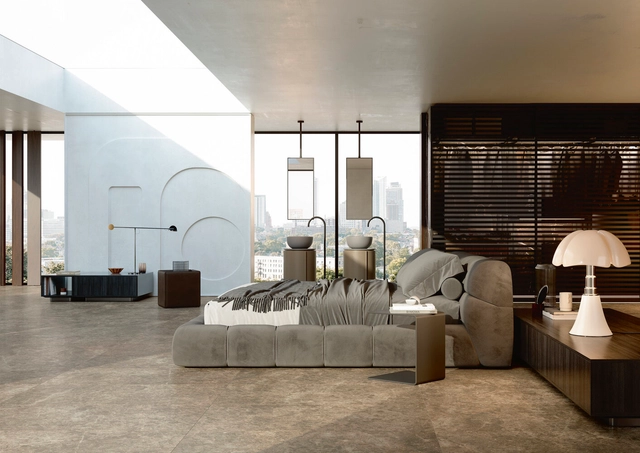
The search for the fundamental particle has been driving curious minds for much longer than we imagine. Leucippus and Democritus, Greek philosophers from the 5th century B.C., were the first to propose that the entire universe was made up of particles called atoms, indivisible and colliding against each other in an infinite void. Since then much has been studied about how dynamics actually take place at the atomic level (neutrons, protons and electrons), and there is still much to be discovered. Understanding the Higgs boson, for example, may even lead to a new understanding of the origin of the universe and life, since it can explain how elementary particles have mass. Moving from atomic abstraction to the world as we know it is a fascinating thing. It was this plunge into the particle –the smallest known part of the universe– which inspired the new collection by the Italian company Fiandre Architectural Surfaces, which produces ceramic pieces for spaces.
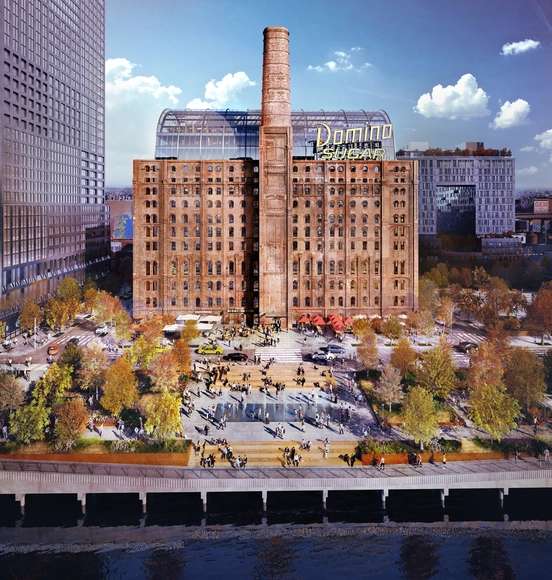
Domino Refinery. Image Courtesy of Practice for Architecture and Urbanism (PAU)
Adaam James Levin-Areddy and Vanessa M. Quirk, the hosts and producers of the Uncertain Things podcast, interview people from diverse backgrounds and a wide range of expertise to ask the question: “now what? What is happening and how did we get here?”. In this episode, they talk with urbanist, architect, and professor Vishaan Chakrabarti, founder of Practice for Architecture and Urbanism, to seek to understand how the cities got so expensive. Together they delve into the affordability crisis, the detrimental effect of progress, and what we need to do to have better cities.
Videos
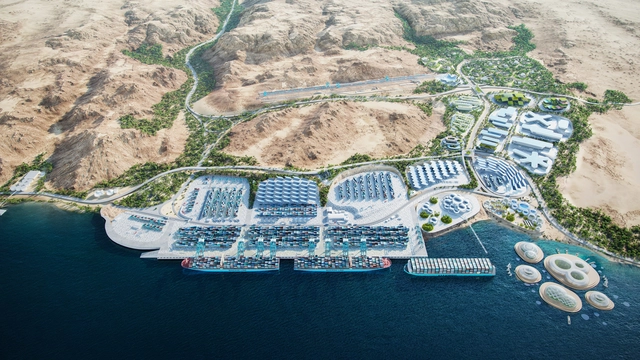
Courtesy of BIG – Image by Ping-Pong Visualization
BIG – Bjarke Ingels Group supports APM Terminals and Maersk in reimagining the shipping industry's future with a master plan for the AqabaPort Terminal in Jordan, expected by 2040. Considered one of the most strategic ports in the country and an important gateway to the Levant region, the 3 square kilometers plan will merge different strategic approaches at the regional scale, starting from the terminal refurbishment, expansion of the logistics functions, and connecting to the broader port's community and natural environment.
There was a time when buildings wanted to be mountains, roofs wanted to be forests, and pillars wanted to be trees. As the world began to go into a state of alert with the melting of glaciers and the consequent rise of Earth’s temperature, architecture – from a general perspective – was concerned with imitating the shapes of nature. Something close to human-made “ecosystems”, seen by many as allegoric and decorative, in service of marketable images of “sustainable development”.