

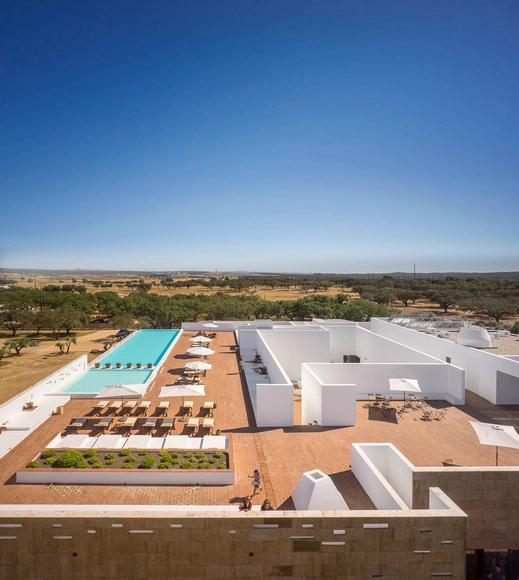
Stone
Ecork Hotel / José Carlos Cruz


https://www.archdaily.com/462513/ecork-hotel-jose-carlos-cruzRomullo Baratto
Mortuary Houses in Alhandra / Matos Gameiro Arquitectos
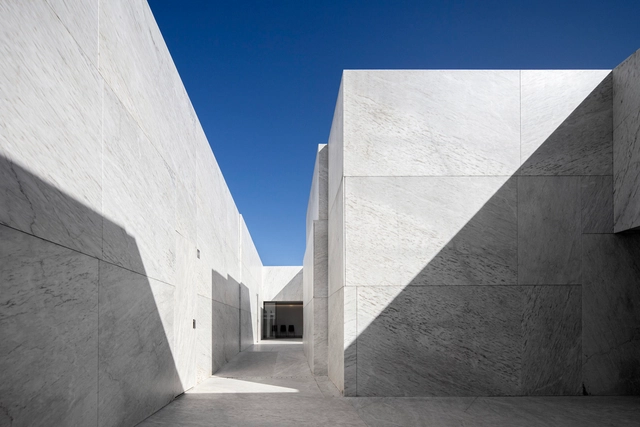

-
Architects: Matos Gameiro Arquitectos
- Year: 2008
https://www.archdaily.com/462726/mortuary-houses-in-alhandra-matos-gameiro-arquitectosRomullo Baratto
House 81 / MimANYstudio + REALarchitecture
View_from_pool.jpg?1387922354&format=webp&width=640&height=580)
View_Back_House.jpg?1387922313 "© Qa")
Kitchen.jpg?1387922388 "© Qa")
Living_2.jpg?1387922405 "© Qa")
Master_Bath_Room_2.jpg?1387922420 "© Qa")
View_from_pool.jpg?1387922354)
-
Architects: MimANYstudio, REALarchitecture
- Area: 415 m²
- Year: 2013
-
Manufacturers: Innowood
-
Professionals: Kien Long Construction, S&K Construction Design Consultancy
https://www.archdaily.com/462319/fuschia-villa-mimanystudio-realarchitectureDaniel Sánchez

Olaya House / David Ramírez Arquitectos
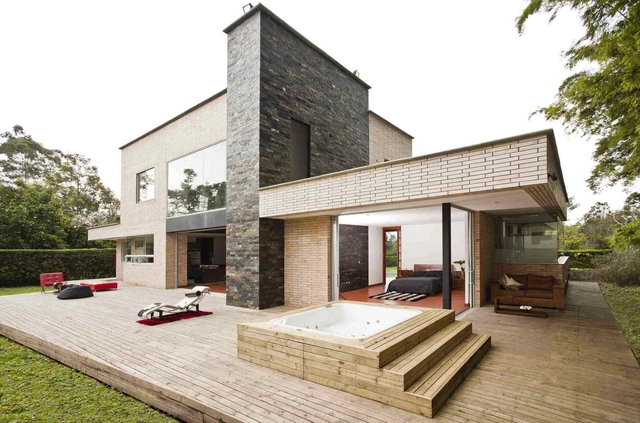

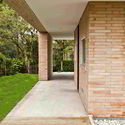

-
Architects: David Ramírez Arquitectos
- Area: 430 m²
- Year: 2011
-
Manufacturers: Calorcol, Conmarmoles, Inmunizar, Ladrillera San Cristobal
https://www.archdaily.com/461799/olaya-house-david-ramirezIgor Fracalossi
Cruces Hospital General Services Building / ACXT






https://www.archdaily.com/461376/cruces-hospital-general-services-building-acxtCristian Aguilar
Point King Residence / HASSELL
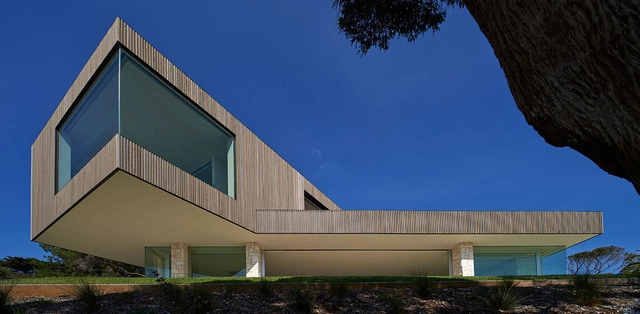
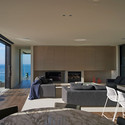
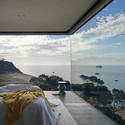

https://www.archdaily.com/461291/point-king-residence-hassellKaren Valenzuela
Stonehenge Visitor Centre / Denton Corker Marshall
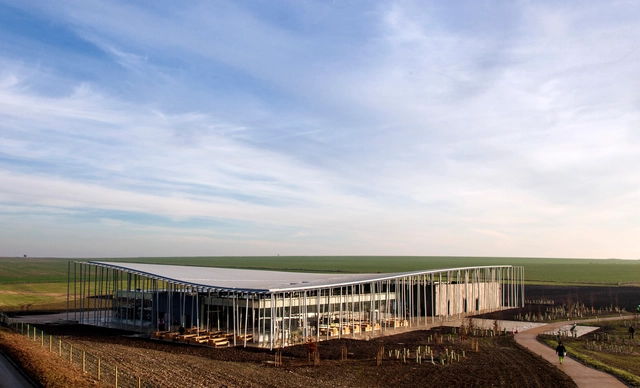

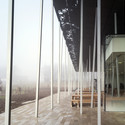


-
Architects: Denton Corker Marshall
- Year: 2013
-
Manufacturers: Goppion, The Splash Lab, Kinley, NORclad, VMZINC
-
Professionals: Chris Blandford Associates, Firmingers, Gardiner & Theobald, Vinci, Norman Disney & Young, +1
https://www.archdaily.com/461242/stonehenge-visitor-centre-denton-corker-marshallCristian Aguilar
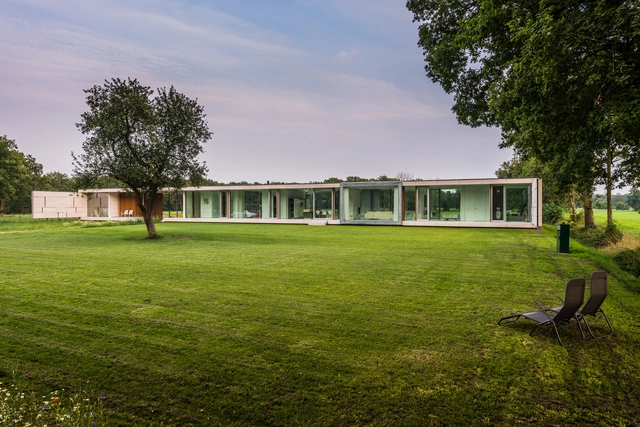
Villa Sterk / INBO

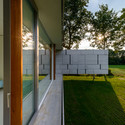

https://www.archdaily.com/460669/villa-sterk-inboKaren Valenzuela
Conversion of Castel Mirabel in Olgiasca / Met architektur
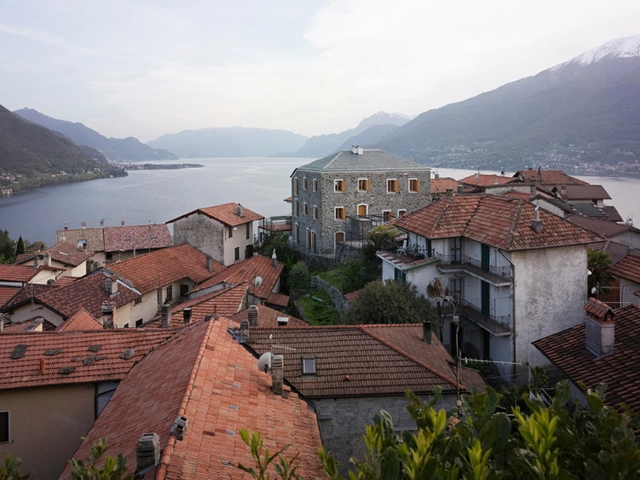

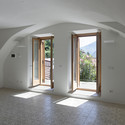

https://www.archdaily.com/460595/conversion-of-castel-mirabel-in-olgiasca-met-architekturCristian Aguilar
Grizedale / Sutherland Hussey Architects


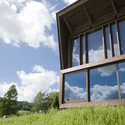
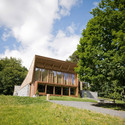
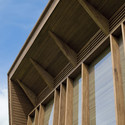

-
Architects: Sutherland Hussey Architects
- Year: 2008
-
Professionals: Burgess Roughton, Johnstons, David Eley Associates, Conlon
https://www.archdaily.com/458639/grizedale-sutherland-hussey-architectsCristian Aguilar
Panteón Familiar / Ecoproyecta

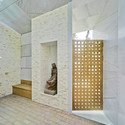
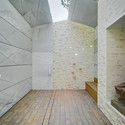
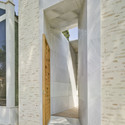
https://www.archdaily.com/459432/panteon-familiar-ecoproyectaDaniel Sánchez
Single Family House / Irisarri Piñera Arquitectos
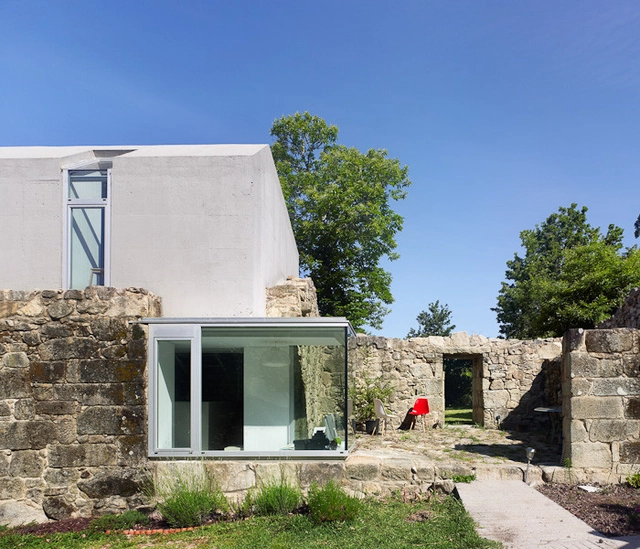

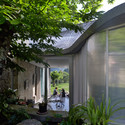
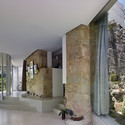
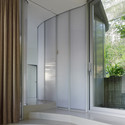

-
Architects: Irisarri Piñera Arquitectos
- Area: 290 m²
- Year: 2011
https://www.archdaily.com/458431/single-family-house-irisarri-pinera-arquitectosDaniel Sánchez


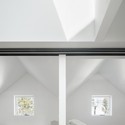
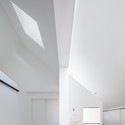
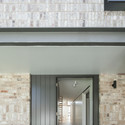

Sports Hall and Public Square in Krk / Turato Architects

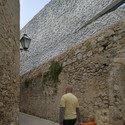
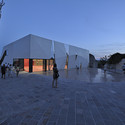
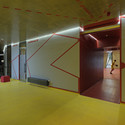
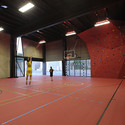

-
Architects: Turato Architects
- Area: 1020 m²
- Year: 2013
-
Professionals: GP Krk
https://www.archdaily.com/456720/sports-hall-and-public-square-in-krk-turato-architectsDaniel Sánchez
House Ampudrán / b720 Fermín Vázquez Arquitectos
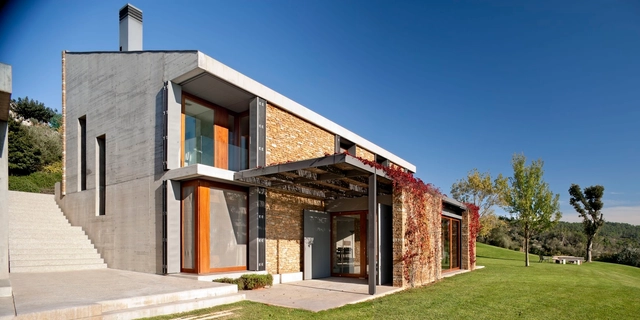


https://www.archdaily.com/453755/house-ampudran-b720-fermin-vazquez-arquitectosDaniel Sánchez
CL House / ADI Arquitectura
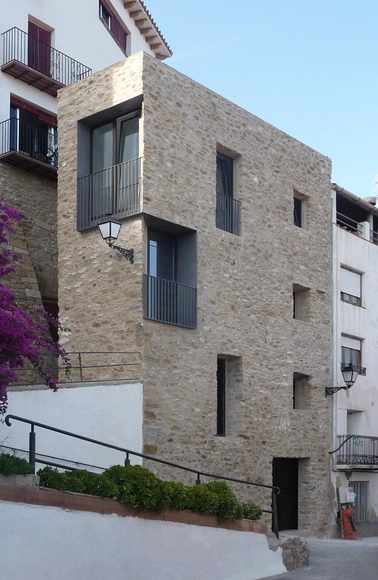
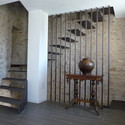
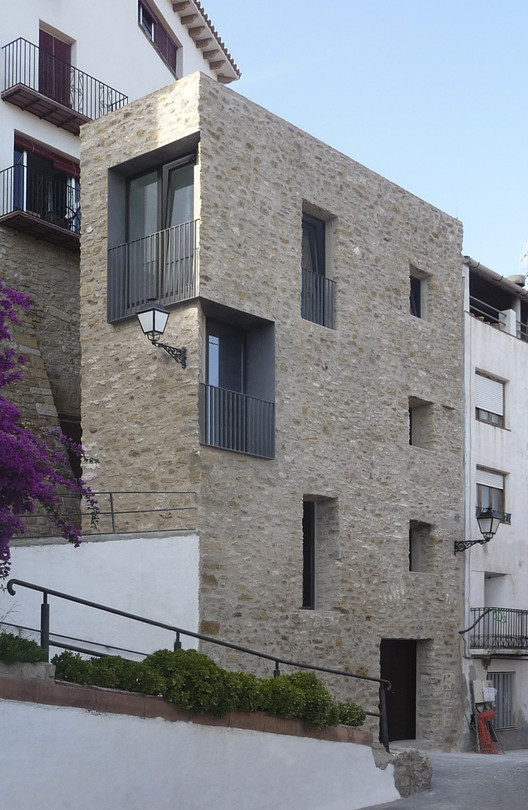
-
Architects: ADI Arquitectura
- Year: 2010
https://www.archdaily.com/454181/cl-house-adi-arquitecturaDaniel Sánchez
Foster and Heatherwick Collaborate to Design Shanghai Finance Center
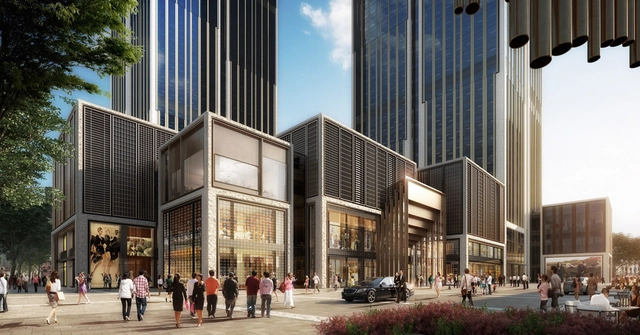
Foster + Partners has joined forces with Heatherwick Studio to design the new Bund Finance Centre (BFC) in the heart of historic Shanghai. The mixed-use, waterfront destination will serve as the “end point” to the city’s most famous street, as well as a prime connection between the old town, the Bund, and the new financial district.
https://www.archdaily.com/454741/foster-and-heatherwick-collaborate-to-design-shanghai-finance-centerKarissa Rosenfield
House in the Hills / Architectare

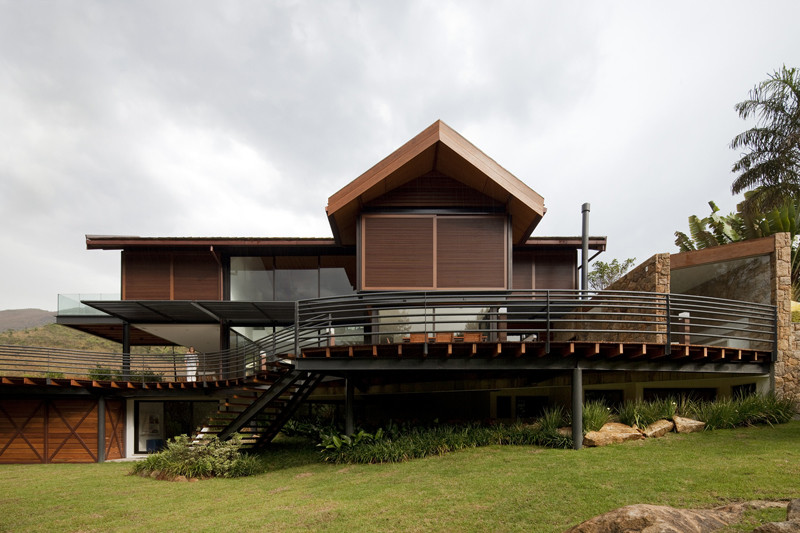
https://www.archdaily.com/453482/house-in-the-hills-architectareVictor Delaqua