1. ArchDaily
  2. Water Infrastructure

Water Infrastructure: The Latest Architecture and News

Subscriber Access

Concéntrico 2025: The Politics of Urban Presence

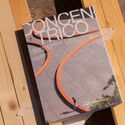
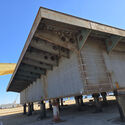
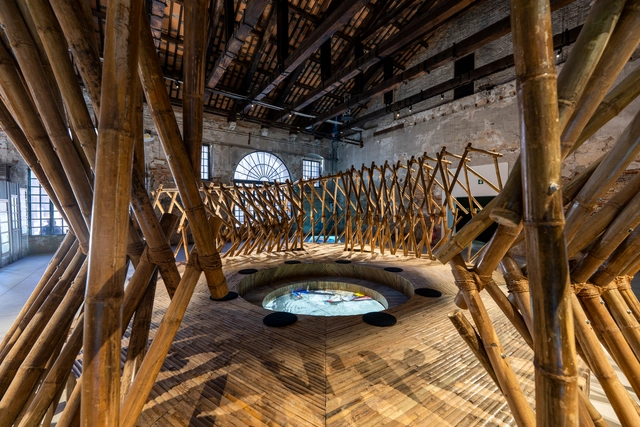
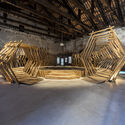
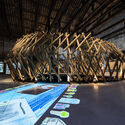
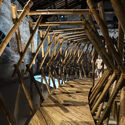
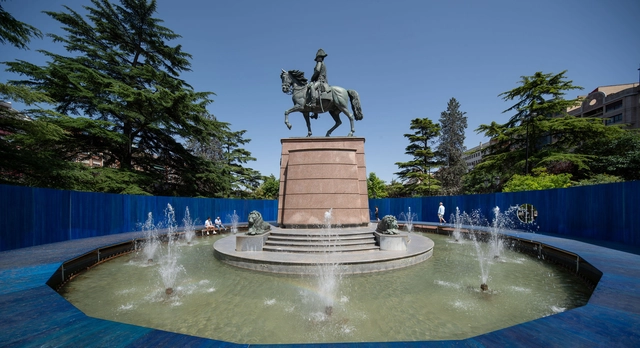
Every June, the Spanish city of Logroño transforms into a space of architectural dialogue, opening its streets, plazas, riverbanks, and traffic islands to temporary structures that redefine how cities are inhabited. For ten editions, Concéntrico has worked not as a specialized fair or an architecture biennale, but as a portable museum — a curatorial gesture that brings a dispersed collection of contemporary architecture into public space. Set in a city suspended between arid plains and distant mountains, far from the circuits of capital cities and cultural institutions, Concéntrico presents itself as a temporary promise. It's a reminder that even cities that are often overlooked can host architecture that is current, diverse, and speculative. In this sense, the festival is less about celebration and more about activation.

But beyond its curatorial logic, Concéntrico operates as a political structure. In the ancient sense of polis, it invites citizens, architects, and institutions to reassess what public space can be. The interventions offer speculative proposals for urban life that reveal what is missing, what is possible, and what should be questioned. A temporary pool over a fountain, a bathhouse in a roundabout, or a shared meal on a major avenue are not just spatial gestures — they are political statements, asking how urban infrastructure might be redirected from control to care, from efficiency to encounter. In that way, the festival becomes not just a reflection of the city, but an instrument for its transformation.

Concéntrico 2025: The Politics of Urban Presence - Image 1 of 4Concéntrico 2025: The Politics of Urban Presence - Image 2 of 4Concéntrico 2025: The Politics of Urban Presence - Image 3 of 4Concéntrico 2025: The Politics of Urban Presence - Image 4 of 4Concéntrico 2025: The Politics of Urban Presence - More Images+ 58

NYC’s First River-Based, Water-Filtering Pool Takes Shape at Pier 35

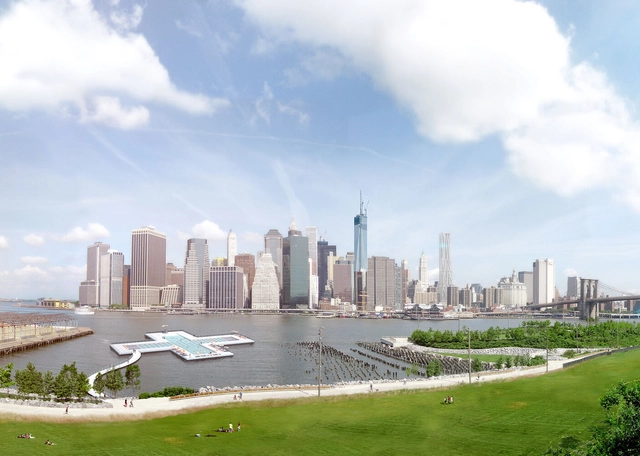
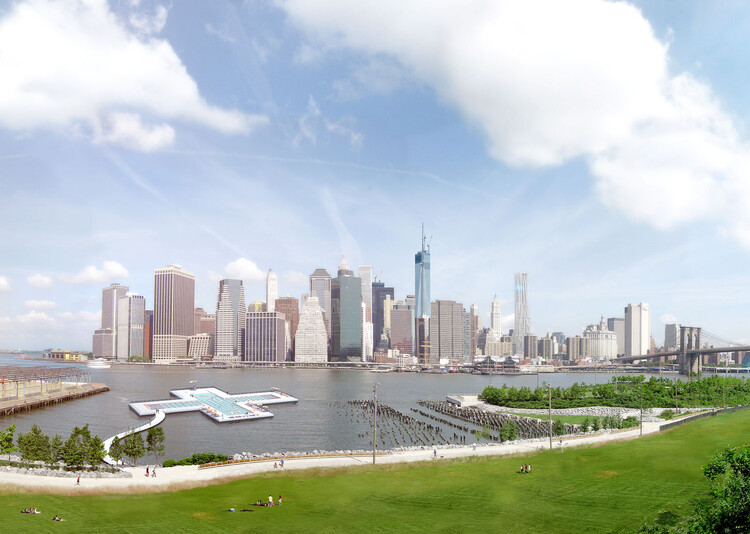
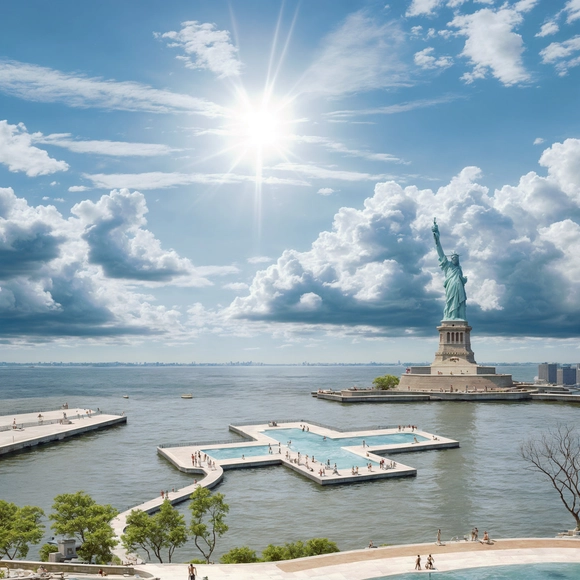
Friends of + POOL has announced the next steps in the realization of New York City's first water-filtering floating swimming pool, to be installed at Pier 35, north of the Manhattan and Brooklyn Bridges. The project seeks to provide safe public access to swimming in the city's rivers by integrating a custom-designed filtration system into a floating pool structure. Installation at Pier 35 is scheduled for May 2026, when the pool will enter its final phase of evaluation. Public access will be contingent on the successful completion of large-scale filtration testing and the full build-out of the facility for safe public use.

NYC’s First River-Based, Water-Filtering Pool Takes Shape at Pier 35 - Image 1 of 4NYC’s First River-Based, Water-Filtering Pool Takes Shape at Pier 35 - Image 2 of 4NYC’s First River-Based, Water-Filtering Pool Takes Shape at Pier 35 - Image 3 of 4NYC’s First River-Based, Water-Filtering Pool Takes Shape at Pier 35 - Image 4 of 4NYC’s First River-Based, Water-Filtering Pool Takes Shape at Pier 35 - More Images+ 4

MAST Reveals Floating Neighborhood Design for Rotterdam’s Disused Spoorweghaven Dock

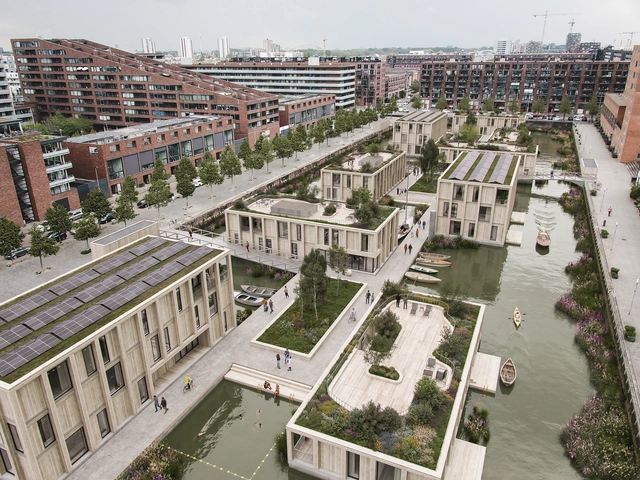
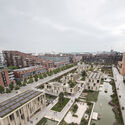
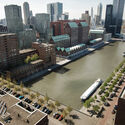
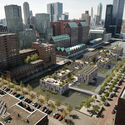
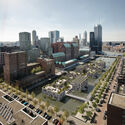
Danish maritime architecture studio MAST, in collaboration with construction company BIK Bouw, has designed a new floating community for the disused Spoorweghaven dock in Rotterdam, Netherlands. The proposed neighborhood, which has received initial support from the Municipality of Rotterdam, includes over 100 apartments, public spaces, commercial units, and a recreational harbor near the city center. Floating architecture is MAST's response to the Netherlands' housing crisis, offering a modular, adaptable solution for building a wide range of structures on water.

MAST Reveals Floating Neighborhood Design for Rotterdam’s Disused Spoorweghaven Dock - Imagen 1 de 4MAST Reveals Floating Neighborhood Design for Rotterdam’s Disused Spoorweghaven Dock - Imagen 4 de 4MAST Reveals Floating Neighborhood Design for Rotterdam’s Disused Spoorweghaven Dock - Imagen 2 de 4MAST Reveals Floating Neighborhood Design for Rotterdam’s Disused Spoorweghaven Dock - Imagen 3 de 4MAST Reveals Floating Neighborhood Design for Rotterdam’s Disused Spoorweghaven Dock - More Images+ 10

Subscriber Access

The Impact of Wildfires on Building Codes: Reflections on the Recent Los Angeles Fires

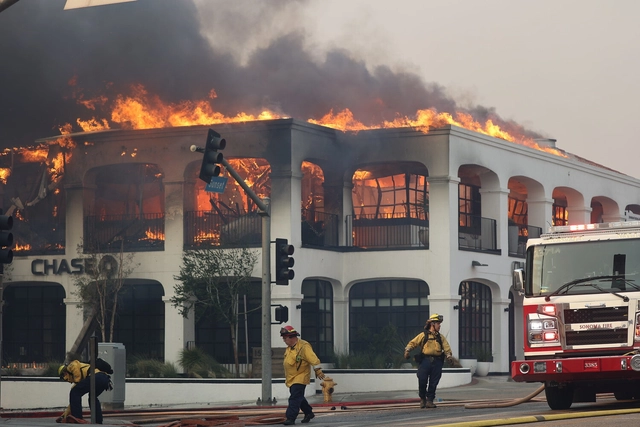
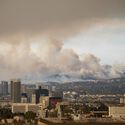
It has been nearly three weeks since one of California's most devastating wildfires began, triggering an immense effort to combat the blaze and mitigate further damage. As firefighters work to contain the remaining flames, the city braces for its first significant winter rainfall, raising concerns about flooding and landslides that may exacerbate the already extensive destruction.

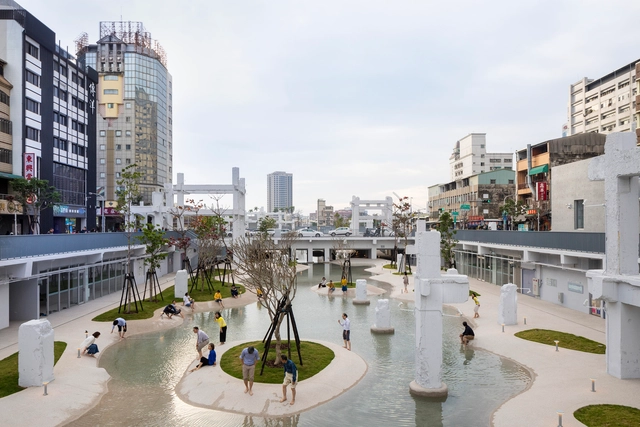
Amid these challenges, the wildfire has spurred widespread reflection at local and global levels. Discussions have emerged on topics such as the insurance system, firefighting infrastructure, water resources, global warming's role in high-wind fire conditions, and the impact of landscape design, particularly the use of non-native vegetation.
The Impact of Wildfires on Building Codes: Reflections on the Recent Los Angeles Fires - Image 1 of 4The Impact of Wildfires on Building Codes: Reflections on the Recent Los Angeles Fires - Image 2 of 4The Impact of Wildfires on Building Codes: Reflections on the Recent Los Angeles Fires - Image 3 of 4The Impact of Wildfires on Building Codes: Reflections on the Recent Los Angeles Fires - Image 4 of 4The Impact of Wildfires on Building Codes: Reflections on the Recent Los Angeles Fires - More Images+ 3

Water is Coming: DAC Opens Exhibition on Adapting to a Changing World

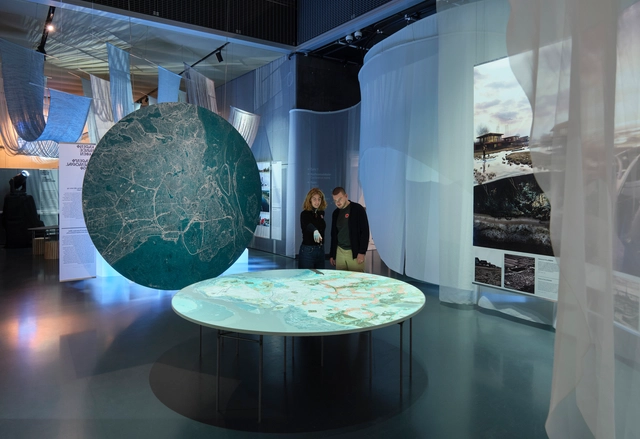
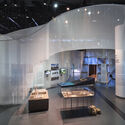
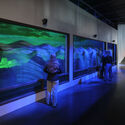
The Danish Architecture Center (DAC) will open its new exhibition, "Water is Coming" in October 2024, remaining open until March 12, 2025. The exhibition addresses the escalating global water crisis, prompted by melting polar ice, rising groundwater levels, and increasingly frequent and intense flooding. It acknowledges the reality of rising sea levels and extreme weather events, shifting the focus from mitigation to adaptation. The exhibition aims to foster a deeper understanding of our complex relationship with water, exploring its vital role as both a life-giving resource and a potential threat to human settlements.

Water is Coming: DAC Opens Exhibition on Adapting to a Changing World - Imagen 1 de 4Water is Coming: DAC Opens Exhibition on Adapting to a Changing World - Imagen 2 de 4Water is Coming: DAC Opens Exhibition on Adapting to a Changing World - Imagen 3 de 4Water is Coming: DAC Opens Exhibition on Adapting to a Changing World - Imagen 4 de 4Water is Coming: DAC Opens Exhibition on Adapting to a Changing World - More Images+ 15

Re-Naturalization of Urban Waterways: The Case Study of Cheonggye Stream in Seoul, South Korea

Audio available

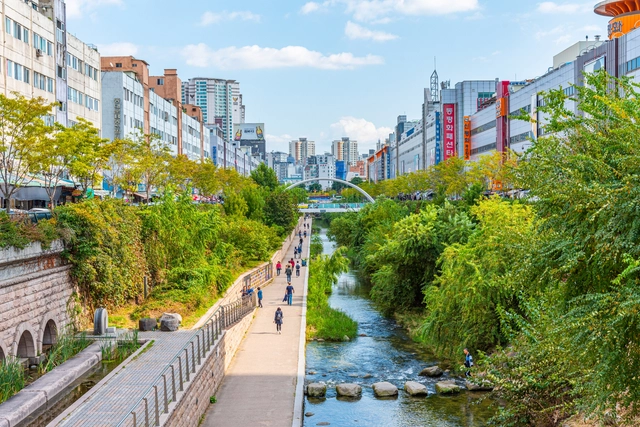
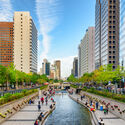
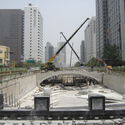
Cheongye Stream, known as Cheonggyecheon (청계천) in Korean, runs eastward through the heart of Seoul, passing through 13 neighborhoods in four districts of the capital of South Korea. Throughout its history, the stream played different roles in the city until it was covered by an elevated highway in the 1970s. For over 30 years, this natural artery remained hidden. It was not until 2003 that the city government launched a restoration project to reintegrate this urban waterway into the city fabric, revitalize the local economy, and revive the area's history and culture. The revitalization efforts were led by Mikyoung Kim Design. Since the project's completion in 2005, it quickly became one of Seoul's most visited tourist attractions. Moreover, it has become a focal point for ample urban research, with many studies offering positive assessments of the impact it had on Seoul's urban, economic, and ecological context.

Re-Naturalization of Urban Waterways: The Case Study of Cheonggye Stream in Seoul, South Korea - Image 1 of 4Re-Naturalization of Urban Waterways: The Case Study of Cheonggye Stream in Seoul, South Korea - Image 2 of 4Re-Naturalization of Urban Waterways: The Case Study of Cheonggye Stream in Seoul, South Korea - Image 3 of 4Re-Naturalization of Urban Waterways: The Case Study of Cheonggye Stream in Seoul, South Korea - Image 4 of 4Re-Naturalization of Urban Waterways: The Case Study of Cheonggye Stream in Seoul, South Korea - More Images+ 6

Revitalizing Urban Ecosystems: 4 Projects Reconnecting Cities with Their Water Heritage

Water architecture has always been important throughout human history. From the aqueducts in ancient Rome to the grand canals of Venice, water has not only sustained life but also played an important role in shaping the urban environment. It has facilitated trade, nourished agricultural lands, and provided a sense of place and identity to different communities. Despite water's historical role, during the 20th century, many cities chose to bury their waterways underground, primarily for safety and hygiene reasons, as these channels often served as open sewers.

In today's rapidly urbanizing world, where cities dominate the landscape, water is being rediscovered as a means of ecological regeneration. There is a growing movement to reopen and re-naturalize urban waterways to restore them as vital ecological corridors within the city. More and more cities are now looking towards the water in an attempt to reconnect with nature and create spaces where urban life and natural ecosystems can coexist harmoniously. This growing trend reflects a deeper understanding of water not just as a resource, but as a bridge to a more sustainable and resilient future for our cities.

Revitalizing Urban Ecosystems: 4 Projects Reconnecting Cities with Their Water Heritage - Imagen 1 de 4Revitalizing Urban Ecosystems: 4 Projects Reconnecting Cities with Their Water Heritage - Imagen 2 de 4Revitalizing Urban Ecosystems: 4 Projects Reconnecting Cities with Their Water Heritage - Imagen 3 de 4Revitalizing Urban Ecosystems: 4 Projects Reconnecting Cities with Their Water Heritage - Imagen 4 de 4Revitalizing Urban Ecosystems: 4 Projects Reconnecting Cities with Their Water Heritage - More Images

The Intersection of Infrastructure and Community: In Conversation with Holcim Award Winner Juan Carlos Cano

© ArchDaily

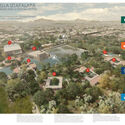
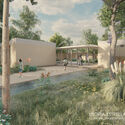
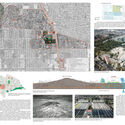
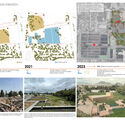
Located in Mexico City, the municipality of Iztapalapa has some of the most densely populated areas within the metropole. Serving a population of 1,800,000 people, many of them with lower incomes, the municipality struggles to provide sufficient public spaces and amenities. In an effort to correct this, the administration set out to take underutilized and abandoned plots of land and transform them for public use. Utopia Estrella is one of these initiatives. Located near Mexico City’s largest water treatment plant, the project combines a socially engaging architectural program with a pedagogical approach to the role of water infrastructures in the larger ecosystem. Designed by Cano Vera Arquitectura, the project has been recognized as the Gold Prize Winner of the Holcim Awards 2023 for Latin America. In a video interview for ArchDaily, Juan Carlos Cano of Cano Vera Arquitectura discusses the impact of this project, its goals, and the unique conditions that led to its development.

The Intersection of Infrastructure and Community: In Conversation with Holcim Award Winner Juan Carlos Cano - Image 1 of 4The Intersection of Infrastructure and Community: In Conversation with Holcim Award Winner Juan Carlos Cano - Image 2 of 4The Intersection of Infrastructure and Community: In Conversation with Holcim Award Winner Juan Carlos Cano - Image 3 of 4The Intersection of Infrastructure and Community: In Conversation with Holcim Award Winner Juan Carlos Cano - Image 4 of 4The Intersection of Infrastructure and Community: In Conversation with Holcim Award Winner Juan Carlos Cano - More Images+ 3

Carlo Ratti Associati and Engineer Michel Virlogeux Propose a Replacement for the Collapsed Baltimore Bridge

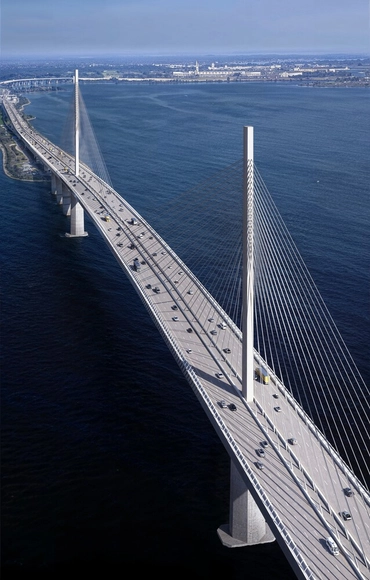
Following the collapse of the Francis Scott Key Bridge in Baltimore, Maryland, construction group WeBuild, in collaboration with design office CRA-Carlo Ratti Associati and engineer Michel Virlogeux, has revealed an updated design for a replacement bridge. The new cable-stayed design aims to redefine the entrance to the Baltimore Harbor and offer an improved version of this symbol of the city.

Carlo Ratti Associati and Engineer Michel Virlogeux Propose a Replacement for the Collapsed Baltimore Bridge - Imagen 1 de 4Carlo Ratti Associati and Engineer Michel Virlogeux Propose a Replacement for the Collapsed Baltimore Bridge - Imagen 2 de 4Carlo Ratti Associati and Engineer Michel Virlogeux Propose a Replacement for the Collapsed Baltimore Bridge - Imagen 3 de 4Carlo Ratti Associati and Engineer Michel Virlogeux Propose a Replacement for the Collapsed Baltimore Bridge - Imagen 4 de 4Carlo Ratti Associati and Engineer Michel Virlogeux Propose a Replacement for the Collapsed Baltimore Bridge - More Images+ 1

MASSLAB Transforms Bragança Water Treatment Plant into Dynamic Public Space in Portugal

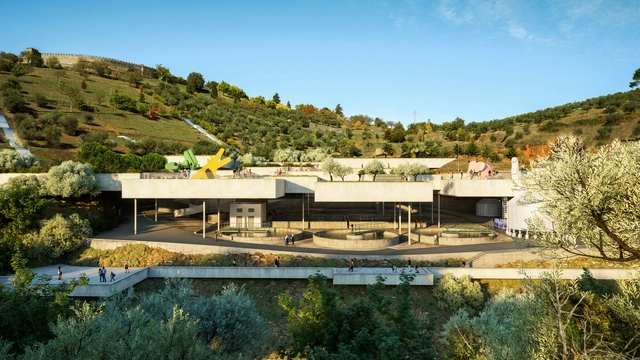
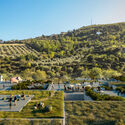
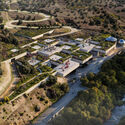
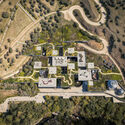
MASSLAB has just won the competition for the new roof of Bragança's Water Treatment Plant in Portugal. Integrating public use of this infrastructure, which until now only serves a functional purpose, the project showcases adding value to existing infrastructure by rethinking them. Blending architecture, landscaping, and urban design to transform this structure into a vibrant public space, MASSLAB seeks to change the perception of water treatment facilities in urban settings. By reimagining the roof as a livable infrastructure, the project transforms the purely functional roof into an engaging and integral part of the urban fabric.

MASSLAB Transforms Bragança Water Treatment Plant into Dynamic Public Space in Portugal - Image 1 of 4MASSLAB Transforms Bragança Water Treatment Plant into Dynamic Public Space in Portugal - Image 2 of 4MASSLAB Transforms Bragança Water Treatment Plant into Dynamic Public Space in Portugal - Image 3 of 4MASSLAB Transforms Bragança Water Treatment Plant into Dynamic Public Space in Portugal - Image 4 of 4MASSLAB Transforms Bragança Water Treatment Plant into Dynamic Public Space in Portugal - More Images+ 3

Subscriber Access

How Can Cities Cool down Large Urban Car Parks?

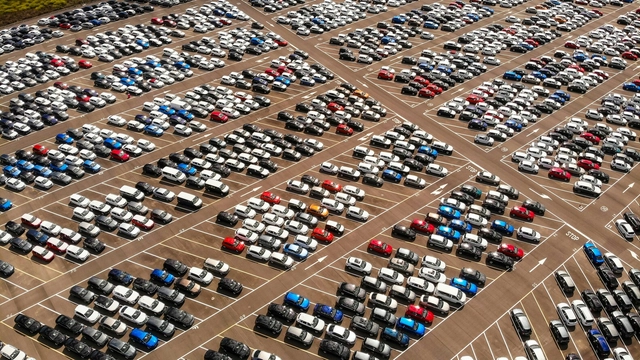
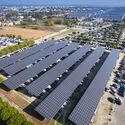
The urban heat island effect occurs when pavements, roads, and buildings absorb the sun's heat and radiate it back, causing the temperature to increase and preventing the city from cooling down. With the growing reliance on cars in cities, the number of urban car park spaces is also increasing to accommodate buildings. This has resulted in the conversion of large areas of pervious land covered with vegetation into impervious hard surfaces for more car parks. The use of materials like asphalt, combined with the lack of shade, reflective steel surfaces of parked cars, and loss of greenery in these extensive car parks, contributes to the amplification of high-temperature effects and extreme heat events, making urban spaces uncomfortable. This transformation is impacting the climate of car-dependent regions and calls for collaborative ideas and efforts to mitigate the negative effects of rising heat.
How Can Cities Cool down Large Urban Car Parks? - Imagen 1 de 4How Can Cities Cool down Large Urban Car Parks? - Imagen 2 de 4How Can Cities Cool down Large Urban Car Parks? - Imagen 3 de 4How Can Cities Cool down Large Urban Car Parks? - Imagen 4 de 4How Can Cities Cool down Large Urban Car Parks? - More Images+ 3

First-Ever +POOL to Open in New York City This Summer, with Plans to Expand Swimming Access across the State

New York Governor Hochul has announced a partnership with the nonprofit Friends of + POOL to open the first urban river-sourced swimming facility in the United States. Utilizing + POOL’s design and technology, the 2,000-square-foot plus-shaped swimming pool is set to open in New York City’s East River in the summer of 2024. In 2010, four young designers, Archie Lee Coates IV, Dong-Ping Wong, Jeffrey Franklin, and Oana Stanescu, established + POOL with the goal of providing New Yorkers with access to free and safe river swimming. Now the state promised to invest $16 million to pilot and scale the system, hoping to expand it across the state of New York.

First-Ever +POOL to Open in New York City This Summer, with Plans to Expand Swimming Access across the State - 1 的图像 4First-Ever +POOL to Open in New York City This Summer, with Plans to Expand Swimming Access across the State - 2 的图像 4First-Ever +POOL to Open in New York City This Summer, with Plans to Expand Swimming Access across the State - 3 的图像 4First-Ever +POOL to Open in New York City This Summer, with Plans to Expand Swimming Access across the State - 4 的图像 4First-Ever +POOL to Open in New York City This Summer, with Plans to Expand Swimming Access across the State - More Images+ 8

Building Resilience: A Closer Look at 2023's Response to Disaster Challenges

As we reflect on the tumultuous events of 2023, it becomes evident that the challenges posed by changing environmental conditions have left an indelible mark on communities worldwide. In response, architects and urban planners have set out, searching for the ways in which their actions can help create safer environments for communities worldwide, responding with both fast-to-deploy emergency architectures and long-term strategies to build resilience and mitigate risks.

Beyond merely responding to events like the devastating earthquakes in Turkey, Syria, and Morocco, or the widespread flooding in Libya or Pakistan, professionals are attempting to take proactive approaches, developing strategies that extend from predictive modeling to the application of re-naturalizing techniques or the ongoing research into the physics of safer and resilient structures.

Building Resilience: A Closer Look at 2023's Response to Disaster Challenges - Image 1 of 4Building Resilience: A Closer Look at 2023's Response to Disaster Challenges - Image 2 of 4Building Resilience: A Closer Look at 2023's Response to Disaster Challenges - Image 3 of 4Building Resilience: A Closer Look at 2023's Response to Disaster Challenges - Image 4 of 4Building Resilience: A Closer Look at 2023's Response to Disaster Challenges - More Images+ 15

The Philippines Pavilion Employs Urban Acupuncture to Address the Flawed Ecology of Manila at the 2023 Venice Architecture Biennale

At the 18th International Architecture Exhibition of La Biennale di Venezia, The Philippines Pavilion presents an exhibition that investigates the ecology and social implication of the Tripa de Gallina estuary in Manila. The body of water, once a mechanism for flood mitigation, has now become congested and polluted, affecting the lives of the nearby communities. The Pavilion aims to present the initiative that set out to gather and investigate the guts of the estuary and to work with the residents to find adequate and sustainable architectural solutions. Titled “Tripa de Gallina: Guts of Estuary,” the exhibition in Venice is co-curated by Architect Choie Funk and Sam Domingo and presents the work of the Architecture Collective, represented by Bien Alvarez, Matthew Gan, Ar. Lyle La Madrid, Noel Narciso and Arnold Rañada.

The Philippines Pavilion Employs Urban Acupuncture to Address the Flawed Ecology of Manila at the 2023 Venice Architecture Biennale - 1 的图像 4The Philippines Pavilion Employs Urban Acupuncture to Address the Flawed Ecology of Manila at the 2023 Venice Architecture Biennale - 2 的图像 4The Philippines Pavilion Employs Urban Acupuncture to Address the Flawed Ecology of Manila at the 2023 Venice Architecture Biennale - 3 的图像 4The Philippines Pavilion Employs Urban Acupuncture to Address the Flawed Ecology of Manila at the 2023 Venice Architecture Biennale - 4 的图像 4The Philippines Pavilion Employs Urban Acupuncture to Address the Flawed Ecology of Manila at the 2023 Venice Architecture Biennale - More Images+ 12

Subscriber Access

Modern Aquatic Architecture: 5 Homes Around the World that Make the Case for Living on Water

Following findings from a study published in the Nature Ecology & Evolution journal this April, it has become public knowledge that the phenomenon dubbed the Great Pacific Garbage Patch (an area of 620,000 square miles between California and Hawaii) is serving as host to an entire coastal ecosystem. Marine wildlife is using the massive area compiled of human plastic waste as a floating habitat, and scientists are shocked at the number of species that have managed to establish life in this otherwise hostile environment.

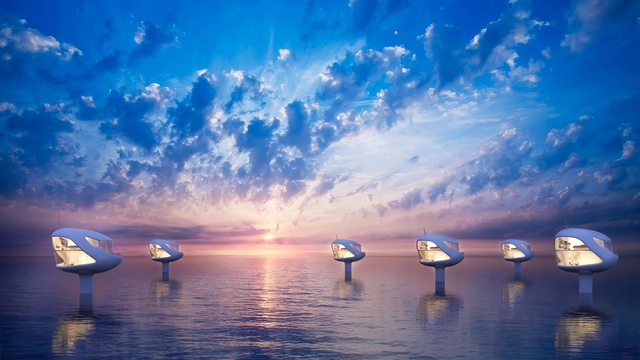
The news once again brings into sharp focus not only pressing issues of climate change and ocean pollution but also the question of environmentally-induced migration, even at a microbial level. Architecture is moving into more and more experimental realms when it comes to considering locations for the communities of our future – and rising sea levels have promoted water to the top of the list. But these deliberations are not as recent as one might think: floating cities have been around for centuries and individual homes on water are common in areas of Benin, Peru or Iraq, among others.

Modern Aquatic Architecture: 5 Homes Around the World that Make the Case for Living on Water - Image 1 of 4Modern Aquatic Architecture: 5 Homes Around the World that Make the Case for Living on Water - Image 2 of 4Modern Aquatic Architecture: 5 Homes Around the World that Make the Case for Living on Water - Image 3 of 4Modern Aquatic Architecture: 5 Homes Around the World that Make the Case for Living on Water - Image 4 of 4Modern Aquatic Architecture: 5 Homes Around the World that Make the Case for Living on Water - More Images+ 7

Earth Day 2023: Cities Address Climate Challenges Through Legislation, Civic Initiatives, and Innovative Engineering Systems

Every year since its establishment in 1970, Earth Day aims to bring into focus not only the increasingly threatening effects of climate change but also highlight the effective measures and adaptation efforts that can improve the quality of our environment. This year’s event comes after a report from the United Nations’ Intergovernmental Panel on Climate Change (IPCC) in March, which presented another warning on the magnitude of changes produced by human-induced global warming and its impact on people and ecosystems. The same report does offer some hopeful prospects as well, showing that adaptation measures can build resilience, but those urgent systemwide transformations are needed to secure a net-zero future. In response to these findings, the 2023 Earth Day is focused on the theme of “Investing in Our Planet,” as an encouragement for governments, institutions, businesses, and civil society to accelerate the change. Read on to discover several citywide initiatives aligned with these objectives of building resilience and a more sustainable future through legislation, civic involvement, and innovative systems.

Earth Day 2023: Cities Address Climate Challenges Through Legislation, Civic Initiatives, and Innovative Engineering Systems - Image 1 of 4Earth Day 2023: Cities Address Climate Challenges Through Legislation, Civic Initiatives, and Innovative Engineering Systems - Image 2 of 4Earth Day 2023: Cities Address Climate Challenges Through Legislation, Civic Initiatives, and Innovative Engineering Systems - Image 3 of 4Earth Day 2023: Cities Address Climate Challenges Through Legislation, Civic Initiatives, and Innovative Engineering Systems - Image 4 of 4Earth Day 2023: Cities Address Climate Challenges Through Legislation, Civic Initiatives, and Innovative Engineering Systems - More Images+ 2

MAST Transforms a Former Quarry in Milan, Italy, into a Central Park and Floating Forest

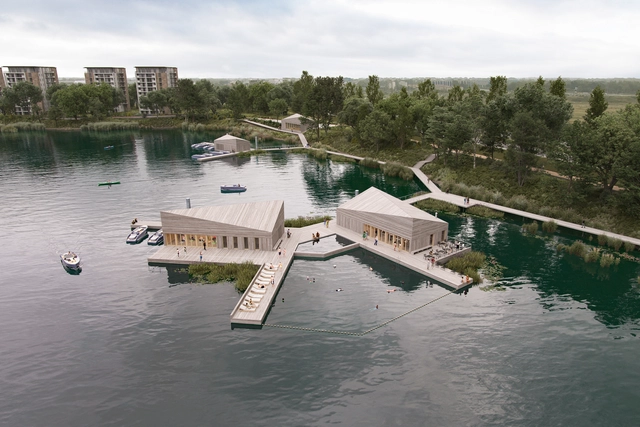
Danish Maritime Architecture Studio MAST, working together with the Municipality of Segrate, plans to transform a former sand quarry into a central park to reconnect the surrounding neighbourhoods and create a new destination for the residents of Milan, Italy. The abandoned quarry has left behind a unique landscape. The off]ice’s proposal includes a series of buildings along the lake’s perimeter linked by a public walkway and a cluster of islands in the centre of the lake. MAST is currently working with the Municipality of Segrate toward realising the project.

MAST Transforms a Former Quarry in Milan, Italy, into a Central Park and Floating Forest - Imagem 1 de 4MAST Transforms a Former Quarry in Milan, Italy, into a Central Park and Floating Forest - Imagem 2 de 4MAST Transforms a Former Quarry in Milan, Italy, into a Central Park and Floating Forest - Imagem 3 de 4MAST Transforms a Former Quarry in Milan, Italy, into a Central Park and Floating Forest - Imagem 4 de 4MAST Transforms a Former Quarry in Milan, Italy, into a Central Park and Floating Forest - More Images+ 4

Venice Canals Run Dry as Italy Faces Another Drought Alert

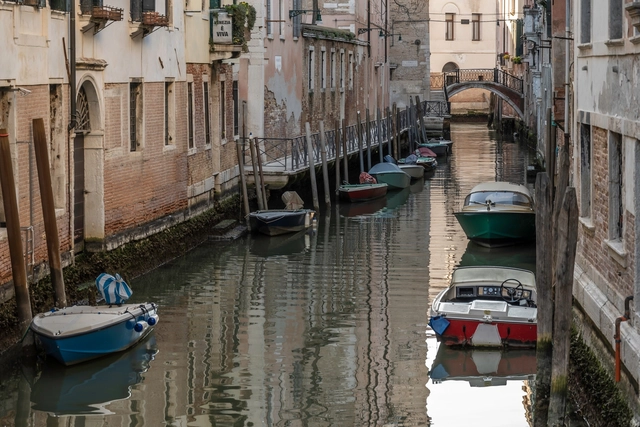
Venice, a city usually concerned with devastating floods, now faces the opposite problem: canals are starting to run dry following weeks of dry winter weather and unusually low tides. A combination of factors is believed to have caused this rare sight: lack of rain, high atmospheric pressure, and the lunar cycle producing low water levels during ebb tide. Since the canals serve as streets in the city, the phenomenon has implications beyond the disappointment of the tourists. Some of Venice’s smaller calas have dried up almost entirely, making it impossible for gondolas, water taxis, and ambulances to reach areas of the city.