1. ArchDaily
  2. Urban Planning

Urban Planning: The Latest Architecture and News

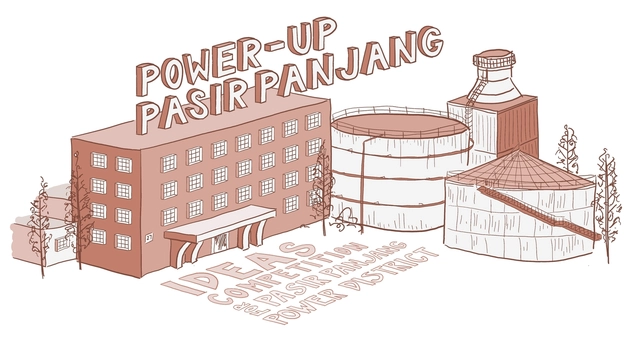
Power-Up Pasir Panjang! - Ideas Competition for the Pasir Panjang Power District

“Power-Up Pasir Panjang” – Ideas Competition for the Pasir Panjang Power District is jointly organized by the Urban Redevelopment Authority of Singapore (URA) and Singapore Land Authority (SLA). The Pasir Panjang Power District was Singapore’s powerhouse in early post-war years, supplying much-needed power to fuel Singapore’s push towards industrialization. Vacated in the 1980s, the tranquil waterfront site rich in industrial heritage has the potential to be transformed into a distinctive lifestyle destination that will see the power station buildings repurposed to house new uses, attractive and inclusive public spaces created for people of all ages to enjoy and the site’s unique heritage celebrated.

Subscriber Access

Capturing the Beauty of Singapore’s Diverse Architecture

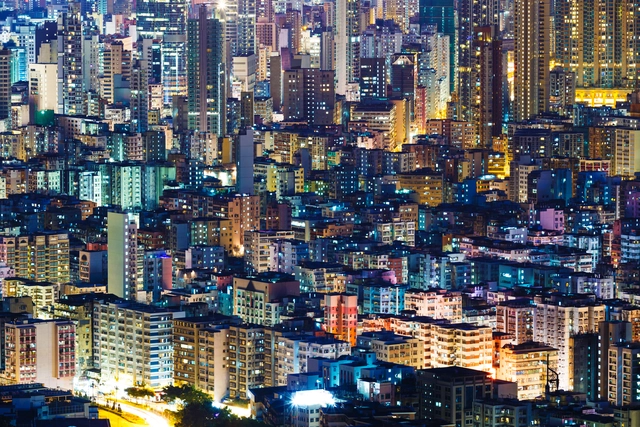
If you come to think of it, the urban development of the world's largest cities is like playing a game of Tetris; No matter how condensed or crowded, for architects, there is always room for more. However, this act of 'structural stacking' often creates unique architectural compositions.

As a follow-up to his first photo-series, Singaporean photographer and visual artist Kevin Siyuan put together 'Corridors of Diversity', a short montage of communal corridors and HDB (Housing and Development Board) block facades, featuring the dynamic designs and forms of Singapore's densely built environment.

Design Your Summer! UC Berkeley's College of Environmental Design is Now Accepting Applications

 | Sponsored Content

How do designers think? How do they visually communicate complex ideas? What strategies do they employ to make a positive impact on the built environment? How does design change the way people see and experience the world?

UIA and TSEZ Seek to Revive Niemeyer’s Abandoned Tripoli Site through International Competition

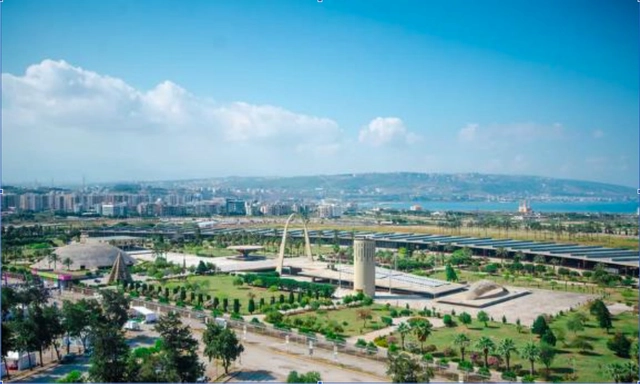
As part of Tripoli’s economic revival plan, the International Union of Architects (UIA), in collaboration with the Lebanese Federation of Engineers and Architects (on behalf of the Tripoli Special Economic Zone / TSEZ), the Union of Mediterranean Architects (UMAR), and the Lebanese Government, have launched an international architecture competition to create a Knowledge and Innovation Center in the northern city of Lebanon.

The proposed site is situated on an empty lot within Oscar Niemeyer’s abandoned Rachid Karami International Fair, a modernist exhibition complex that has yet to see the light of restoration. The objective of the competition is to create a technology and business hub which will foster and promote start-up businesses and entrepreneurs, attracting students, young graduates, local and international companies to Tripoli and the neighboring region.

UIA and TSEZ Seek to Revive Niemeyer’s Abandoned Tripoli Site through International Competition - Imagen 1 de 4UIA and TSEZ Seek to Revive Niemeyer’s Abandoned Tripoli Site through International Competition - Imagen 2 de 4UIA and TSEZ Seek to Revive Niemeyer’s Abandoned Tripoli Site through International Competition - Imagen 3 de 4UIA and TSEZ Seek to Revive Niemeyer’s Abandoned Tripoli Site through International Competition - Imagen 4 de 4UIA and TSEZ Seek to Revive Niemeyer’s Abandoned Tripoli Site through International Competition - More Images+ 7

Another Historic NYC Building Bites the Dust

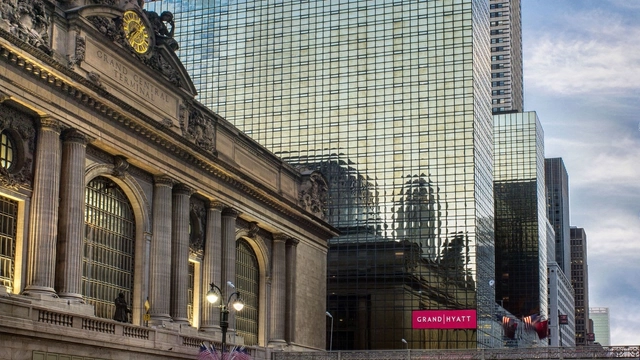
New York City has gained a reputation for its soaring towers thanks to unprecedented engineering technologies and New York’s air-rights policy, which permits developers to acquire neighboring unused airspace and construct large structures without any type of previous public review. But how are these super tall skyscrapers being accommodated? By replacing older existing structures. This out-with-the-old-in-with-the-new pattern comes as no surprise, as the “concrete jungle” is gradually being axed to make room for an even larger jungle.

Michelle Mlati's Afrofuturist Approach To Spatial Planning

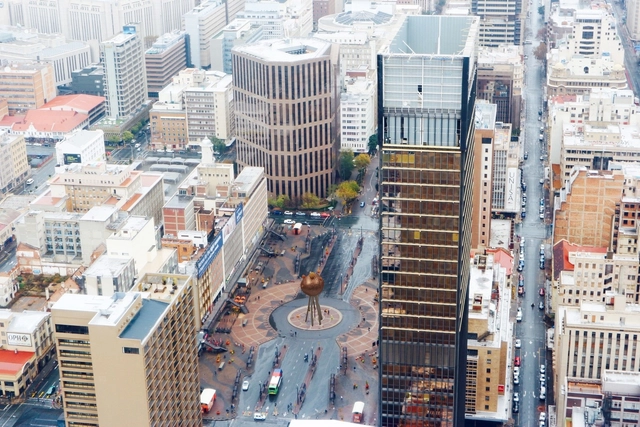
With an academic background that includes social sciences, curatorship, and architecture, Michelle Mlati's trajectory is an interesting one; more so for the way her current work dabbles in these areas simultaneously.  

Describing herself as an afrofuturist critical spatial designer, Johannesburg-based Mlati’s practice investigates elements of the city, from sustainability through to social dynamics, architecture to aural and visual cultures.

OK Google, Let’s Talk Cities. All Things Urban London Meetup @ Google

All Things Urban London Meetup @ Google will bring together some of the coolest people in town to share their passion for urban innovation. Whether you’re an urban planner or a software engineer, a circular designer or a blockchain economist, join us at this multidisciplinary event to brainstorm the future of cities and urban professions.

The Eco-Friendly Floating Cities of the Future

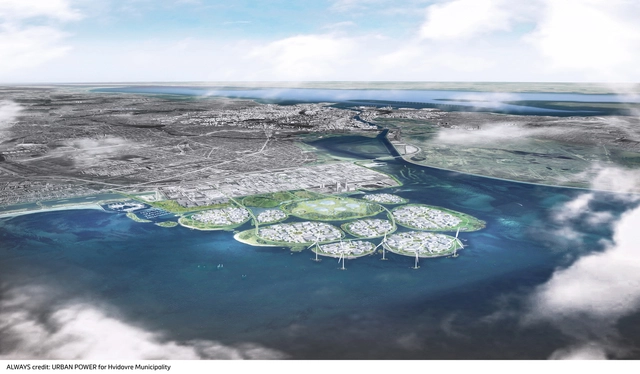
As the world population grows, designers look to develop the seas. Architecture and planning firm, URBAN POWER strategically designed nine man-made islands off the southern coast of Copenhagen to combat many of the city’s impending challenges. The islets, called Holmene, address demands for tech space, fossil-free energy production, flood barriers, and even public recreation space.

Subscriber Access

How Urban Planning Can Help Us Cope With Climate Change

Cities are hotter than surrounding areas because of a climate phenomena that is known as the urban heat island (UHI). While scientists have studied this effect for decades, new information has recently come to light that points to the way we arrange our cities as a key contributor to raised temperatures. The results could help city planners build our future cities better.

Open Call Spring School 'Borders are for Crossing'

OPEN CALL - SPRING SCHOOL
‘Borders are for Crossing’
18—25 March, 2019

Why Public Spaces are the Safest Investment for Secure Cities

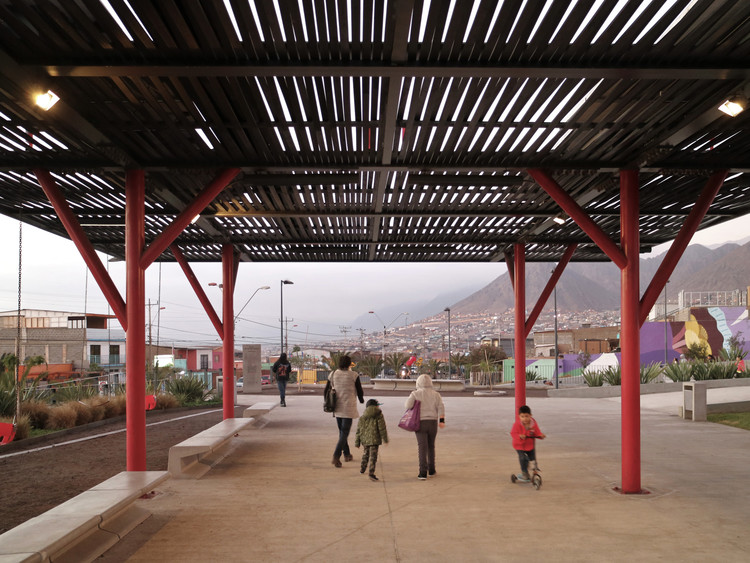
Why Public Spaces are the Safest Investment for Secure Cities - Image 1 of 4Why Public Spaces are the Safest Investment for Secure Cities - Image 2 of 4Why Public Spaces are the Safest Investment for Secure Cities - Image 3 of 4Why Public Spaces are the Safest Investment for Secure Cities - Image 4 of 4Why Public Spaces are the Safest Investment for Secure Cities - More Images+ 15

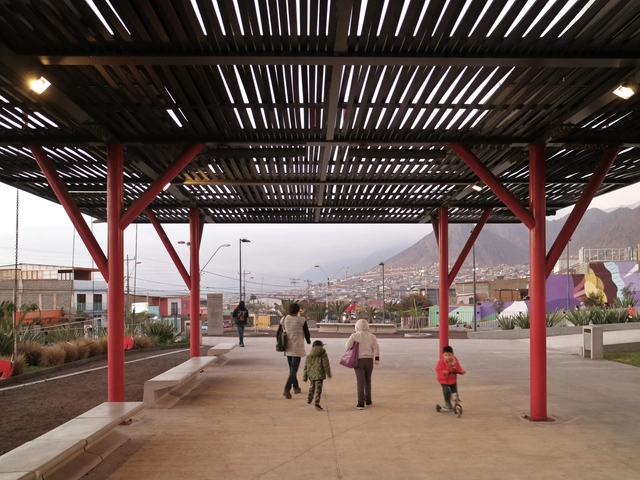
Architecture is powerful, and like nuclear energy, it all depends on how it is used. While it can create uninhabitable municipalities, it can also create safer cities that improve quality of life.

In various examples, urban design has provided a response to deteriorated or abandoned public spaces. It has shown that distribution and lighting are essential, but that it is also necessary to consider who will be using the space and how to make it an environment that generates community.

Call for Submissions - Ground Up Journal Issue 08: HOME

Ground Up, the journal of the Department of Landscape Architecture and Environmental Planning at UC Berkeley, Issue 08 seeks entries that address the idea of HOME.

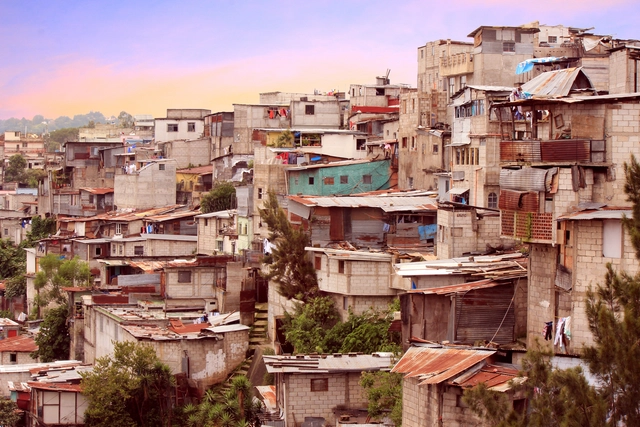
Serious Question: Should We Call Them Slums?

Slum. Shanty Town. Favela. Ghetto. Barrio Marginal. Bidonville. The list goes on. 

We have the foresight to understand and predict that demand for shelter in urban environments will continue to expand, perhaps indefinitely, but certainly until the highly-cited prediction that by 2050, more than two-thirds of the global population will live in cities. With this reality, is it time to reassess the way in which we talk about different forms of urbanization?

Subscriber Access

How Cities have Rebuilt from the Ashes

Every city has a story. Throughout history, many natural and man-made changes have altered the way cities were originally laid out. For some, the urban form developed as a result of political disputes, religious separations, or class divides. For others, a more mixed approach has allowed for uniquely mixed cultural atmospheres. And while development of cities is typically slow, occasionally cities experience dramatic and immediate changes to the urban fabric - the results of natural disaster, military conflict, or industrial catastrophe.

What happens next - if anything - can reveal a great deal about not just the city itself, but the local culture. Do cities rebuild exactly as they were? Or do they use disaster as an opportunity to reinvent themselves? The following is a roundup of cities that have moved past catastrophe to be reborn from the ashes.

How Cities have Rebuilt from the Ashes - Image 1 of 4How Cities have Rebuilt from the Ashes - Image 2 of 4How Cities have Rebuilt from the Ashes - Image 3 of 4How Cities have Rebuilt from the Ashes - Image 4 of 4How Cities have Rebuilt from the Ashes - More Images+ 37

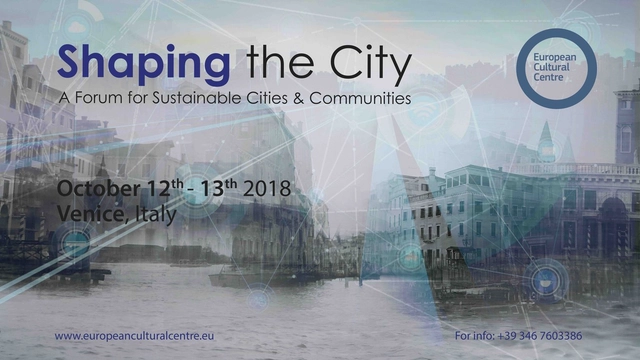
Shaping the City: A Forum for Sustainable Cities and Communities

The European Cultural Centre for the Exhibition “Time-Space-Existence” in context of the 16th Venice Architecture Biennale is organizing its first conference under the title of: “ Shaping the City : A Forum for Sustainable Cities and Communities”. It includes all participating architectural schools and universities from across the globe in TSE 2018 along with other international institutions and architecture studios.

Subscriber Access

Mind the Gap: Minimizing Data Loss Between GIS and BIM

An unfortunate fact of the AEC (architecture, engineering, and construction) industry is that, between every stage of the process—from planning and design to construction and operations—critical data is lost.

The reality is, when you move data between phases of, say, the usable lifecycle of a bridge, you end up shuttling that data back and forth between software systems that recognize only their own data sets. The minute you translate that data, you reduce its richness and value. When a project stakeholder needs data from an earlier phase of the process, planners, designers, and engineers often have to manually re-create that information, resulting in unnecessary rework. 

Subscriber Access

50 Planning Terms & Concepts All Architects Should Know

As architects, we often use a niche set of words that are sometimes unnecessarily complex and confusing to our non-architect friends. In 2015 we compiled a list of these, ranging from “typology” to “Blobitecture.” Here we’ve rounded up 50 urban planning terms that might be a bit less familiar but just as important to know.

From weird portmanteaus such as “Boomburb” to cute-sounding acronyms such as "YIMBY", here is a fun A to Z in urban planning language that will make future collaboration easier.

Subscriber Access

LA's Pershing Square Is Preparing for a Redesign—And Some Worry They Are Losing a Valuable Civic Space

Surrounded on all sides by "business blocks of architectural beauty and metropolitan dimensions," the intersecting planes of Pershing Square in Los Angeles provide a modernist retreat for many Angelinos in the downtown area. While to some, the square's large stucco tower and aqueduct-like water feature serve as a cultural landmark, the park has drawn negative press due to its lack of green space and abundance of drug-related activity. John Moody purposefully concentrates on the perception, memory, and identity of the space in his documentary Redemption Square—winner of the Best Urban Design Film 2017 at the New Urbanism Film Festival. Using the voice of strangers, residents and those who used to call it home, Moody guides you from the park’s formation in 1866 to its impending renewal: a “radically flat” redesign courtesy of Agence Ter and Gruen Associates.