About a decade ago, the term "resilience planning" became ubiquitous in climate circles. That shift, in the wake of increasingly unpredictable events, was shaped in part by the Rockefeller Foundation's 100 Resilient Cities program, a six-year, $160 million effort to establish chief resilience officers in cities all over the world. Out of that program, which ended in 2019, emerged its successor, Resilient Cities Catalyst (RCC), a New York–based nonprofit engaged in what it calls "capacity building" projects. For Climate Week, I talked to Sam Carter, one of RCC's founding principals, about his definition of resilience, the organization's planning and philanthropic method, and the challenge of scaling up climate efforts.
Modernistlandscape architecture marked a radical shift from traditional garden designs, emphasizing simplicity, functionality, and a stronger connection between people and their environments. From the 1930s through the 1960s, this movement saw the emergence of visionary landscape architects who integrated form and function in ways that redefined outdoor spaces. Their designs responded to the rapidly evolving urban landscapes of the time, prioritizing usability and creating environments that could accommodate modern life. The enduring influence of these principles continues to shape contemporary practices, while also presenting unique challenges in preservation as these landscapes age.
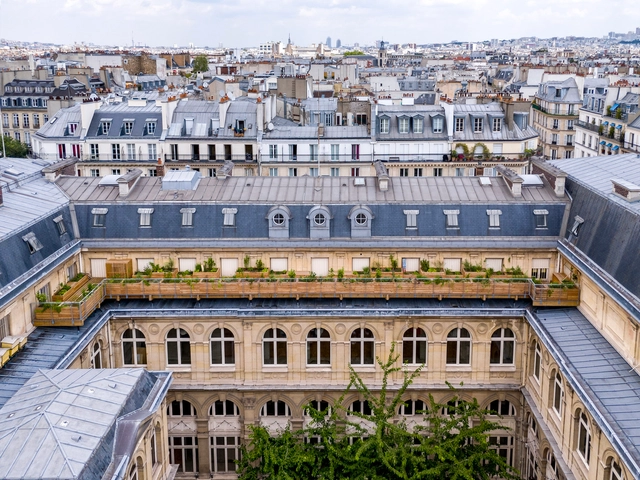
As record-breaking temperatures sweep across European cities, practitioners have recognized that existing infrastructure is poorly equipped to address the impacts of climate change. In response to this concern Roofscapes, a startup emerging from the MIT School of Architecture and Planning, has developed innovative solutions to amplify urban climate resilience. Their approach focuses on the strategic adaptation of underutilized spaces such as rooftops. By tackling the immediate challenges posed by extreme heat, the startup's work epitomizes how architectural innovation can directly contribute to addressing climate adaptation needs in cities. The company was recognized as one of ArchDaily's 2024 Best New Practices for their innovative approach to tackling urban issues such as affordability, lack of biodiversity, rising urban temperatures and repurposing.
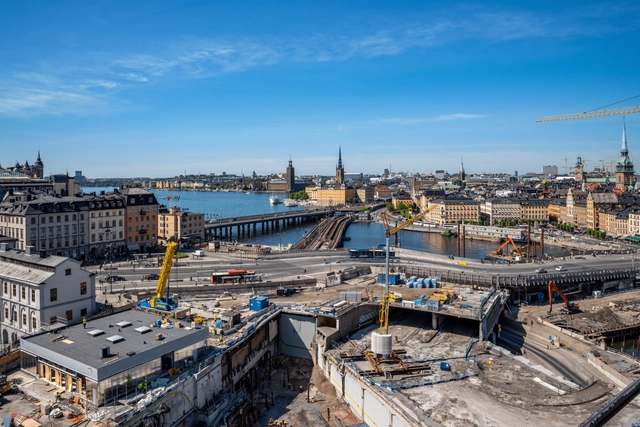
STOCKHOLM, SWEDEN - MAY 26, 2018: Cityscape view from above of large contruction site at the Old Town and Slussen in Stockholm Sweden May 26, 2018.. Image via Shutterstock | Per-Boge
Anyone who walks during the summer in a city like Boston knows that a significant amount of time is spent charting routes with shade. But I can’t use that as my only excuse for being off-task. Honestly, I’m distracted. The swirling headlines of the U.S. presidential election, an unprecedented UN climate conference looming, and the phrase “decade of decisive action” weighs heavy on my shoulders. While it’s easy to get caught up in current events, those of us with solutions must stay focused.
A perhaps helpful Japanese phrase to call upon is “kotsu kotsu,” essentially meaning to slow down and focus on the task at hand, and do it well. Temperatures are soaring, people are suffering. As a recent UN COP letter stated, “time lost is lives, livelihoods, and the planet lost.” Cooling our cities and communities is more important than ever.
In November of 2022, the coastal city of Sharm El Sheikh, Egypt, hosted the 27th convention of the United Nations Conference of the Parties, known as COP27. Since signing the Paris Agreement in 2015, the nearly annual conference has gained momentum as a global leader in sharing knowledge and developing frameworks to mitigate climate change worldwide. While the more recent COP28, held in Dubai in 2023, focused on conversations of energy production, this previous conference focused on urban contexts, as they deal with the urgent need for incorporating loss, damage, and climate reparations into climate action plans. As two years have now passed since COP27, it is important to revisit these discussions and hold governing bodies accountable for the promises made and the benchmarks set for climate change mitigation. One of the most ambitious plans from COP27 highlights an urgent debate in our urban environments: how will we define loss, damage, and climate reparations in the twenty-first century?
The format for Blair Kamin’ latest book, Who Is the City For? is slightly different from typical compilations. Kamin groups his columns thematically (all 55 appeared in the Chicago Tribune, when he served as architecture critic), and then, more often than not, adds a postscript updating or reframing the story for our fraught new normal. One of the recurring themes, both in the stories and in the postscripts, is the issue of design equity. As income inequality, systemic racism, and climate change became central to the cultural and political debates, equity became the critical lens for much design criticism. In our recent conversation, Kamin advocated for a broader definition of the term.
https://www.archdaily.com/1019288/blair-kamin-on-reframing-the-crucial-issue-of-design-equityMartin C. Pedersen
Eastern and Southern Europe is enduring a severe heatwave, with temperatures reaching over 40 degrees Celsius in many countries including Greece, Croatia, Macedonia, and Romania. Driven by hot air from North Africa, this prolonged heatwave has raised significant threats for residents and has strained the cities’ mechanisms for protection and climate mitigation. As the heatwaves expose the vulnerabilities of urban infrastructures, cities across Europe are striving to implement measures to address these challenges.
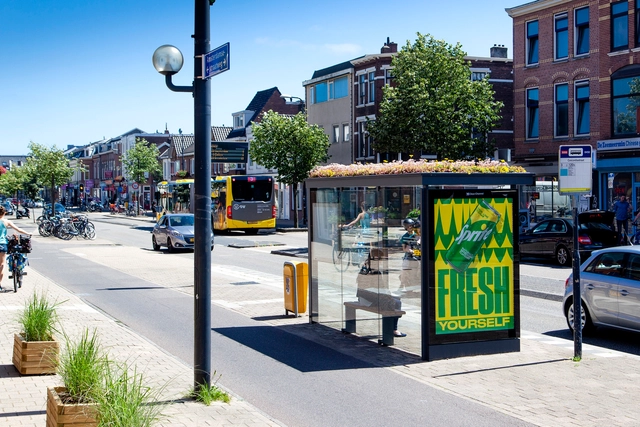
The City of Utrecht Council, in collaboration with advertising agency Clear Channel, has transformed 316 bus stops across the city into “bee stops.” The adaption involved installing green roofs onto the bus stops, creating bee-friendly spaces for the endangered species.
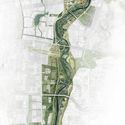
GVL Gossamer has released images of their design for a 19 kilometer stretch of waterfront along the Jing River in Xi’an, China. The proposal, a finalist in an international design competition, celebrates the site’s history at the origin of the Silk Road through strategies that tap into ancient and enduring histories of traditional architecture, merchant trade, and agricultural innovation. These enduring histories are woven with contemporary influences such as responses to major climatic and environmental challenges.
New York City Mayor Bill de Blasio has announced plans to introduce a bill banning the construction of glass skyscrapers, forming part of efforts to reduce citywide greenhouse emissions by 30 percent. Unveiling the plans, he described all-glass façade skyscrapers as “incredibly inefficient” because of heat loss, according to NBC New York.
https://www.archdaily.com/915656/new-york-citys-mayor-is-planning-to-ban-new-glass-skyscrapersNiall Patrick Walsh
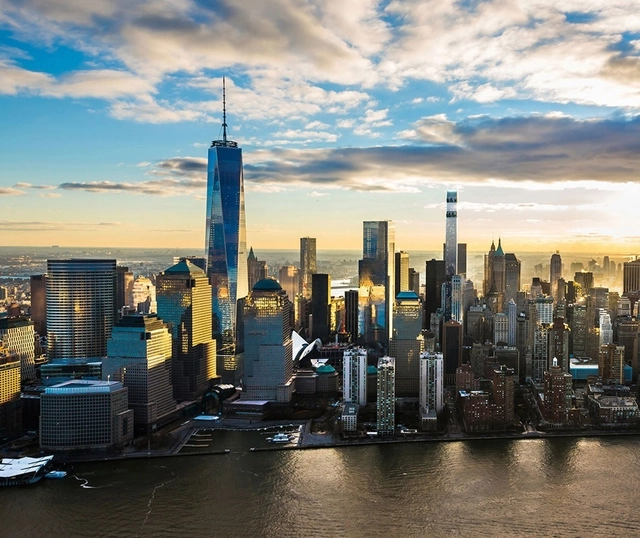
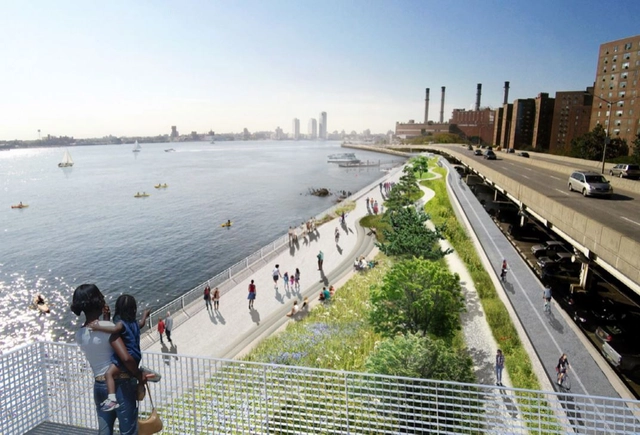
New York City Mayor Bill de Blasio has announced plans for a $10 billion coastal resilience project, designed to protect Lower Manhattan from flooding. In an editorial piece in New York Magazine, Mayor de Blasio outlined the ambitious plans to alter the waterfront of the Financial District, constructing a major infrastructural element up to 500 feet into the East River.
Part of the Lower Manhattan Climate Resilience Study, and designed in collaboration with climate scientists and local offices, the Mayor describes the scheme as “one of the most complex environmental and engineering challenges [New York] has ever undertaken and will, literally, alter the shape of the island of Manhattan.” The multi-billion dollar project is designed to protect Manhattan through the year 2100.
https://www.archdaily.com/913743/new-york-city-to-combat-rising-sea-levels-by-extending-the-manhattan-coastlineNiall Patrick Walsh
It is, once again, the time of year where we look towards the future to define the goals and approaches that we will take for our careers throughout the upcoming year. To help the millions of architects who visit ArchDaily every day from all over the world, we compiled a list of the most popular ideas of 2018, which will continue to be developed and consolidated throughout 2019.
Over 130 million users discovered new references, materials, and tools in 2018 alone, infusing their practice of architecture with the means to improve the quality of life for our cities and built spaces. As users demonstrated certain affinities and/or demonstrated greater interest in particular topics, these emerged as trends.
https://www.archdaily.com/910525/the-trends-that-will-influence-architecture-in-2019Pola Mora
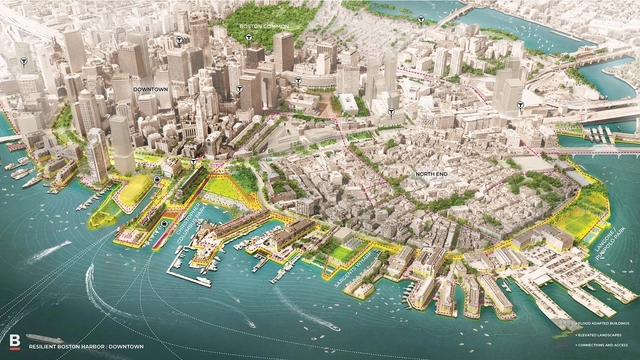
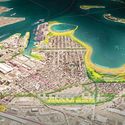
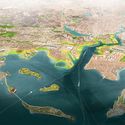
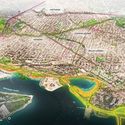
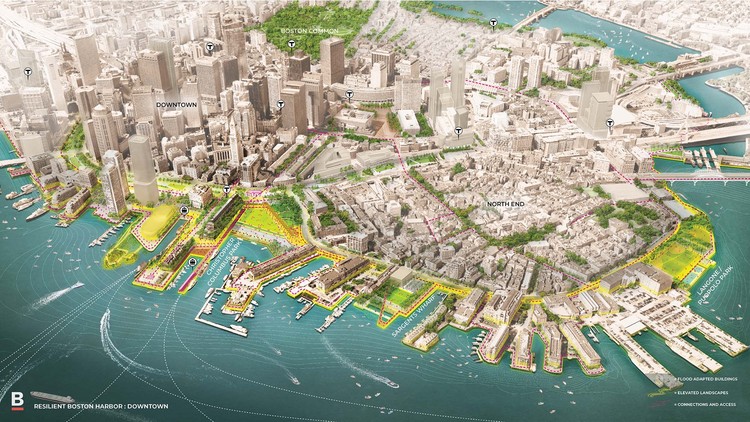
The Mayor of Boston and SCAPE Landscape Architecture have collaborated on a vision to protect the city’s 47 miles of shoreline against climate change. The scheme lays out strategies which will “increase access and open space along the waterfront while better protecting the city during a major flooding event.”
The vision forms part of the Imagine Boston 2030 initiative while using the city’s Climate Ready Boston 2070 flood maps, targeting infrastructure along Boston’s most vulnerable flood pathways.
https://www.archdaily.com/904610/boston-publishes-radical-scape-plans-to-combat-climate-changeNiall Patrick Walsh
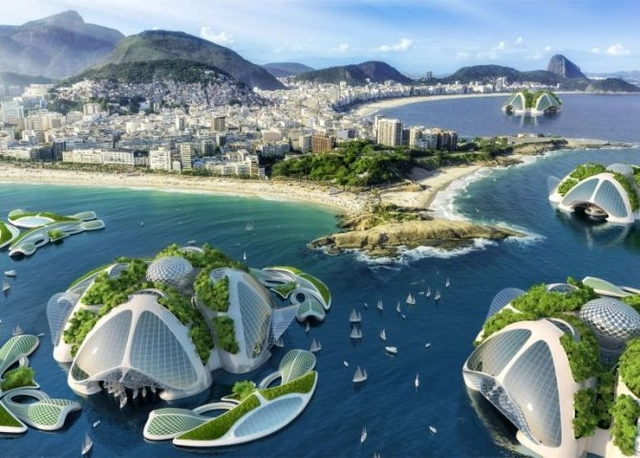
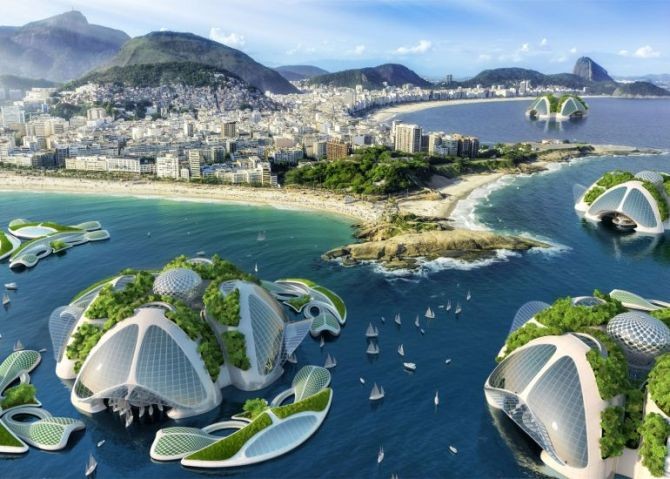
Belgian architect Vincent Callebaut proposes recycling ocean trash as building materials for his futuristic floating cities.
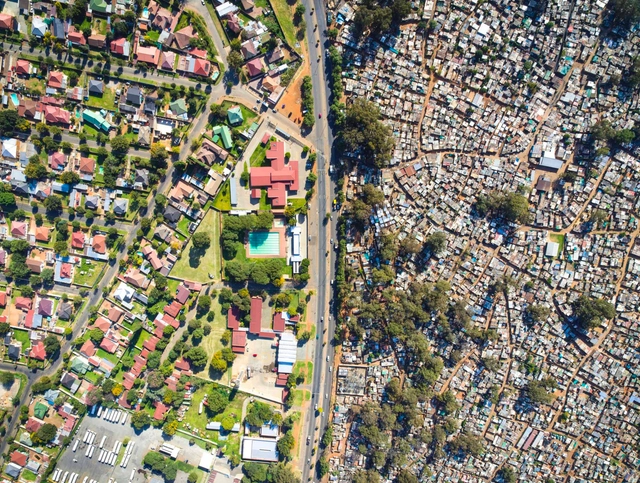
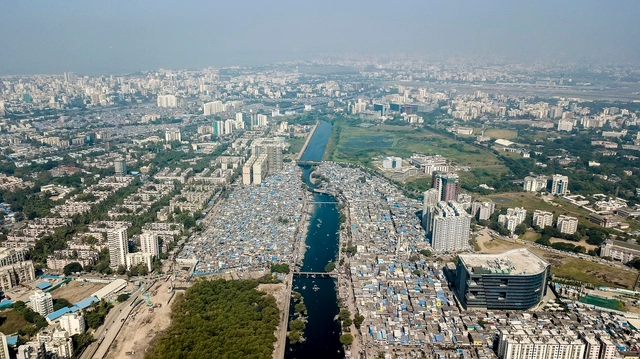
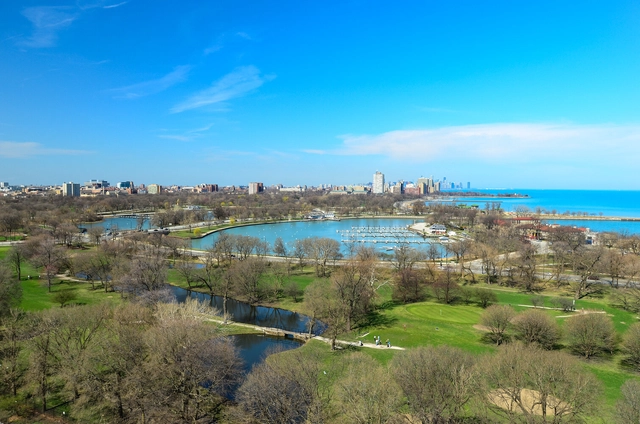
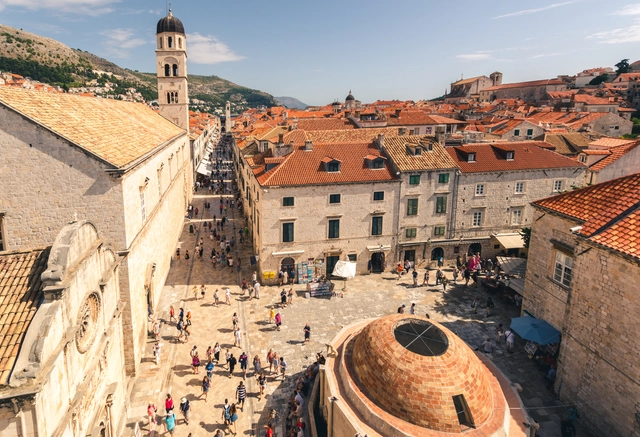
Migration as a result of changing climate has already begun. And while this poses enormous challenges for governments - particularly at a global moment that seems indisposed towards immigration and immigrants - there is also the concern that heritage will inevitably be lost. In places like Scotland, rising sea levels have put ancient sites at risk; the same is the case in island nations in the Pacific. As mounting environmental risks become more inevitable day by day, cities around the world are turning to more resilient forms of architecture and urban planning to combat both short term shocks and longer term pressures as a means of ensuring their future.
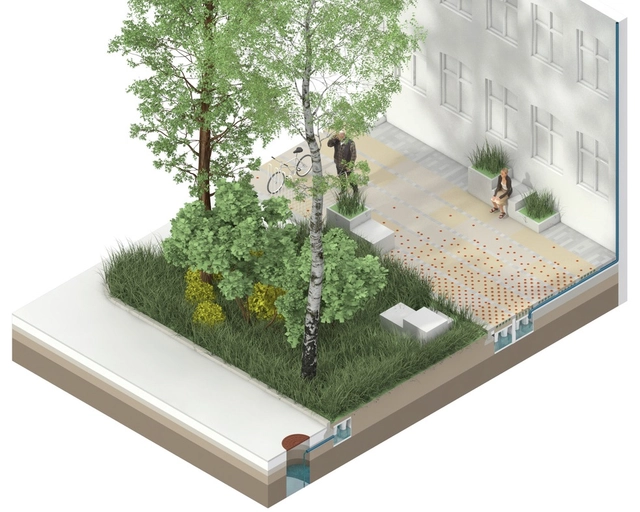
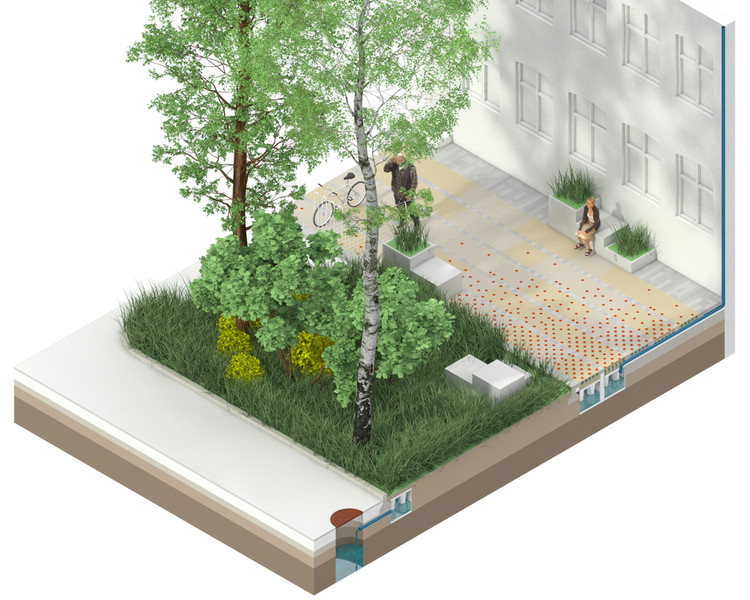
The Climate Tile is a pilot project designed to catch and redirect 30% of the projected extra rainwater coming due to climate change. Created by THIRD NATURE with IBF and ACO Nordic, the project will be inaugurated on a 50m pavement stretch at Nørrebro in Copenhagen. The first sidewalk was created as an innovative climate project that utilizes the Climate Tile to create a beautiful and adaptable cityscape. Aimed at densely populated cities, the tile handles water through a technical system that treats water as a valuable resource.
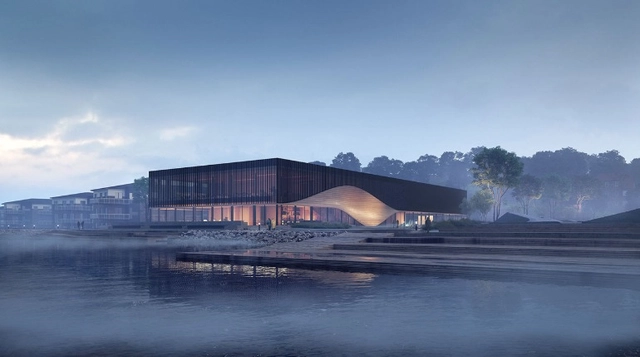
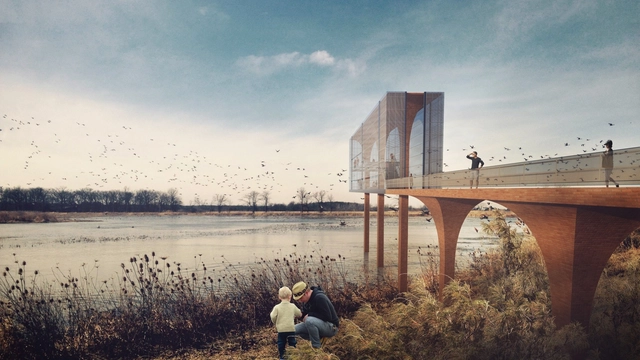
3XN, working in collaboration with Orbicon and SLA, have won a competition for the design of a new climatorium in Lemvig, Denmark. The scheme seeks to form a modern interpretation of the area’s nature and fishing culture, while also influenced by local climate conditions.
The predominantly timber scheme balances a dual role of a public amenity serving science and the arts and a working laboratory geared towards the mitigation of climate change.
https://www.archdaily.com/901126/3xns-waterfront-climatorium-pays-tribute-to-the-fishing-culture-of-lemvig-denmarkNiall Patrick Walsh
The Berlin AA Visiting School, an arm of Architectural Association School of Architecture, is still accepting registrations for their cutting edge lecture- and seminar series from the 6th till the 17th of August 2018. Participants will learn to adapt their design perspectives from anthropocentric to human-animal co-perspective, design and construct “The Insectarium”, and actively participate in Berlin’s political, ecological, and planning scene through talks and interactive sessions with an amazing roster of speakers ranging from legendary Raoul Bunschoten, Francois Roche, UNStudio, ARUP, Emanuele Coccia and Ricardo de Ostos!


























.jpg?1548884950&format=webp&width=640&height=580)