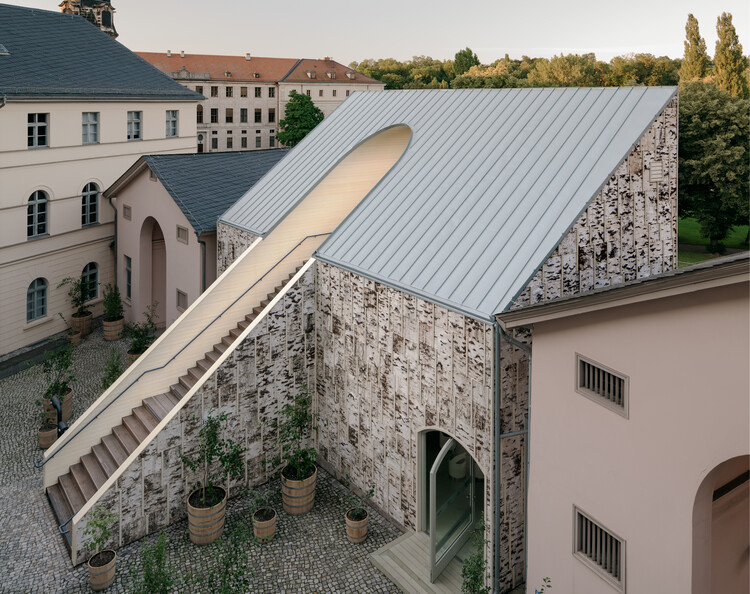
-
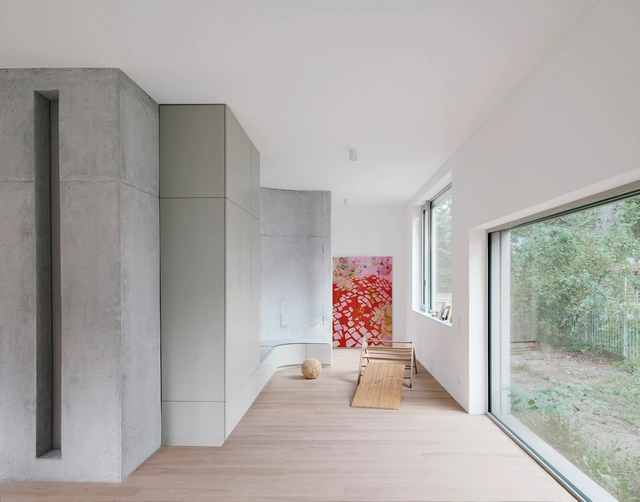
Architects: FAKT Office
- Year: 2020
-
Manufacturers: AGROB BUCHTAL, Laufen, Schüco
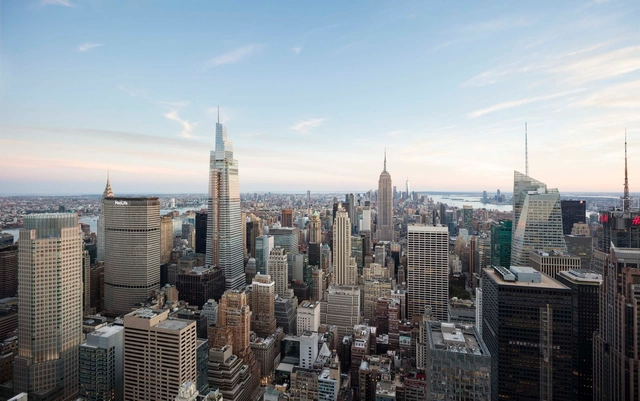
As the largest city in the United States, New York City is one of the most diverse and vibrant cities in the world, recognized by many as the center for global media, culture, fashion art, and finance. The city was founded in 1624 by settlers from the Dutch Republic and has since grown into “the city that never sleeps”.
While almost every style of architecture exists in New York City, the metropolis is most well known for its skyscrapers, both in historical styles such as Neoclassical and Art Deco and in their varied contemporary expressions. The first building to bring the world's tallest title to New York was the New York World Building, in 1890. Later, New York City was home to the world's tallest building for 75 continuous years, starting with the Park Row Building in 1899.
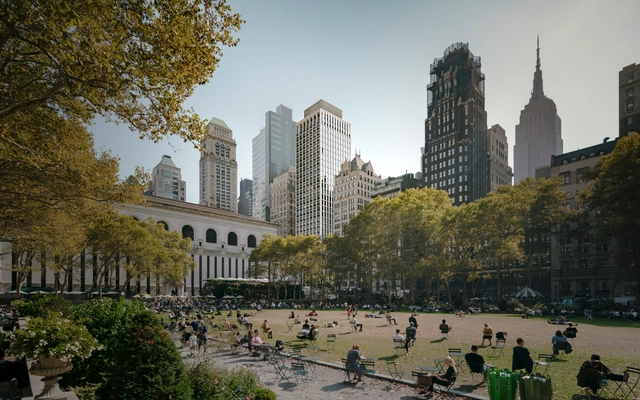
Architecture, as a profession, is highly cyclical in nature. It ebbs and flows with the tides of economic conditions, and is especially hard hit during times of downturn. We’ve all heard stories or experienced it ourselves, or layoffs during the Great Financial Crisis in 2008, or even more recently the significant cutbacks architecture firms went through during the uncertainty of the COVID-19 pandemic. Projects went on hold and new business opportunities declined almost overnight. Now, two years later, firms are keeping a close watch on global supply chain issues and rising inflation rates, especially with increased pressure to meet the needs of a growing urban population. Will architecture be recession-proof as we enter a bear market?


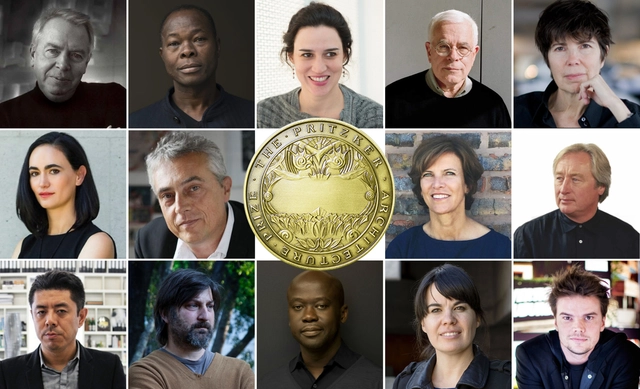
As part of our yearly tradition, we have asked our readers who should win the 2022 Pritzker Prize, the most important award in the field of architecture.

Michael Sorkin used to regard criticism as "a service profession", highlighting the field's ability to shape public opinion and the direction of architecture at large. Intellectually expansive architecture criticism not only evaluates the merits and shortcomings of a project but reveals how buildings are situated in relation to history and theory and how they contribute to current economic, social and environmental dilemmas. The following explores the field of architecture criticism, highlighting some of its key figures while reflecting on how this role has changed with the emergence of digital media.


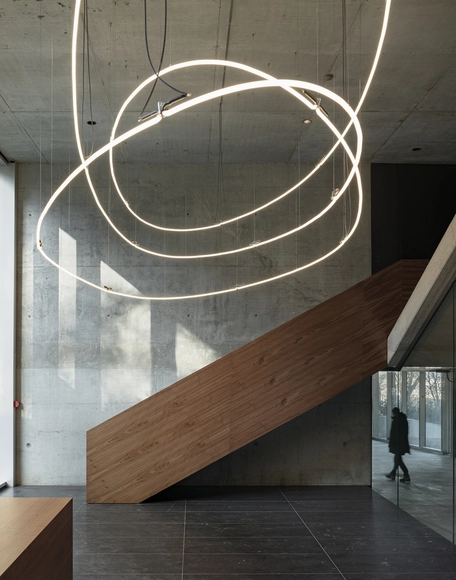
Light serves an essential purpose in architecture: to help us see. Whether it be through natural or artificial methods, rooms must be illuminated accordingly so occupants can safely inhabit them and fulfill their daily functions. When the right system is selected, light can also contribute to energy efficiency and sustainability within the building as a whole. However, apart from its evident functional and environmental value, lighting design can vastly impact the visual comfort and aesthetic tone of interiors by drawing attention to textures, enhancing colors and defining volumes. Therefore, of the many pieces involved in interior design, lighting is certainly one that can enhance or destroy a space and even affect users’ well-being, which is why it should be considered a crucial design element by itself.
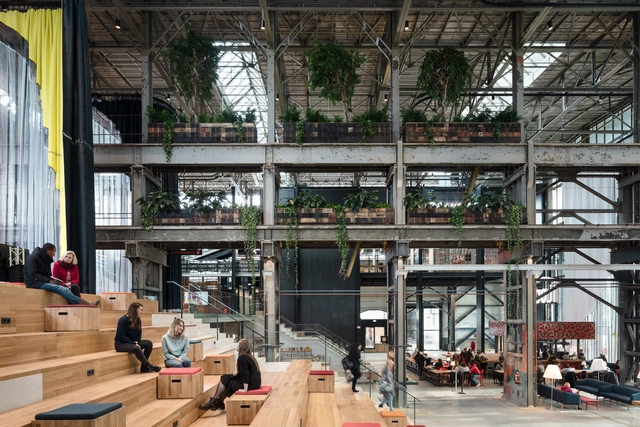
Stating that “design and sustainability are indissociable”, the 2022 European Union Prize for Contemporary Architecture – Mies van der Rohe Award, centered its nominations on social inclusion, sustainability and circularity, and aesthetic research. So far, 40 shortlisted projects are moving to the next level. The biennial contest that gives tribute to works completed within the previous two years in general, will announce the 5 finalist works in February 2022, and the winner in April 2022.
Focused on 3 main titles, "the European city: a model for the sustainable smart city", "defining common European culture while reflecting the diversity of expression" and "an architecture that has social impact and transmits a cultural message", we have grouped the selected projects, nominated by a jury formed by Tatiana Bilbao, Francesca Ferguson, Mia Hägg, Triin Ojari, Georg Pendl, Spiros Pengas and Marcel Smets to give a better understanding of the selection criteria and the architectural situation in Europe.
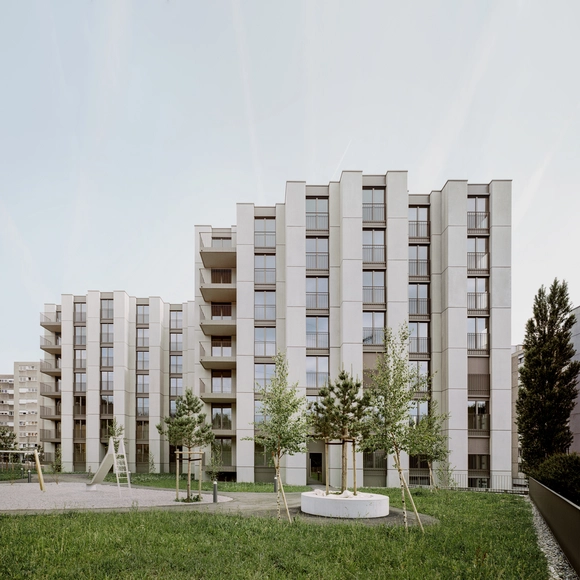
The European Commission and the Mies van der Rohe Foundation have announced the 40 shortlisted works that will compete for the 2022 European Union Prize for Contemporary Architecture – Mies van der Rohe Award. The shortlist featured projects built across 18 different European countries, with Spain, Austria, and France topping the list with 5 entries each. The winners will be announced in April 2022 and the Award ceremony will take place in May 2022.

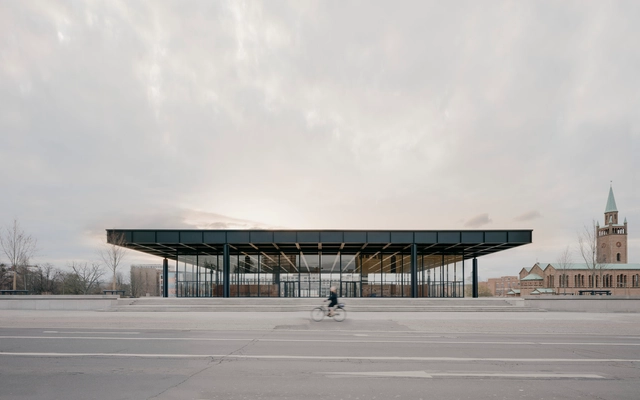
Last year, a series of new museums, expansions and several museum renovations have opened their doors to the public, adding a new dimension to the cultural landscape around the world. From the long-awaited re-opening of the Neue Nationalgalerie in Berlin, to Ryue Nishizawa's Jining Art Museum merging with the landscape, and MVRDV's reflective Art Depot, discover the architecture of the latest venues of art and culture.
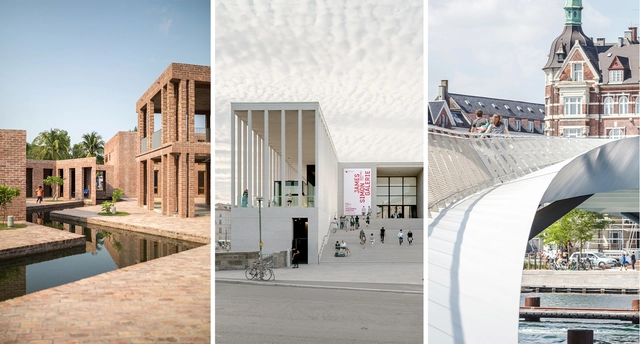
The Royal Institute of British Architects (RIBA) has announced its shortlist for the 2021 International Prize, a prestigious biennial award that celebrates the world’s best new projects that “champion buildings that change the world and positively impact the community around them". The jury has selected three projects from a list of 16 projects in 11 countries, and will announce the winner on Thursday 2nd December.


.jpg?1641932763&format=webp&width=230&height=230&crop=true)


.jpg?1637053142 "James-Simon-Galerie / David Chipperfield Architects (Berlin, Germany). Image © Simon Menges")
.jpg?1637053340 "Lille Langebro / WilkinsonEyre + Urban Agency (Copenhagen, Denmark). Image © Rasmus Hjortshøj")
.jpg?1637053381 "Friendship Hospital, Satkhira / Kashef Chowdhury-URBANA (Shyamnagar, Bangladesh). Image Courtesy of URBANA")