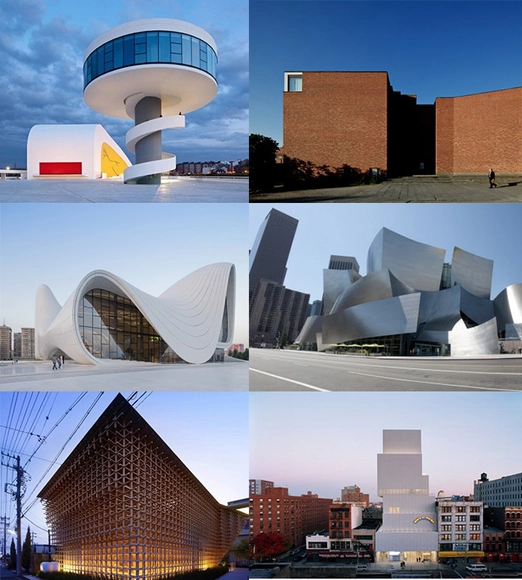
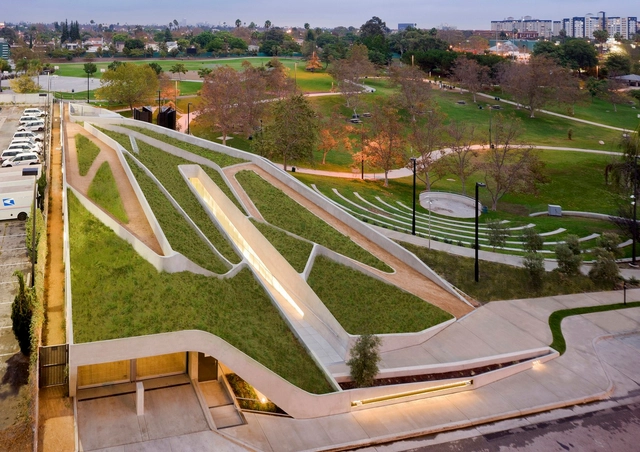
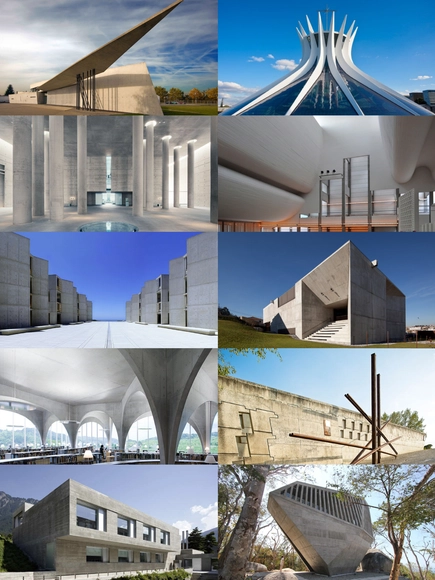
In case you missed it, we’re re-publishing this popular post for your material pleasure. Enjoy! To celebrate the recent launch of our US product catalog, ArchDaily Materials, we've coupled six iconic architects with what we deem to be their favourite or most frequently used material. From Oscar Neimeyer's sinuous use of concrete to Kengo Kuma's innovative use of wood, which materials define some of the world's best known architects?
Autodesk has launched the Autodesk Foundation, an organization which will "invest in and support the most impactful nonprofit organizations using the power of design to help solve epic challenges." In an effort to aid those tackling global issues such as "climate change, access to water, and healthcare," the foundation will provide select design-oriented grantees with software, training and financial support.
Freakonomics has just posted a fascinating new podcast that takes on the question posed by Alastair Townsend in our AD original article: “Why Japan is Crazy About Housing.” The podcast consults with Townsend and economic experts to present a thought-provoking answer to the puzzling question of why Japan builds architecture that is avant-garde and yet, ultimately, disposable. The answer may just surprise you. Listen to the whole podcast here:
In case you missed it, we're re-publishing this popular post for your material pleasure. Enjoy!
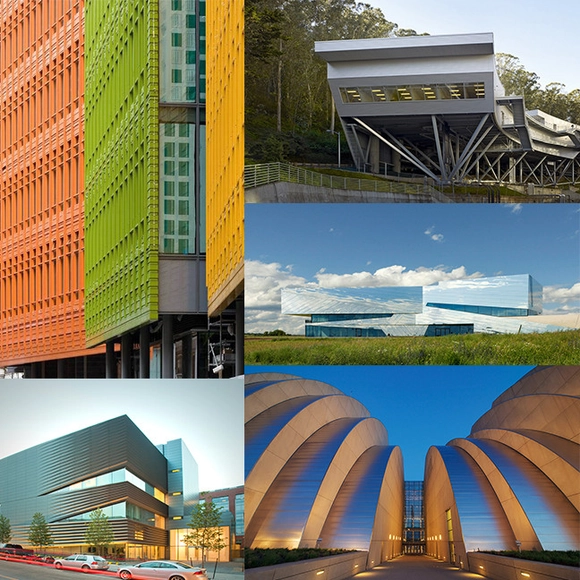
To celebrate the recent launch of ArchDaily Materials we've brought together five projects with fantastic façades, from Viñoly's Dolby Regeneration Medicine Building in San Francisco to Holzer Kobler's PALÄON in Schöningen, Germany. A building's envelope is often people's first impression and, in recent years, have been one of the focuses of innovation in the design and construction industry. The projects we've collated show a glimpse at what's possible with façades and wall finishings.
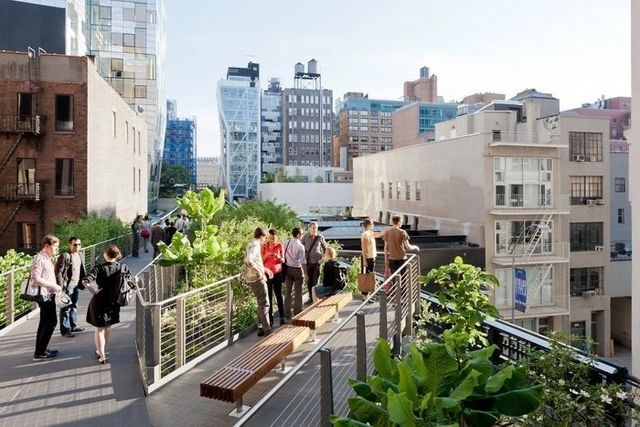
The RIBA's recent report "City Health Check: How Design Can Save Lives and Money" looks at the relationship between city planning and public health, surveying the UK's 9 largest cities in a bid to improve public health and thereby save money for the National Health Service. The report includes useful information for city planners, such as the idea that in general, it is quality and not quantity of public space that is the biggest factor when it comes to encouraging people to walk instead of taking transport.
Read on for more of the results of the report - and analysis of these results - after the break
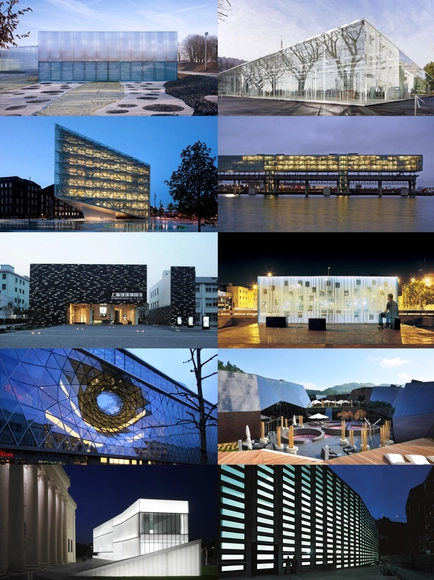
To celebrate the launch of ArchDaily Materials, our new product catalog, we've rounded up 10 awesome projects from around the world that were inspired by one material: glass. Check out the projects after the break...
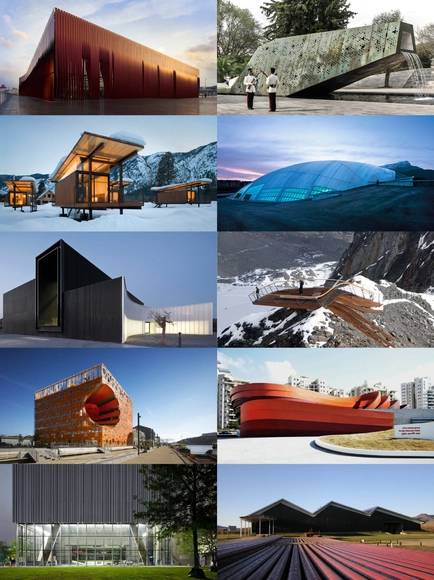
To celebrate the launch of ArchDaily Materials, our new product catalog, we've rounded up 10 awesome projects from around the world that were inspired by one material: metal. Check out the projects after the break...
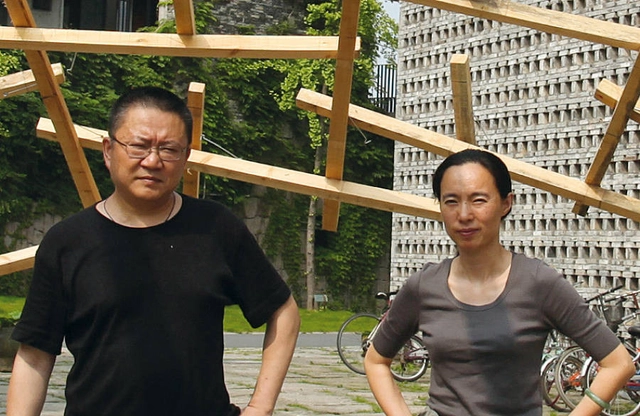
In an interview with Spanish newspaper El País, Lu Wenyu defends her husband Wang Shu for solely receiving the Pritzker Prize in 2012. Despite the fact that the couple co-founded Amateur Architecture Studio and have worked side by side ever since, Wengyu maintains that her husband would have shared the Prize with her - she just didn't want it.
She confides to El País: "In China, you lose your life if you become famous. I want a life and I prefer to spend it with my son. Over there I don't accept interviews. And not in English-speaking countries either [...] I'm happy to be able to do architecture that I believe helps our towns and cities to be better. I'm convinced that to talk about this awakens interest in others - not being famous." Read the full interview at El País
https://www.archdaily.com/463985/wang-shu-s-partner-lu-wenyu-i-never-wanted-a-pritzkerPola Mora
The following 20 articles are what we at ArchDaily consider the Best of 2013. They may not have received the most traffic, but they posed fascinating theories about the state of architecture and urbanism today, they gave us insight into the creative processes of innovative architects (from Bjarke Ingels to Peter Zumthor) and, most of all, they provoked us to question: What does architecture mean? For us architects, and for the world?
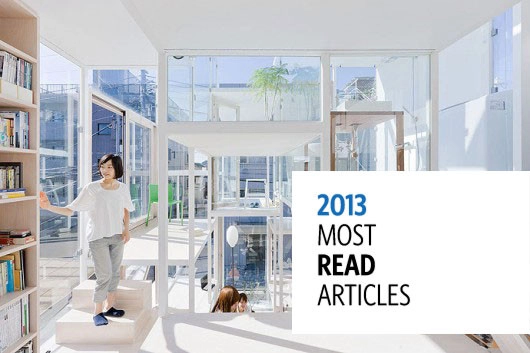
It's that time of year again! The time when we round-up what you, our dear readers, most enjoyed this year. The following ten articles - from fun lists (30 Architecture Docs to Watch in 2013) to thought-provoking looks into the state of the architecture profession (Are Renderings Bad for Architecture?) - caught your attentions and provoked some great comments. See them all - including our record-breaking #1 article - after the break.
To celebrate the launch of ArchDaily Materials, our new product catalog, we've rounded up 10 awesome projects from around the world that were inspired by one material: concrete. Check out the projects after the break...
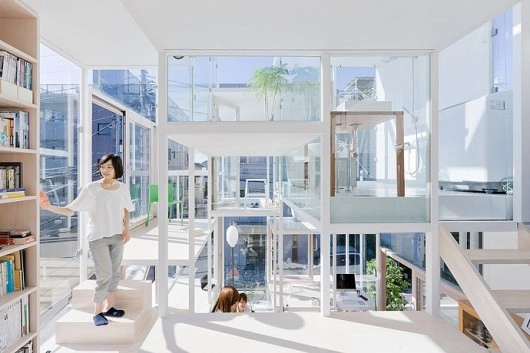
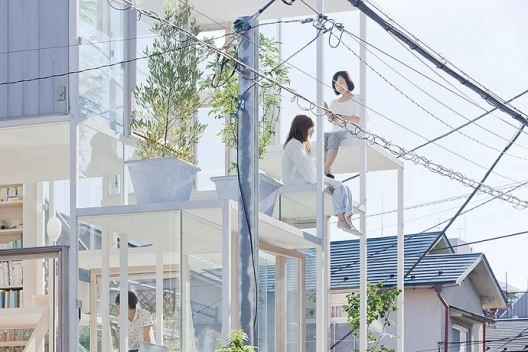
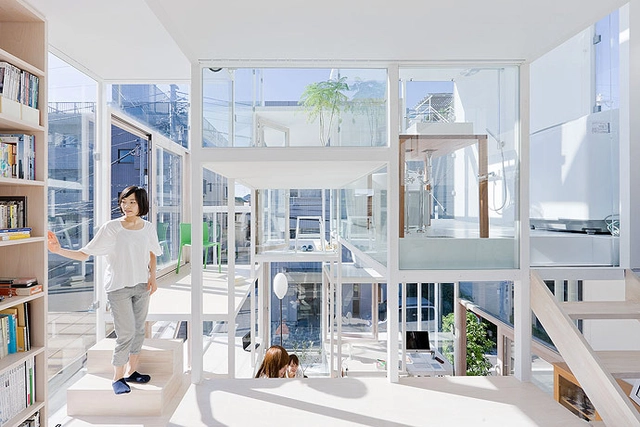
Inspired by our wildly popular article "Why Japan Is Crazy About Housing," CNN has interviewed Tokyo-based author and architect Alastair Townsend in order to dig a bit deeper into why radical design has become more common in Japan. The video features interviews with the residents of House T by Hiroyuki Shinozaki Architects, who share what it's like to live in a multi-storied home with step ladders and no walls, as well as Sou Fujimoto, who takes us on a tour of his whimsical, tree-house inspired House NA. Watch the video after the break.
The American Institute of Architects (AIA) and MIT’s Center for Advanced Urbanism has produced a new report examining urban health in eight of the USA’s largest cities, which has been translated into a collection of meaningful findings for architects, designers, and urban planners. With more than half of the world’s population living in urban areas - a statistic which is projected to grow to 70% by 2050 - the report hinges around the theory that “massive urbanization can negatively affect human and environmental health in unique ways” and that, in many cases, these affects can be addressed by architects and designers by the way we create within and build upon our cities.
Japan is famous for its radical residential architecture. But as Tokyo architect Alastair Townsend explains, its penchant for avant garde housing may be driven by the country’s bizarre real estate economics, as much as its designers’ creativity.
Here on ArchDaily, we see a steady stream of radical Japanese houses. These homes, mostly designed by young architects, often elicit readers’ bewilderment. It can seem that in Japan, anything is permissible: stairs and balconies without handrails, rooms flagrantly cast open to their surroundings, or homes with no windows at all.
These whimsical, ironic, or otherwise extreme living propositions arrest readers’ attention, baiting us to ask: WTF Japan? The photos travel the blogosphere and social networks under their own momentum, garnering global exposure and international validation for Japan’s outwardly shy, yet media-savvy architects. Afterall, in Japan – the country with the most registered architects per capita – standing out from the crowd is the key to getting ahead for young designers. But what motivates their clients, who opt for such eccentric expressions of lifestyle?