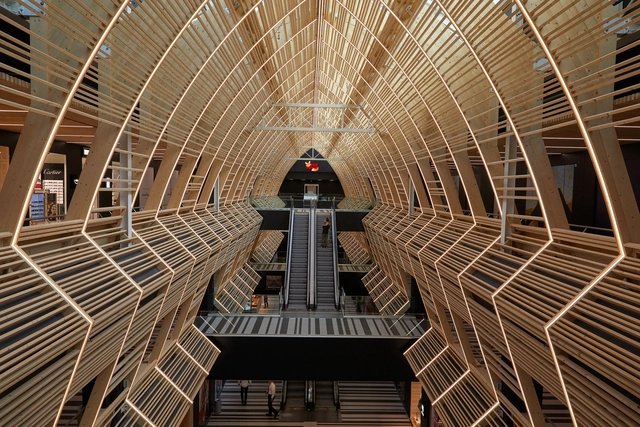
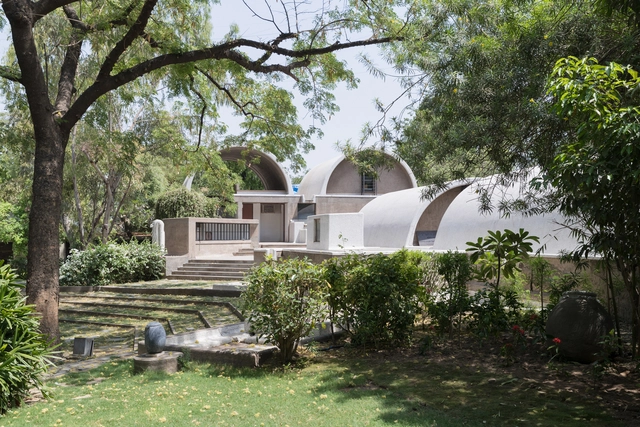
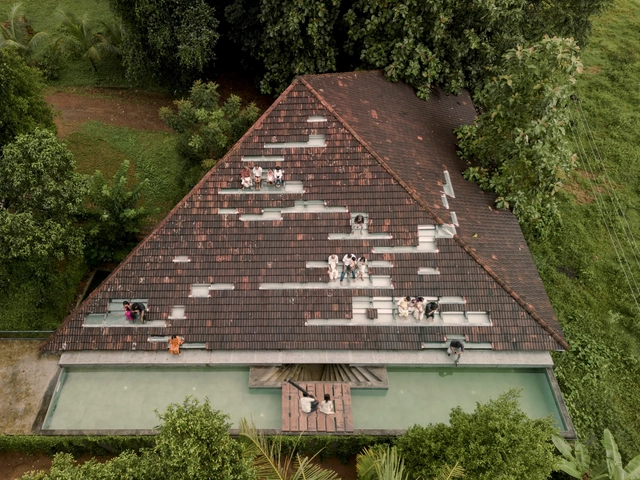
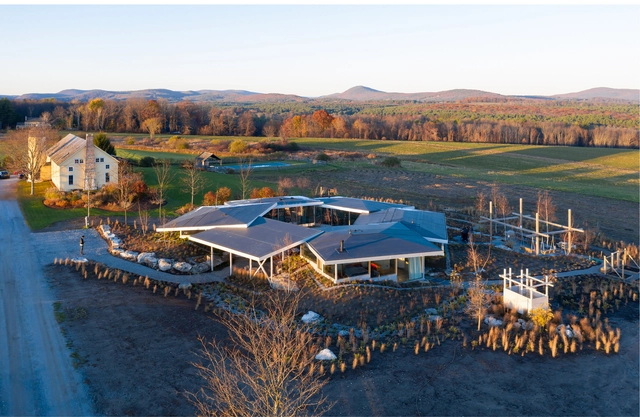
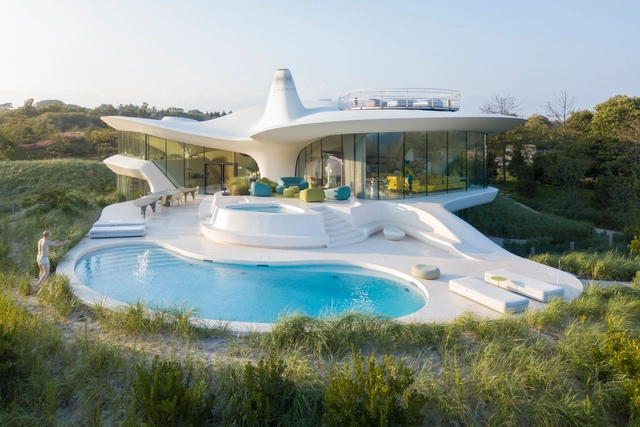
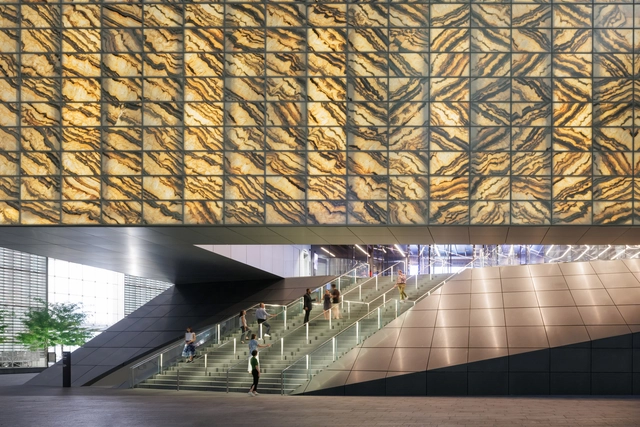
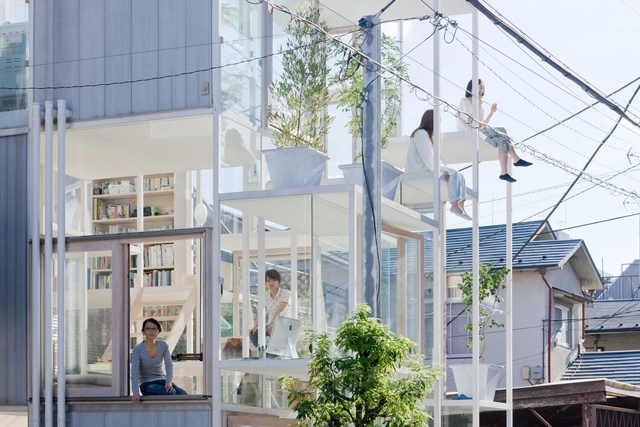
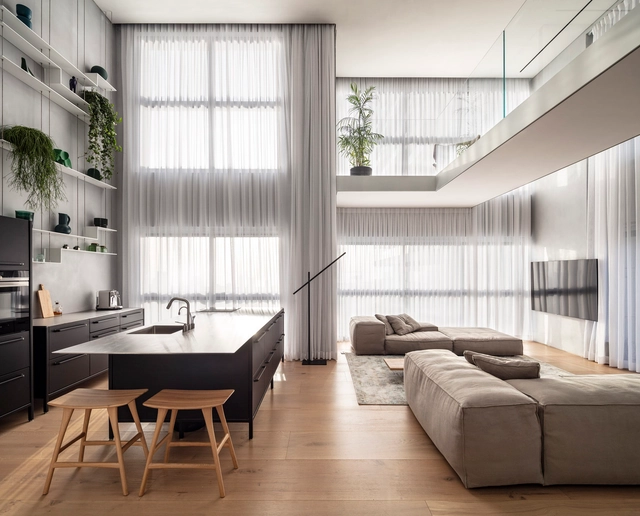
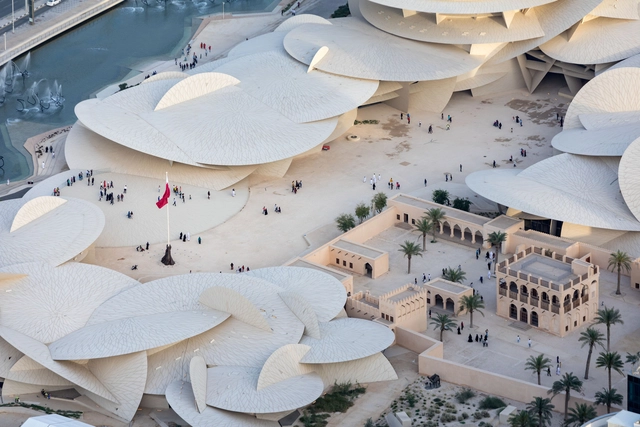
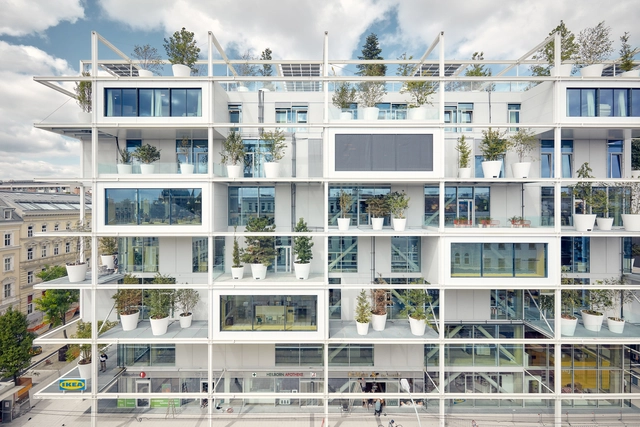
With a total of 95 new projects recognized by Prix Versailles, the 24 global winners of this 2023 edition have recently been announced. They stand as evidence of the aesthetic vitality of each of their respective regions, paying homage to the work of numerous pioneering and/or internationally renowned firms.
As we step into the new year, we take a moment to reflect on the lasting impact of celebrated architects, designers, and curators who passed away in 2023. This past year witnessed the departure of influential figures who, through their talent and dedication, left an indelible mark on the built environment. Some embarked on their careers with bold gestures that reshaped architectural paradigms, while others worked quietly, placing a profound focus on the human experience or the invisible figures of out profession.
In recent years, India has emerged as a focal point for architects and urban designers from around the world. From the rich legacy of masters and emerging firms to smart city initiates being established across the peninsula, the acts of decolonization in architecture design to the evolution of a modernized vernacular, India has been demonstrating the power of supporting good architecture and urban design. This year, ArchDaily launched ArchDaily Building for Billions, a column that discusses the effects of population rise, urbanization, and economic growth on India’s built environment. Building for Billions was fueled by the recognition of changes and innovative projects washing over the country.
The recent completion of the Perelman Performing Arts Center (PAC), a collaboration between REX, Davis Brody Bond, and the Rockwell Group, is a milestone in the cultural transformation of Lower Manhattan. The PAC site is part of the World Trade Center complex, owned by the Port Authority of NY and NJ, an autonomous agency responsible for managing bridges, ports, tunnels, and airports. Since the 2001 attacks, the site has undergone significant changes, including the construction of the four WTC complex towers and the Oculus. More than nine years passed between the launch of the PAC competition and the project's completion, and I participated in the last five years as an architect on the Davis Brody Bond team.
The ICONIC AWARDS 2023: Innovative Architecture –awarded by the German Design Council– honors the best achievements in architecture, pioneering interior and product design, outstanding brand communication and a particularly innovative use of materials in the architecture sector. The winners are examples of design excellence and inspiring solutions for current challenges. The international jury of experts emphasizes the importance of visionary design that is not only aesthetically inspiring but also ecologically and socially influential.
From 620 submissions from over 30 countries, the jury selected 62 pioneering projects for the “Best of Best” award. In addition, the special prizes “Architects of the Year”, “Interior Designer of the Year” as well as the honorary prize “Architects’ Client of the Year” were awarded. The award winners were honored at the BMW World in Munich on 4 October, 2023.
The layout of interior spaces has been in constant evolution since the very first residential project. For many years, functionality dictated how they're are organized, but soon after, cultural, social, and economical changes influenced the way people design their living space, bringing about the spacious and versatile open floor plan. A lot has been written - and critiqued - about the open floor plan: who introduced it, how it was developed, its benefits, and/or lack thereof. During the past couple of decades, open floor plans were perhaps among the most requested interior design concepts, but today, architects are leaning towards the opposite.
From October 21st, 2023, to March 3rd, 2024, the Vitra Design Museum is hosting a retrospective exhibition featuring the work of Iwan Baan. Known for his world-renowned architecture photography, “Iwan Baan: Moments in Architecture” provides a comprehensive overview of Baan’s extensive portfolio. At its core, it showcases the artist’s ability to capture the essence of contemporary architecture, along with the urban and social contexts associated with it and the people who inhabit these various spaces.
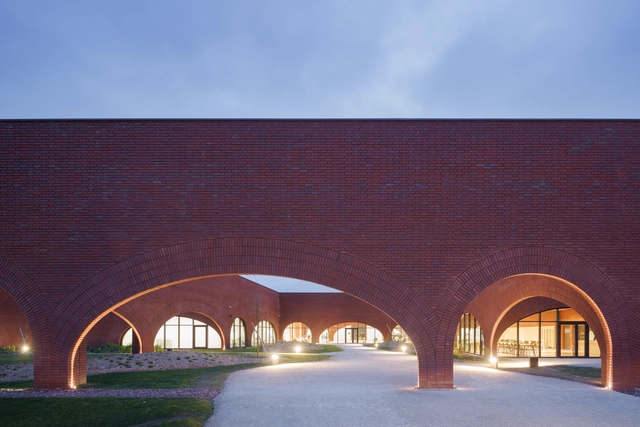
The 2024 EUmies Awards aims to recognize the best-built works in Europe completed between April 2021 and May 2023. The selection of projects reflects the current changes within the European context, with increasing attention given to environmental, social, and economic awareness expressed through architecture, landscape architecture, urban planning, and design. This year’s jury is chaired by Frédéric Druot (Paris/Bordeaux), who will be accompanied by Martin Braathen (Oslo), Pippo Ciorra (Rome), Tinatin Gurgenidze (Tbilisi/Berlin), Adriana Krnáčová (Prague), Sala Makumbundu (Luxembourg), and Hrvoje Njiric (Zagreb).
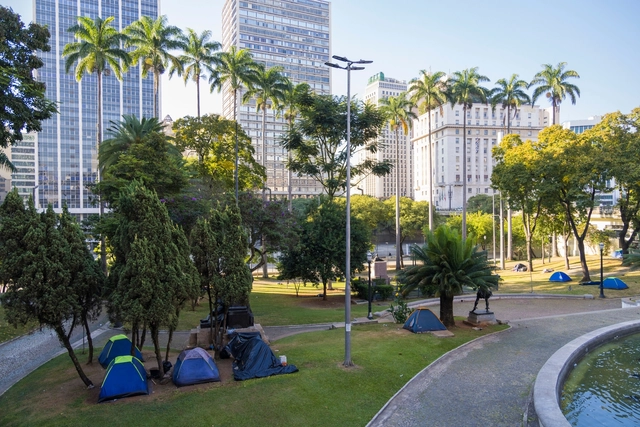
Architecture Without Borders Quebec (AWBQ) has made public the catalog of practices “Architecture + Homelessness: Inclusive Practices for a Supportive City.” The publication, publicly available in both English and French, is created to encourage architecture and design practices that have the potential to contribute to the well-being of people experiencing homelessness. The catalog is part of an ongoing research project initiated by AWBQ and supported by the Government of Quebec and the City of Montreal.
Environmental neuroscience is an emerging field devoted to studying the impact of social and physical environments on brain processes and behaviour. From the various opportunities for social interaction to noise levels and access to green spaces, the characteristics of the urban environment have important implications for neural mechanisms and brain functioning, thus influencing our physical state. The field paints a different image of how cities impact our health and well-being, thus providing a new, scientific layer of understanding that could help architects, urban planners, and decision-makers create more equitable urban environments.
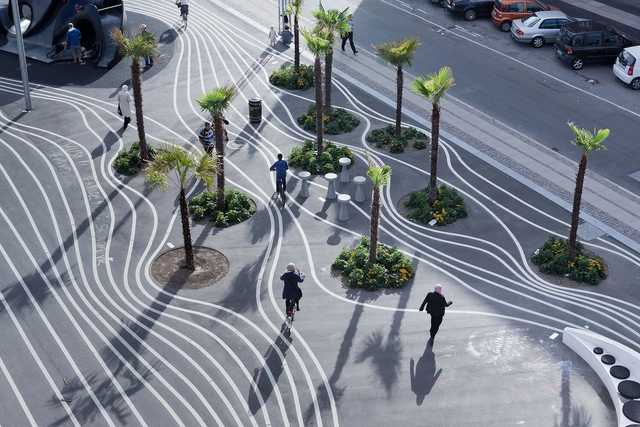
Copenhagen is a living testament to its architectural legacy, innovative urban development, and commitment to sustainability and liveability. The city inspires the whole world with its quality of urban life, made up of efficient and intelligent mobility systems, along with vibrant and interesting public and private spaces. It is in this context that the city has been awarded the title of World Capital of Architecture by UNESCO for 2023, and hosted the World Congress of the International Union of Architects. These milestones represent unique opportunities to highlight the crucial role of architecture and urban planning in building a sustainable future, establishing the city as a prominent international forum for discussing crucial issues related to the urban environment and the ongoing search for innovative solutions.
Visit Copenhagen has developed a series of four videos to explore the city's architectural wonders, guided by local architects. In the first one, which you can watch below, Danish architect Dan Stubbergaard –founder of Cobe– takes us on a captivating tour of Copenhagen, sharing his insights into what makes the city truly exceptional for its inhabitants.
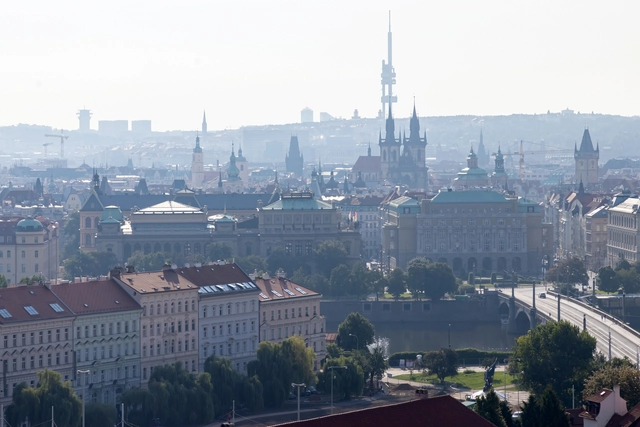
In the summer of 2022, Iwan Baan completed an urban pilgrimage through the unique streets of Prague. For 7 days, the photographer photographed the city on foot, on a bike, and from a helicopter, capturing the essence of the urban fabric, from the center to the periphery and the landscape along the Vltava River. Presenting the city as a raw and often neglected entity, Iwan Baan showcased his exhibition “Iwan Baan: Prague Diary” this year at CAMP.
Light is a key feature in architecture. Centuries ago, the sun and fire were the only sources of illumination, but in today's technology-driven world, artificial lighting and cutting-edge optical technologies have found ways to mimic the qualities of natural light, making it possible to have a naturally-lit-looking space within four walls. LED technologies have even made it possible to embed lighting in furniture, interior surfaces, and facades, altering their intensities and hues to make light a main feature in the architecture's storytelling.
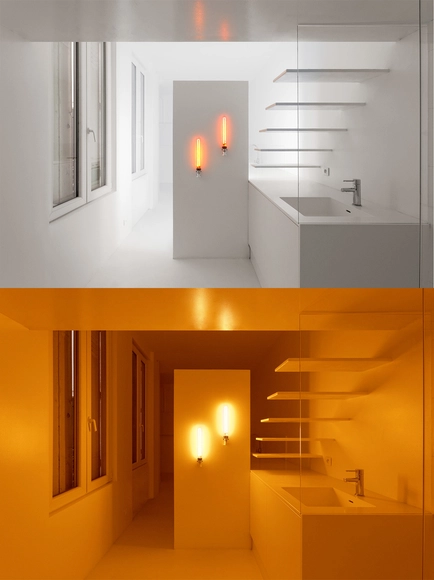
If used effectively, lighting can become a lot more than just an illuminator; it becomes a mood setter, a symbol of a specific emotion the architect is trying to convey. For instance, indirect lighting becomes a floater, levitating the walls from the ground and making the space seem lighter in weight, whereas orange light manipulates the space's temperature, creating the illusion that the users are walking into an intense, overheated room.