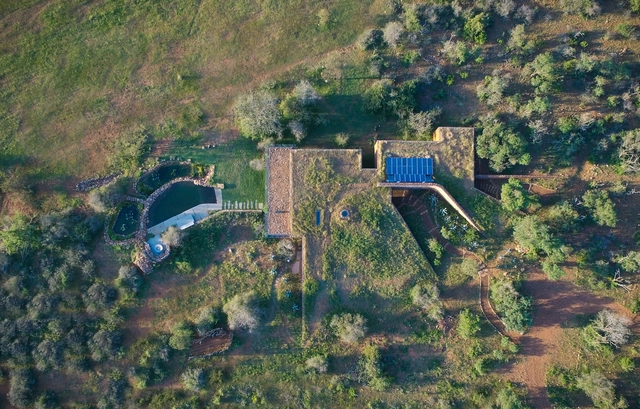
As a human creation, architecture as an object always poses the challenge of its integration into the landscape. When a design opts to go underground, it can bring various design benefits, such as blending into the context, as well as technical advantages like increased thermodynamic efficiency.
Landaburu Borda Country House / Jordi Hidalgo Tané. Image
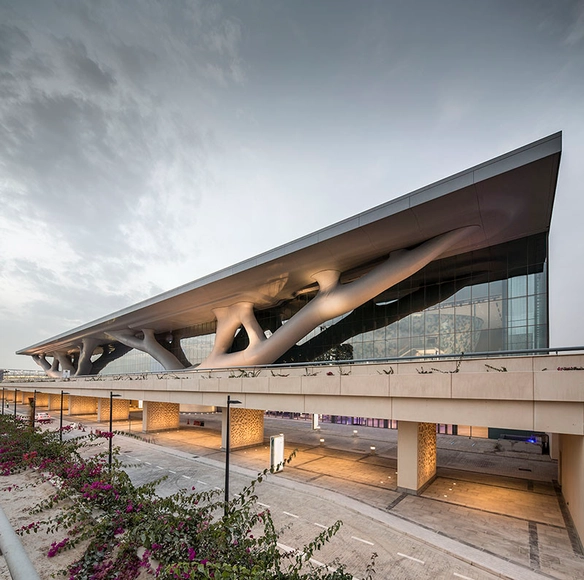
While some works serve as monuments to the egos of those who practice this profession, other architectural approaches propose the exact opposite. These practices deliver projects that—almost poetically—harmonize built elements with the surrounding natural environment. There are also designs that adapt to the morphological order of nature, resulting in an organic language that generates highly unique and singular interior spaces.
When Hudson Yards opened in Manhattan in 2019, it promised a new urban neighborhood built from scratch. 16 towers with 4,000 residential units were erected in hopes of creating a strong community. Despite its lavish amenities and lofty public plazas, a peculiar emptiness persisted. The development felt anonymous, speaking to a fundamental truth about human social capacity.
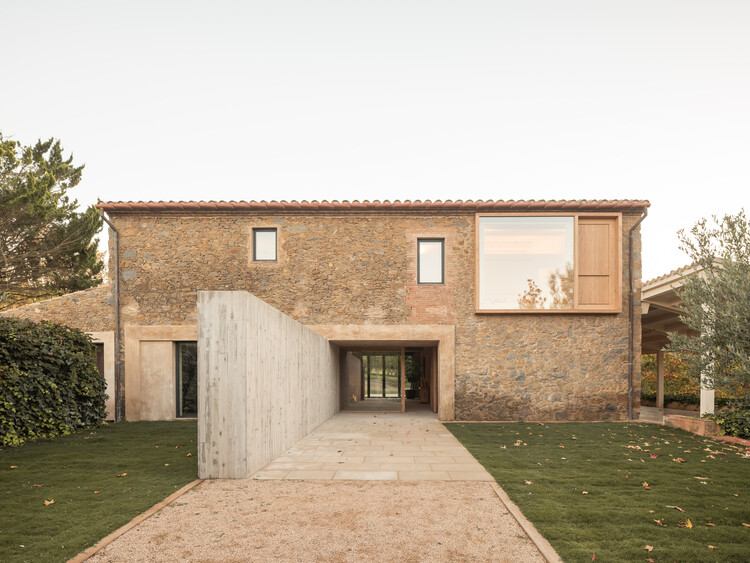
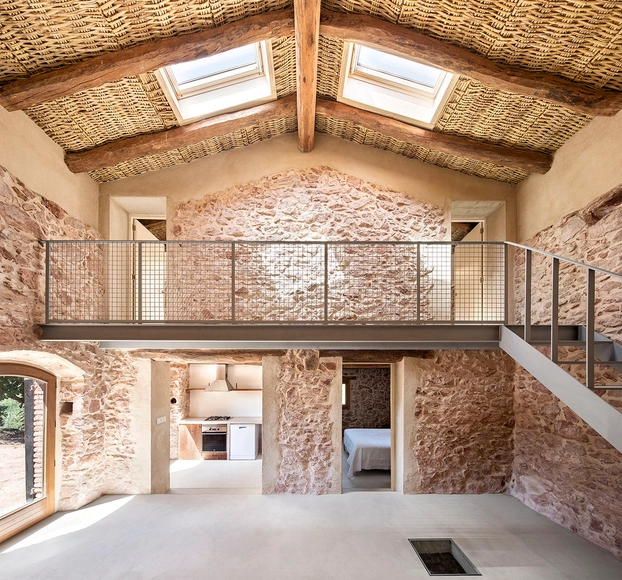
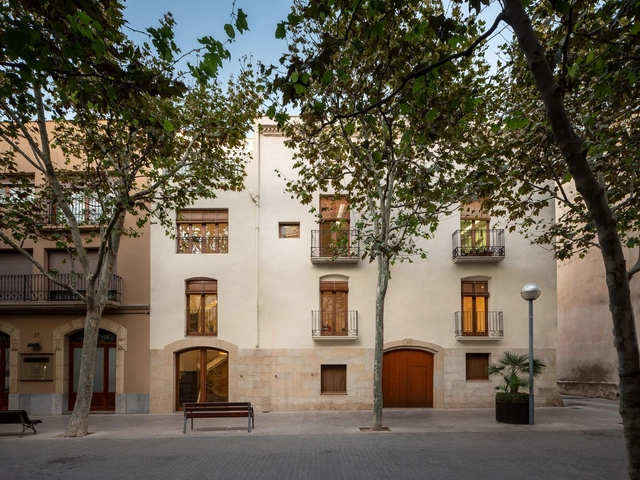
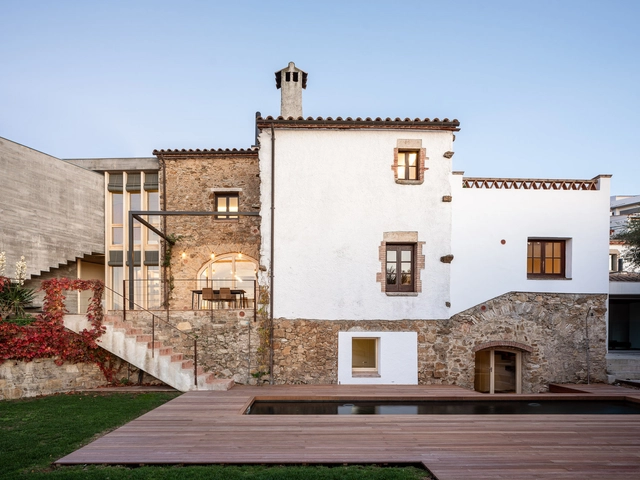
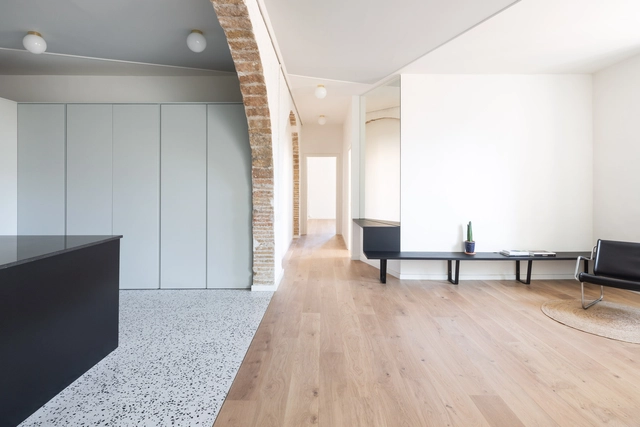
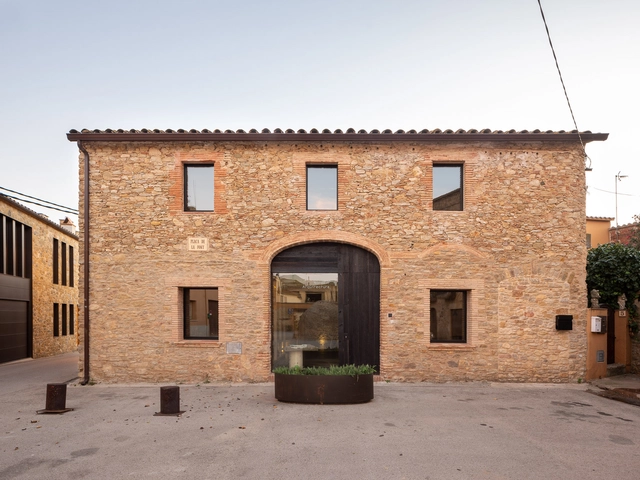
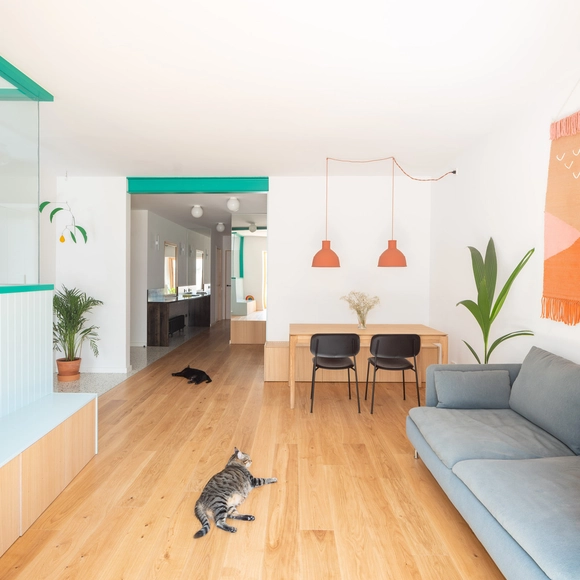
What does architectural restoration, transformation, or renovation entail? What factors are involved in their processes? When delving into the interiors of Spanish homes, we set out to discover the various methodologies, tools, and technical and construction strategies that are often employed, with stone as the main protagonist.
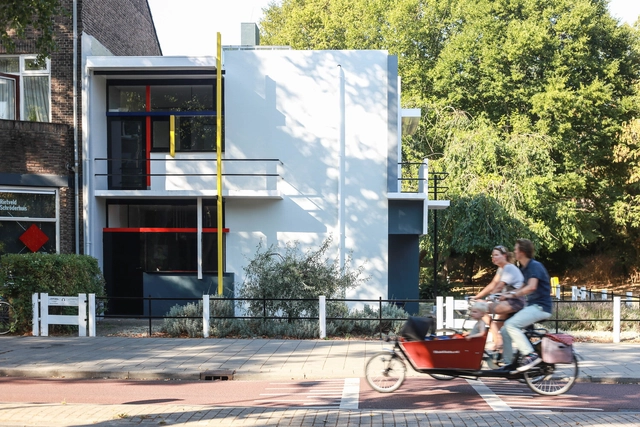
Given that the architects of modernity were in search of purity of form, it stands to reason that the image of this modern architecture is almost inevitably rendered in white in the collective imagination. Relieved of superfluous decorations, modern architecture became associated with the predominant use of white surfaces to highlight the volumetric composition. Combined with the concept of “material truth” first articulated by Victorian critic John Ruskin, white-colored architecture is often understood as straightforward, clear, and sincere.
Japanese architect and theorist Arata Isozaki, winner of 2019's Pritzker Prize, passed away at the age of 91. Since the 60s, Isozaki has been showing outstanding innovative ideas in his works, influencing eastern professionals with a forward-thinking approach that takes its roots from Japan. In a special tribute to the architect's achievements, ArchDaily highlights the immense list of Arata Isozaki’s projects and recreates the architect's professional development path since his very first works.
With over 20 years of experience, Studio Arthur Casas celebrates the entirety of architectural practice. The office works in different scales, from furniture to urban projects, passing through residences, apartments and buildings, maintaining stringency about the quality of details.
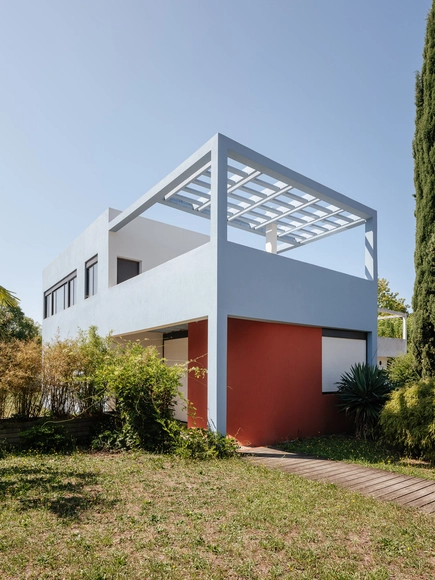
In the 1920s, work was completed on the Cité Frugès housing complex in Pessac, France. The project, meant to house Pessac's industrial workers, would be one of seventeen Le Corbusier works on UNESCO's list of World Heritage Sites.