The Faculty of Architecture and Design at Universidad Finis Terrae will launch the second issue of Revista Archipiélago, an academic publication that seeks to disseminate new knowledge related to various artistic disciplines. This issue focuses on "distance," a crucial theme for our times and for the fields of space and design, explored through three thematic axes: Design Critique, Design Processes, and Logbook.
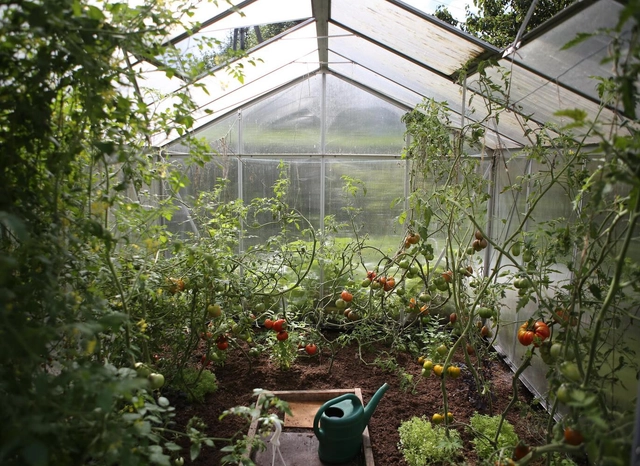
Rio de Janeiro will host the world's largest urban garden, according to the organizers of the Hortas Cariocas program. The municipal government-funded initiative aims to promote "food sovereignty, generating self-sufficiency through organic products, and creating gardens in municipal schools and communities across Rio."
As part of the cultural programming at the Crystal Bridges Museum of American Art, the exhibition "Architecture At Home" features an outdoor space bringing together five housing prototypes that seek to spark a conversation on contemporary housing. Driven by research, five architecture firms based in the Americas designed and fabricated 500-square-foot prototypes for a contemporary home, installed along Orchard Trail on the museum grounds.
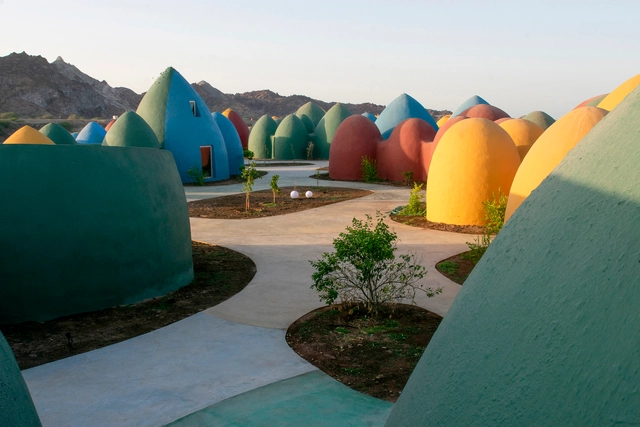
Proyecto: The Superadobe Domes of Hormuz, Zav Architects, Hormuz, Irán. Image Cortesía de ZAV Architects / Tahmineh Monzavi, The ArchDaily Guide To Good Architecture, gestalten 2022
Together with publisher gestalten, we recently published our first book: The ArchDaily Guide to Good Architecture. It represents a pause to reflect on the more than 40,000 projects curated over the past 15 years, drawing from their contributions to answer the ambitious question of what constitutes good architecture.
Now, it is your turn—our readers—to tackle this question.
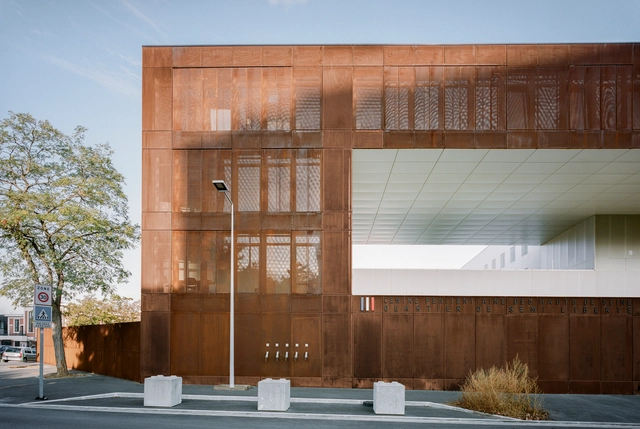
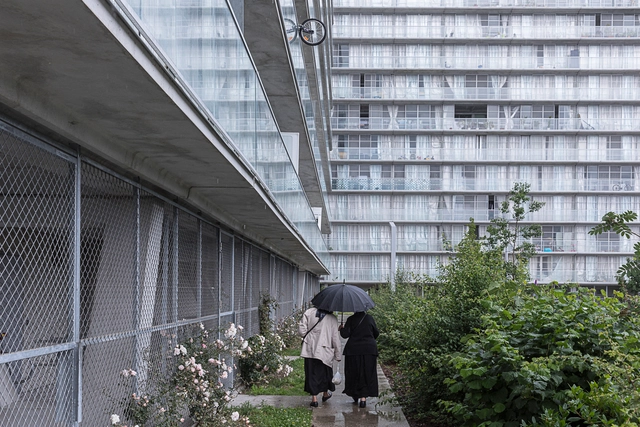
Commissioned from LAN (Local Architectural Network) by the French government, the Nanterre minimum-security prison project engages with the concepts of the penal system by critically reviewing the design of these buildings. The complex is guided by an attempt to better integrate it into the urban fabric, reinforcing the importance of the relationship between the city and prison structures as spaces for social integration. Consequently, understanding the proposal for the Nanterre Minimum-Security Area involves political, institutional, and historical factors that retrieve and reframe historical and contemporary debates surrounding the penitentiary system in general, and the French system in particular. While a prison is naturally understood by its confinement, LAN's design prioritizes an educational and humanitarian character to transform both the inmates and the public's perception of them.
https://www.archdaily.com/1132545/confinement-and-transparency-how-the-nanterre-minimum-security-area-contributes-to-redefining-the-classic-concept-of-the-prisonAlexandre Kok, Caio França, Gabriela Rudge, Lara Girardi, Lia Soares, Maria Clara Calixto, Marina Liesegang, Marina Saboya, Pedro Trama, Tamara Silberfeld e Valentina Kacelnik
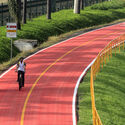
Minhocão, São Paulo. Photo by D A V I D S O N L U N A via Unsplash
The use of bicycles has grown in recent years, altering the landscape of Brazil's major cities. Among the factors that may have contributed to this shift, one of the most prominent is investment in cycling infrastructure. Data from a Brazilian study reinforces this perspective, demonstrating that bike lanes are a determining factor for those who do not yet ride to take up cycling.
https://www.archdaily.com/1132030/3-actions-to-promote-cycling-and-equity-in-access-to-the-city-in-brazilPaula Manoela dos Santos, Ariadne Samios, Larissa Oliveira e Fernando Corrêa
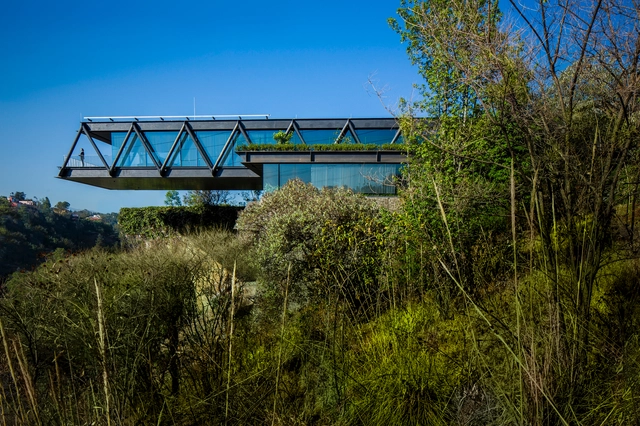
The firm LBR&A—founded by Mexican architect Benjamín Romano—has been recognized at the German Design Council's Iconic Awards: Innovative Architecture for its project Casa CH73. The residence was named “Best of the Best” in the Architecture category, which encompasses projects such as corporate buildings, museums, hotels, shopping centers, stadiums, and housing, among others.
- Learn how to increase the perceived value of your work to close more and better projects; - Learn the secrets to becoming a more confident professional; - Discover Renata Pena's tips for growing your architecture and design firm.
A total of 9 works and 20 projects were named winners in this edition of the BIAU, an event organized by the Government of Spain through the Ministry of Transport, Mobility, and Urban Agenda (MITMA) via the General Directorate of Urban Agenda and Architecture. The biennial will take place within the framework of the MEXTRÓPOLI Architecture and City Festival in Mexico City from September 21 to 25.
What is it like to walk past the buildings and houses on the street where you live? Or the street where you work, study, shop, or take your children to school? What relationship do these buildings and houses have with the sidewalk? How do they treat pedestrians? Do they make you want to walk past them? Do they welcome or repel?
The Santiago Architecture Film Festival is celebrating its first decade since its inaugural edition in October 2012. To mark this milestone, it has invited members of its community to answer the question that has guided its work: What do we talk about when we talk about film and architecture?
The concept of social housing in Chile began to emerge in the late 19th century, driven by population growth following rural-to-urban migration. At the time, people lived primarily in conventillos (tenements) and ranchos (shacks) under precarious living conditions. Facing a severe housing deficit, Chile took its first state measure in 1906 with the “Workers' Housing Law” (Ley de habitaciones obreras). Over the years, this policy framework evolved, leading to the creation of the Ministry of Housing and Urbanism (MINVU) in 1965, followed by the Housing and Urbanization Service (SERVIU) around 1980—institutions that continue to manage housing policy to this day.
It is increasingly common to see contemporary families seeking housing options that not only meet their social, economic, and cultural conditions, but are also capable of responding to their future residential needs. At the same time, we witness the emotional, physical, and financial effort required to transform and adapt existing spaces to accommodate family changes. Consequently, designing evolutionary and adaptable housing has become one of the greatest challenges for architects today.
A little-known facet of Sigurd Lewerentz’s work is the collection of photographs he took during his various travels throughout Sweden over the course of his life. While his famous photographs from his travels in Italy sought to capture the essence of ruins and fragments of classical architecture, in his native country, he turned his attention to landscapes and gardens, cemeteries, and vernacular architecture—ranging from isolated buildings to entire clusters—as well as church interiors, domestic spaces, walls, fences, and gates. Everything was captured through the lens of an architect, rather than an ethnographer.
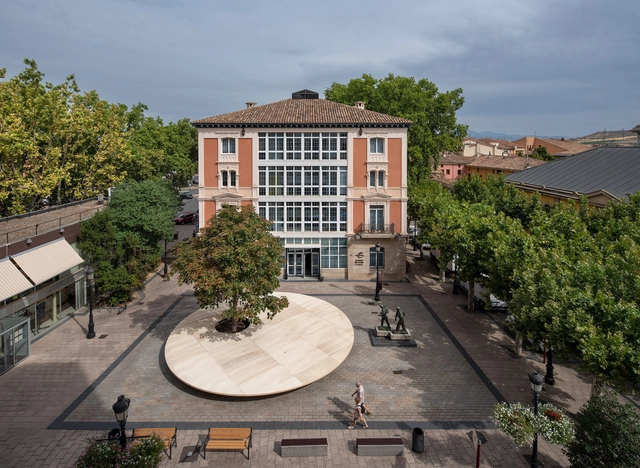
There is no need to worry about getting lost. Over its eight editions, the team behind the Concéntrico Festival has curated an extensive series of locations: new squares, interior courtyards, and hidden public spaces that speak volumes about the role of the urban fabric when discussing architecture in Logroño.
Videos
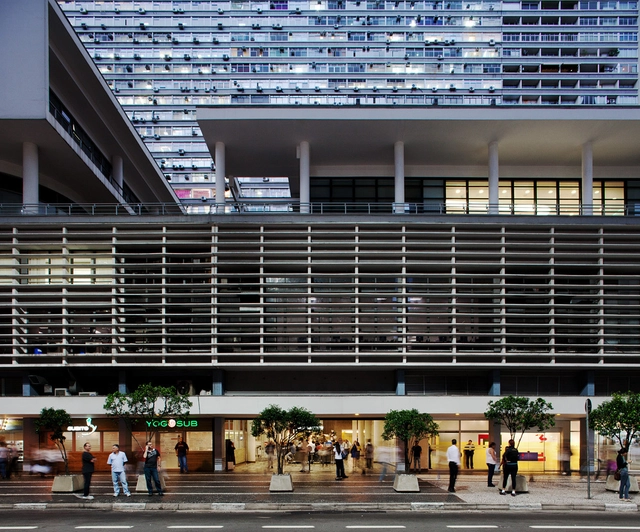
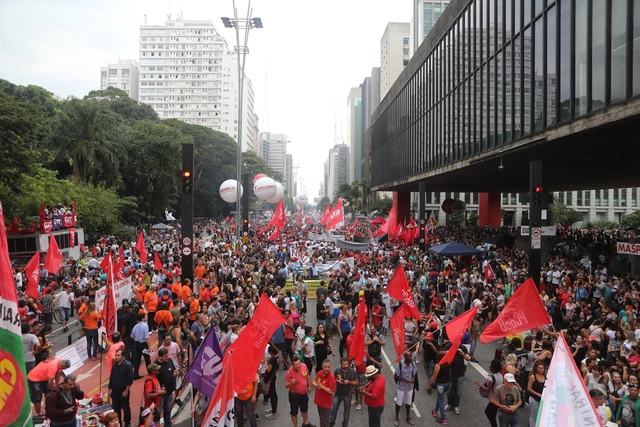
Photo by Nilton Fukuda/Estadão Conteúdo/Veja SP
The Escola da Cidade, through the event XVI International Seminar – Cities in Debate: Contemporary Perspectives and Practices, organized by Professors Silvio Oksman and Sabrina Fontenele, welcomed architect Joice Berth for a talk on citizenship.
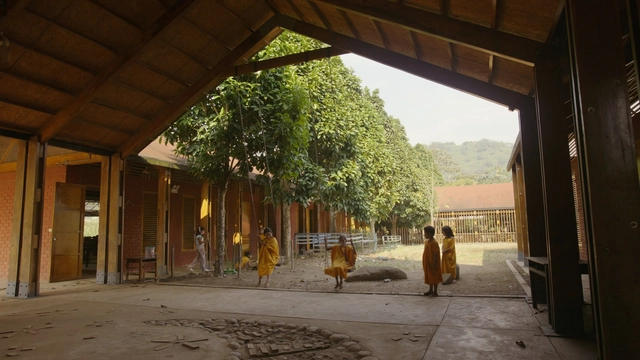
Building Visions is a new architecture series by Chilean director Diego Breit-Lira that, across four episodes, features architects Johannes Tovatt, Marta Maccaglia, Anupama Kundoo, and Florian Boer. What do they have in common? They seek answers to the major questions facing our civilization today: climate change, rapidly growing cities, education, resource consumption, local community participation, and networking.