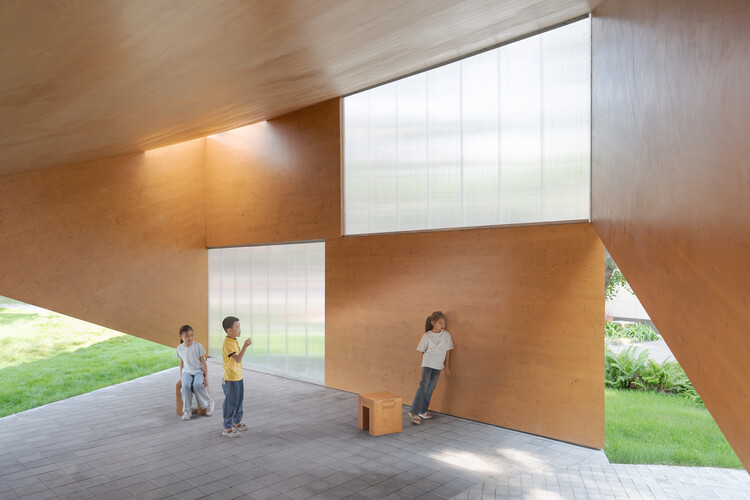
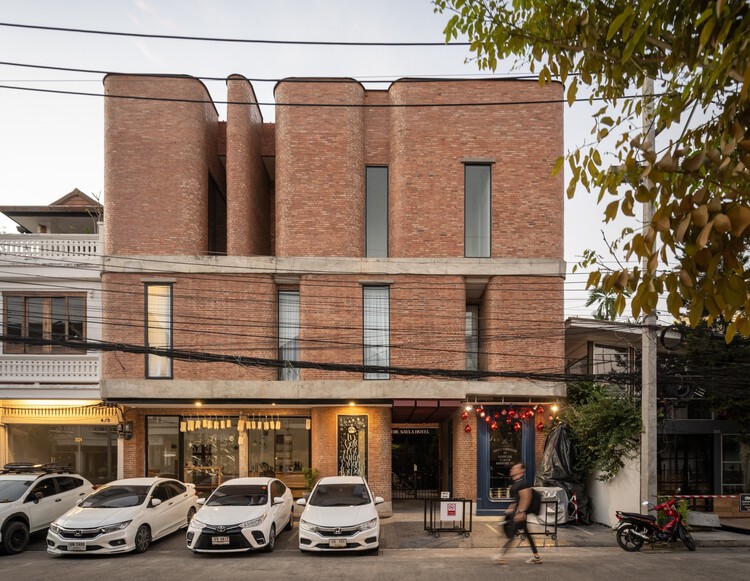
The Sayla Hotel / EKAR Architects


https://www.archdaily.com/1185238/the-sayla-hotel-ekar-architectsPratik Mour
Haikou Workers’ Activity Center (Workers’ Cultural Palace) / CADG

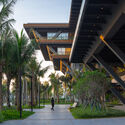
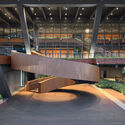
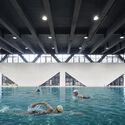
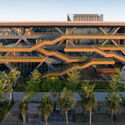
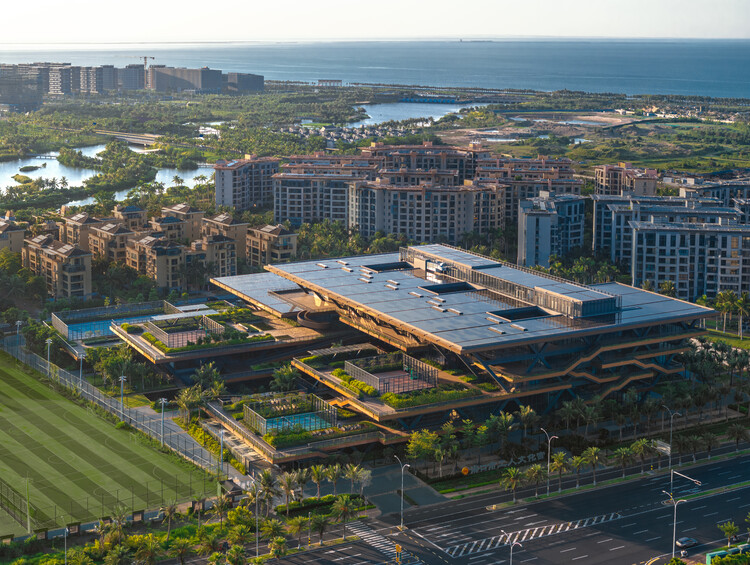
https://www.archdaily.com/1185425/haikou-workers-activity-center-workers-cultural-palace-cadgValeria Silva
La Haya House / PH TIPO CASA

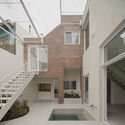
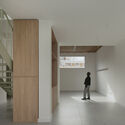
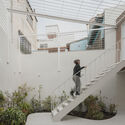
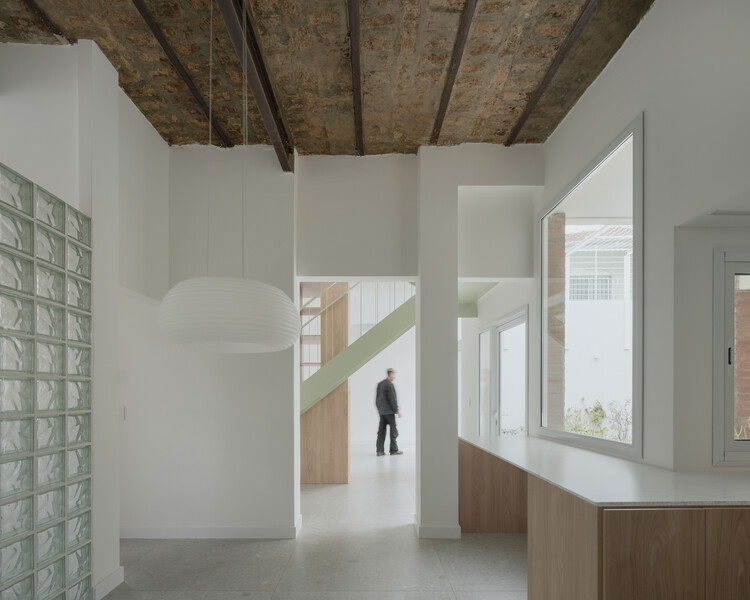
-
Architects: PH TIPO CASA
- Area: 232 m²
- Year: 2026
https://www.archdaily.com/1185519/la-haya-house-ph-tipo-casaValentina Díaz
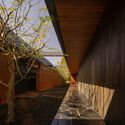
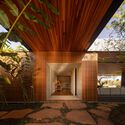
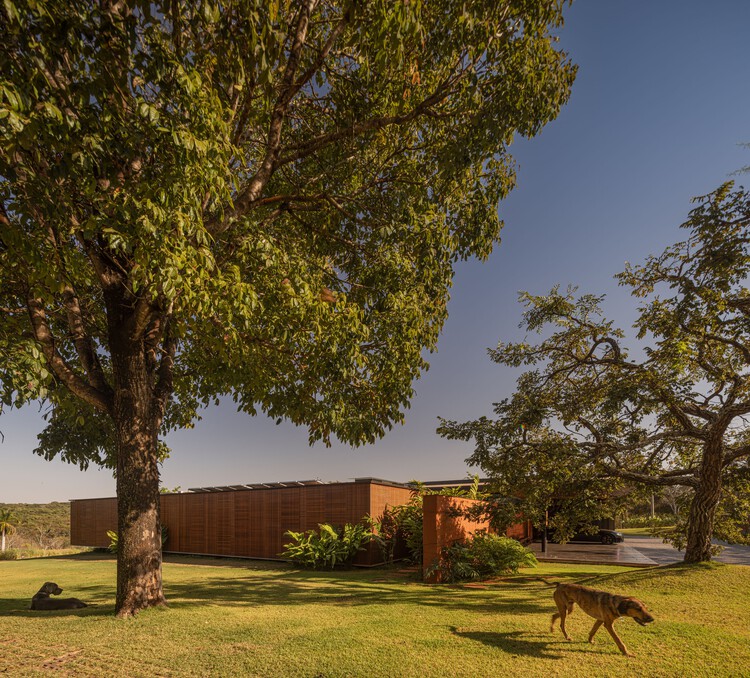
Casa Muxarabi / mf+arquitetos

-
Architects: mf+arquitetos
- Area: 654 m²
- Year: 2025
https://www.archdaily.com/1185496/casa-muxarabi-mf-plus-arquitetosSusanna Moreira
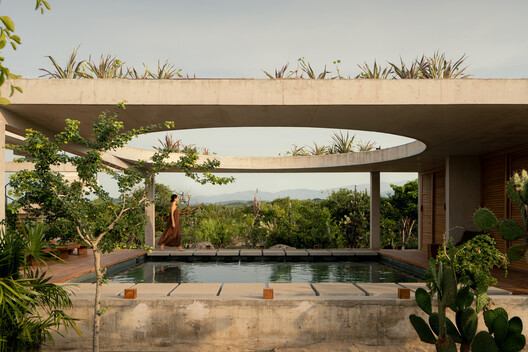
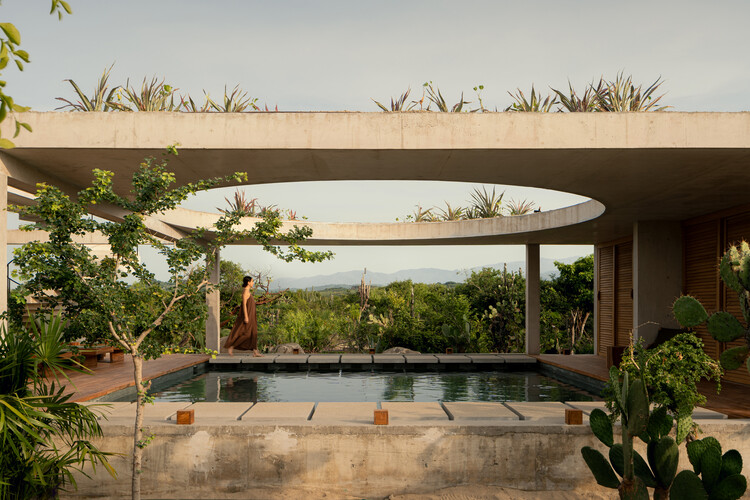
Cieno House / TAC Taller Alberto Calleja
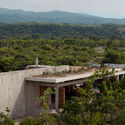
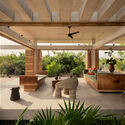
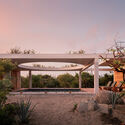
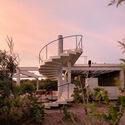
-
Architects: TAC Taller Alberto Calleja
- Area: 300 m²
- Year: 2026
https://www.archdaily.com/1185476/cieno-house-tac-taller-alberto-callejaValentina Díaz





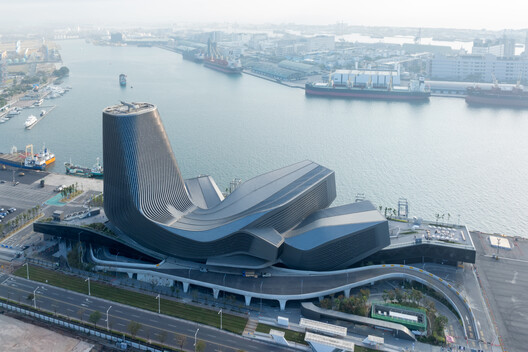
Kaohsiung Port Terminal / RUR Architecture DPC
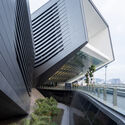
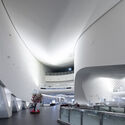
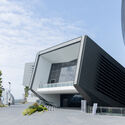
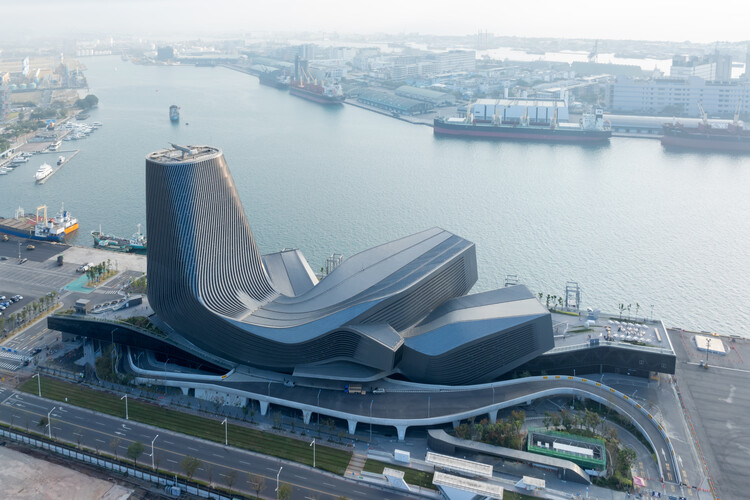
-
Architects: RUR Architecture DPC
- Area: 36880 m²
- Year: 2023
https://www.archdaily.com/1185397/kaohsiung-port-terminal-rur-architecture-dpcNana Dokua
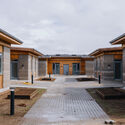
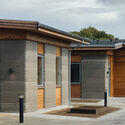
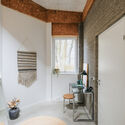
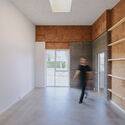
Skovsporet 3D-Printed Student Housing / SAGA Space Architects

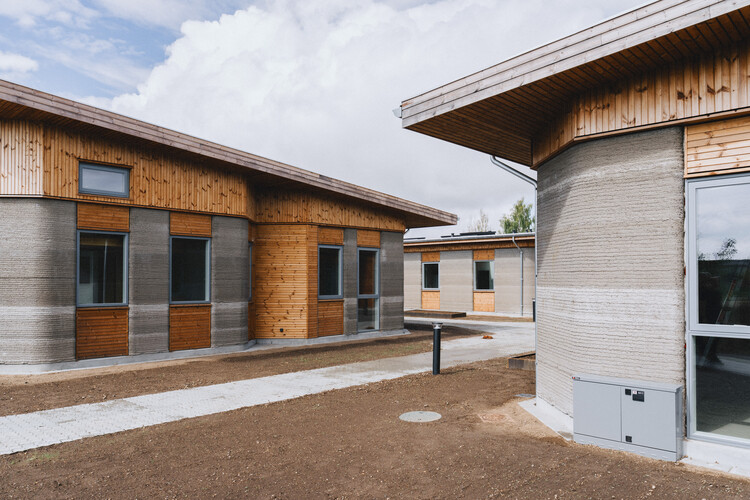
-
Architects: SAGA Space Architects
- Area: 1650 m²
- Year: 2026
-
Manufacturers: VELUX Group, Aalborg Portland, HTH, Marmorline, Rationel
https://www.archdaily.com/1185046/skovsporet-3d-printed-student-housing-saga-space-architectsCristina Popescu
From the Classroom to the Courtyard: How 10 Brazilian Universities Rethink the Learning Space

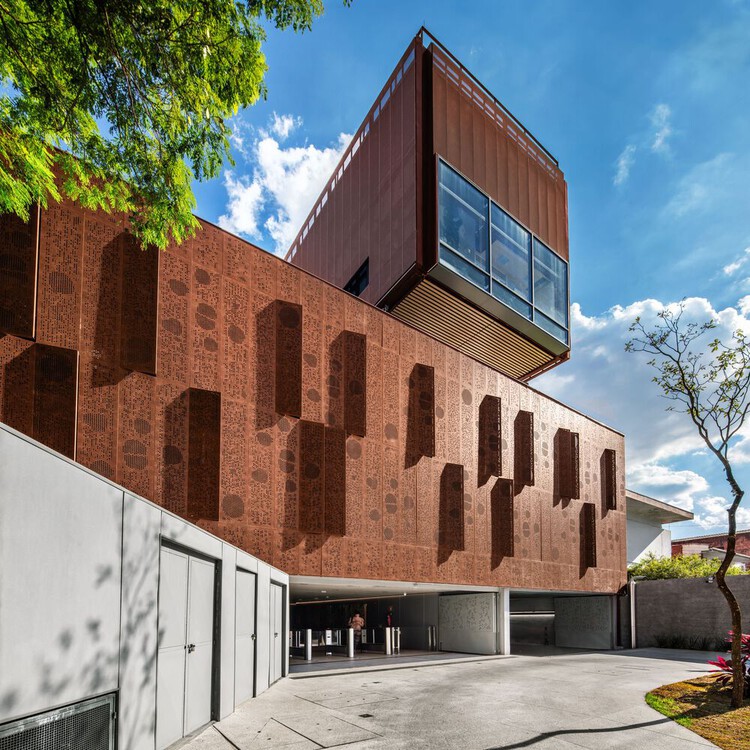
In 1961, when conceiving the Faculty of Architecture and Urbanism of the University of São Paulo, in São Paulo, Vilanova Artigas and Carlos Cascaldi established a paradigm that continues to resonate throughout Brazilian university architecture: the building as a continuous territory, articulated by ramps, courtyards, and open spans, where the experience of learning extends beyond the classroom. The idea emerged at a moment of transformation in Brazilian higher education, which, over the following decades, would expand from serving a relatively restricted audience to reaching a much broader and more diverse population. If Brazil had approximately 226,218 undergraduate enrollments in 1960, by 2023 that number had approached 10 million.
https://www.archdaily.com/1184932/from-the-classroom-to-the-courtyard-how-10-brazilian-universities-rethink-the-learning-spaceCamilla Ghisleni
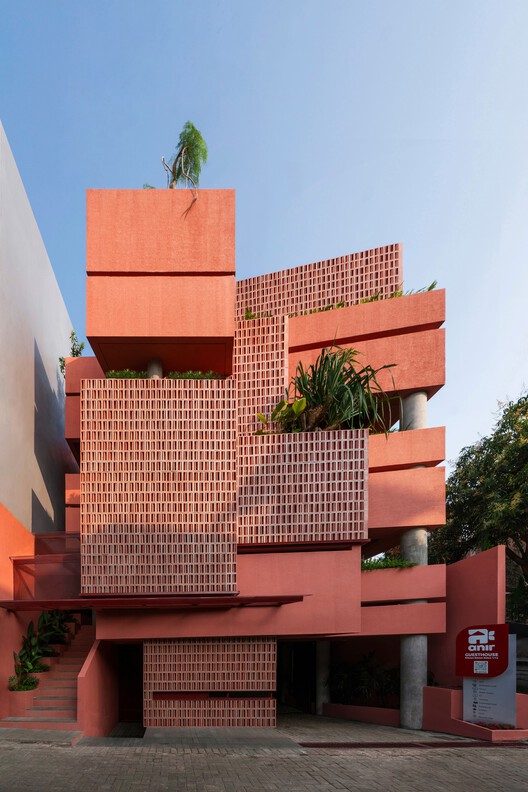
Anir Guest House / Tamara Wibowo Architects
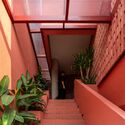
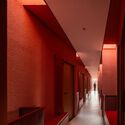
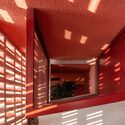
https://www.archdaily.com/1185321/anir-guest-house-tamara-wibowo-architectsPratik Mour
How Can Thin Brick Support High-Performance Buildings?
| In Collaboration

Masonry is often perceived through its weight, depth, texture, and sense of permanence. Yet these physical qualities also have several implications for the performance of a building envelope. From the thickness of the mortar joint to the weight of the material, every masonry decision is connected to considerations of durability, stability, and long-term performance, while preserving the material character associated with solidity and permanence. At Summer Street Apartments, thin brick offered a way to retain these qualities while accommodating the insulation and envelope requirements of an all-electric, net-zero energy building. Just as importantly, it helped give the project the residential character the architects were looking for.
https://www.archdaily.com/1184693/how-can-thin-brick-support-high-performance-buildingsAgustina Iñiguez
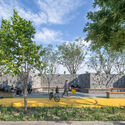
On the International Day of Peace: Architecture Between Conflict and Coexistence

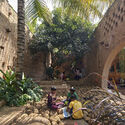
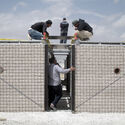
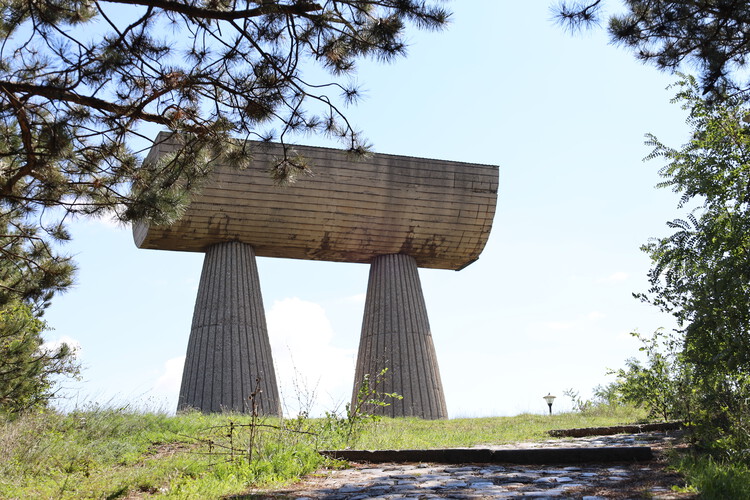
Every year on September 21, the United Nations marks the International Day of Peace, an observance that invites global reflection on the conditions necessary to cultivate non-violence, social stability, and human dignity. Under the 2026 theme, "Invest in Peace – For Everyone, Everywhere, Every Day," the international body emphasizes that peace is neither static nor self-sustaining. Rather than an abstract condition defined solely by diplomatic agreements, peace operates as an ongoing social process, shaped by economic equity, institutional integrity, and the quality of civic life across communities.

https://www.archdaily.com/1185438/on-the-international-day-of-peace-architecture-between-conflict-and-coexistenceReyyan Dogan
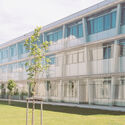
Educational Facility URSIKS / Arhitekti Počivašek Petranovič

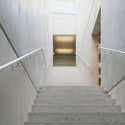
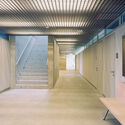
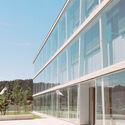
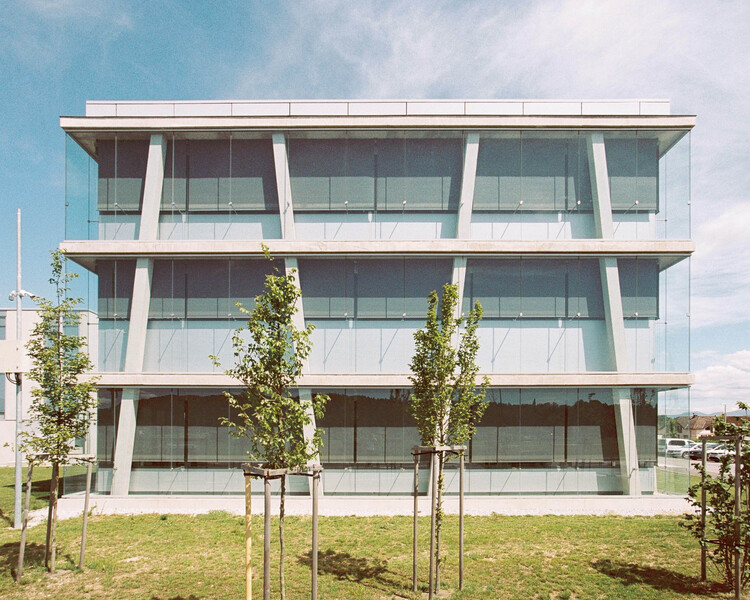
-
Architects: Arhitekti Počivašek Petranovič
- Area: 855 m²
- Year: 2025
https://www.archdaily.com/1185341/educational-facility-ursiks-arhitekti-pocivasek-petranovicValeria Silva
"The Homes of Tomorrow Are Already Built": European Citizens' Initiative for the Right to Housing Opens Signature Collection

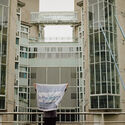
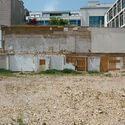
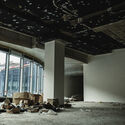
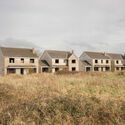
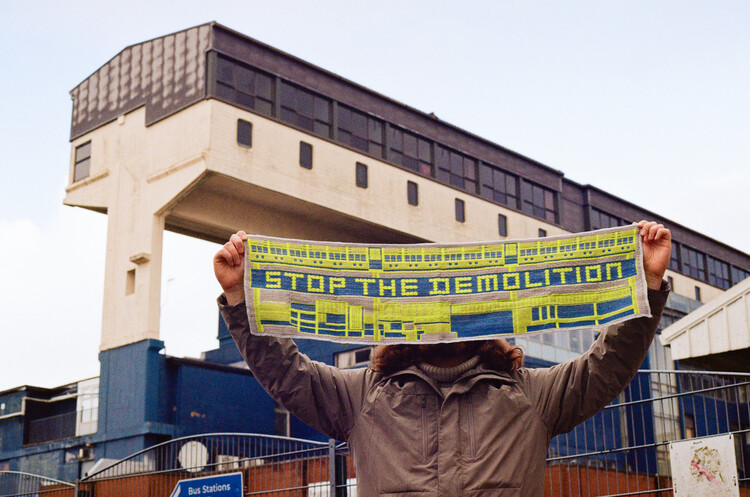
"Right to Housing! Now and Forever" is an official European Citizens' Initiative (ECI) to demand affordable, sustainable, and fair housing across the European Union. The ECI is a governance tool that allows citizens to propose new laws for the European Commission to consider. Initiatives must be organized by a group of at least seven EU citizens living in seven different countries and must gather 1 million valid signatures within one year of receiving official approval. The signature collection for "Right to Housing! Now and Forever" launched on September 14, 2026, and aims to collect 1.2 million signatures across the EU to require the European Commission to formally respond to and address the proposal. The project builds on the HouseEurope! European Citizens' Initiative, which focused strictly on building renovation and closed unsuccessfully on January 31, 2026. This new proposal, put forward by a broader coalition, encompasses not only renovation but also financing tools and measures to ensure access.
https://www.archdaily.com/1185409/the-homes-of-tomorrow-are-already-built-european-citizens-initiative-for-the-right-to-housing-opens-signature-collectionAntonia Piñeiro
Escaping Systems: Architecture Beyond Familiar Ground

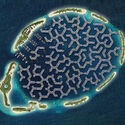
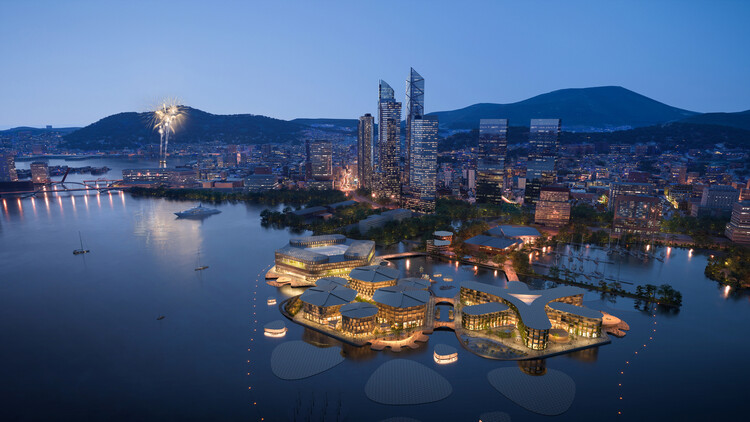
Cities depend on systems that already exist around them. When architects design on water or beyond Earth, those systems are no longer available. Without fixed ground or nearby networks for energy, water, transport, and waste, architecture has to take on functions the larger city would normally provide.
The reason for moving beyond familiar ground also changes from one project to another. In the Maldives, building on water responds to the vulnerability of existing land. In Busan, floating development creates another direction for urban expansion. On the Moon, the challenge is more absolute: there is no existing infrastructure to connect to at all.
https://www.archdaily.com/1185010/escaping-systems-architecture-beyond-familiar-groundDaniela Andino
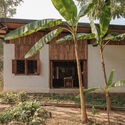
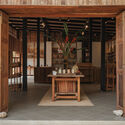
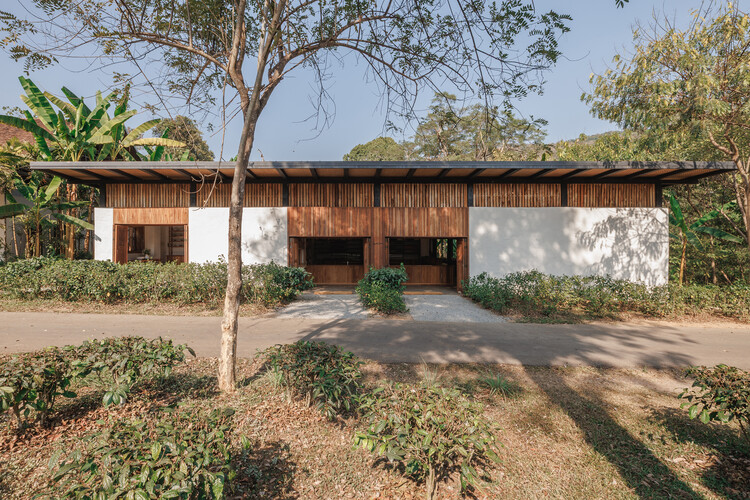
Tea Boutique at Araksa Tea Garden / Simple Architecture + thirteenthree

-
Architects: Simple Architecture, thirteenthree
- Area: 210 m²
- Year: 2024
https://www.archdaily.com/1185326/tea-boutique-at-araksa-tea-garden-simple-architecture-plus-thirteenthreePratik Mour