How to visualize architectural concepts in SketchUp using D5 Lite for faster design exploration.
How to visualize architectural concepts in SketchUp using D5 Lite for faster design exploration.




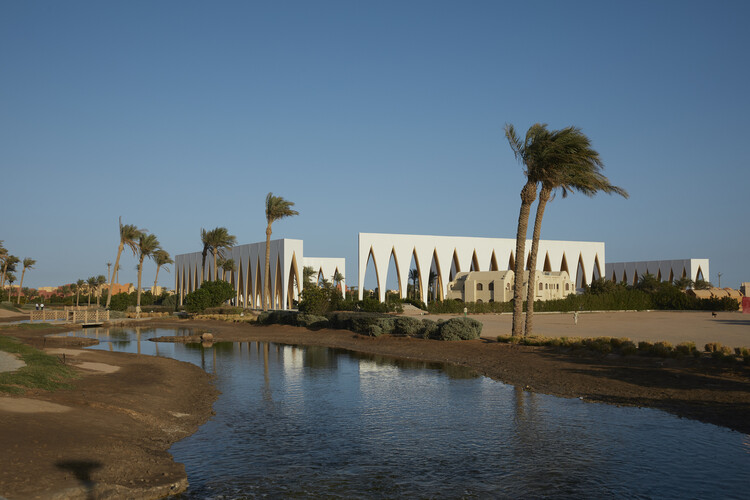
Architecture has long been defined by permanence. Buildings are celebrated because they endure, cities because they establish permanence against uncertainty, and monuments because they resist the passage of time. Some of humanity's oldest urban traditions emerged in landscapes where permanence alone could never guarantee survival. Across the deserts of North Africa and the Arabian Peninsula, oasis settlements developed not as isolated refuges from an empty wilderness, but as carefully maintained pauses within landscapes already shaped by movement. Long before highways and airports connected continents, caravans, pilgrims, pastoralists, and merchants traversed these territories through networks of wells, irrigation systems, cultivated groves, and market towns. The oasis was never the end of a journey. Wells, shaded palm groves, irrigated fields, and caravan markets allowed the next stage of the journey to begin.

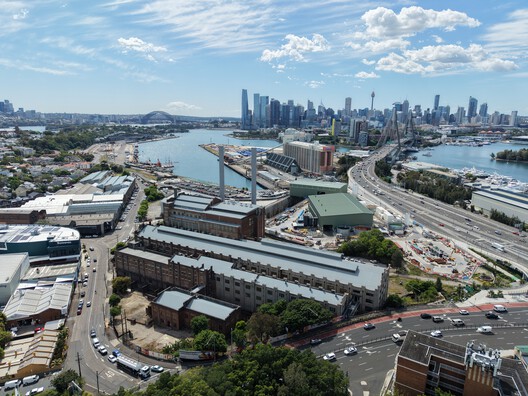
The White Bay Power Station precinct and Glebe Island, two key sites in one of the last major redevelopment sites on Sydney's inner harbour, are the focus of a new international design competition launched by the New South Wales Government. The open, two-stage Bays West International Design Competition seeks a design-led Urban Framework that will guide the transformation of the precinct into a new waterfront neighbourhood.

The UNESCO World Heritage Committee has announced 25 new inscriptions to the World Heritage List during its 48th session, expanding the international register with sites that reflect a wide range of architectural, cultural, and natural heritage. The 2026 additions include 19 cultural properties, five natural sites, and one mixed property, alongside approvals for two significant boundary modifications and one revision to the criteria of an existing inscription. Spanning every inhabited continent, the newly recognized places range from archaeological landscapes and historic urban centers to modernist architecture and industrial heritage, underscoring the diversity of the built environment and the evolving scope of heritage conservation.


On Monday, 27 July, the shortlist of finalists for the 2026 National Architecture Prize was presented at an extraordinary session of the National Board of the Colegio de Arquitectos de Chile (Chilean Institute of Architects). Representing the institution, the five board members jointly awarded the prize to architects Alejandro Aravena Mori and Smiljan Radić Clarke, in recognition of their contributions to positioning Chilean architecture internationally. Both architects have been awarded the Pritzker Architecture Prize: Aravena in 2016 for his work with ELEMENTAL, and Smiljan Radić Clarke this year. The institution also recognised the quality of their work and the contribution of both professionals to the local development of the discipline, as two major figures in architecture from the context of a small country at the southern end of the world.

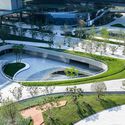
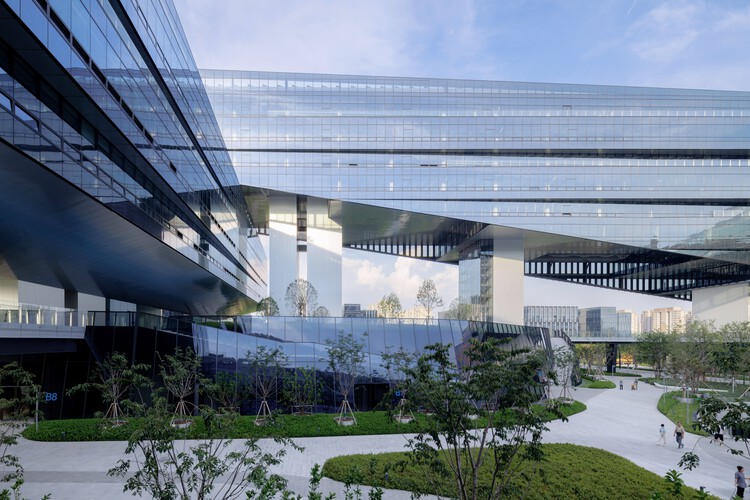
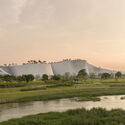
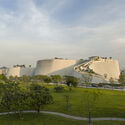
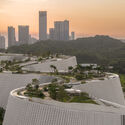
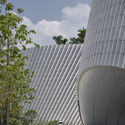
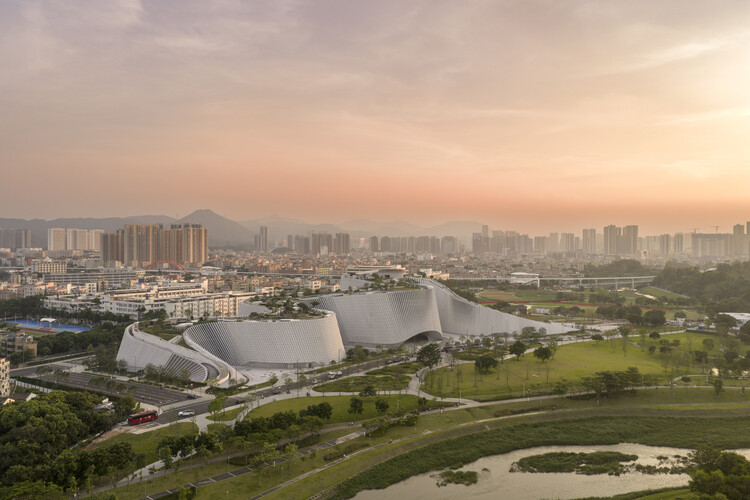
Designed by the 3XN, B+H Architects, and Zhubo Design consortium, the Shenzhen Natural History Museum has opened to the public in Shenzhen, China. Covering more than 100,000 square meters, the institution is the largest natural history museum in South China and among the largest recently completed museums of its kind worldwide. Developed as part of Shenzhen's expanding cultural infrastructure, the project brings together exhibition, research, education, and public space within a single civic destination. 3XN led the architectural design, B+H Architects served as lead consultant, executive architect, and landscape architect, and Zhubo Design provided local technical expertise and regulatory coordination throughout the project's development.

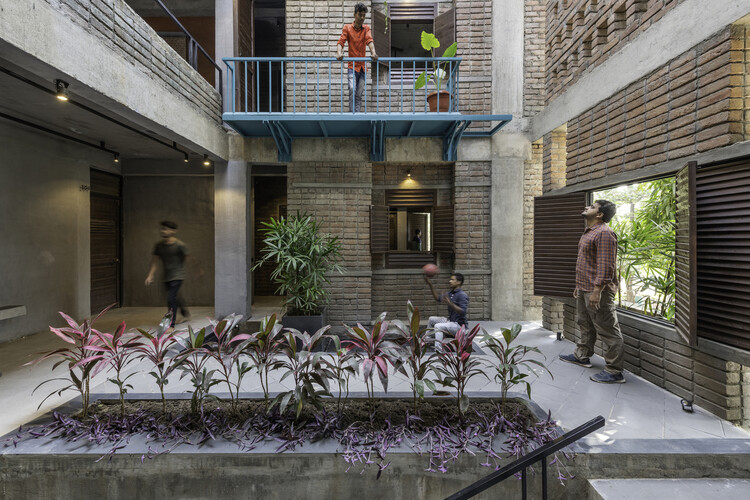
Examining the evolution of dwelling throughout history reveals that concepts of space, time, identity, and home extend far beyond architecture itself. From the early twentieth century to the present, human development has been shaped by accelerating economic, social, cultural, and technological transformations. Advances in information and communication technologies have fostered a world of constant connectivity, a phenomenon that can, at times, disconnect individuals from the physical spaces they inhabit. Amid an ever-growing flow of stimuli, interactions, and digital platforms, shared living across multiple architectural scales and programs presents both a challenge and an opportunity to reconnect people with their surroundings through design strategies that support the freedom of movement and flexibility demanded by contemporary life.