September 16 | Sponsored Content
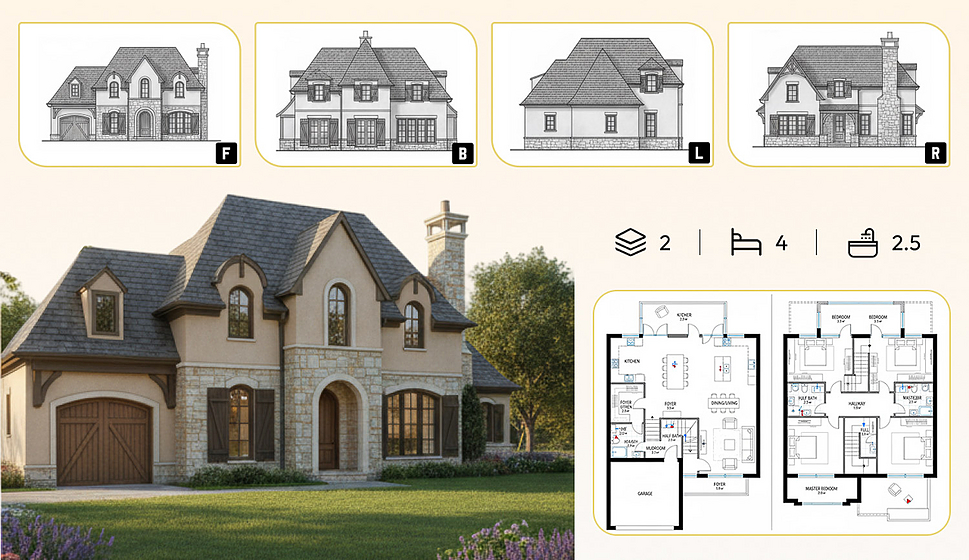
AI tools for architects - House Plan Generator This guide covers a workflow that moves from project parameters to generated floor plans, 3D perspective views, exterior design exploration, and site context visualization, using AI tools in place of preliminary CAD and rendering work.
https://www.archdaily.comhttps://www.archdaily.com/catalog/us/products/39065/how-to-develop-a-residential-design-concept-ideal-house
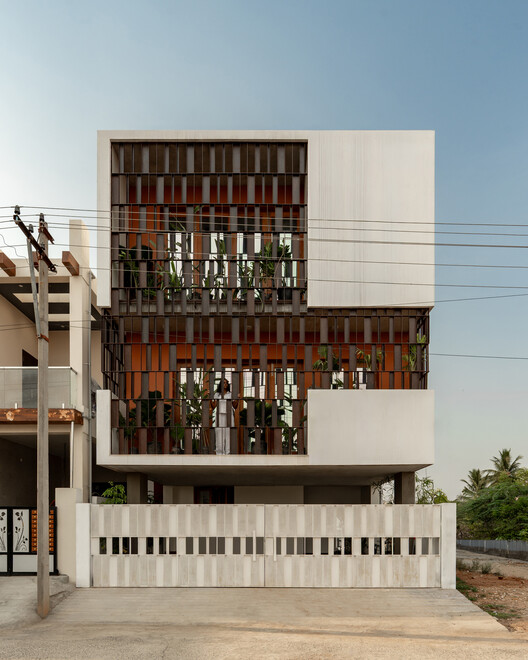
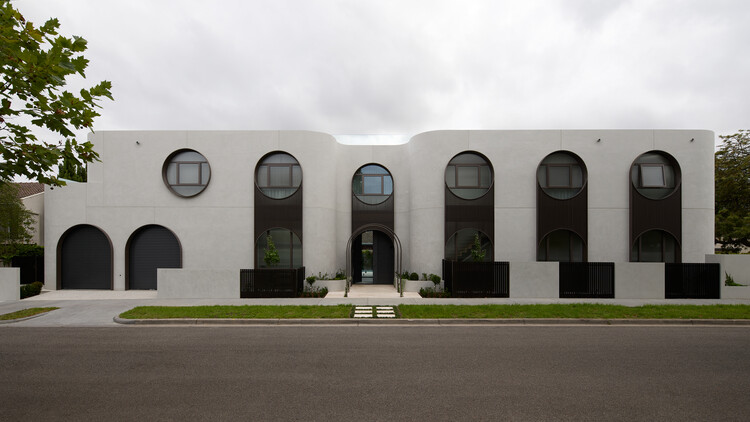
https://www.archdaily.com/1148884/splitscape-residence-spacedna Pratik Mour
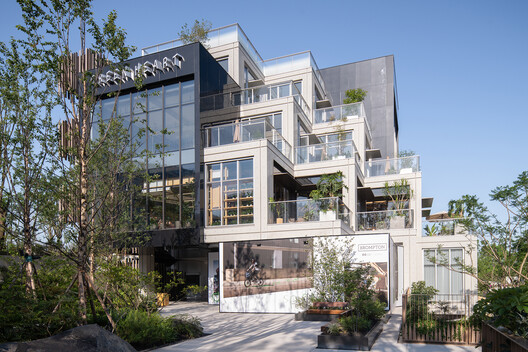
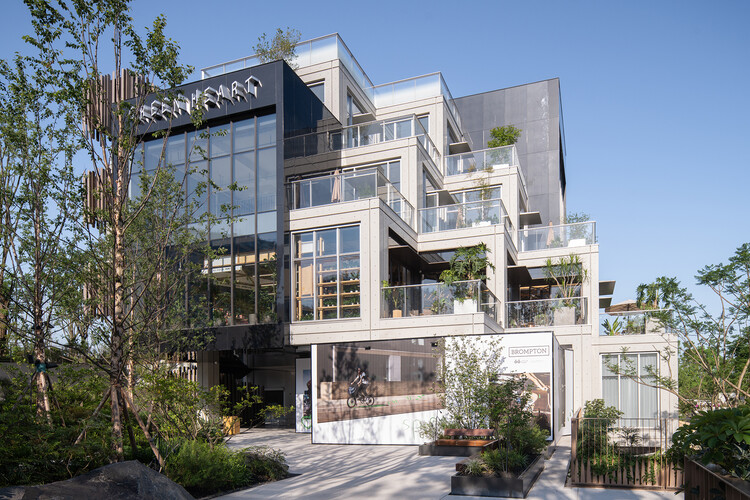
https://www.archdaily.com/1148710/green-heart-commercial-complex-and-a4x-art-center-e-plus-design 韩爽 - HAN Shuang
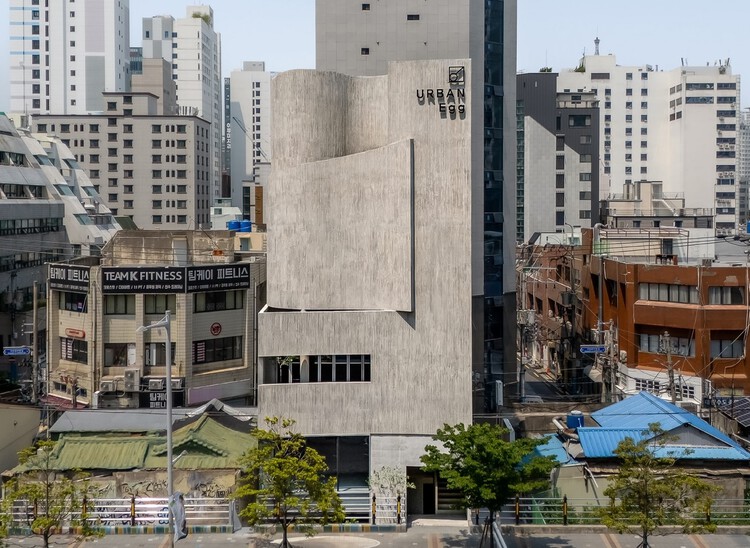
https://www.archdaily.com/1148897/urban-egg-mixed-use-facility-uga-architects Pratik Mour
https://www.archdaily.com/1148742/thomas-residence-embrace-architects Pratik Mour
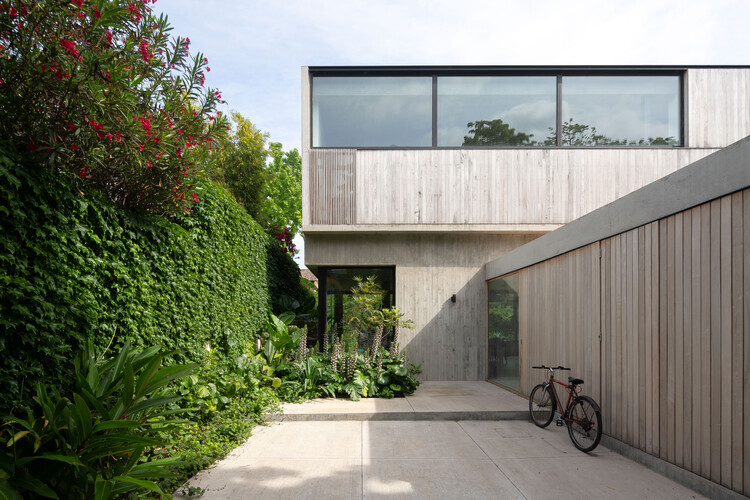
https://www.archdaily.com/1148881/casa-libertad-clusellas-ades Valentina Díaz
https://www.archdaily.com/1148926/illapangui-del-peumo-house-vergara-arquitectos Valentina Díaz
https://www.archdaily.com/1148904/humaita-penthouse-huma-arquitetura Nana Dokua
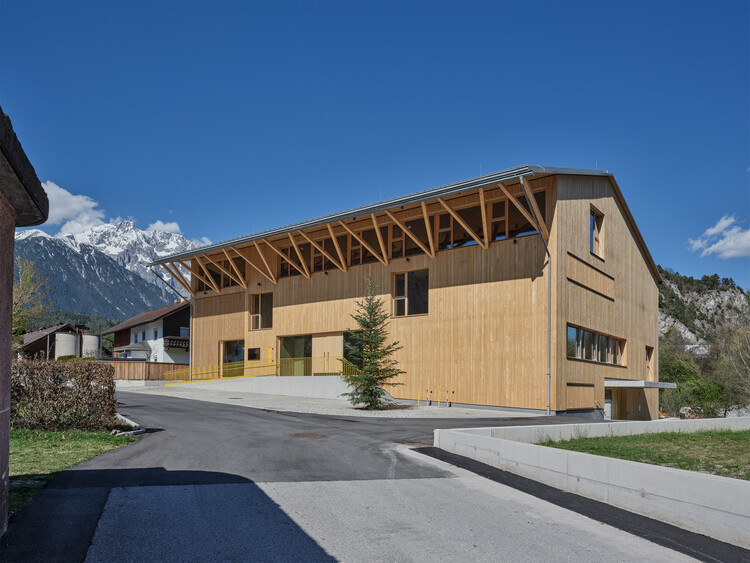
https://www.archdaily.com/1148649/fire-station-and-community-hall-motz-imgang-architekten Cristina Popescu
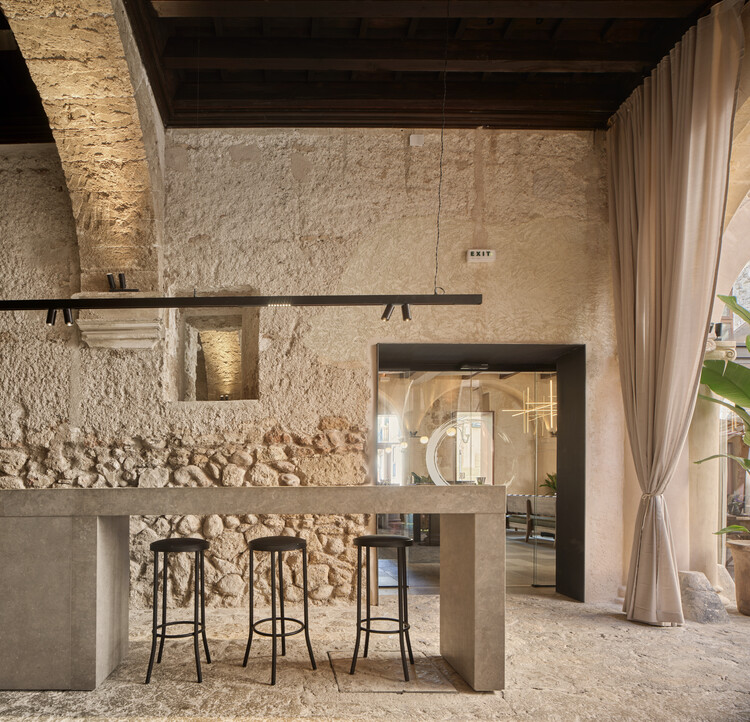
https://www.archdaily.com/1043020/hotel-nobis-palma-jordi-herrero-arquitecto Cristina Popescu
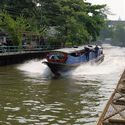
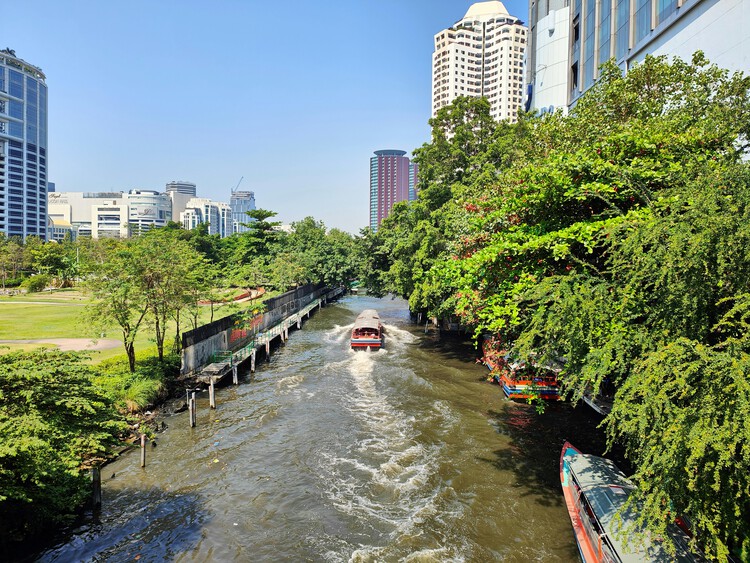
River Canal In City Center of Bangkok. Photo by Kee Hong on Unsplash. ImagePhoto by Red Shuheart on Unsplash
For most of the twentieth century, architecture has learned to read cities through roads. Street hierarchies define urban plans, intersections organize movement, and buildings are understood by the façades they present to sidewalks. Roads appear so fundamental to urban life that they are often mistaken for a universal condition. Across much of Southeast Asia , cities developed according to an entirely different spatial logic. Long before automobiles reordered urban landscapes, rivers served as streets, marketplaces, civic spaces, and public infrastructure. Movement occurred primarily by boat, commerce unfolded along waterfronts, and architecture addressed water rather than asphalt. Reading these cities through their waterways changes how architecture itself is understood. Infrastructure, in this case, is not the road but the river.
+ 6
https://www.archdaily.com/1042908/rivers-before-roads-how-southeast-asias-waterways-produced-an-alternative-urbanism Ananya Nayak
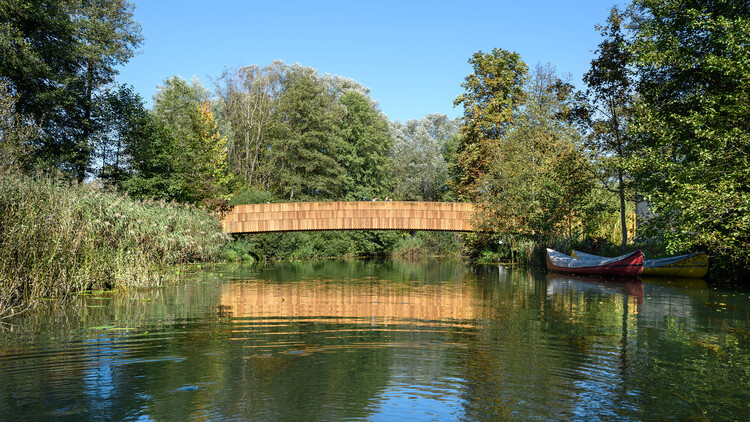
https://www.archdaily.com/1054009/the-pedestrian-bridge-across-the-river-rinza-dans-arhitekti Cristina Popescu
July 19, 2026
Audio available
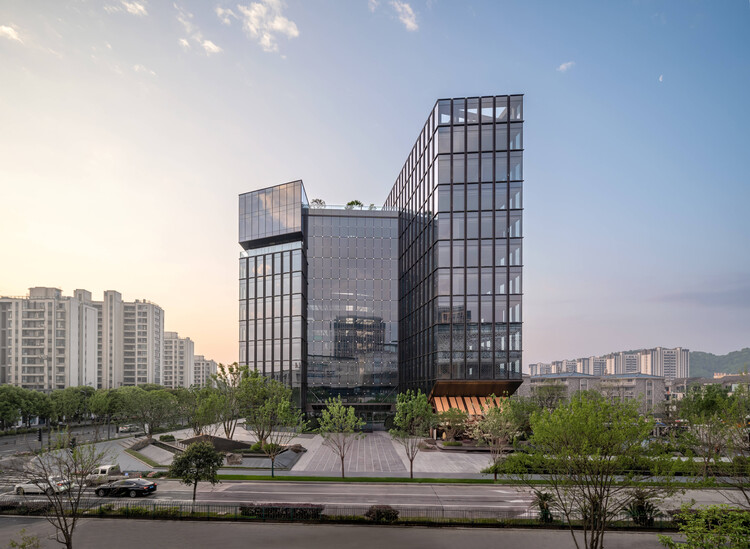
https://www.archdaily.com/1148546/tiansong-headquarters-ziad 韩爽 - HAN Shuang
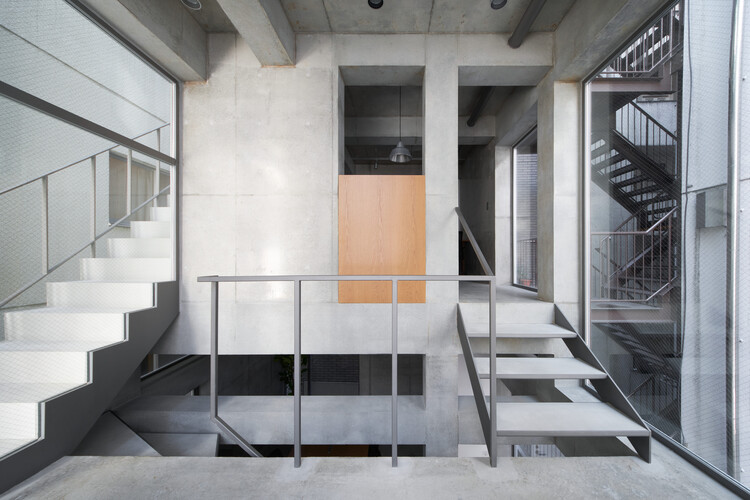
https://www.archdaily.com/1148721/koenji-office-building Miwa Negoro
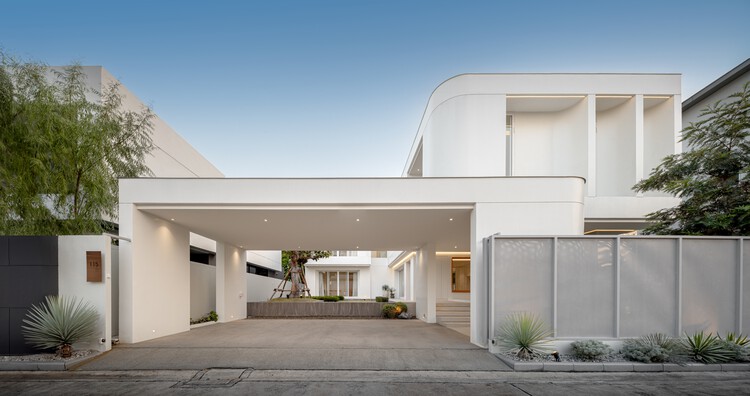
https://www.archdaily.com/1148559/jng-house-bodinchapa-architects Pratik Mour
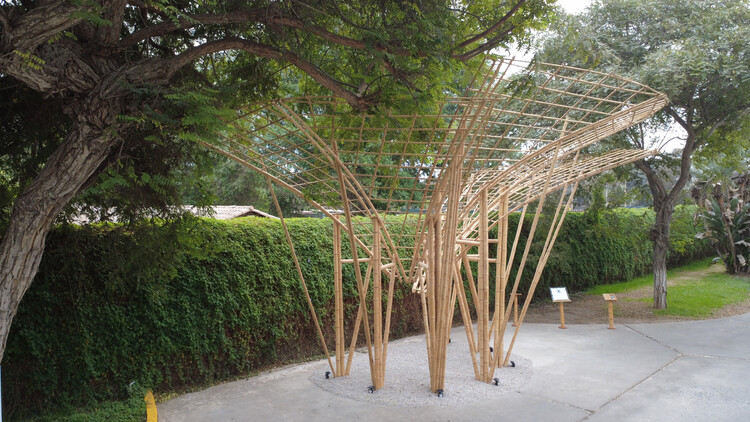
https://www.archdaily.com/1148873/umbral-floral-pavilion-cerron-arquitectos Valentina Díaz
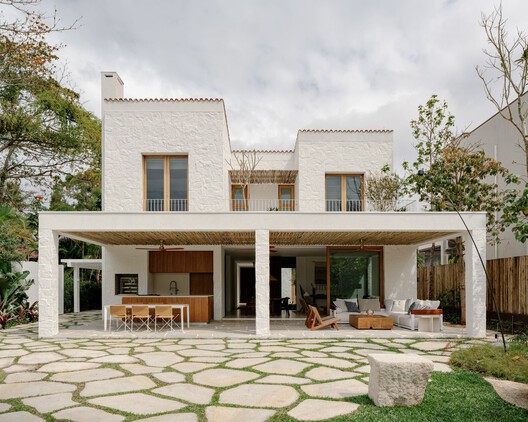
https://www.archdaily.com/1035230/laranjeiras-house-felipe-hess-arquitetos Andreas Luco
https://www.archdaily.com/1148902/veredas-apartment-novais-arquitetura Nana Dokua
https://www.archdaily.com/1042941/halcom-offices-kip Nina Vuga
Discover more
Did you know? You'll now receive updates based on what you follow! Personalize your stream and start following your favorite authors, offices and users.