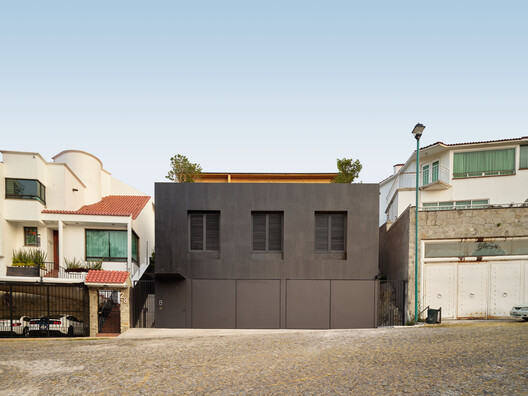
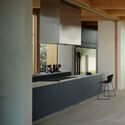
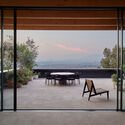
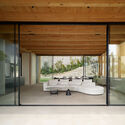
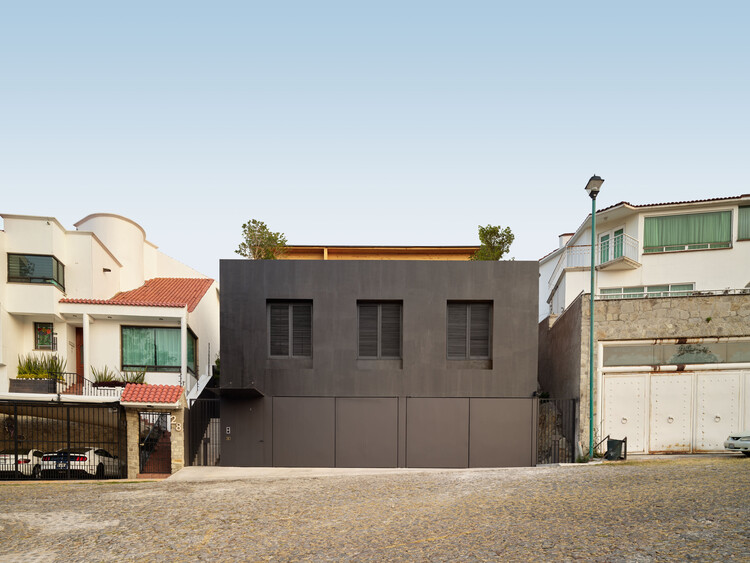
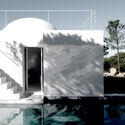
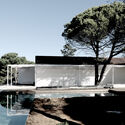
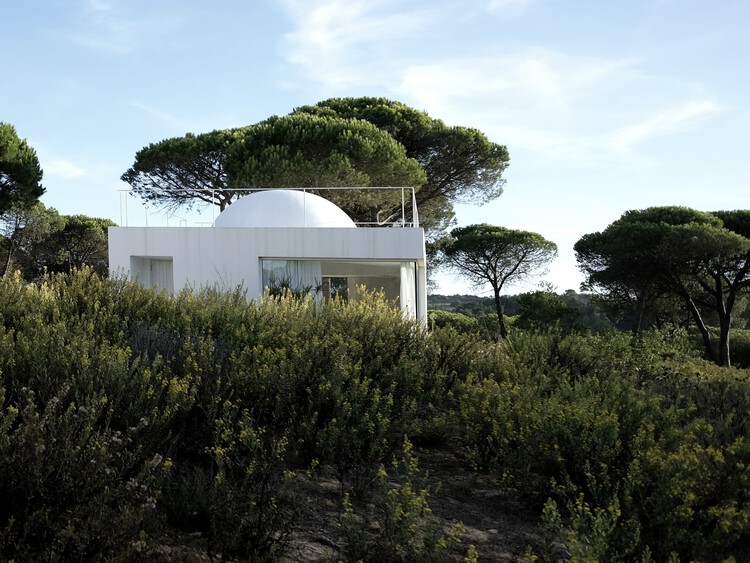
Alfarim House / stefano riva architetto

-
Architects: stefano riva architetto
- Area: 120 m²
- Year: 2018
https://www.archdaily.com/1151948/alfarim-house-stefano-riva-architettoSusanna Moreira
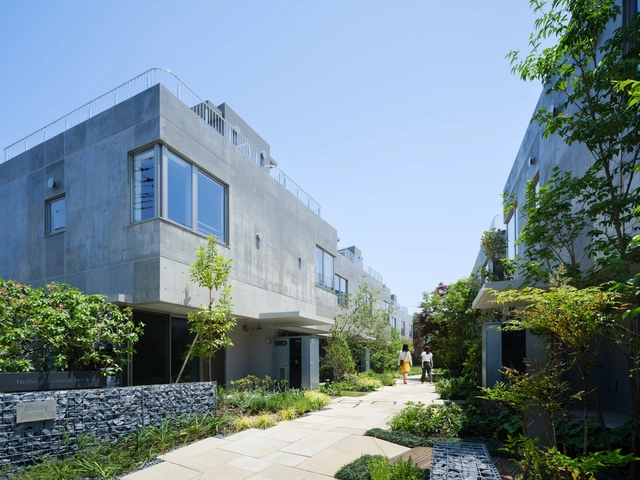
Nishiogi Comichi Terrace / Naruse Inokuma Architects
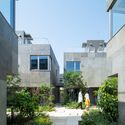
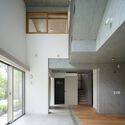

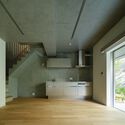
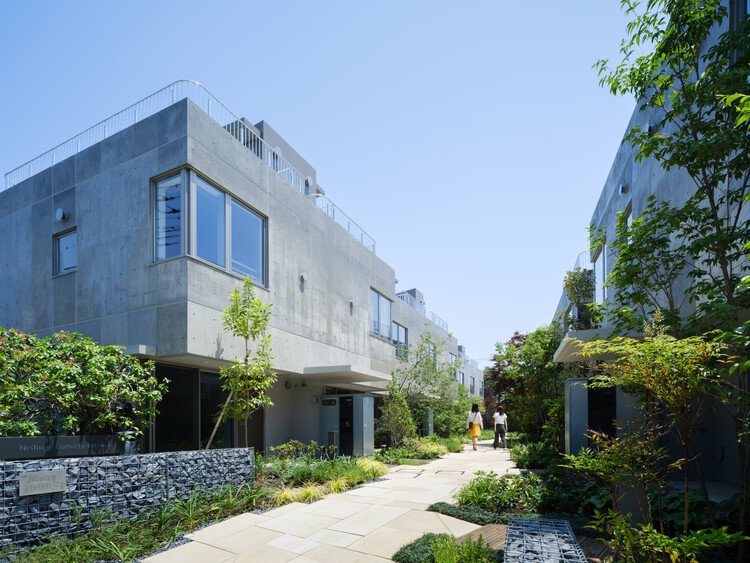
-
Architects: Naruse Inokuma Architects
- Area: 1640 m²
- Year: 2025
-
Manufacturers: Creative life, IOC, Miratap, Sangetsu, Taiheiyo Precast Concrete Industry
https://www.archdaily.com/1035719/nishiogi-comichi-terrace-naruse-inokuma-architectsPilar Caballero
Mohegan Trail Residence / Bates Masi + Architects

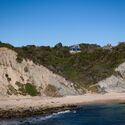
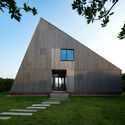
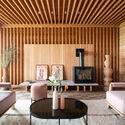
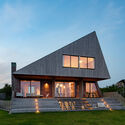
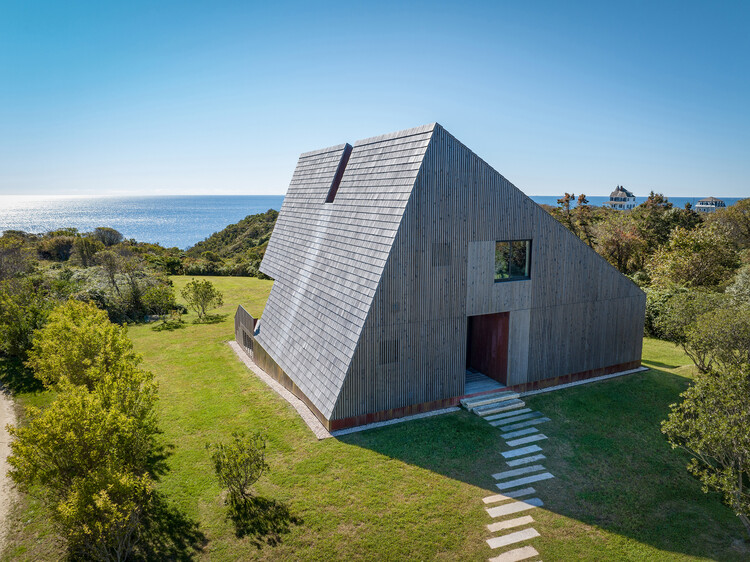
-
Architects: Bates Masi + Architects
- Area: 2400 ft²
- Year: 2023
-
Manufacturers: Arcadia Custom, Brizo, Cle Tile
https://www.archdaily.com/1035215/mohegan-trail-residence-bates-masi-plus-architectsHadir Al Koshta
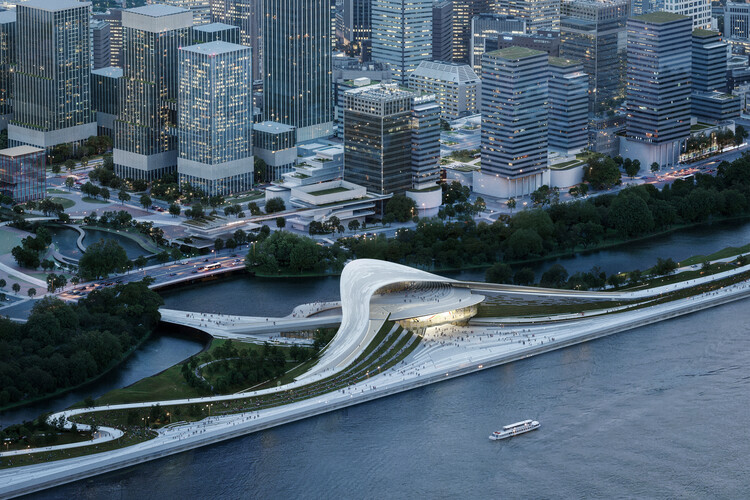
Snøhetta Selected to Design the New Qiantang Bay Art Museum in Hangzhou, China
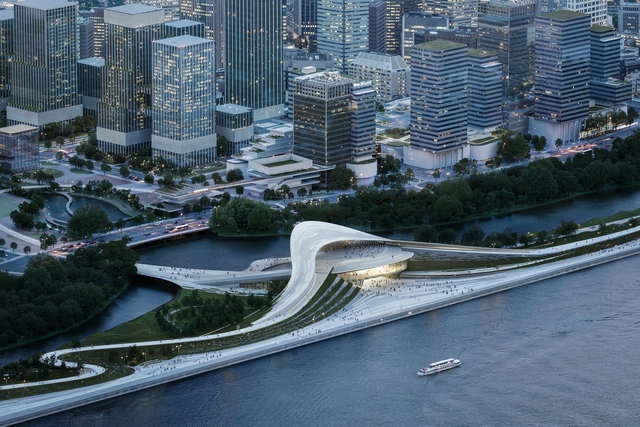
Snøhetta has been selected to design the Qiantang Bay Art Museum, a new cultural landmark within the Qiantang Bay Future Headquarters development in Xiaoshan District, Hangzhou, China. Conceived in collaboration with the Architectural Design & Research Institute of Zhejiang University Co., Ltd. and Buro Happold, the project encompasses architecture, landscape architecture, and interior design over 18,000 square meters. The museum will form part of Hangzhou's expanding downtown area along the Qiantang River, serving as an important destination for art, culture, and public life.




https://www.archdaily.com/1035808/snohetta-selected-to-design-the-new-qiantang-bay-art-museum-in-hangzhou-chinaAntonia Piñeiro
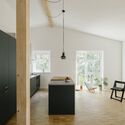
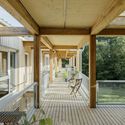
Wohnen Hoch Drei Building Community / Limbrock Tubbesing Architekten



-
Architects: Limbrock Tubbesing Architekten
- Area: 3164 m²
- Year: 2025
https://www.archdaily.com/1035606/wohnen-hoch-drei-limbrock-tubbesing-architektenHadir Al Koshta
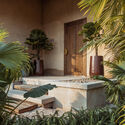
Namia River Retreat / LJ-Group Landscape Architecture + T3 ARCHITECTS



https://www.archdaily.com/1035786/namia-river-retreat-lj-group-landscape-architecture-plus-t3-architectsMiwa Negoro
XPENG Headquarters / weico Architects

-
Architects: weico Architects
- Area: 360000 m²
- Year: 2025
-
Manufacturers: 湖北中港金属/广州华途仕建材
https://www.archdaily.com/1035666/xpeng-headquarters-weico-architectsAndreas Luco
Orijins Coffee Shop / VSHD Design


-
Architects: VSHD Design
- Area: 105 m²
- Year: 2021
https://www.archdaily.com/1035800/orijins-coffee-shop-vshd-designMiwa Negoro
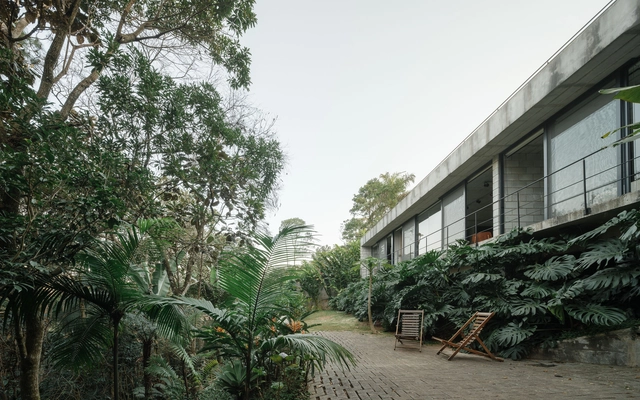
Lírio House / Terra e Tuma Arquitetos Associados
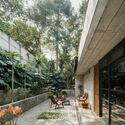
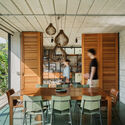
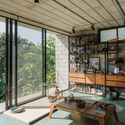
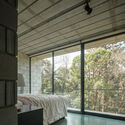
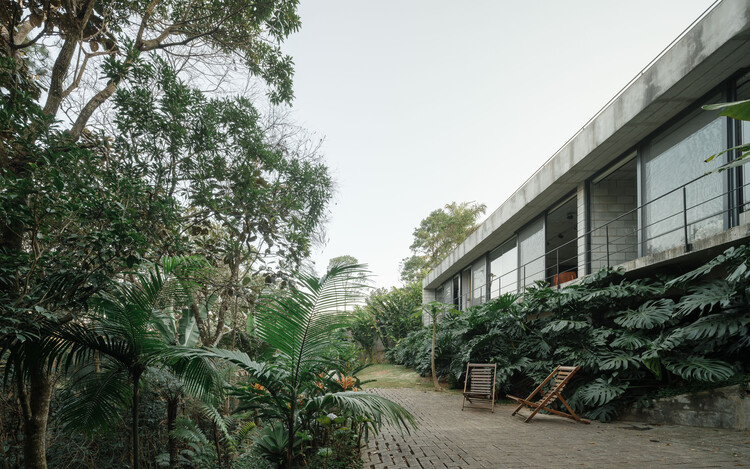
-
Architects: Terra e Tuma Arquitetos Associados
- Area: 180 m²
- Year: 2021
https://www.archdaily.com/1035746/lirio-house-terra-e-tuma-arquitetos-associadosSusanna Moreira
A Villa between Cyberpunk and Listening Bar / co.arch studio
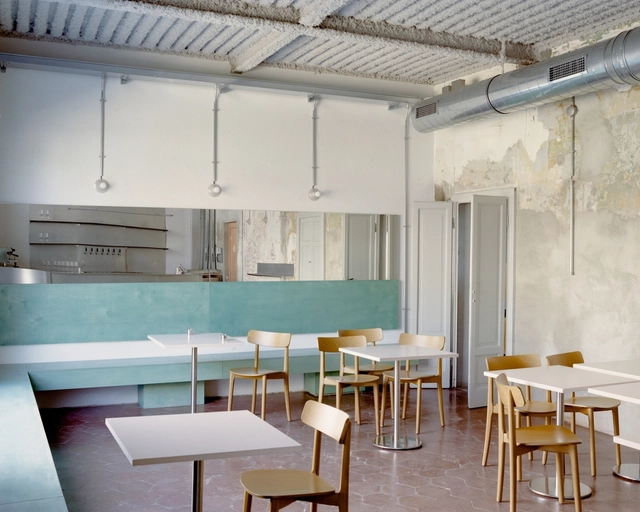


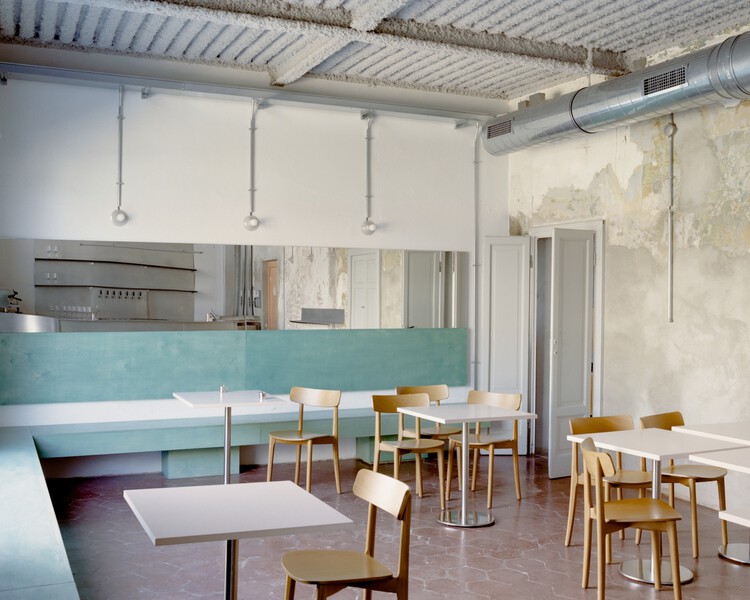
-
Architects: co.arch studio
- Area: 250 m²
- Year: 2025
-
Manufacturers: Artemide, Egoluce, Genuit
https://www.archdaily.com/1035615/a-villa-between-cyberpunk-and-listening-bar-crch-studioHadir Al Koshta
House in Beloura / ARX Portugal Arquitectos

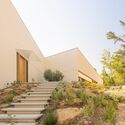
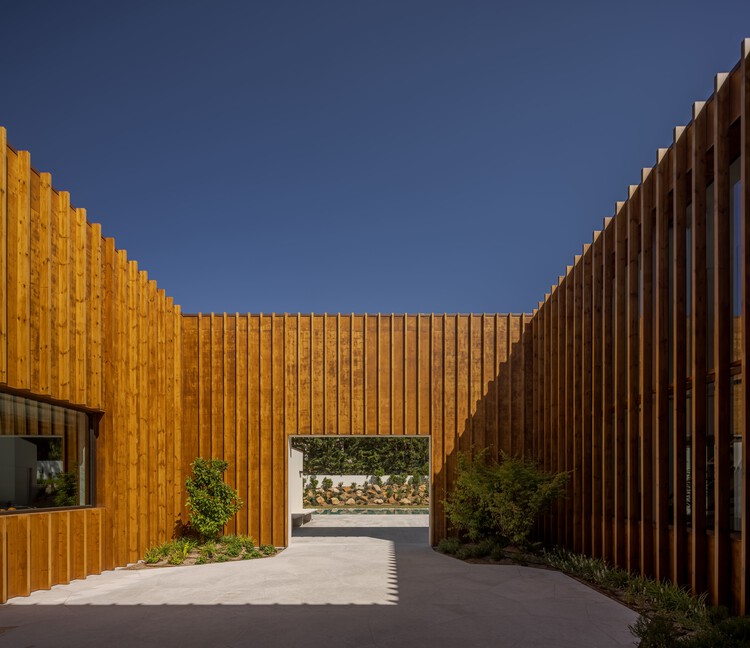
-
Architects: ARX Portugal Arquitectos
- Area: 620 m²
- Year: 2024
https://www.archdaily.com/1035360/house-in-beloura-arx-portugal-arquitectosSusanna Moreira
Jeddah Culture Square / Urko Sanchez Architects

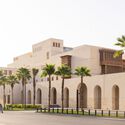
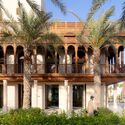
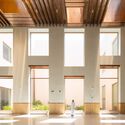
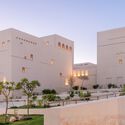
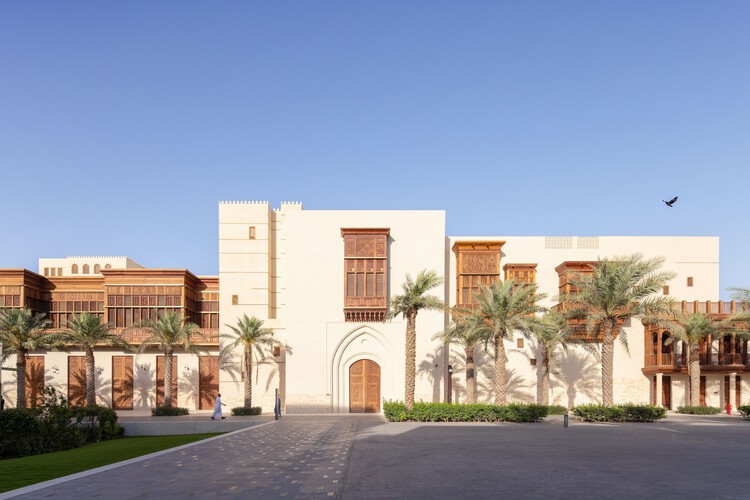
-
Architects: Urko Sanchez Architects
- Area: 28000 m²
- Year: 2025
-
Professionals: MIDRAR, Freyssinet Saudi, Elbaz + Gil de Montes, Nada Debs Studio, Walk Architects (Juan Tur), +1
https://www.archdaily.com/1035721/jeddah-culture-square-urko-sanchez-architectsPilar Caballero
Solem Forest House / MORFEUS arkitekter


-
Architects: MORFEUS arkitekter
- Area: 170 m²
- Year: 2024
-
Manufacturers: Louis Poulsen, Ifö Electric AB, Møre Royal, SG, Svenneby Sag og Høvleri
https://www.archdaily.com/1035613/solem-forest-morfeus-arkitekterHadir Al Koshta
Punangairi Visitor Centre / Sheppard & Rout Architects
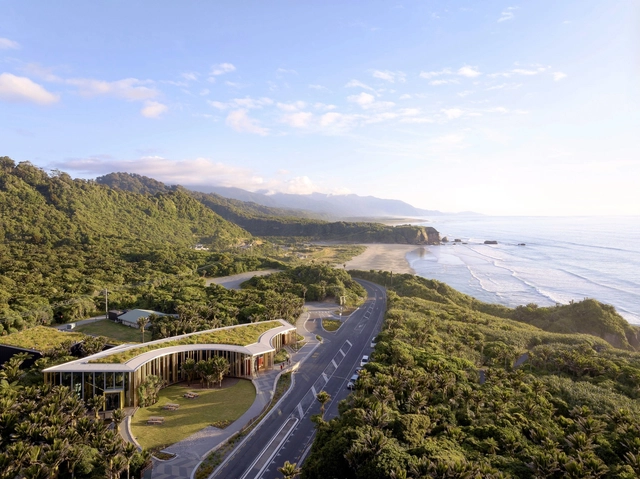


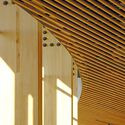
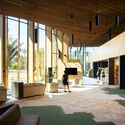
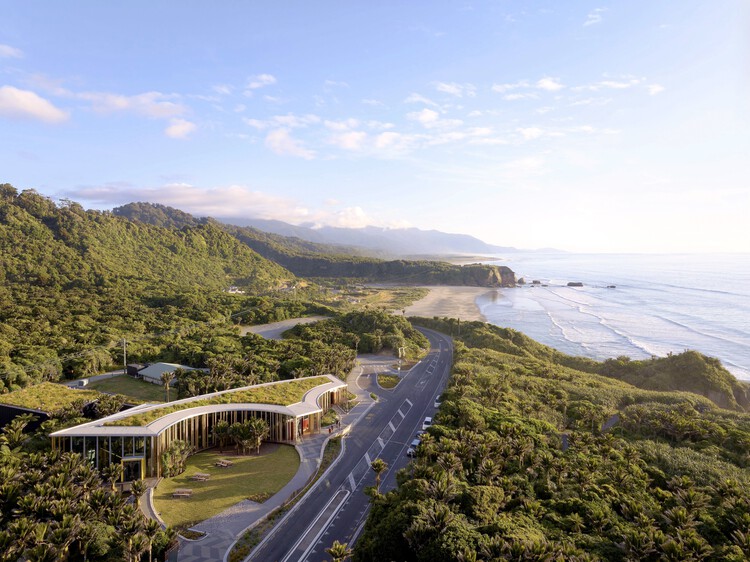
-
Architects: Sheppard & Rout Architects
- Area: 1350 m²
- Year: 2024
-
Manufacturers: Sculptform
https://www.archdaily.com/1035752/punangairi-visitor-centre-sheppard-and-rout-architectsMiwa Negoro
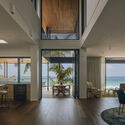
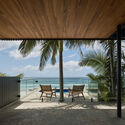
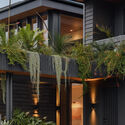
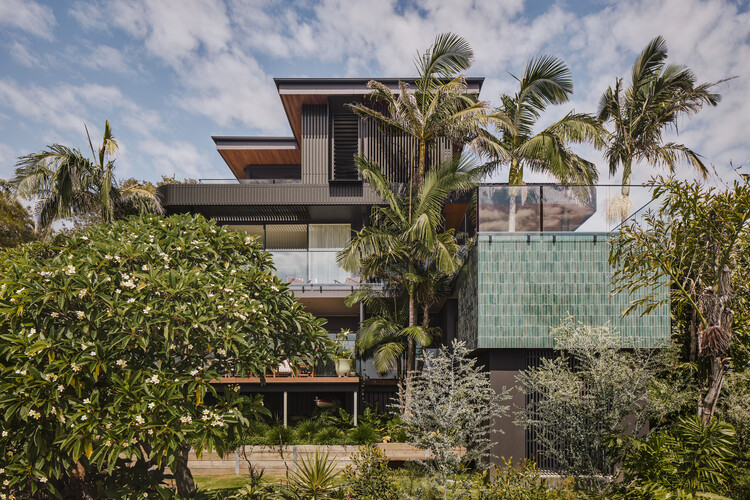
Cobbadah Beach House / Hayman + Charlton Architects

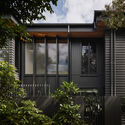
-
Architects: Hayman + Charlton Architects
- Area: 432 m²
- Year: 2024
-
Manufacturers: Fisher & Paykel, VELUX Group, Abodo, Artedomus, Brickworks, +8
https://www.archdaily.com/1035750/cobbadah-beach-house-hayman-plus-charlton-architectsMiwa Negoro
Baoshan Long Beach Winder Tower Complex / DLR Group


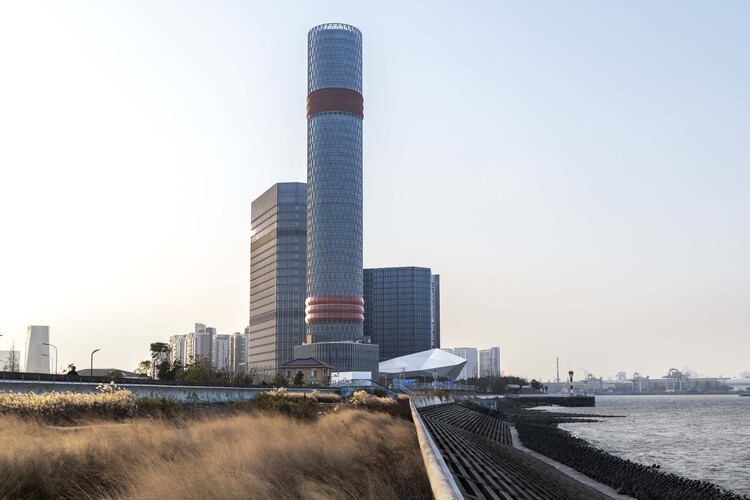
https://www.archdaily.com/1035162/baoshan-long-beach-winder-tower-complex-dlr-groupHana Abdel
Garage House in Toyonaka / FujiwaraMuro Architects
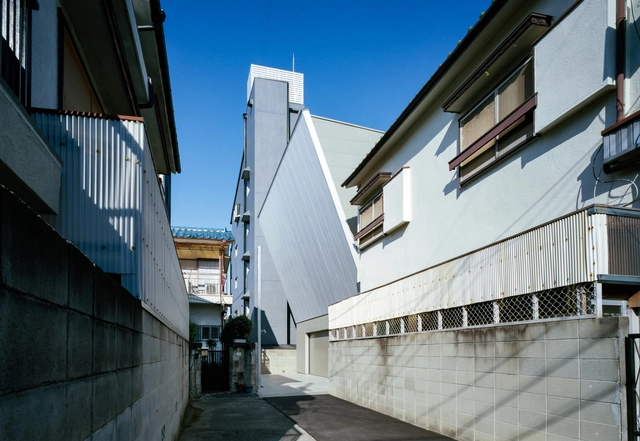
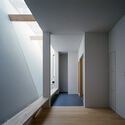
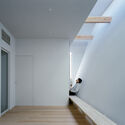
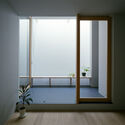
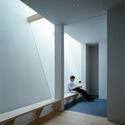
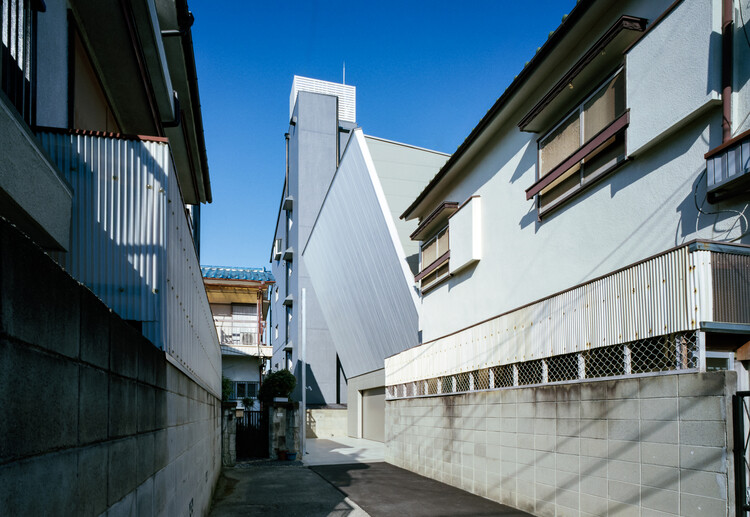
-
Architects: FujiwaraMuro Architects
- Area: 67 m²
- Year: 2025
https://www.archdaily.com/1035753/garage-house-in-toyonaka-fujiwaramuro-architectsMiwa Negoro