-
Architects: Osvaldo Larrain, Tomás Tironi
- Area: 139 m²
- Year: 2024
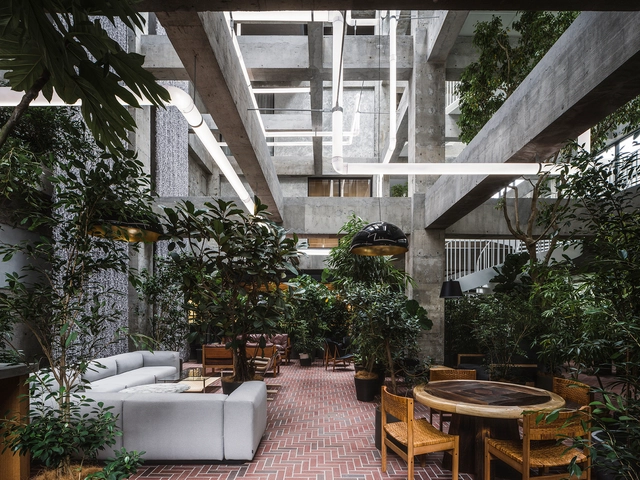
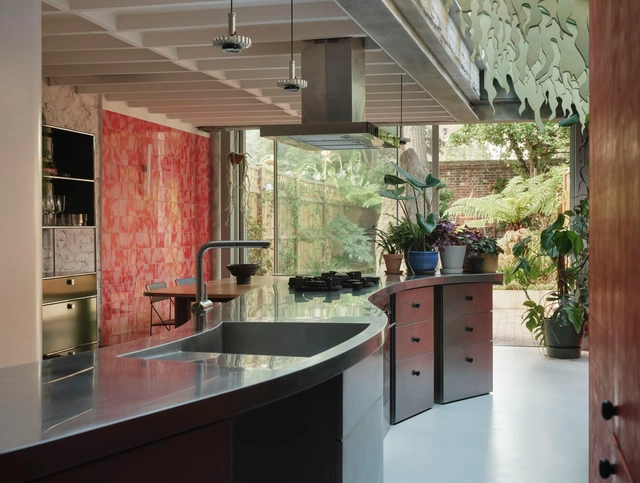
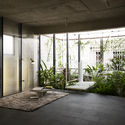
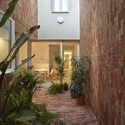
There is not enough that can be said about the benefits of incorporating plants in interiors or Plantscaping. Integrating vegetation indoors serves many purposes, whether practical, aesthetic, or psychological. Although there are basic requirements for incorporating greenery into Homes, well-thought-out plant selections and placements are characteristically different across the world. By going over recent interior works, a few recurrent plantscaping design patterns arose, each reflective of distinctive climates, building styles, and traditional building techniques.
While the type of the chosen plants varies depending on favorable conditions for growth and local availability, the main distinctions are related to the direct environment and display method in which the vegetation is set, as well as its intended purpose. While plants are there to offer mental wellness to some, they are essential for cooling to others, or could even be meant for small-scale farming.
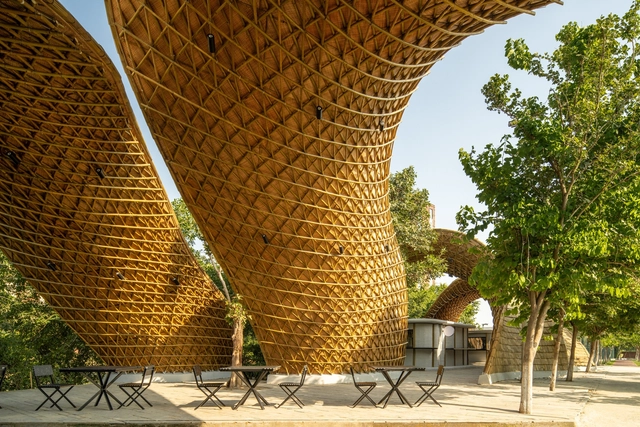
In this interview with Louisiana Channel, Mexican architect Gabriela Carrillo introduces us to the challenges that drive her work, particularly the projects carried out as a member of Colectivo C733, in which she currently participates alongside Carlos Facio, José Amozurrutia, Eric Valdez, and Israel Espin. Through an exploration of her definition of architecture, she offers reflections on the design of public spaces, the relationship between architecture and land art, and the role of the preexisting in the transformation of space. She defends architecture as a "powerful tool" for fostering connections between people and their environment, defining her practice as optimistic.



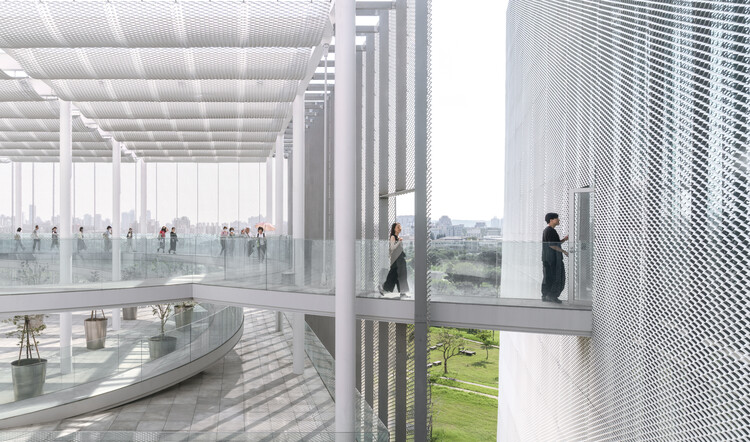
The Taichung Art Museum officially opened on December 13, 2025, with an inaugural exhibition titled A Call of All Beings: See You Tomorrow, Same Time, Same Place. The building, designed by SANAA, is part of the Taichung Green Museumbrary project, developed in collaboration with local firm Ricky Liu & Associates. Conceived as a major cultural initiative, the project combines a contemporary art museum, library resources, and public parkland. Through interactive education and outreach programmes, it aims to establish a new institutional model for Taichung, one that supports artistic exchange while positioning the city as an international cultural hub. On view through April 12, 2026, the opening exhibition explores the relationships between people and nature, the city and memory, interspecies connections, and the future, beginning with an examination of the complex's own context in central Taiwan.
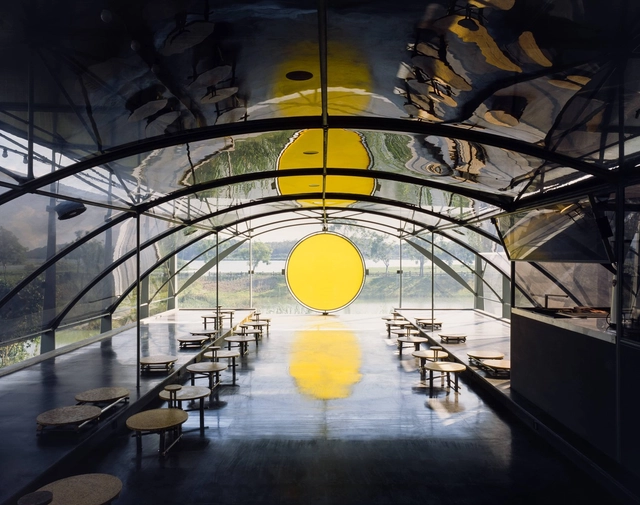
As the solstice marks the shortest day of the year in the Northern Hemisphere, it also draws attention to something architecture has long negotiated but often overlooked: time. Beyond form or function, buildings and spaces are continuously shaped by cycles of light and darkness, seasonal shifts, and environmental rhythms that affect how they are inhabited.
In recent years, a growing number of architectural projects have begun to work explicitly with these cycles. Rather than designing spaces to function in a single, fixed way, architects are creating environments that change throughout the day, across seasons, or in response to natural phenomena such as the sun's path, lunar phases, wind patterns, or circadian rhythms. These projects operate in dialogue with time, appearing, transforming, and activating differently depending on environmental conditions.

![Tanpopo Restaurant / TRAIL [practice] - Interior Photography, Restaurant & Bar Interiors, Lighting, Chair](https://snoopy.archdaily.com/images/archdaily/media/images/6942/797e/c3f4/d500/0127/6d68/slideshow/1497_TANPOPO___Margarita_Nikitaki_3000px.jpg?1765964192&format=webp&width=640&height=580)
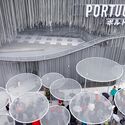
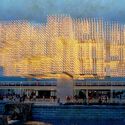
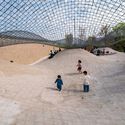
The 2025 Osaka Expo has captured widespread attention—not only for its architectural ambition and spectacle, but also for breaking records and generating controversy. Its most iconic feature, a monumental timber ring designed by Sou Fujimoto, has already made headlines as a Guinness World Record-breaking wooden structure. Built on the reclaimed island of Yumeshima, the site has attracted praise and critique in equal measure. Beyond its awe-inspiring 2-kilometer circumference—parts of which extend dramatically over the water—the structure has also drawn concerns, including questions about health & safety, extreme heat, and swarms of insects that may affect the visitor experience.
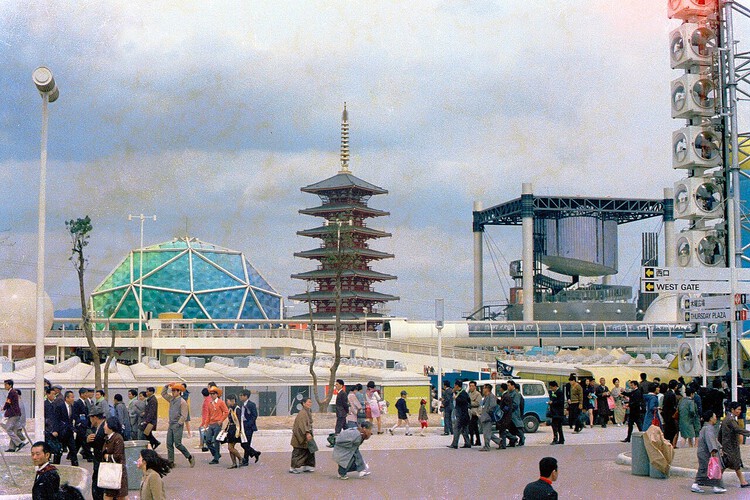
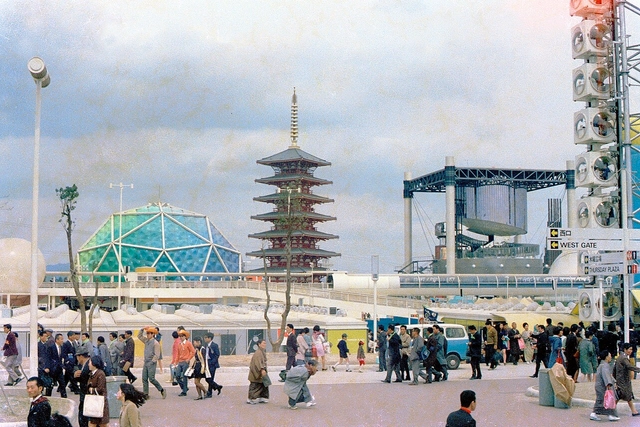
This year also marks a significant anniversary: the 55th year since the 1970 Osaka Expo, held under drastically different socio-economic conditions. Comparing these two expos—both hosted in the same city—offers a rare opportunity to reflect on how the rhetoric, curatorial themes, and architectural ambitions of world expos have evolved over time. From "Progress and Harmony for Mankind" in 1970 to "Designing Future Society for Our Lives" in 2025, the shift in thematic focus reveals changing global priorities. Meanwhile, the scale and nature of architectural involvement have also transformed, from the futuristic visions of Japanese Metabolism to a more internationally dispersed group of designers concerned with sustainability, technology, and civic engagement.




















![Tanpopo Restaurant / TRAIL [practice] - Restaurant & Bar Interiors](https://images.adsttc.com/media/images/6942/797d/c3f4/d500/0127/6d65/thumb_jpg/1684_TANPOPO___Margarita_Nikitaki_3000px.jpg?1765964195 "© Margarita Yoko Nikitaki")
![Tanpopo Restaurant / TRAIL [practice] - Restaurant & Bar Interiors](https://images.adsttc.com/media/images/6942/797e/c3f4/d500/0127/6d6b/thumb_jpg/0691_TANPOPO___Margarita_Nikitaki_3000px.jpg?1765964322 "© Margarita Yoko Nikitaki")
![Tanpopo Restaurant / TRAIL [practice] - Interior Photography, Restaurant & Bar Interiors, Kitchen, Countertop](https://images.adsttc.com/media/images/6942/797c/c3f4/d500/0127/6d5e/thumb_jpg/1237_TANPOPO___Margarita_Nikitaki_3000px.jpg?1765964302 "© Margarita Yoko Nikitaki")
![Tanpopo Restaurant / TRAIL [practice] - Interior Photography, Restaurant & Bar Interiors, Lighting, Chair, Countertop](https://images.adsttc.com/media/images/6942/797d/c3f4/d500/0127/6d64/thumb_jpg/1648_TANPOPO___Margarita_Nikitaki_3000px.jpg?1765964194 "© Margarita Yoko Nikitaki")
![Tanpopo Restaurant / TRAIL [practice] - More Images](https://images.adsttc.com/media/images/6942/797e/c3f4/d500/0127/6d68/newsletter/1497_TANPOPO___Margarita_Nikitaki_3000px.jpg?1765964192)