This article is part of our new Opinion section, a format for argument-driven essays on critical questions shaping our field.
In 2022, Tokyo's Nakagin Capsule Tower was demolished, bringing an end to one of modern architecture's most recognizable experiments in adaptability. Designed by Kisho Kurokawa and completed in 1972, the building consisted of 140 prefabricated capsules attached to two concrete cores. Its architectural proposition was radical: individual capsules could be replaced as needs evolved, allowing the building to renew itself without dismantling its principal structure. Yet over five decades, the proposed replacement system was never realized. Despite various preservation efforts, deteriorating building services and difficulties in collective decision-making eventually led to its demolition.
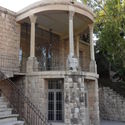
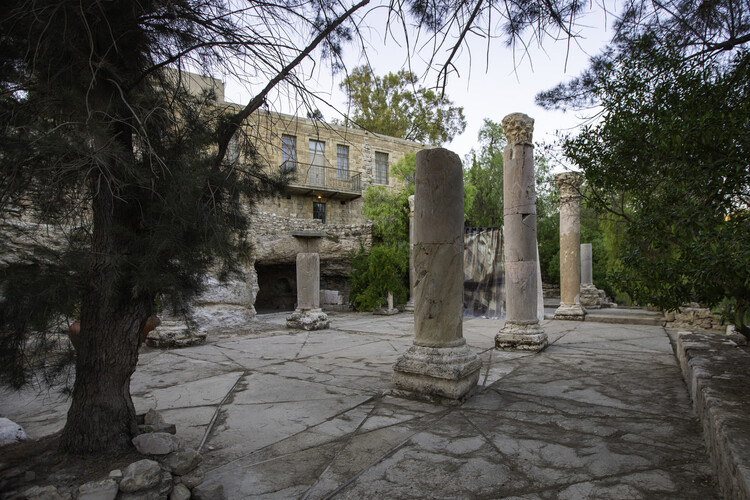
“Ruins of 6th Century Byzantine Church (Darat Al Funun)” with the Main Building's south elevation in the background. Image Courtesy of Bashar Tabbah via Wikimedia Commons. Used under CC BY-SA 4.0 (https://creativecommons.org/licenses/by-sa/4.0/deed.en).
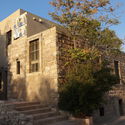
At a time when public support for the arts is under pressure in many countries, Darat al Funun — literally "House of the Arts" — stands by its long-standing mission to champion artists. "Artists are witnesses of their time," affirms Suha Shoman, its founder. "Maybe Art does not operate change, but it does record it […] it points fingers. At the same time, it speaks of, even if it's so difficult and at times so violent, it speaks of beauty as well."