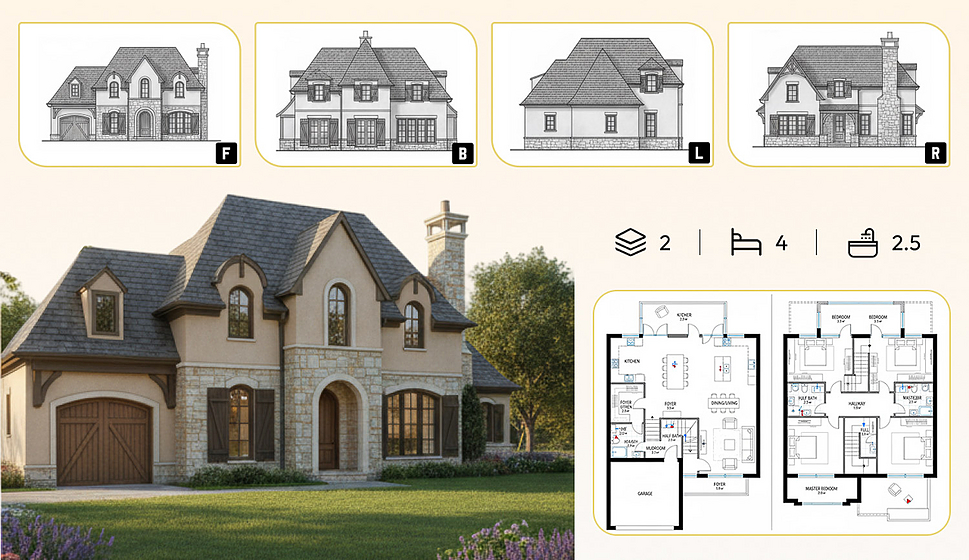
This guide covers a workflow that moves from project parameters to generated floor plans, 3D perspective views, exterior design exploration, and site context visualization, using AI tools in place of preliminary CAD and rendering work.
This guide covers a workflow that moves from project parameters to generated floor plans, 3D perspective views, exterior design exploration, and site context visualization, using AI tools in place of preliminary CAD and rendering work.
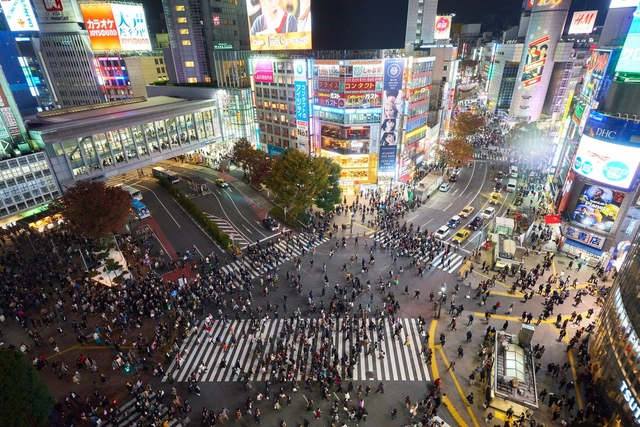
Tokyo is a chaotic city, in the sense that it did not develop from city-wide coordinated urban planning. By the 18th century, it already had around 1 million inhabitants, with most of the population living in conditions similar to modern Brazilian favelas. Tokyo's dense suburbs resemble Brazilian peripheries, with low-rise but closely packed buildings on narrow plots and a wide variety of uses. Furthermore, Tokyo features a multiplicity of architectural typologies, different modes of transportation sharing the same space, and—not unlike Brazilian cities—billboards and exposed overhead wires clashing with the urban landscape.
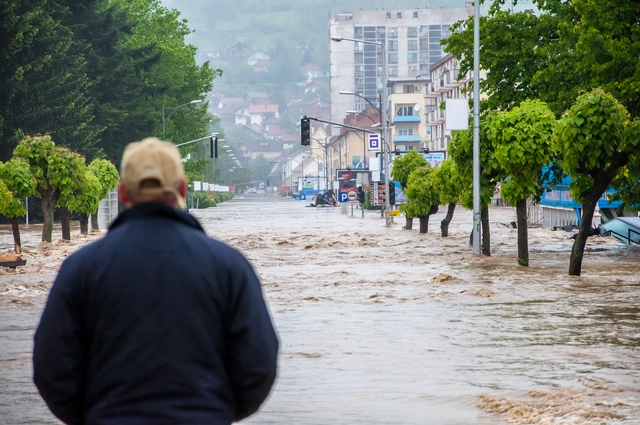
How are Brazilian municipalities preparing to face climate change? What laws are being created? How are resources being invested? To increase transparency regarding public policies focused on the climate and the environment, the Diário do Clima was created.
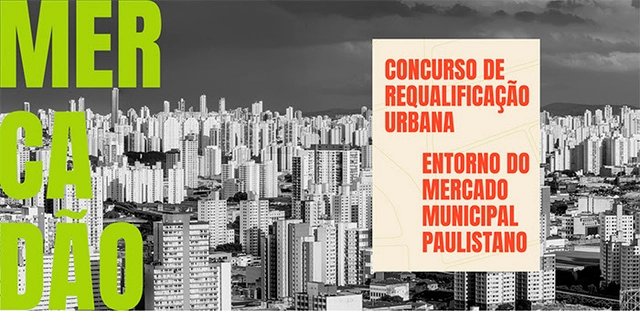
The competition aims to select an urban renewal project for the area surrounding the Mercado Municipal Paulistano. This area currently encompasses a range of functions beyond commerce, having evolved into a central tourist hub for the city.
The competition seeks two complementary approaches: a strategic intervention plan covering an area accessible within a 15-minute walk, with the Market at its center, and a set of physical interventions to improve the space within a broader twelve-block perimeter, addressing key urban challenges in the area, such as the relationship with the Tamanduateí River and the railway line.
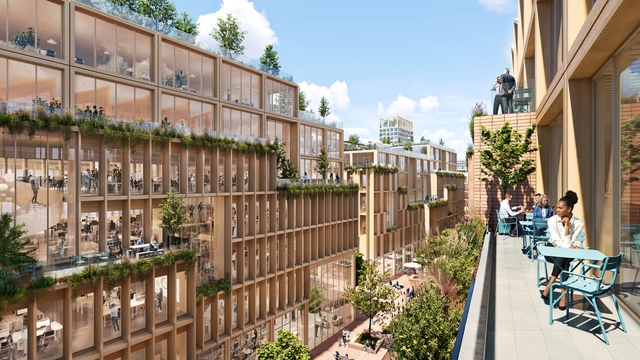
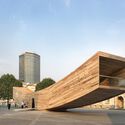
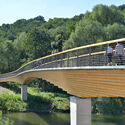
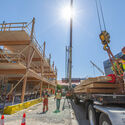
With studies estimating that by 2050 nearly 70% of the global population will live in cities, planning for more sustainable and balanced urban development has become imperative for the coming decades. This discussion invariably hinges on a more assertive choice of construction materials that yield greater urban and environmental benefits. In this context, a material re-emerging as a more sustainable choice for urban infrastructure is wood, particularly when paired with new technological advancements, which is being reintroduced into cityscapes due to its versatile characteristics and its ability to align with the construction of tomorrow.
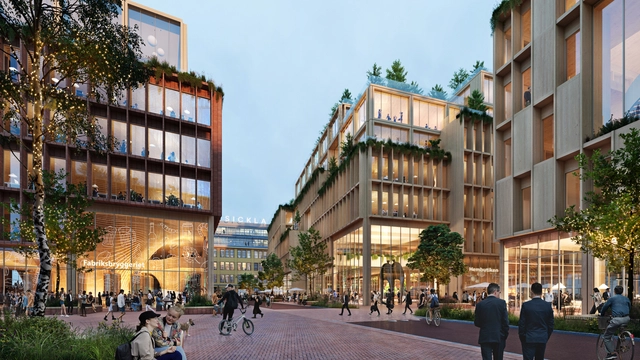
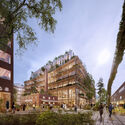
Atrium Ljungberg unveiled Stockholm Wood City, the world's largest timber urban development project, serving as a major showcase of Swedish sustainability. At around the same time, on the other side of the world, Tallwood Architects' 'Tamango Project' exemplified both the challenges and opportunities of timber construction in Chile, as it is poised to become Latin America's first 12-story building with a prefabricated timber structure.
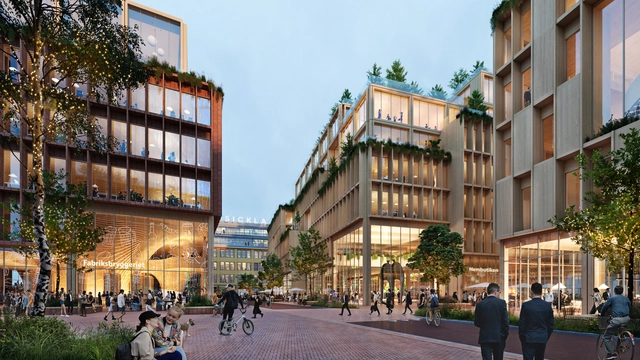
Atrium Ljungberg recently unveiled Stockholm Wood City, the world's largest timber urban development project—an effort to showcase Sweden's commitment to sustainability. On the other side of the world, Tallwood Architects' Tamango Project exemplifies the challenges and opportunities of timber construction in Chile and could become Latin America's first 12-story building featuring a prefabricated mass timber structure.
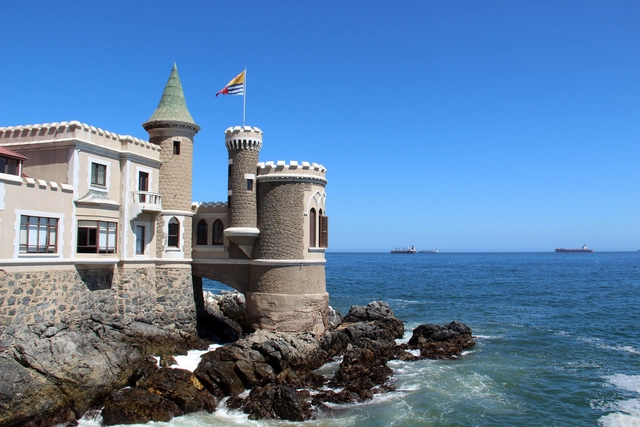
Wulff Castle in Viña del Mar is a renowned landmark, celebrated for its appearance and architectural style inspired by Liechtenstein Castle in Germany. The structure features German and French design elements, along with medieval characteristics—qualities that captivate both locals and the thousands of tourists who visit it.

“The daughter Robert Moses and Jane Jacobs never had.” That is how Michael Bloomberg, former Mayor of New York, describes his Transportation Commissioner Janette Sadik-Khan. The urbanist is one of the leading figures in the field advocating for city streets — the greatest asset of municipal governments — as the primary way to improve people's lives.

Today, technology is an inherent part of producing urban space. Among the most innovative of these tools is Virtual Reality (VR), which transports users into a simulated reality, allowing them to experience unbuilt spaces first-hand. Its applications extend far beyond real estate marketing, however: current research encompasses design experimentation, the immersive experience of historical built environments, and the recreation of architectural elements through prototyping. This potential has been unlocked by technological advancements and falling hardware costs, making VR increasingly accessible to students, professionals, and the general public.
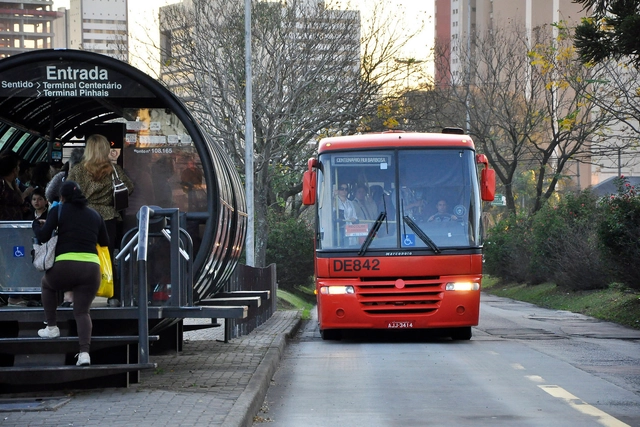
Curitiba's Integrated Transport Network was listed as one of the 50 most influential projects of the last 50 years, according to the Project Management Institute (PMI), a global organization with a presence in more than 160 countries.

About the book: Within the vast kingdom of flora, trees are among the most important living beings; yet, we are still far from uncovering all their mysteries and secrets. They are beautiful, ingenious, and magnificent beings, incredibly capable of occupying space and resisting human control. They are unobtrusive and live longer than any other living creature. In some cases, they can live indefinitely! In this book, Francis Hallé—an internationally renowned scientist specializing in trees and the discoverer of botanical architecture—conveys his passion for these wonders of nature, offering surprising insights into their capabilities and characteristics. Understanding the plant kingdom, the French ecologist argues, requires an "intellectual revolution" and is now, more than ever, an urgent necessity.
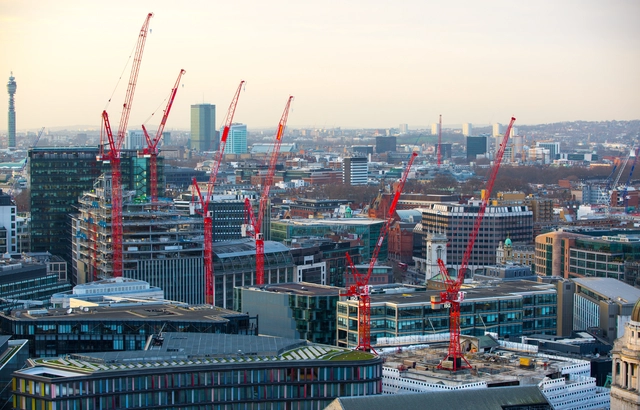
Every day, governments, financial institutions, and corporations face a critical decision: continue investing in physical assets that emit greenhouse gases and degrade nature, or prioritize developing green solutions that foster a stable, resilient, and equitable economy. As communities bear the brunt of severe climate impacts, the imperative to build a sustainable future becomes increasingly clear.

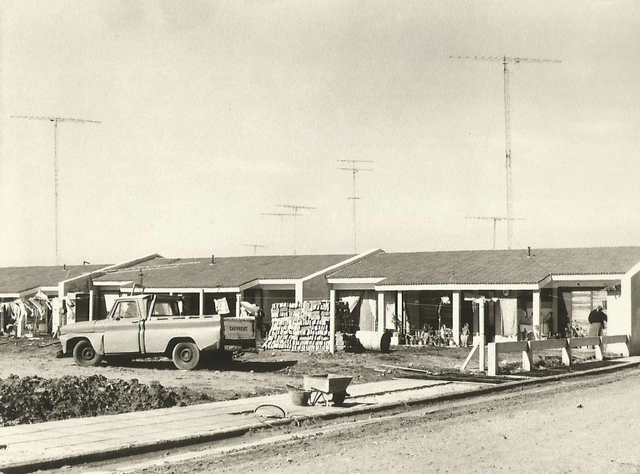
The city of Federación, located in the northeast of the province of Entre Ríos, was structured, like most Argentine cities, around “the classic block-by-block grid layout bequeathed by the Laws of the Indies,” taking shape alongside the development of its various economic roles. The evolution of economic functions and the actions of different social forces gradually shaped a unique organization of urban space, in which distinct “neighborhoods” or urban districts clearly reflected the inequalities of the local socioeconomic structure.
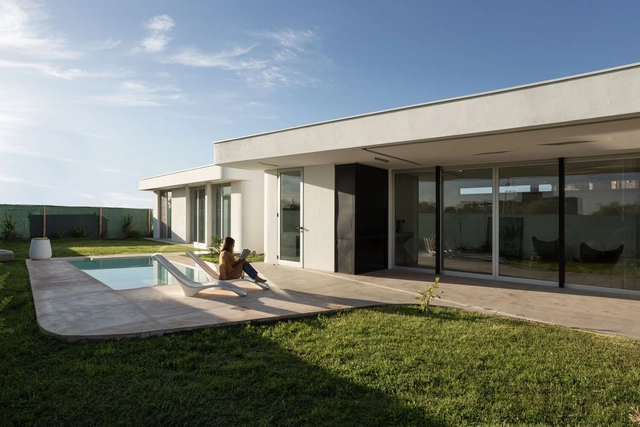
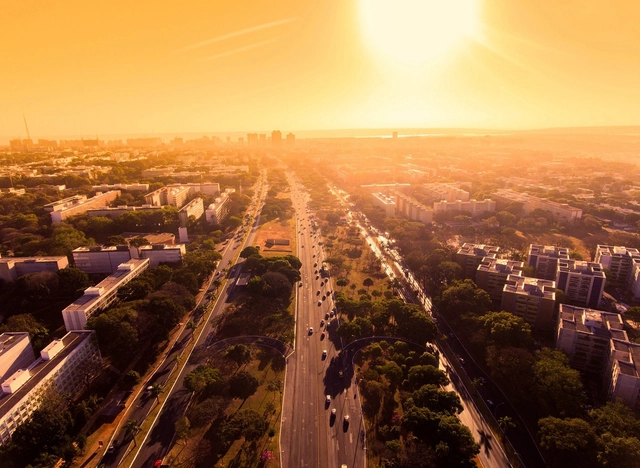
The capacity of trees to naturally cool cities is one of the key benefits of promoting urban planting. In the Federal District, urban afforestation has been studied to guide public policies toward the sustainable use of natural resources. Architecture and Urbanism student Júlia Almeida, from the University Center of Brasília (CEUB), measured the microclimatic influences of vegetation at the residential scale in Brasília, proving the power of greenery to improve quality of life.
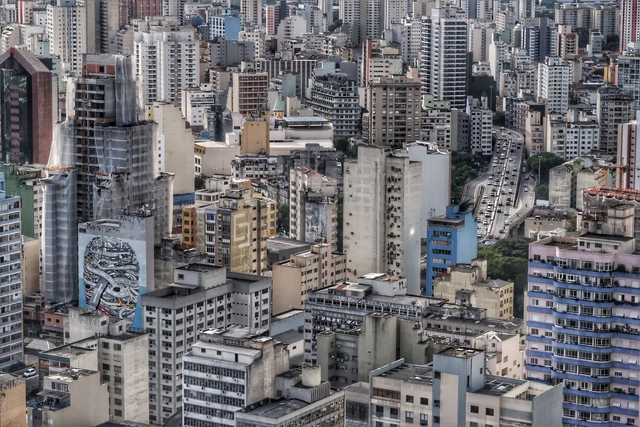
Many cities around the world face severe housing affordability issues. One of the primary reasons is highly restrictive zoning regulations. Zoning—the rules that dictate what can be built on any given lot—was originally designed to manage urban issues such as congestion, pollution, and shadow impacts.
Over time, however, planners aligned with property owners to tighten these rules. Planners disliked urban density and were more than happy to reduce it. Homeowners realized that stricter codes could preserve their property values and exclude low-income residents and minorities from their neighborhoods.
The 2023 Guatemala Architecture Biennial will take place from November 15 to 17 at the Miguel Ángel Asturias Cultural Center. This regional event is aimed at architects, designers, urban planners, developers, students, and anyone passionate about the built environment.