How to visualize architectural concepts in SketchUp using D5 Lite for faster design exploration.
How to visualize architectural concepts in SketchUp using D5 Lite for faster design exploration.

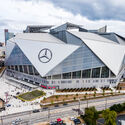
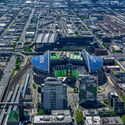
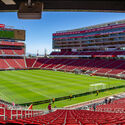
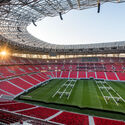
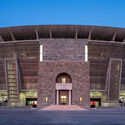
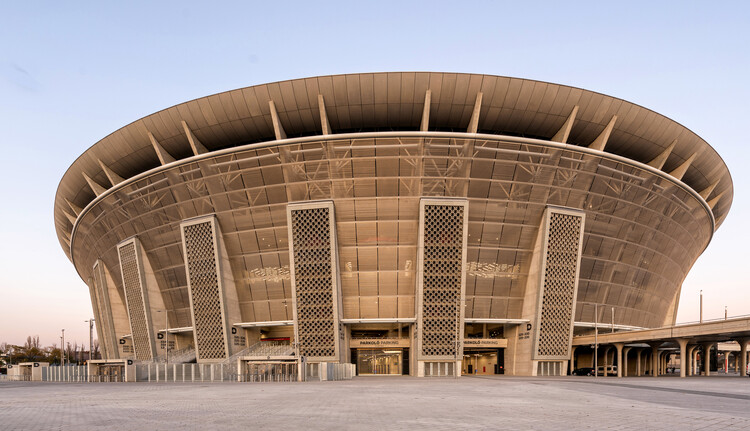
The FIFA World Cup 2026 will take place from June 11 to July 19, 2026, across North America, with matches hosted at 16 venues in Canada, Mexico, and the United States. For the first time, the tournament is being co-hosted by three countries: 11 venues in the United States, 3 in Mexico, and 2 in Canada. Since the 2018 FIFA Congress selected the venues to host the 2026 World Cup, the three North American countries have been working to deliver the tournament. This edition will be the first to feature 48 competing teams, expanded from 32. Unlike the 2022 Qatar World Cup, which required the construction of entirely new stadiums, the three host countries already have the necessary infrastructure in place, though several venues are taking the opportunity to upgrade their facilities, including Mexico City's Estadio Azteca, Arlington's AT&T Stadium, and Toronto's BMO Field.

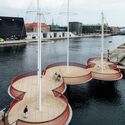
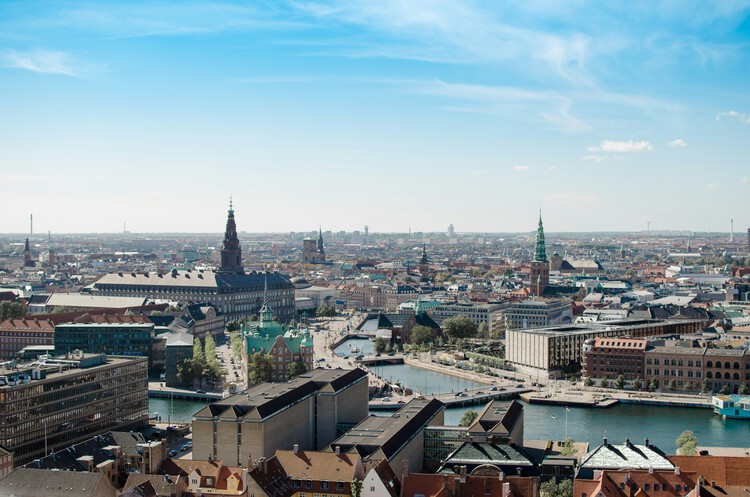
Copenhagen is long famous as the global capital of human-scale design and livability. Today, the city has widened its focus and is an active space where mid-century Scandinavian modernism meets the modern demands of climate adaptability, material circularity, radical conservation, and neighborhood density. During the first-ever Copenhagen Architecture Biennial, in 2025, the city transformed into a global platform for dialogue under the theme "Slow Down," exploring how architecture can respond to global pressures by rethinking the pace of change. And this year's 13th edition of the 3daysofdesign Festival will explore the theme of "Make This Moment Matter", encouraging the global design community to step away from digital noise and mass production to focus on the present.




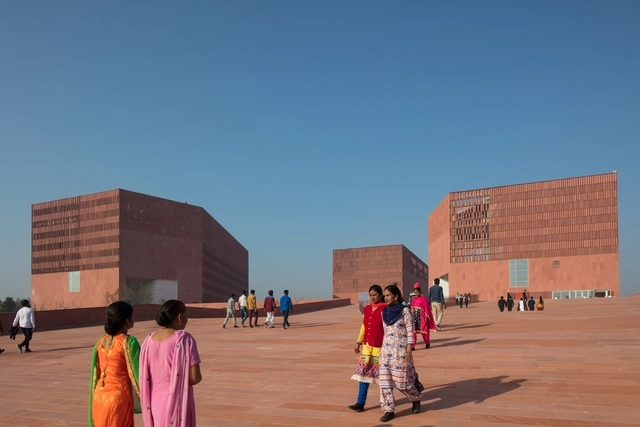
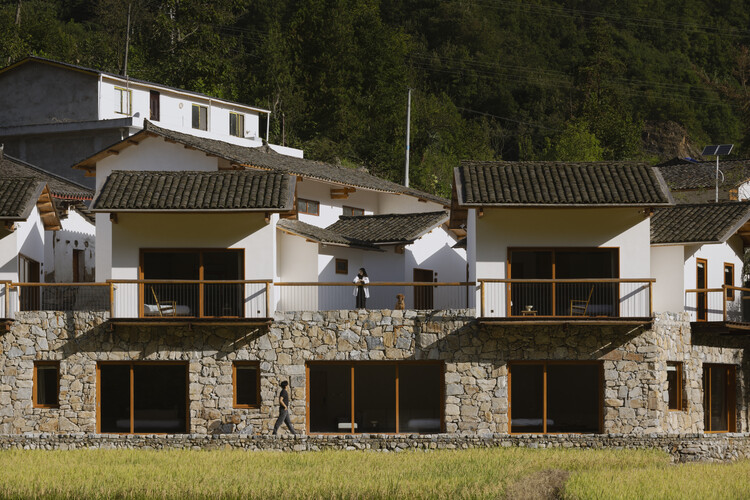
Traditional building solutions tend to work well in their respective contexts, as they have withstood hundreds of years of testing and improvements, and use techniques and materials available locally. Although globalization and the democratization of access to technology have brought more comfort and new opportunities to humanity, it has also led to the homogenization of solutions in the construction sector and a dependence on global supply chains for construction materials and components. This has also caused a rupture in how knowledge is passed on to new generations and, eventually, the disappearance of traditions.
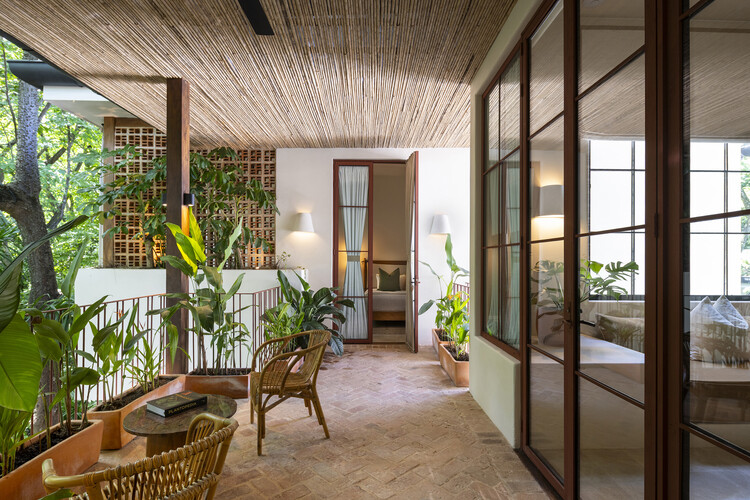
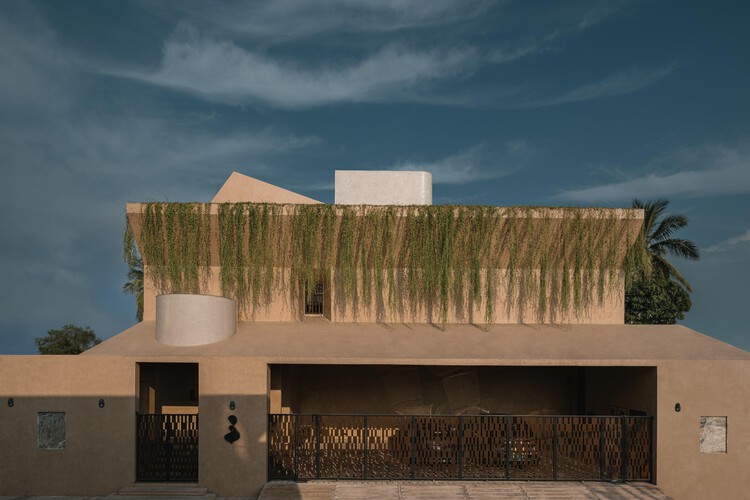
In particular, the topic of passive cooling solutions for buildings is currently having a resurgence, with an effort to recover ancient techniques used throughout history in locations that have always had to deal with hot climates. This is even more evident due to the high energy costs imposed by artificial cooling, the global warming scenario, and mainly because, among the projections of population growth, a significant portion of megacities will be located in the predominantly hot climates of Africa and Asia. When we think about the future, is it possible to be inspired by the past and apply ancient cooling techniques to contemporary buildings?