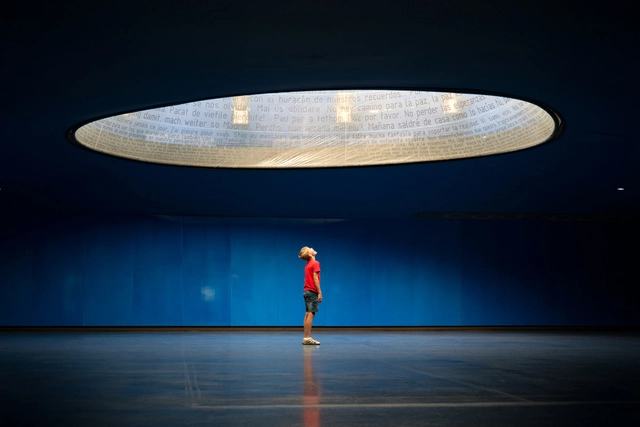
Eleven years after its inauguration, the Madrid City Council has announced a renovation and upgrade plan for the monument to the victims of the March 11 (11-M) terrorist attacks at Atocha Station in Madrid, Spain, as reported by the Spanish newspaper El País.
Designed by Estudio SIC, the monument to the victims of 11-M was inaugurated in 2007, three years after the attacks perpetrated by a terrorist cell on March 11, 2004. The attack consisted of the simultaneous explosion of 10 bombs on four commuter trains, claiming the lives of 193 people and leaving more than 2,000 injured, making it the worst terrorist attack in Spain's history.
https://www.archdaily.com/1114016/madrid-to-renovate-the-atocha-11-m-memorial-in-2019Javier García Librero
Yesterday, July 12, a partial collapse occurred at Plaza Artz Pedregal, a high-end shopping mall in southern Mexico City. Designed by the prominent Mexican architecture firm Sordo Madaleno Arquitectos, the collapsed section appears to be an overlapping cantilevered volume, as seen in social media videos of the incident and renderings released in 2016. The cause of the collapse remains under investigation.
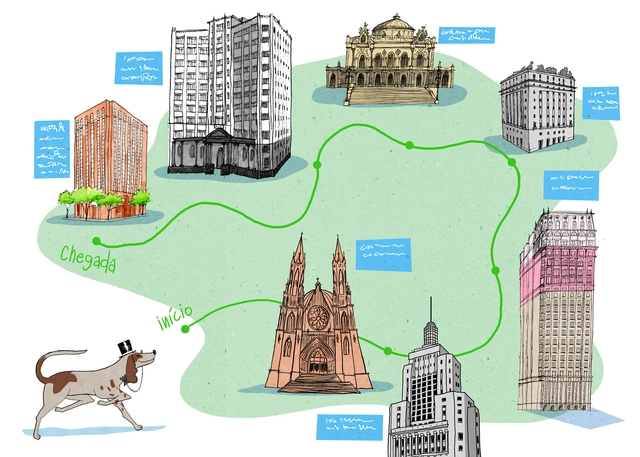
How many discoveries can a walk through São Paulo reveal? What if this expedition felt like a treasure hunt and was led by a friendly, highly curious dog? Inspired by the success of the Prédios de São Paulo trilogy, a project conceived by Matteo Gavazzi, comes Prédios de São Paulo para Crianças. Set to launch in July 2018, the children's book features text by journalist Tatiana Engelbrecht and illustrations by Daniel Almeida. The book is published by GAPS Editora.
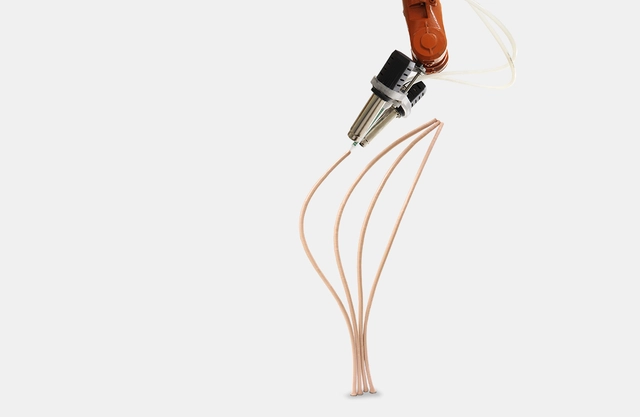
Alexander Dubor, an architect and researcher, combines new technologies in an effort to improve how we build and inhabit our cities. Currently, he heads the Open Thesis Fabrication (OTF) program as well as the Master in Robotics and Advanced Construction (MRAC) at IAAC. Alongside IAAC staff, students, and industry partners, he investigates how developments in materials, digital fabrication, and computational design can foster a better construction ecosystem, moving toward a more efficient, affordable, sustainable, and customized built environment.
As an expert in digital fabrication and robotics, Dubor discusses the current state and future prospects of robotics in construction. In this interview, he analyzes how the digital revolution can drive productivity, sustainability, and cost reduction across the construction sector.
Furthermore, he suggests that although most digital construction currently takes place off-site, future breakthroughs in robotics point to a scenario where robots evolve to play a pivotal role directly on-site.
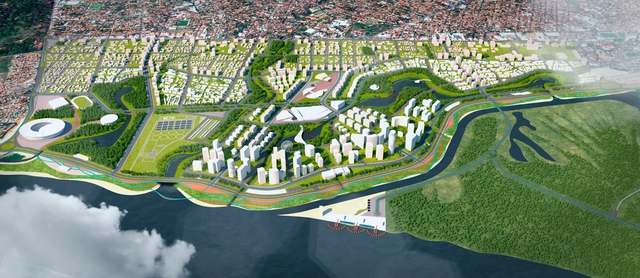
Cortesia de TESE Tecnologia Arquitetura e Cultura LTDA + Oficina Urbana de Arquitetura (OUA)
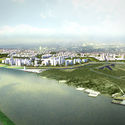
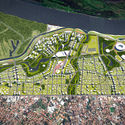
The competition sought the urban, environmental, sociocultural, economic, and management design of a 514-hectare area in Asunción, the capital of Paraguay. Located on flood-prone land along the Paraguay River near the Historic Center, the area features high environmental and social vulnerability, with thousands of families living in precarious settlements in high-risk zones. A total of 41 projects were submitted by participants from the United States, Mexico, Portugal, Spain, the Dominican Republic, Brazil, Chile, Uruguay, Argentina, Peru, Ecuador, Bolivia, São Tomé and Príncipe, and Paraguay. The Brazilian team—composed of the firms TESE Tecnologia Arquitetura e Cultura LTDA and Oficina Urbana de Arquitetura (OUA)—received the only honorable mention.
The brief called for an urban design proposal, including the design of public spaces, aimed at connecting the area with the rest of the city and fostering the relationship between the city and the river, based on the principles and guidelines of the Master Plan for the Northern Coastal Fringe. The evaluation criteria focused on the need to recover and enhance the urban-environmental dimension of the intervention area, alongside developing a strategy for its connection to the city, strengthening its identity and potential, and providing physical and visual accessibility and permeability within an integrated urban intervention vision. See the overall competition results and the Brazilian team's project, along with their project description, below.
In 1988, upon the death of Luis Barragán, a process began to manage the assets he bequeathed to a group of architects based in Guadalajara, Jalisco. This led to the creation of the Fundación de Arquitectura Tapatía Luis Barragán, established to safeguard a portion of his real estate, his library, and certain personal belongings. Consequently, the foundation secured the necessary funding to acquire the Luis Barragán House and Studio, preserving it as the house-museum it is today.
We spoke with architect Salvador Macías, co-founder of Estudio Macías Peredo, who now directs this venue, which aims to provide a public space for reflection and the dissemination of architecture.
Documenting the urban landscape is a task photographers have undertaken almost since the birth of photography in the second half of the nineteenth century. Inexhaustible, the city continues to serve as raw material for photography, which, in turn, offers an image of the city that is simultaneously identical to and distinct from what is felt when experiencing the urban space.
Mauro Restiffe is perhaps one of the photographers who most deeply experiences the city and its residual spaces—an aspect that becomes immediately apparent upon viewing the selection of photographs chosen for the exhibition São Paulo, Out of Reach, on display at the Instituto Moreira Salles in São Paulo, curated by Thyago Nogueira. Bringing together photos that record moments of urban transformation and decay in places such as Cracolândia, Bom Retiro, Luz, Itaquera, and Ipiranga, among other neighborhoods, Restiffe composes a fragmented image of São Paulo between 2012 and 2014. Yet—partly due to his technique and, above all, his gaze—it also represents other eras of this metropolis.
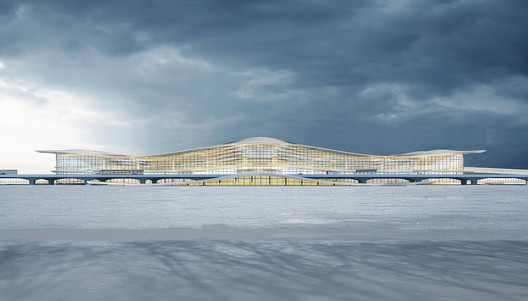
An international consortium comprising Aedas, China Southwest Architectural Design and Research Institute (CSWADI), and Shanghai Civil Aviation New Era Airport Design and Research Institute has won the design competition for the architectural planning, scheme, and construction design of the Phase II expansion of Yantai Penglai International Airport.
The new 167,000-square-meter Terminal 2 (T2) is designed to handle an annual passenger throughput of 23 million. The expansion plan also includes a new close-spaced runway. Looking ahead to 2040, the terminal is projected to expand to 200,000 square meters to accommodate up to 34 million passengers annually.
The debate over the roles of architects and engineers and the perceived overlap of their professional scopes has driven a series of recent protests in Portugal, sparked by parliament's approval of a bill that allows engineers to sign off on architectural projects.
Under these circumstances, the frustration of architects and their resentment toward their engineering colleagues is understandable. However, in an article published by the newspaper Público.pt, Gonçalo Cano Moniz offers an alternative perspective. In hopes of reversing this unfortunate decision, he seeks to reunite engineering and architecture as the complementary fields they are, using historical arguments to shift the focus to the true consequence of the legislation: the weakening of both professions—architecture for having been undermined, and engineering for being assigned "responsibilities for which it is clearly unprepared."
School buildings house complex systems. From kindergarten to university faculty, the journey through the levels of learning consists of an accumulation of vital experiences resulting from the interaction between these systems.
The educational function, as functionalism termed it, now builds its environments under new paradigms that reflect and respond to an increasingly diverse and complex social agenda.
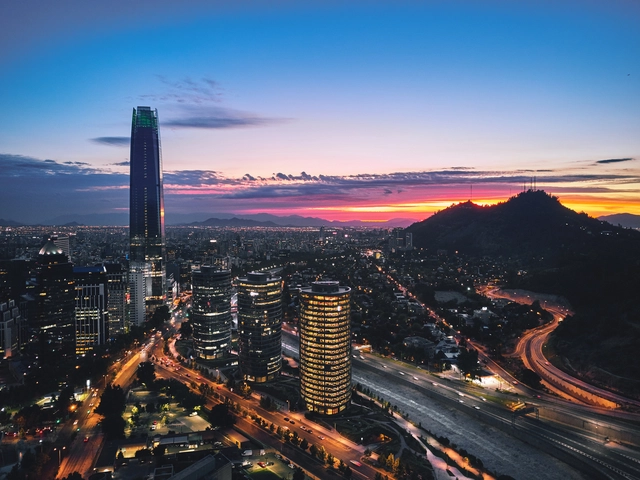
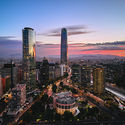
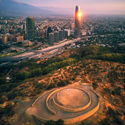
Offering a perspective unusual for locals, Instagram user Deensel photographed Santiago by drone during a visit to Chile. The results feature bucolic sunsets over Santa Lucía Hill, cool summer nights in the city's dense downtown, and unprecedented views of the so-called Sanhattan district, crowned by the Costanera Center —the tallest skyscraper in Latin America— and the Titanium Tower.
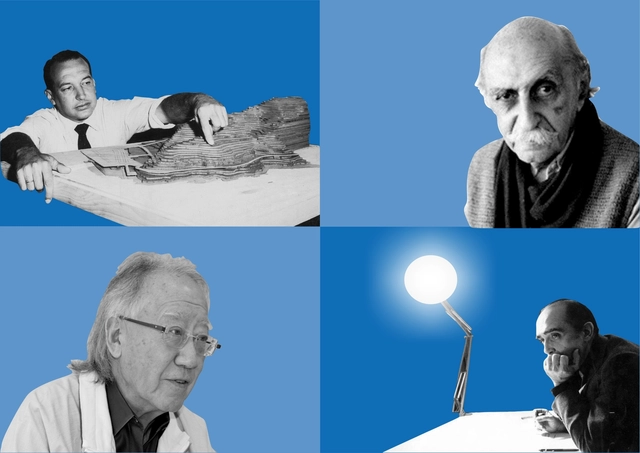
In any profession, it is common for children to follow in their parents' footsteps, motivated by the environment they grew up in and inspired by a passion for the craft. Architecture is no exception. Growing up surrounded by sketches, floor plans, and coffee seems to spark the desire to pursue the same career.
In celebration of Father's Day, observed in Brazil this coming Sunday, August 12, we have compiled a list of architects who followed in their fathers' footsteps. Read on below:
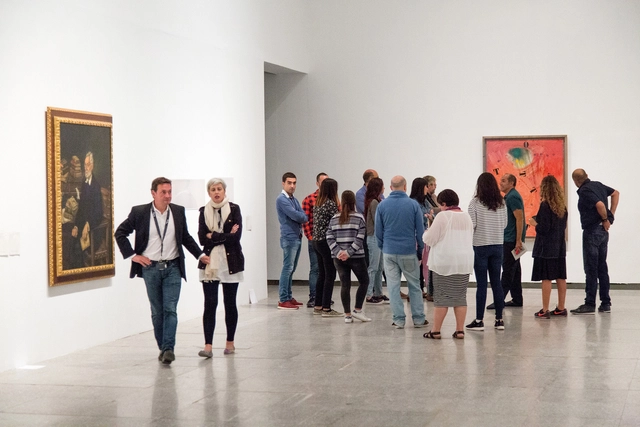
Adolf Loos, Joaquín Vaquero Palacios, Fernando Moreno Barberá, Norman Foster, and the bicentennial of the Museo del Prado are just some of the key names and milestones set to take over Spanish museums in 2018.
Here are 10 highly recommended architecture exhibitions for the new year that offer a rich and compelling cultural lineup. They span Spanish and international architects, iconic buildings from Spain's architectural history, and the profound impact of emerging technologies—such as artificial intelligence and virtual reality—on the field of architecture.
Few cities worldwide have had the courage to tax vehicle circulation—even though existing examples have, so far, been positive. It has fallen to Buenos Aires to launch the first policy of this kind in Latin America. Starting now, the city government will charge for the time saved by those who insist on driving in the historic center (known as Microcentro) of the Argentine capital and in the Retiro neighborhood between 11 a.m. and 4 p.m. The city joins a list whose prominent names include Singapore, London, Stockholm, and Milan.
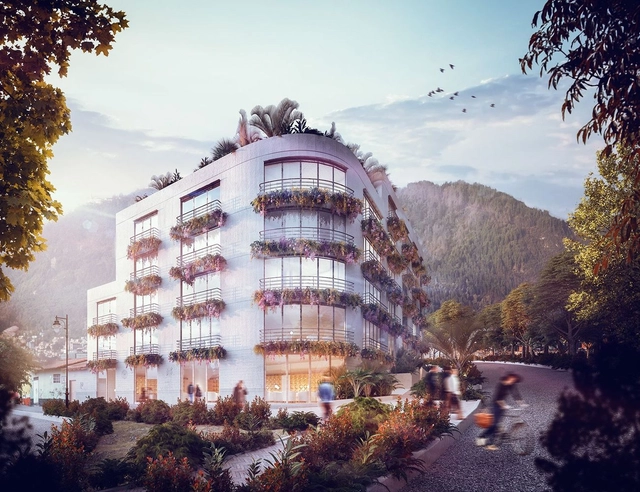
Renowned for his work with guadua bamboo, Colombian architect Simón Vélez will build his first steel project in Bogotá, according to the local newspaper La República.
The project, named La Primera, is a residential building in the La Candelaria neighborhood of the Colombian capital, and will feature 60 one- and two-bedroom apartments. Joining Vélez on the project are the firm A Korn Arquitectos, the construction company Kandelaria, and Geografía Urbana as urban planning consultant.
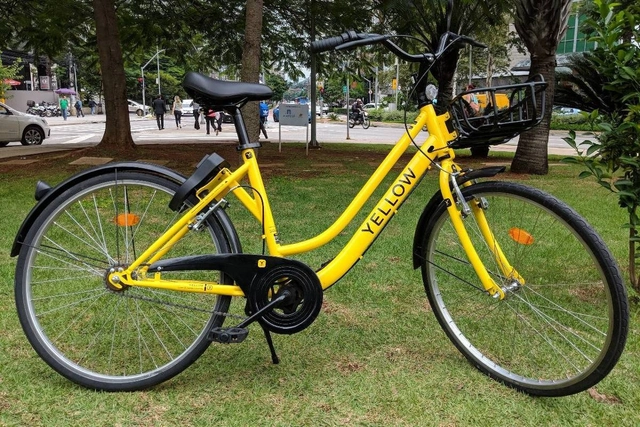
Model of the bicycle that will be distributed throughout the streets of São Paulo. Image: Yellow / Courtesy ofício
São Paulo will soon have a new bike-sharing system. Developed by the company Yellow, the system will deploy 20,000 vehicles and will not feature stations—the bicycles will be left freely on the streets.
Known as "dockless," the service already operates in other parts of the world, such as China and Germany, and involves leaving bikes "free" on the streets, available to users via an app that unlocks the selected vehicle. At the end of the trip, riders can leave the bicycle wherever is convenient, and it locks itself, remaining available for the next user.
The project, titled Empatias Mapeadas, consists of an interactive parametric sculpture featuring pulsing lights and speakers that mix and broadcast the heartbeats of the participants who touch the piece.
The CitYzens Collective and the Arkco-CUC research group at the Universidad de la Costa (CUC) conducted a collective mapping exercise in the Plaza de la Paz, located in the historic center of Barranquilla, Colombia. The event took place on June 1, 2018, at this emblematic public square.
The initiative not only involved collaboration with urban design collectives like Colectivo 016, but also drew the participation of dozens of citizens and passersby. They made symbolic contributions to "Save Barranquilla" by mapping their experiences, identities, appropriations, uses, and collective imaginaries of the city.
Heritage-listed at both the state and federal levels, Teatro Oficina, designed by Lina Bo Bardi and Edson Elito, is at risk of having its surroundings profoundly altered by the construction of two 100-meter-tall residential towers. The project, led by the Silvio Santos Group, was approved by the National Historical and Artistic Heritage Institute (Iphan) during a meeting on May 29.
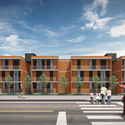
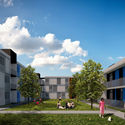
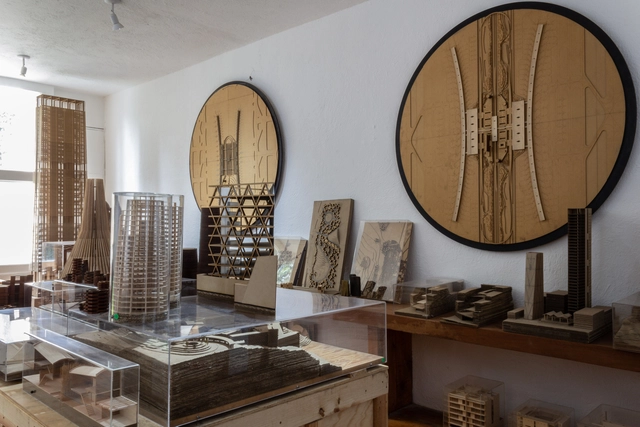
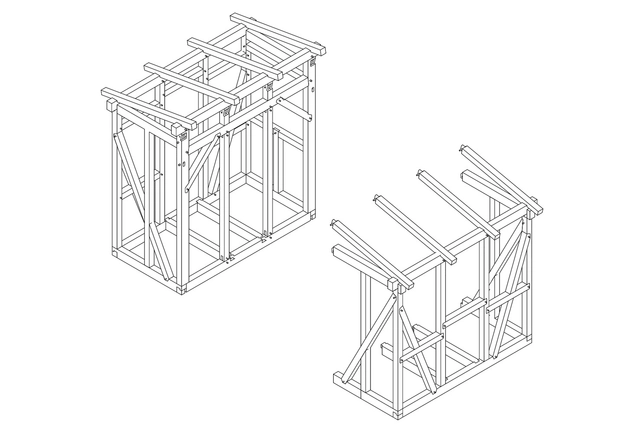
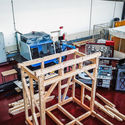
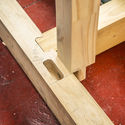
Aiming to offer low-income households genuine flexibility for expansion and adaptation during their housing process, the Robotic Timber Framing group at the Department of Architecture of the Universidad Técnica Federico Santa María, led by Luis Felipe González and Francisco Quitral, is developing timber housing structures that can be freely assembled and transformed by their occupants.
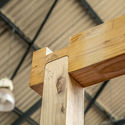
Without the need for metal fasteners, the components are joined using mortise and tenon joints, a process carried out by an industrial robot equipped with cutting tools.
Interestingly, both cases boil down to the same underlying reason: the risk of gentrification in these cities is largely driven by the impact of innovation ecosystems on local real estate dynamics.
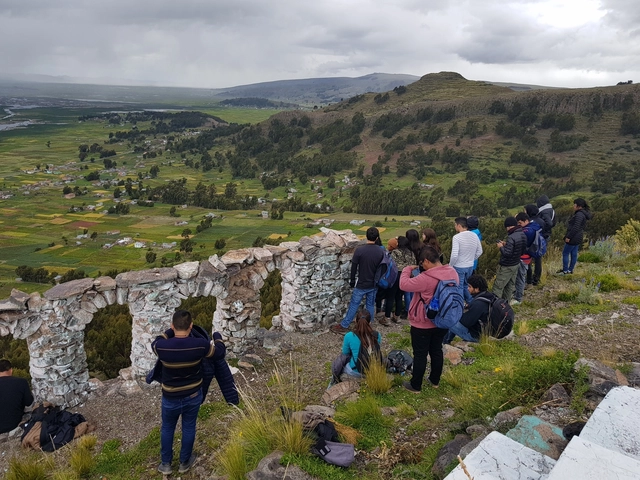
On the shores of Lake Titicaca, nearly 250 students from 15 countries kicked off TSL Puno 2018 in Peru, marking the 15th edition of the Latin American Social Workshop, led by the Latin American Coordinator of Architecture Students (CLEA) and the Peruvian Organization of Architecture Students (OPEA).
Continuing a tradition that began in 2002, architecture students from across Latin America are joining forces with public and private entities, architecture collectives, workshop leaders, faculty, and members of civil society to conceptualize, design, and build public amenities across the Spanish-speaking world.
In the constant ebb and flow of those moving through the city of São Paulo, you have likely noticed the distinctive graphic pattern repeated across various sidewalks. The classic pattern behind the modules that graphically form the map of the state of São Paulo was created in 1966 by architect and artist Mirthes dos Santos Pinto. It all began in the 1960s when then-mayor João Vicente Faria Lima launched a competition to design the city's new pavement. Mirthes, who at the time worked as a drafter for the São Paulo Municipal Works Department, created a stylized map of the State of São Paulo. Using square modules of black and white geometric tiles, the design alternated between solid colors and diagonally split tiles to create a continuous pattern.
The California Assembly voted in favor of SB 100, a Senate bill that sets the state on a path toward 100% renewable energy generation. The legislation establishes a new target of obtaining 60% of the state's electricity from renewable sources by 2030 and reaching 100% clean and renewable energy by 2045. Governor Jerry Brown has thirty days to sign the bill.






.jpg?1525787422&format=webp&width=640&height=580)







.jpg?1525880666&format=webp&width=640&height=580)
.jpg?1530823155&format=webp&width=640&height=580)






.jpg?1536064648&format=webp&width=640&height=580)