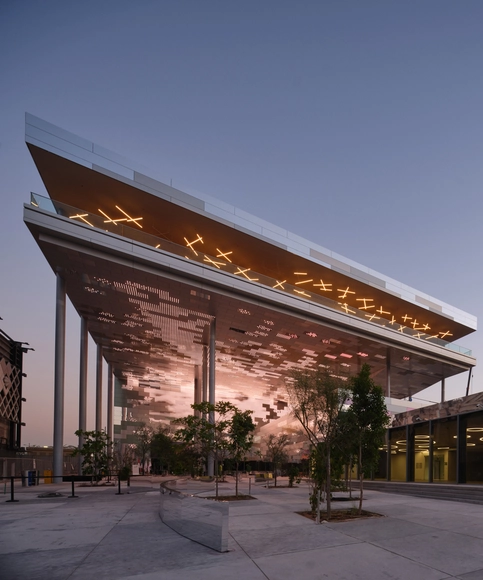
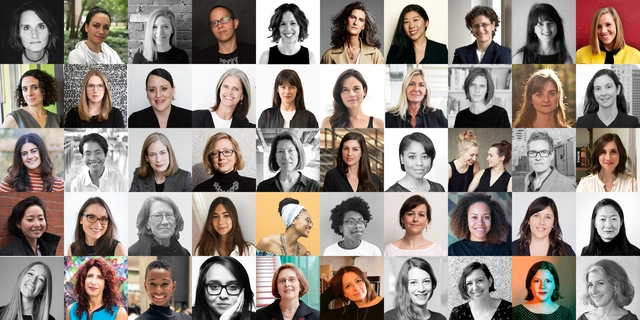
The European Commission and the Fundació Mies van der Rohe have announced the second list of 85 works competing for the 2022 European Union Prize for Contemporary Architecture – Mies van der Rohe Award. Joining the batch of first nominations announced in February 2021, the full list comprises now of 532 competing works for the EU Mies Award 2022. The shortlist of 40 will be announced in January 2022, the winners in April 2022, and the Award ceremony will take place in May 2022.
Henning Larsen has been creating projects that address cross-cultural design, tackle diverse climatic zones, and try to achieve ambitious sustainability objectives. All of this wouldn’t be possible without the use of technology and specially crafted digital and generative design tools that allow architects to treat any element as a parameter in design.
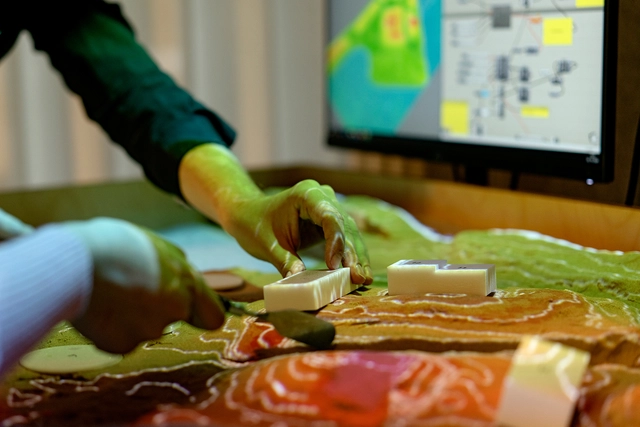
In a special interview with ArchDaily, Jakob Strømann-Andersen, Partner and Director of Henning Larsen’s Innovation and Sustainability Department talks about digital tools and their incorporation in the design process. Focusing specifically in this conversation on Sandworm, a new modeling program that uses sandboxes, Anderson explains how they have achieved to scan and directly transfer manipulated landscapes into a 3D model.
Courtesy of OMA New York, Photography by Jason O’Rear
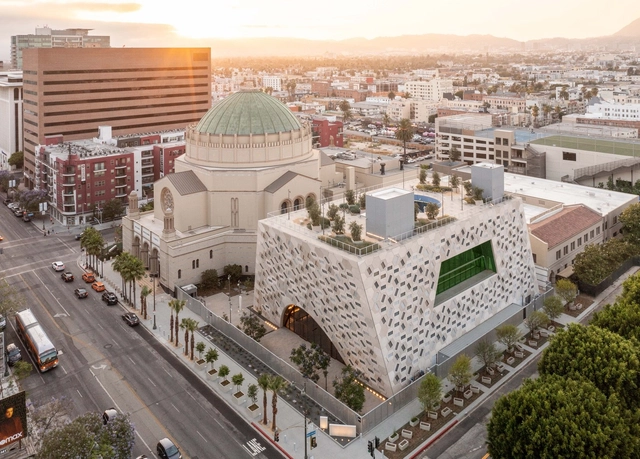
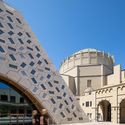
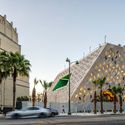
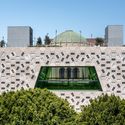
OMA / Shohei Shigematsu has completed its Audrey Irmas Pavilion at Wilshire Boulevard Temple, the firm’s first commission from a religious institution and first cultural building in California. Expected to open in January 2022, “the new 55,000 square foot Pavilion is a response to the Wilshire Boulevard Temple’s vision for its campus to create a much-needed space to convene”.
Questioning the new now, especially with the new challenges of Covid-19, around the world, cities are advocating for structural change and collective action. Berlin questions, an annual, multi-day conference and a platform for transdisciplinary dialogue, in its 2021 edition “Metropolis: The New Now”, tackled the immediate present, creating a place for debate. Dedicated to local solutions to global challenges, the event took on a hybrid format, at various locations in Berlin and online, resembling the world we live in.
ArchDaily had the chance to meet up with the winner of the Iconic Awards 2021 in the Architects of the Year category Dorte Mandrup, architect, founder, and creative director of Dorte Mandrup Arkitekter at Berlin Questions, to discuss the firm’s latest project in the German capital, the Exile Museum and to reflect on her career and visions.
Questioning the new now, especially with the new challenges of Covid-19, around the world, cities are advocating for structural change and collective action. Berlin questions, an annual, multi-day conference and a platform for transdisciplinary dialogue, in its 2021 edition “Metropolis: The New Now”, tackled the immediate present, creating a place for debate. Dedicated to local solutions to global challenges, the event took on a hybrid format, at various locations in Berlin and online, resembling the world we live in.
ArchDaily had the chance to meet up with Lesley Lokko, architect, academic, and novelist at Berlin Questions, to discuss her talk “Africa as the lab for the future”, her visions for the future of architecture education and the future of big cities on a social, cultural and urban level.
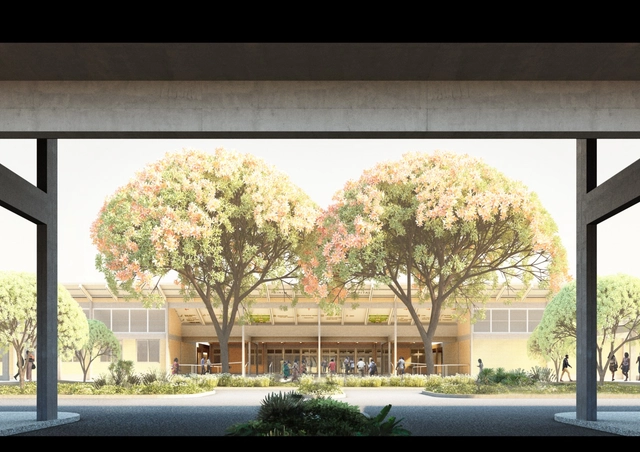
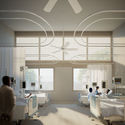
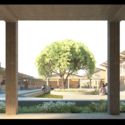
Adjaye Associates has been commissioned the design of district hospitals, part of the Agenda 111 initiative by the Ghana Government. The major vision for Ghana’s healthcare sector will consist of 111 Hospitals including 101 District Hospitals, 2 Psychiatric Hospitals, 7 Regional Hospitals, and the Redevelopment of the Accra Psychiatric Hospital.
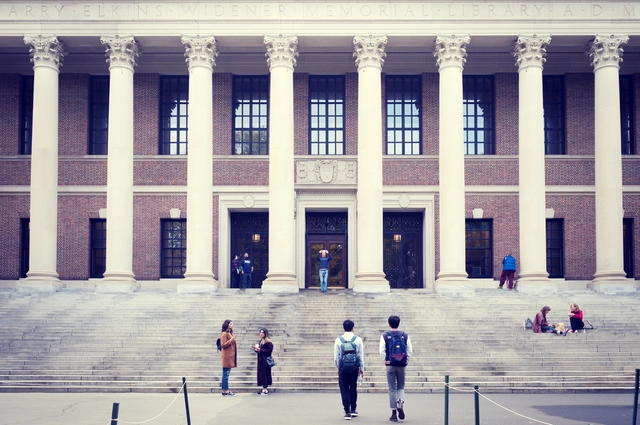
Harvard University in Cambridge, Massachusetts, USA. Image via Shutterstock/ By Marcio Jose Bastos Silva
In order “to help architects and students to get to know the best International Master’s programs available”, the Best Architecture Masters (BAM) has established its annual list of top postgraduate architecture curriculums. Based on the QS Ranking by Subjects – Architecture / Built Environment, for the 2021 edition, 22 Universities were selected to be evaluated, by an Expert Committee, formed by 15 professors from all over the world.
In 2021, the Harvard Master in Architecture II continued to lead the ranking, and Colombia maintained second place with its Master of Science Degree in Advanced Architectural Design. TU Delft in the Netherlands took on the third position, becoming the best in Europe while Tsinghua University in China followed in the fourth position, becoming the best in Asia. The Master in Architecture of the Pontificia Universidad Católica in Chile occupied the 15th position and was named the best program in Latin America.
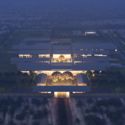
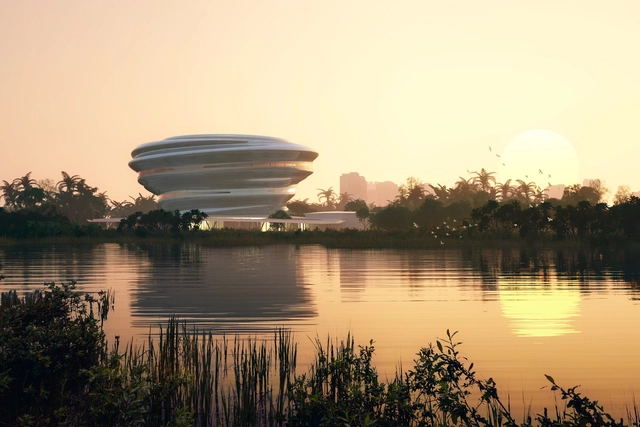
MAD Architects has unveiled his design proposal for Hainan Science and Technology Museum Haikou City, Hainan, China. Scheduled to break ground in late August 2021 and to be completed and open by 2024, the Hainan Science and Technology Museum is the firm’s second major public project in Hainan, after the Cloudscape, inaugurated in April 2021. Merging nature and technology, the project located on the city’s west coast will become an “important science venue and a major tourist attraction for Hainan's free trade port”.
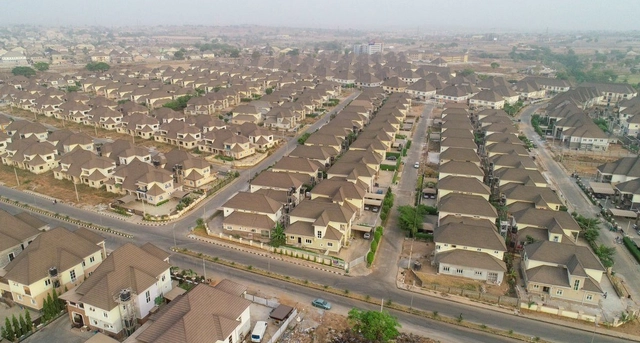
In spite of the lull in the global construction industry over the last couple of years, megacity projects in Africa have continued unabated, as new developments are springing up in major cities all over the continent. Though we’re inspired by the growth of modern African cities and the opportunities offered to city residents, we shouldn’t ignore their shortcomings, the glaring disconnect between the utopian visions of local city officials and the economic and cultural realities of the local populations who live here. Many questions whether these new cities could be built in other ways, or if Africans will ever have an alternative to the current model of placemaking, hodgepodge urbanism foisted on it, largely by colonialists.
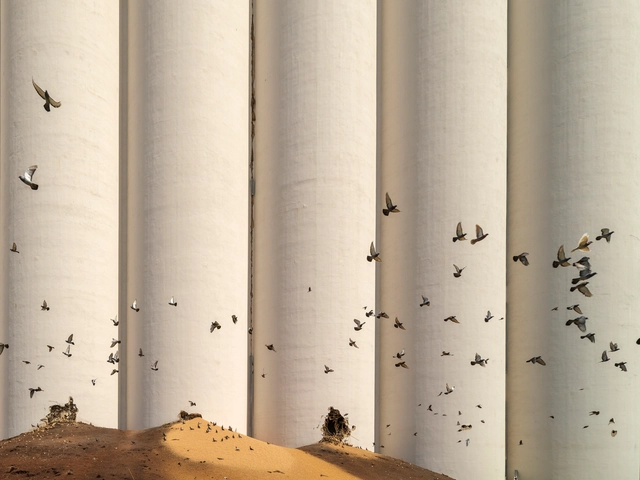
Exactly a year ago, on August 4, 2020, the third-largest non-nuclear explosion ever-recorded destroyed almost half the city of Beirut, ripping through the port and the eastern part of the capital. One of the biggest urban tragedies of modern times, killed more than 200 people, wounded thousands, and left an estimated 300,000 people homeless, damaging over 80,000 commercial, residential and public spaces. Felt across neighboring countries, the blast stripped the city’s constructions of their cladding, framing, and glass elements, while completely tearing down other buildings, leaving around US$15 billion in property damage, in times of Covid, political and social unrest, and economic collapse.
One year later, so little has changed. One year later, it only became harder for the people of Beirut. One year later, everything in the city still reminds them of that day. Major questions remained unanswered, no rescue or action plans have been taken by governmental institutions, instead, civil society rose to take into their own hands, reconstruction efforts, in the total absence of the state.
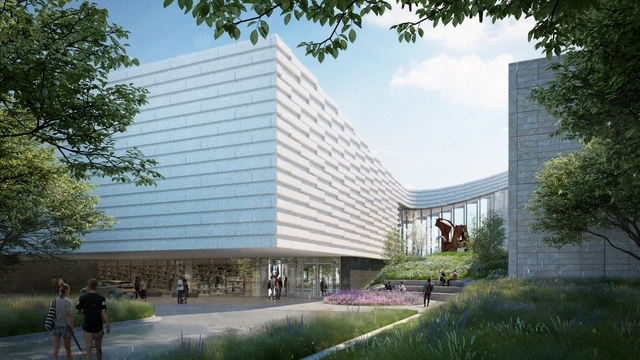
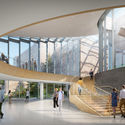
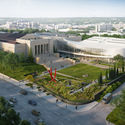
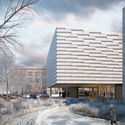
Snøhetta has unveiled his latest project, the expansion and site redesign of the Joslyn Art Museum, in Nebraska. Developed in partnership with local architects Alley Poyner Macchietto Architecture (APMA), the project seeks to add new gallery space, public gardens, and outdoor spaces as well as restore and modernize existing office spaces in the Joslyn Memorial building.
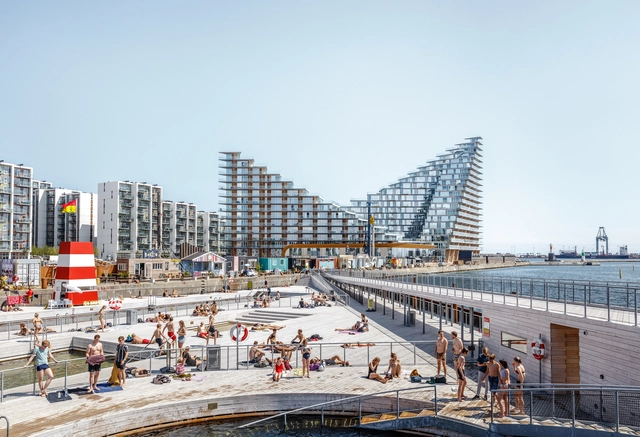
AARHUS, Image by Rasmus Hjortshoj . Image Courtesy of BIG
"The future is already here, it's not just very evenly distributed". Starting off with this William Gibson quote, BIG’s latest publication Formgiving looks at the past and present in order to determine the future. Talking of predictions that aren’t so far down the road, but rather than could occur in 5, 10, or 50 years, the book seeks to “give form to the future”, or to what has not taken shape yet.
ArchDaily had to chance to interview Kai-Uwe Bergmann, Partner at BIG-Bjarke Ingels Group, and discuss not only the firm’s latest manuscript but the trilogy of publications: Yes is More, an “Archicomic on Architectural Evolution”, Hot to Cold an “Odyssey of Architectural Adaptation”, and Formgiving, an “Architectural Future History”.
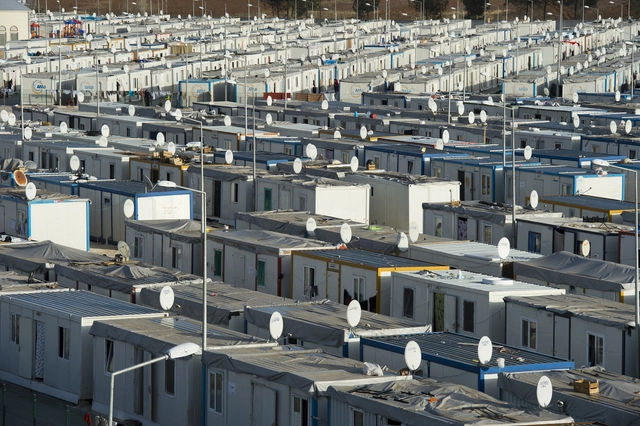
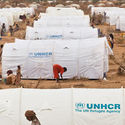
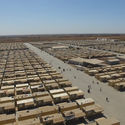
SANLIURFA, TURKEY - February 19, 2014: Aerial view of Akcakale Refugee Camp. Approximately 28.000 Syrian people reside in Akcakale Tent Camp in Urfa.. Image via Shutterstock/ By answer5
With more than 70 million forcibly displaced people worldwide, according to the UNHCR, and nearly 25.9 million refugees, the time has come to reconsider the traditional emergency camp approach. Although the concept is temporary by definition, in real life the lifespan of these refugee camps exceeds the planned and the expected.
Ranging from seven to seventeen years, most of these settlements surpass their expiry dates. Actually, on average, according to the United Nations High Commissioner for Refugees (UNHCR) in Kenya, "many displaced persons spend more than 16 years living as refugees in temporary shelter."
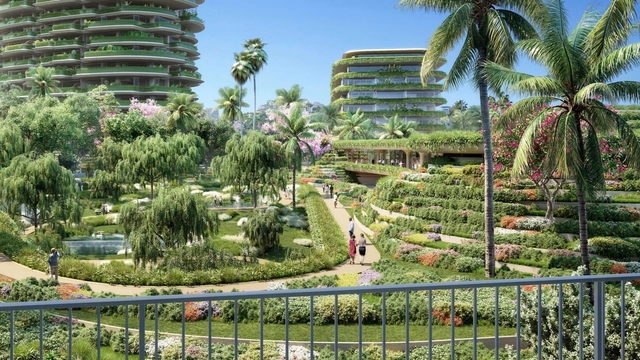
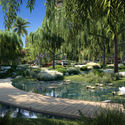
Designed by Foster + Partners, with landscape architect Mark Rios, One Beverly Hills puts in place a unifying vision for Beverly Hills’ western gateway. Proposing two residential buildings, a new ultra-luxury hotel, a casual dining, and retail pavilion, and expansive publicly accessible botanical gardens, the development, expected to open in 2026, aims to become a striking and dynamic mixed-use project.
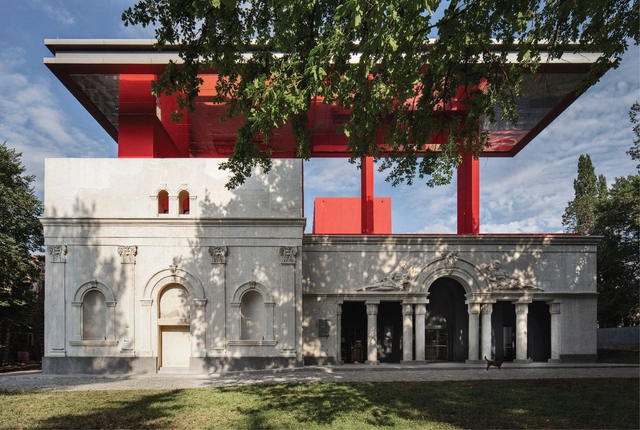
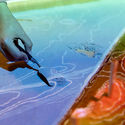
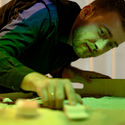
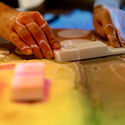
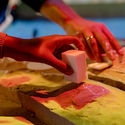
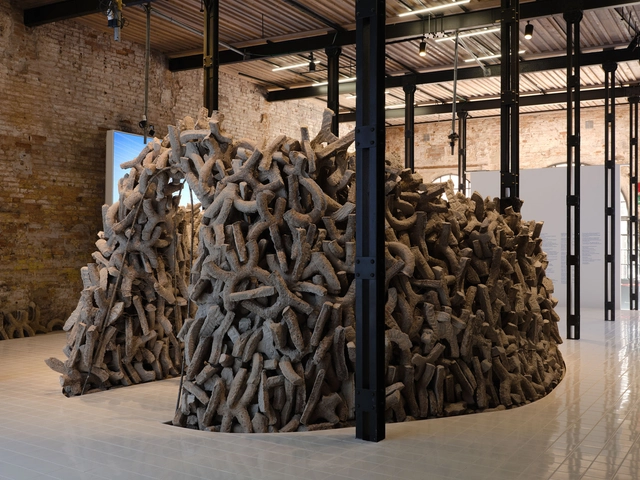
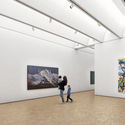
Other than the contribution of national participations, the 2021 Venice Architecture Biennale invites architects and researchers to exhibit their work between the Central Pavilion at the Giardini, the Arsenale, and Forte Marghera, seeking to answer the general theme of “How will we live together?”, set by curator Hashim Sarkis. With 113 Participants from 46 countries, and an increased representation from Africa, Latin America, and Asia, these architectural contributions underline worldwide and contextual challenges as well as present multidisciplinary and inventive solutions.
The 17th International Architecture Exhibition, running from 22 May to 21 November 2021, divides these projects amongst the following titles: Co-Habitats, Stations, Among Diverse Beings, As New Households, As Emerging Communities, Across Borders, and As One Planet, How Will We Play Together? After having explored the recurring qualities observed in the national pavilions, this feature highlights the rest of the interventions through the lens of Laurian Ghinitoiu.
France Pavilion. Image Courtesy of Expo Dubai 2020
With 3 months to go until the opening of Expo 2020 Dubai, on October 1st, the organizing committee has released updated images highlighting ready and completed pavilions. With officially 191 participating nations, the expo is seeking to “explore the power of connections in shaping our world”. Showcasing architecture, culture, and inspiring innovations, the world expo has been, for the past 170 years, the leading platform to introduce great inventions and architectural revolutions, most of which shaped the world we live in today.
Madame Architect, the platform dedicated to the built environment and to the empowerment, advancement, and visibility of the women who work in it, has just reached a milestone, publishing over 250 interviews with the females who shape our world. “Designed to break the architect’s mold”, the website was founded 3 years ago by Julia Gamolina, an architect that shaped her own path in the field, becoming Director of Strategy at Trahan Architects, focusing on the business, its development, growth, and evolution.
Archdaily's Christele Harrouk had the chance to speak to Julia Gamolina, Founder, Editor-in-Chief of Madame Architect, and one of Professional Women in Construction's "20 Under 40", to discuss her career choices, the online magazine, the business of architecture and communication.























.jpg?1624875360&format=webp&width=640&height=580)
.jpg?1624875658 "Le Consortium – Land \"Grancey-le-Château, A World at the Edge\" . Image")
.jpg?1624875488 "ICD Institute for Computational Design and Construction and ITKE Institute of Building Structures and Structural Design \"Material Culture: Rethinking The Physical Substrate For Living Together\". Image")
.jpg?1624875439 "Philip Beesley and the Living Architecture Systems Group / University of Waterloo School of Architecture \"Grove\". Image")
.jpg?1624875630 "TVK \"The Earth is an Architecture\". Image")
.jpg?1624875360)