Throughout history, the bicycle has endured as a means of transportation, evolving in various ways. In recent years (and even prior to the COVID-19 pandemic), however, its popularity has surged, specifically in major cities. In rural areas, by contrast, it has always been one of the primary modes of transportation due to the lack of other infrastructure. In Mexico, there are regions that have historically been highly bicycle-centric. While cycling is often associated with being a trendy mode of transportation, the reality is that its use is concentrated among low-income groups across towns, municipalities, and even entire states. Unfortunately, investment in cycling infrastructure in Mexico remains consistently low.
Since ArchDaily launched its recruitment services, we have received job postings from design firms of all scales across the country, from Beijing and Hangzhou to Shenzhen. Active across diverse architectural fields, these practices bring distinct perspectives and are looking for talented designers to join their teams. Below, we feature eight outstanding offices and a selection of their work. Readers are highly encouraged to apply.
Videos
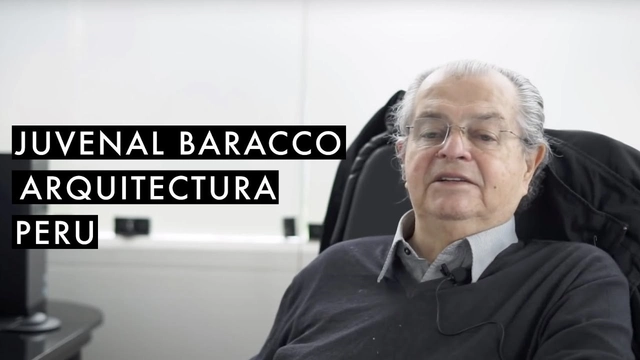
Juvenal Baracco. Image Cortesía de Archivo de ideas recibidas
Archivo de Ideas Recibidas is an interdisciplinary research and dissemination project that aims to record and connect the ideas of individuals who contribute to the contemporary creative ecosystem through art, design, and architecture. It is built on conversations between the team and various creators, exploring themes related to memory, academia, cultural context, their primary influences, and working methodologies.
Bryant Park in New York. Image by ymgerman. Image via Shutterstock
One of the greatest challenges of urban planning lies in managing city growth. Year after year, major cities see their populations increase, and it is estimated that by 2050, 70% of the world's population will live in urban areas. But how can we build sustainable, healthy, and equitable cities that foster urban diversity?
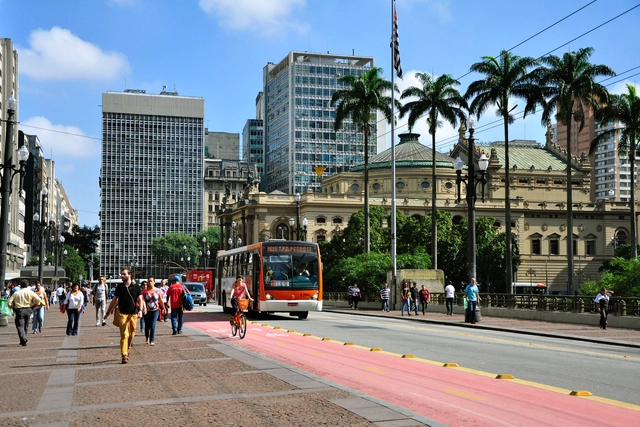
Downtown São Paulo. Image: Mariana Gil/EMBARQ Brasil, via Flickr. License CC BY-NC-SA 2.0
Measures that reduce the vulnerability of natural and human systems to the impacts of climate change are essential for sustainable development. In cities, the increase in climate risks driven by urbanization demands planning and investment from local governments to expand climate adaptation. This challenge transcends the geographical boundaries of urban areas and is directly linked to global prosperity—after all, cities are home to 55% of the world's population and 80% of global GDP.
https://www.archdaily.com/1128145/3-economic-arguments-to-expand-climate-adaptation-in-brazilian-citiesMarina Garcia e Luana Betti
With a century of history, the Confitería del Molino, designed by architect Francisco Gianotti—who was born in Italy in 1881 and arrived in Argentina in 1909—is one of the heritage landmarks of Argentine architecture. After remaining closed for more than 20 years, in July 2018, the National Congress took possession of the property and began restoration efforts. In Argentina in particular, where neglect or disinterest has led to the loss of a vast number of heritage works, projects of this nature invite us to reflect on the role of architecture in building a city's collective memory.
We all know that architecture is a complex field requiring input from multiple disciplines to come to fruition. While design lies at the heart of every project, without technical expertise, many would never have become the structures we know today.
We spoke with Mexican architect Lucía Villers about her interest in understanding time in architecture through projects and research focused on transformation and restoration. Her work is divided between architectural practice and research projects. Time is an obsession Lucía has had since childhood. “When I went on road trips and watched the landscape, I would suddenly notice that a mountain moved slower, while what was close to me seemed to go faster. I always had many questions about the perception of time. Sometimes it seems to pass very quickly, and then very slowly.”
https://www.archdaily.com/1128134/lucia-villers-architecture-focused-on-understanding-timeBob J. Barraza
This week, we feature two firms currently hiring: a London-founded international practice and a studio led by a female architect with a global educational background. Both are active across diverse architectural sectors, each bringing a unique design ethos and seeking talented professionals to join their teams.
https://www.archdaily.com/1128136/jobs-of-the-week-chapman-taylor-holi-architectural-practiceMilly Mo
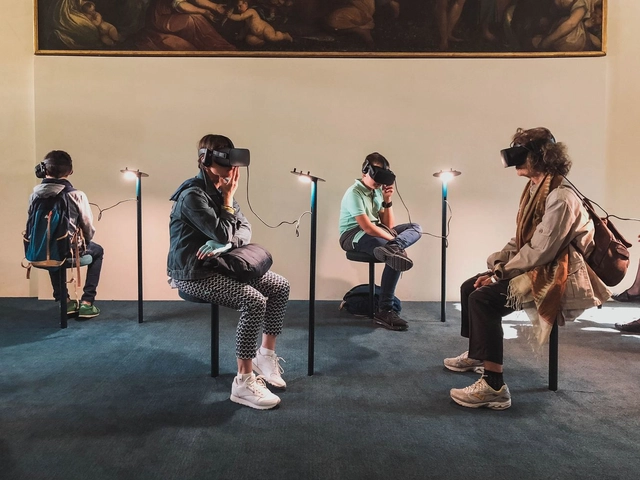
This year marked the 10th anniversary of the release of the first episode of Black Mirror. A dystopian, character-driven science fiction anthology series that explores twisted, high-tech metaverses where, according to IMDb, “humanity’s greatest innovations and darkest instincts collide.” For this reason, the British series, created by Charlie Brooker for Netflix, sparked a wide range of reactions among viewers. While it presented future scenarios, their proximity ended up creating a distinct sense of paranoia, fear, and uncertainty.
https://www.archdaily.com/1127660/metaverses-from-science-fiction-to-the-extreme-presentBob J. Barraza
Archivo de Ideas Recibidas is an interdisciplinary research and dissemination project that seeks to document and connect the ideas of individuals contributing to the contemporary creative ecosystem through art, design, and architecture. It is built upon conversations between the team and various creators, exploring topics related to memory, academia, cultural context, key influences, and working methodologies. This time, they share an interview on cinema and architecture with Mauricio Freyre (Estudio Rien).
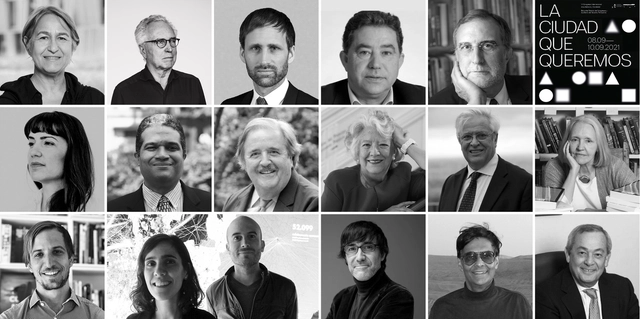
Anne Lacaton, Pablo Martínez y Mar Santamaria, Mohan Munasinghe, Francesc Muñoz, Feniosky Peña-Mora, entre otros ponentes del congreso.. Image Cortesía de Congreso Internacional de Arquitectura: La Ciudad que Queremos
From September 8 to 10, the sixth edition of the International Architecture Congress, titled "The City We Want," will take place. For the first time, the event can be followed live via the Architecture and Society Foundation's YouTube channel.
Querétaro is a state located in the north-central region of Mexico, bordering the states of Guanajuato, San Luis Potosí, Hidalgo, the State of Mexico, and Michoacán. Covering an area of 11,684 km², it is the fifth-smallest state in the country. Its capital and largest city is Santiago de Querétaro; other notable localities include Tequisquiapan, Cadereyta, Jalpan de Serra, San Joaquín, and Bernal.
Since its inception, Chapman Taylor has grown from a London-based practice into a multi-award-winning international group operating globally, maintaining a steady pace of progressive growth. While adapting to changing times, the practice has refined its founding principles while upholding traditional standards—a philosophy that has driven continuous business expansion and sustained the firm through several challenging periods.
https://www.archdaily.com/1127707/jobs-in-shanghai-and-beijing-chapman-taylor-architect-graphic-designer-business-development-manager-marketing-assistantMilly Mo
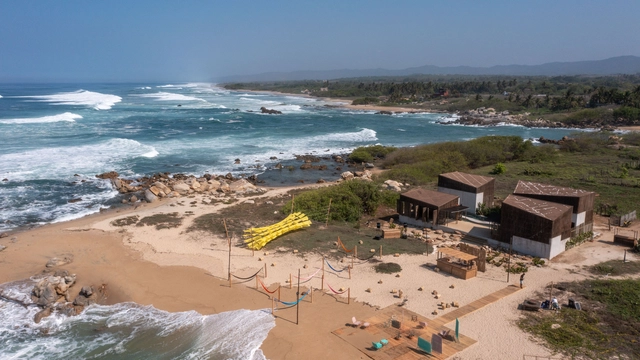
In late May 2021, Puerto Escondido, Oaxaca, hosted the inaugural edition of MDF Mexico Design Fair, an emerging platform born out of a desire to discuss, exhibit, and celebrate the Mexican design scene. Its primary objective is to promote the acquisition of contemporary Mexican design, strengthening its position by understanding and transcending the goals of the international market.
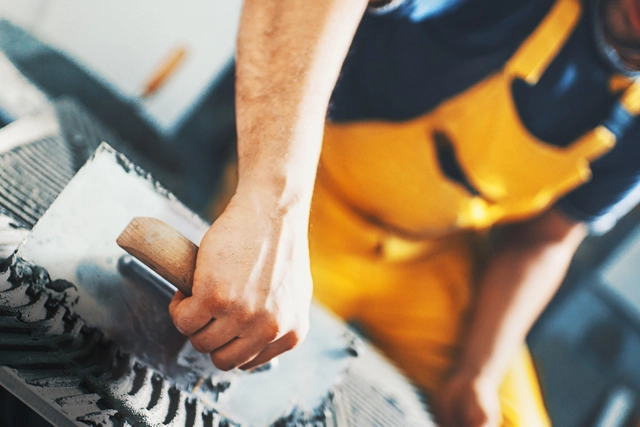
Solutions that improve usability while also being sustainable always deserve to be highlighted. Klabin, a Brazilian paper and packaging company, has developed the market's first cement packaging that can be integrated directly into the concrete mixing process. The water-dispersible packaging is made of 100% dispersible paper, meaning it can be incorporated during concrete preparation, streamlining production through direct use in a horizontal shaft concrete mixer. Simply place the closed packaging into the mixer, add sand, gravel, and water, and mix until it disperses and integrates into the final product, preserving the concrete's quality. This new packaging guarantees high performance and easy handling.
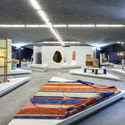
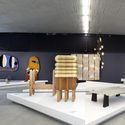
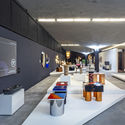
As part of the annual collaborative efforts of the Design Week team in Mexico City, the "Inédito" exhibition opened on October 14 at the Espacio CDMX Arquitectura y Diseño gallery. This showcase is part of the seventh consecutive edition of the open call, which aims to support, promote, and disseminate utilitarian design projects in the categories of social impact, environmental impact, innovation, function, aesthetics, concept, user experience, materials, and processes. Divided into three categories—professional, student, and limited edition—the exhibition, rather than fostering competition, opens up opportunities in both the domestic and international markets for exceptional design with commercial and production viability.
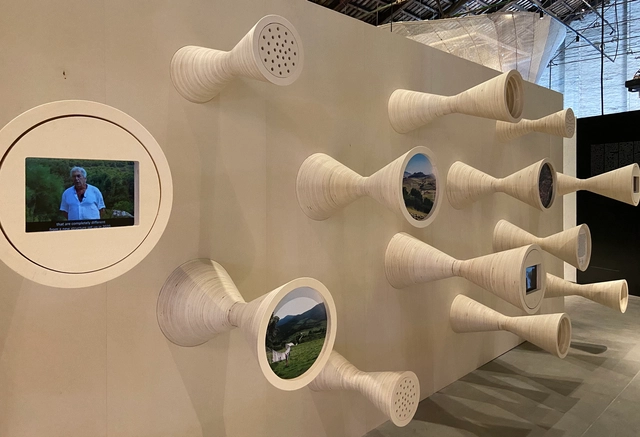
Arquitectura de ondas gravitacionales. Image Cortesía de El Equipo Mazzanti
The detection of gravitational waves is one of the most important recent discoveries. It is revolutionizing the way we observe and study the universe.
El Equipo Mazzanti in association with Lino Cabras, Fabrizio Pusceddu, Eugenio Coccia, Massimo Faiferri, and Michele Punturo, designed an installation that showcases the latest projects on the subject. Titled 'Gravitational Wave Architecture', the exhibition is housed within the Italian Pavilion, curated by Alessandro Melis, at the Venice Biennale 2021.
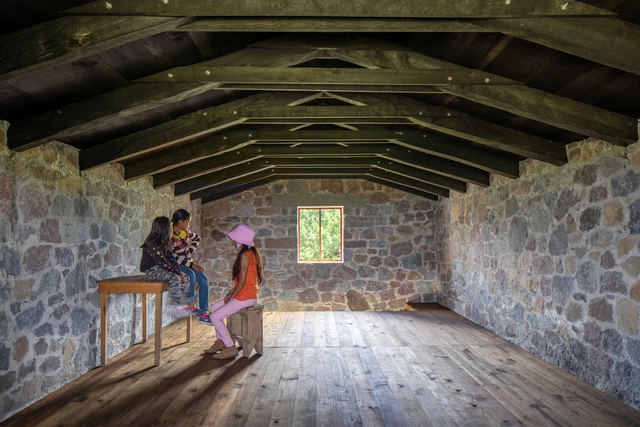
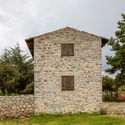
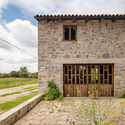
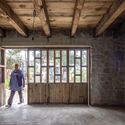
The project “Tequiocalco. Campa tlachializtli mozcalializtli in totlamatiliz huan toyuhcatiliz” –located in the state of Tlaxcala, Mexico– which translates to Spanish as the Autonomous Center for Research and Revitalization of Community Knowledge (CAIRSCO), is the “place where our wisdom and culture, ways of being, or what is lived in the community are observed, researched, and revitalized.”
https://www.archdaily.com/1127672/the-re-existence-of-dwelling-language-and-territory-arte-a-360-grados-plus-comunalArte a 360 grados + Comunal Taller de Arquitectura
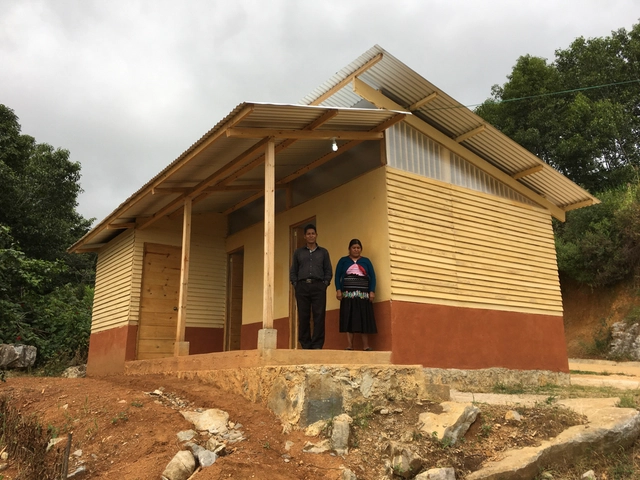
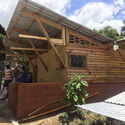
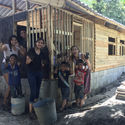
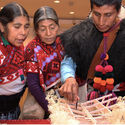
Since 2015, the Taller Vertical Proyectos de Incidencia (Vertical Workshop for Impact Projects) at the Department of Architecture of the Universidad Iberoamericana in Mexico—coordinated by Juan M. Casillas in collaboration with Daniela Luján and Karen Poulain—has operated as an academic space for reflection and action regarding the role of architects in today's context. This initiative will be part of the projects presented at the Mexican Pavilion during the 17th International Architecture Exhibition of the Venice Biennale 2021.
Architecture firm Sordo Madaleno Arquitectos (now SOMA) has unveiled the design for the new Park Hyatt mixed-use development in Mexico City's Polanco district. Comprising a luxury hotel, residences, and offices, the project marks Hyatt Hotels Corporation's first such complex in the country.
https://www.archdaily.com/1127671/sordo-madaleno-arquitectos-designs-the-first-park-hyatt-complex-in-mexico-cityArchDaily Team
The following article is a contribution from Juan Pablo Aschner, PhD, architect, founding dean, and tenured professor at the new Facultad de Creación at Universidad del Rosario in Colombia, which offers undergraduate degrees in architecture, arts, creation, design, and musical theater. Below, the text explores the contribution of transdisciplinary creativity, accompanied by illustrations created for the school by Antoine Cosse, under the art direction of Tangrama.
https://www.archdaily.com/1127675/creative-education-the-academic-union-between-architecture-art-design-and-related-tradesJuan Pablo Aschner
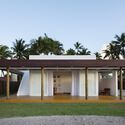
Dedicated to creating environments for a wide range of human activities, Armando de Holanda practiced as an architect in Northeast Brazil. Unsettled by the persistence of European building traditions that proved ill-suited to the region, he developed a set of strategies for designing and building with a focus on performance tailored to the tropical environment, prioritizing the presence of nature, light, and climate.
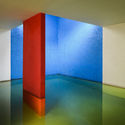
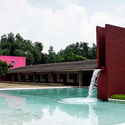
March 9 marks the birth anniversary of one of the most globally significant Mexican architects, a pioneer of the Modern Movement in Mexico whose work has transcended geographical boundaries to be studied by generations of architects who have rewritten his teachings to make them their own. Luis Barragán, the Guadalajara-born architect and 1980 Pritzker Prize laureate, left a timeless legacy that continues to pave the way for new research and discoveries today.


.jpg?1617032224 "Localities with more than 5,000 inhabitants where over 75% of households use bicycles as a means of transportation. Image © Adrián Acevedo")



.jpg?1624038503&format=webp&width=640&height=580)







.jpg?1639598900 "Cortesía de Balenciaga Launches a Video Game for Its Fall 2021 Collection")


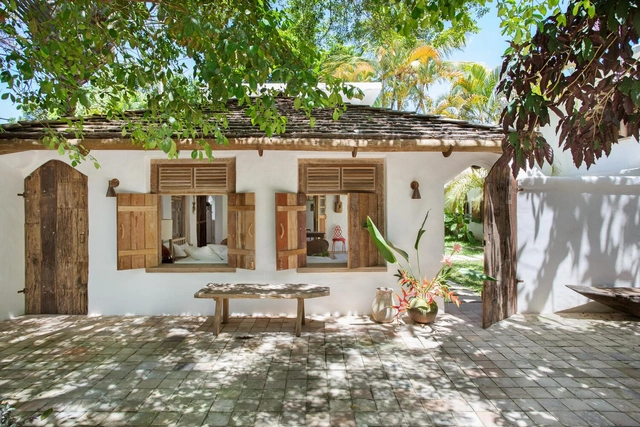
.jpg?1613658867 "Rivera House / Taller de Arquitectura Miguel Montor. Image")









-42.jpg?1620251875 "Cortesía de Juan Casillas")



.jpg?1615263768&format=webp&width=640&height=580)

.jpg?1615263768)