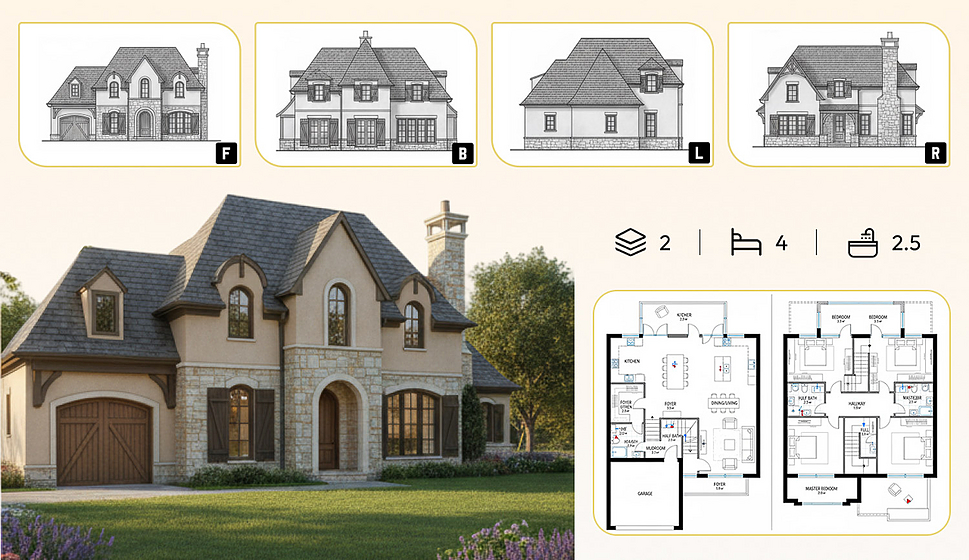
This guide covers a workflow that moves from project parameters to generated floor plans, 3D perspective views, exterior design exploration, and site context visualization, using AI tools in place of preliminary CAD and rendering work.
This guide covers a workflow that moves from project parameters to generated floor plans, 3D perspective views, exterior design exploration, and site context visualization, using AI tools in place of preliminary CAD and rendering work.
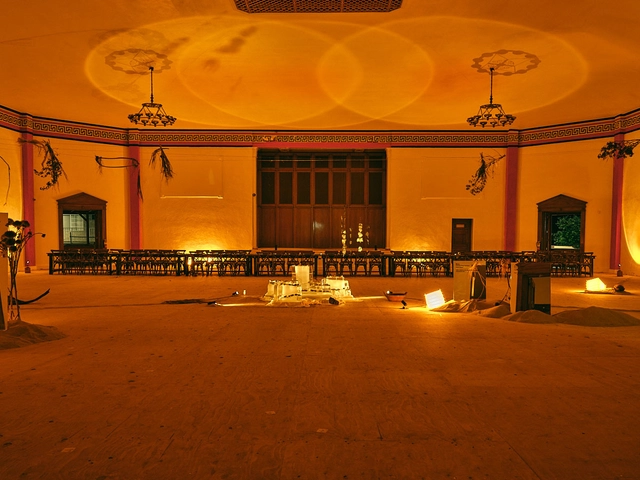
As part of a collaborative project created by creative women, "Ostras & Burbujas" emerged—an event that took place on August 28 at Cucina, Mexico City. This event was conceived around the idea of creating an immersive space that plays with visual perception, featuring lighting design and control by Paola Jose, founder of SOMBRA, powered by Lutron - Ketra technology. By altering the atmosphere through light, this was paired with a culinary experience led by chef Montserrat Garza, who brought together taste, smell, and touch through a multi-course dinner paired by Cavanegra Natural Wine Club.
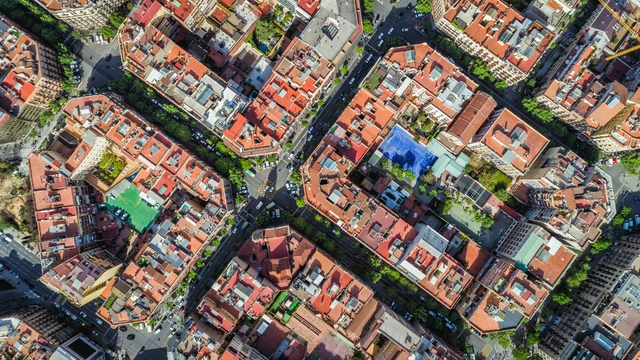
ArchDaily is working with CityMakers to publish a series of articles, conversations, and interviews with the various actors in urban co-production behind the Barcelona CityMakers Lab 2021, an event taking place from November 8 to 12.
.jpg?1635378996&format=webp&width=640&height=580)
The city of Puebla—located in Mexico's central highlands—is particularly known for its street layout and predominantly Baroque architecture. A UNESCO World Heritage Site since 1987, it hosts a broad cultural dynamic centered on preserving its built heritage and appreciating it from a distance, as if it were a museum piece. Consequently, on our daily commutes we notice the monumentality of its facades, while often failing to realize that behind the massive wooden doors lies what we call “the heart of the Poblan home.”
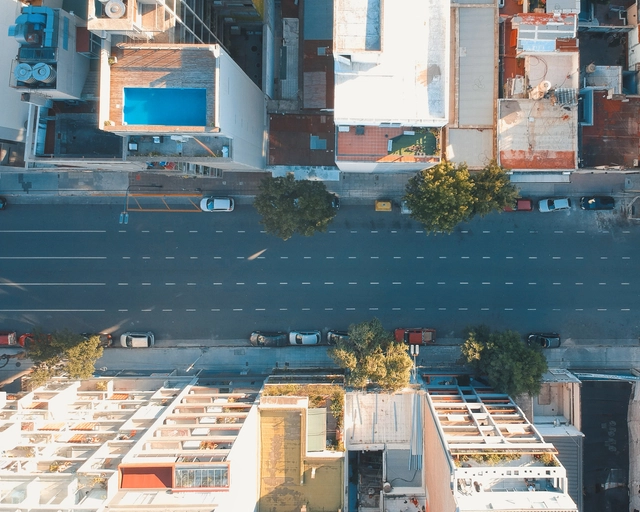
Outbreaks of contagious diseases can exert a long-term influence on urban design—many have undeniably shaped the way modern cities look and operate. Parks, wide streets, and even the bathrooms in our homes are a significant legacy of past cholera outbreaks. Today, these features are so deeply embedded in our daily lives that they are considered basic elements of modern cities. Over generations, cities have recovered from the initial shock of contagion and rebuilt public trust after periods of uncertainty.
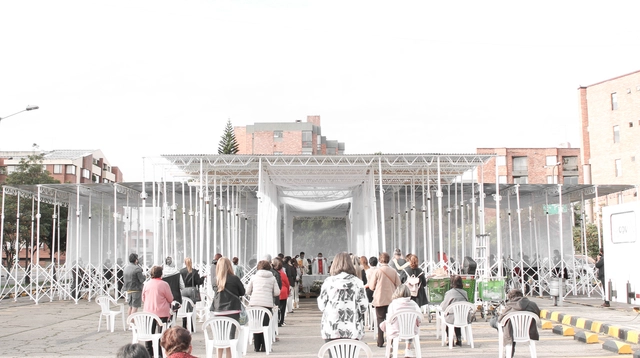
Construction shores, which typically support formwork for pouring concrete, have been used to structure a temporary chapel in Bogotá. These elements, usually relegated to construction processes, combine with zinc sheets and exposed structural trusses to define the project's spatial experience. Designed to be mobile, the chapel can be easily disassembled, ensuring its components can be reused in future projects.
Discover the project, born from a collaboration between SCA and Colab-19, designed to meet the desire of Bogotá's faithful to celebrate Easter.
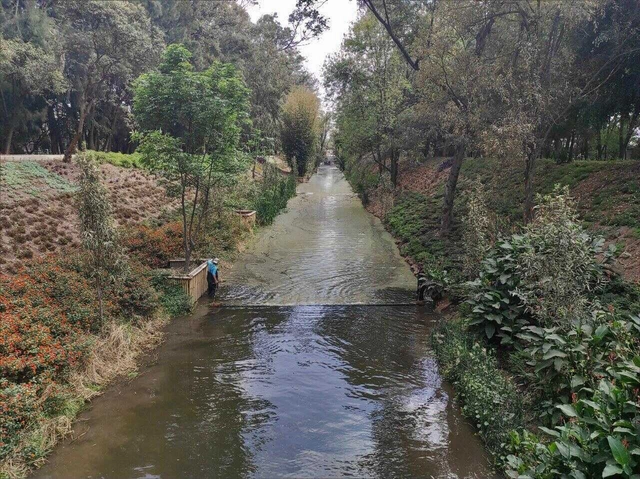
The restoration, rehabilitation, and recognition of urban rivers and canals must be integrated into state and federal policies, going beyond the mere practical use of the resource. In many developing nations, including Mexico, water-related challenges are heavily concentrated in cities, driven by the haphazard urban growth of recent decades.

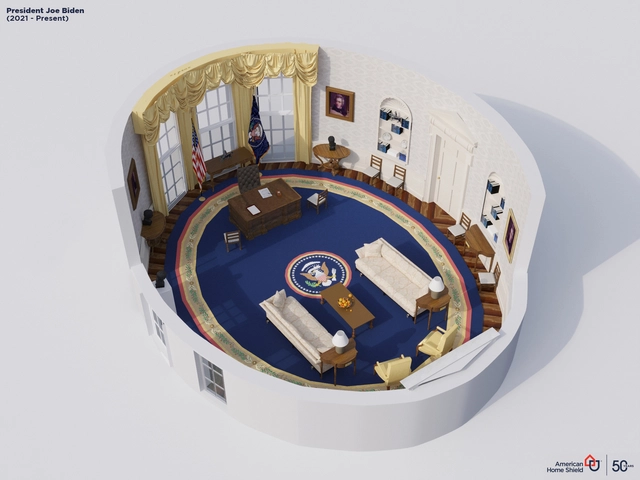
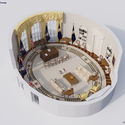
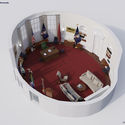
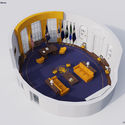
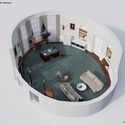
Redecorating the Oval Office is not just a statement of presidential taste; yet, as all spaces reveal principles that extend far beyond the visual, it is ultimately a statement of control. It is here that the president meets with international dignitaries and addresses the cameras to deliver messages of great importance, which is why he (or, one day, she) does not want it to look as though their predecessor still claims ownership of the space.
"Can we make clay form a structure that can bear loads?" John Pawson asks Alejandra Sepúlveda from Taller Barros. Together, they are working on the Ruta de la Greda (The Clay Route) in Pomaire, Chile.

#Anodized Aluminum Panels
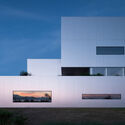
In recent years, anodized aluminum panels have emerged as a prominent material, utilized across numerous interior and exterior architectural projects in China. Anodized aluminum features six key characteristics: 1. Metallic Appearance, protected by a transparent anodic oxide film, the natural, soft metallic texture of aluminum is fully preserved; 2. Workability, anodized aluminum features exceptional workability, as well as outstanding forming and bending capabilities; 3. Surface Consistency, across diverse architectural forms, anodized aluminum panels maintain a highly uniform color; 4. Corrosion Resistance, the anodization process generates a dense oxide film on the metal surface, providing superior corrosion resistance and enhancing structural hardness and strength; 5. Weatherability, the static-free surface does not attract dust, making it easy to clean and maintain its pristine, like-new appearance even after repeated washing. This ensures the building facade stands the test of time; projects completed with anodized aluminum 40 years ago still look as good as new today; 6. Sustainability, functioning as an environmentally friendly material classified as Class A non-combustible.
#Almeco Anodized Aluminum Panels
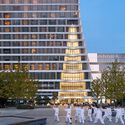
Almeco is a global expert in pre-treated aluminum surfaces, offering a range of innovative anodized aluminum products for interior and exterior curtain walls and decoration. Their unparalleled metallic texture, rich colors, and excellent workability bring new vitality and artistic form to interior and exterior architecture, turning every building into a unique work of art. Consequently, Almeco has become the material of choice for renowned architects such as Jean Nouvel, Thom Mayne, MAD, and UNStudio.
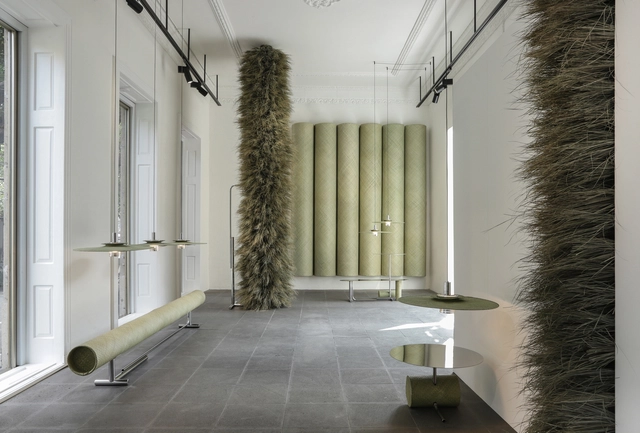
As part of a new initiative accompanying the launch of the 2021 collection, Studio David Pompa has transformed its Mexico City showroom into a space showcasing the "Palma" project—an experimental body of work comprising a series of interior design and lighting pieces centered on the craftsmanship and origins of palm in Mexico.
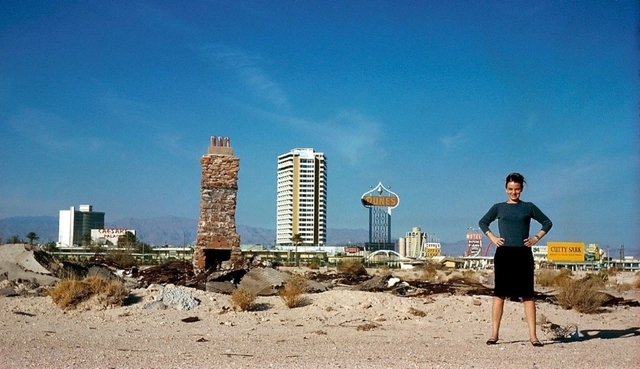

This article by Lina Toro Ocampo was originally published under the title "Mirada distanciada: conceptualización de la experiencia de Denise Scott Brown entre África y Londres, como motor y origen de Learning from Las Vegas*" ("The Distanced Gaze: Conceptualizing Denise Scott Brown’s Experience between Africa and London as the Impetus and Origin of Learning from Las Vegas*") in issue No. 23 of the Dearq journal on January 23, 2018 (DOI: https://doi.org/10.18389/dearq23.2018.01). This article aims to demonstrate the importance of valuing specific autobiographical circumstances within the educational framework of teaching and learning architectural design.
We present it below as part of a joint collaboration to contribute to the dissemination of research, analysis, and opinions developed by the national and international academic community on architecture, urban issues, and related fields.
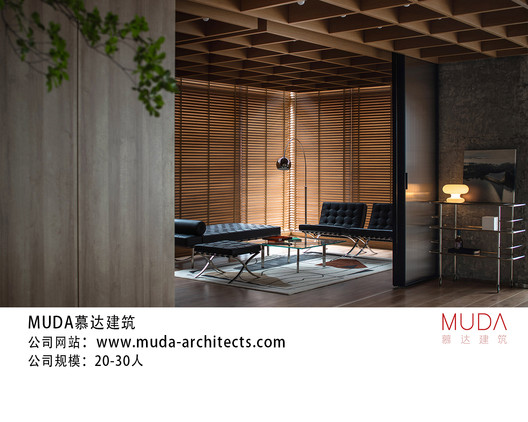
MUDA-Architects was founded in 2015 in Beijing, China, and Boston, USA, establishing its Chengdu office in 2017. MUDA features an international team of architects composed of creative designers from diverse global backgrounds. The firm brings forward-thinking concepts, extensive experience, high professional standards, and unique creativity to the fields of architecture and design. MUDA’s design portfolio spans public, cultural, and commercial buildings, as well as urban design, landscape architecture, and interior design.
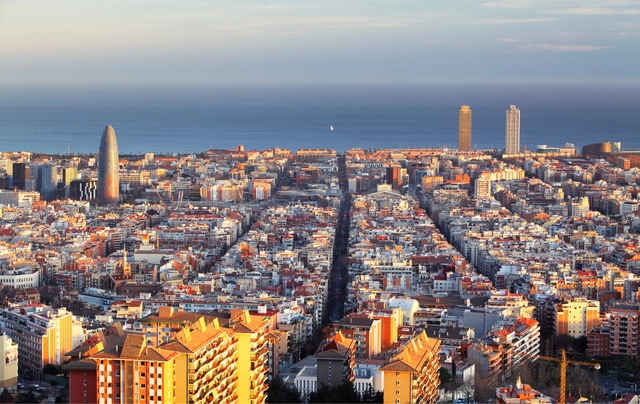
Massimo Paolini shares the following article titled 'Barcelona: Destructions of Use.' It presents the latest projects and debates surrounding the future of the city.
“What is the essence of ceramic craftsmanship in Pomaire?” asks Kengo Kuma of Rodrigo Veliz, a potter with a long family tradition, with whom he is collaborating on the Clay Route in Chile.
"Domingos Libro" is hosted by Carmelo from Enorme Studio, where every two weeks, he delves deeply into forgotten architectural publications, books, and architectural magazines from the '60s, '70s, and '80s that carry the most interesting stories behind them.
This latest episode focuses on the 1989 double issue 181/182 of the Catalan magazine QUADERNS, specifically examining an unfinished house by Paco Alonso, an architect from the Madrid School who never completed any of his works and was once dubbed "The Builder of Ruins" by a colleague.
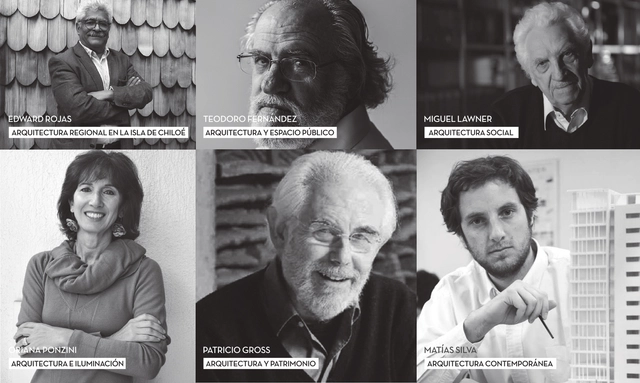
“Arquitectos” is a micro-documentary series produced by AvantVisual and directed by Mauro Alfaro on the life and work of prominent Chilean architects. The series was originally scheduled to premiere at the XXI Chile Architecture and Urbanism Biennial, “The Common and the Everyday.” However, due to the suspension of the Biennial in the wake of the 2019 social uprising, the premiere could not take place.

Out of necessity, buildings change uses over time. Churches become libraries, and abandoned warehouses are transformed into cultural centers. Although much has been written on the subject since N. John Habraken's concept of open building in the 1970s, a fascinating global debate is currently underway. Do we really need so much square footage dedicated to offices when the pandemic proved that much of our work can be done remotely?
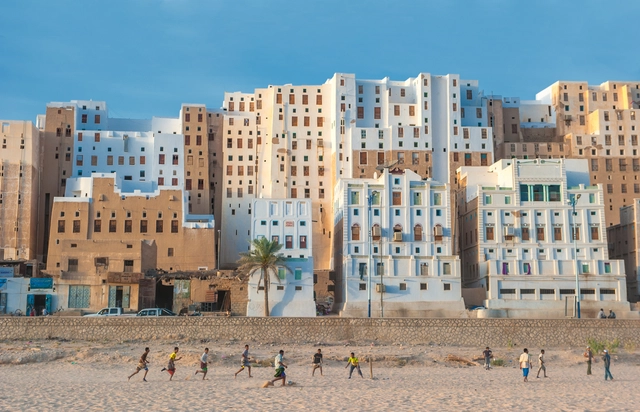
The construction sector's contribution to today's climate crisis is deeply concerning: between material production, construction, and building operations, the sector is one of the largest emitters of greenhouse gases. Meanwhile, as urban populations grow at historic rates, we find that in the development of major energy-intensive cities, reducing the discipline's environmental impact seems to rely on niche interests and individual initiatives rather than large-scale actions from academia, the profession, or policymakers.
History has shown us numerous construction techniques and applications of local materials that have proven sustainable over time—relying on the efficient use of resources that require no intensive industrial processing and eliminate the need for long-distance transportation. In some cases, at the end of their life cycle, these materials can even be returned to the environment, as is the case with adobe and wood.

It took nearly 60 years to build the San Carlos Canal, an engineering feat that drew water from the Maipo River to irrigate the lands of southeastern Santiago.
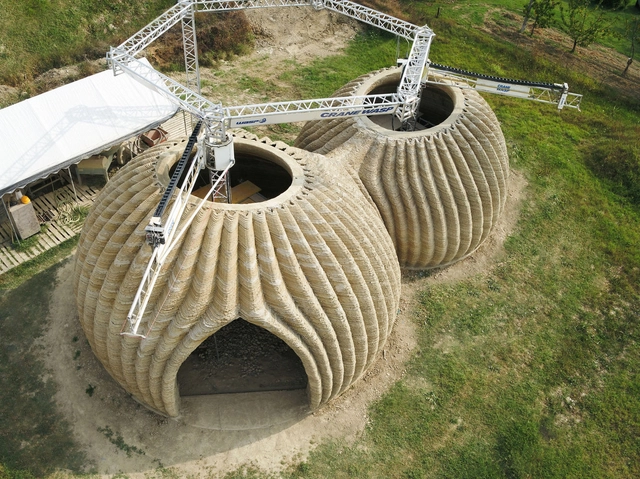
This project represents the latest collaboration between Italian firm Mario Cucinella Architects (MC A) and WASP, marking the first time the two teams have used raw earth—a natural, fully recyclable material—for 3D-printed construction. Located in Massa Lombarda (Ravenna, Italy), the completed habitat is named TECLA. The earthen dome was constructed in 200 hours of continuous printing by multiple synchronized 3D printers.

This week's featured career opportunities come from two design firms based in Beijing and Shanghai: IN.X Design and SLT- STUDIOLITE. Specialized in projects of varying scales and themes, both practices are highly active across diverse design sectors and are looking to recruit like-minded design talent to join their teams.
.jpg?1626363543&format=webp&width=640&height=580)
Architect Martín Luis Gutiérrez Martínez was born in Gómez Palacio—a city in the state of Durango, Mexico—in 1927, and he never left behind his Northern roots or any of his lifelong convictions. During the brief and cherished time I shared with him, our conversations were always filled with his exceptional memory, enlivened by an untiring passion for living and feeling architecture.
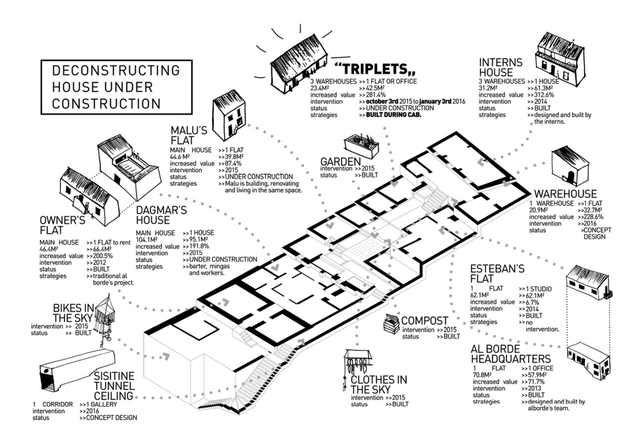

This article by Lucía de Molina Benavides and Elisa Valero Ramos was originally published under the title "La vivienda colaborativa en la era digital como proceso sostenible" [1] in issue 31 of Dearq journal on September 1, 2021 (DOI: https://doi.org/10.18389/dearq31.2021.03).
The article explores how the digital era has revolutionized the lives of millions of people. Today, technological development is visibly affecting the social sustainability of cities through issues such as exclusion, individualism, and gentrification. Conversely, when applied transversally, this technology can foster inclusion, diversity, and a sense of community. This article addresses collaborative housing, understood as a participatory process that extends beyond the design and construction phases into the management and use of spaces, enhancing social sustainability through digital technologies.
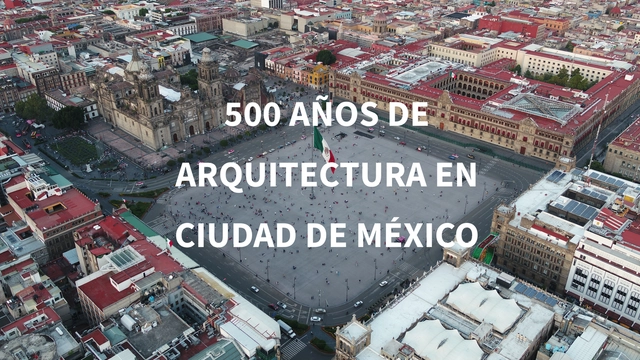
Today, August 13, commemorates two pivotal events in Mexico's history: the approximate founding of Tenochtitlan, capital of the Mexica civilization, around 1325 on an island in Lake Texcoco in the Valley of Mexico; and the fall of this empire in 1521 to the Spanish army led by the conquistador Hernán Cortés.
These are just a few of the many events that shape today's Mexico City, making it nearly impossible to summarize them all. Nonetheless, revisiting some of these milestones helps us understand the very ground we stand on and, above all, reflect on the future of our actions as architecture professionals: from the pre-Hispanic period, colonization, Independence, and the Revolution, to the foreign influences of the Modern Movement and the diverse interpretations that culminate in what we recognize today as contemporary architecture.




.jpg?1635378835 "\"Woven Memorial\". Image © Amy Bello")
.jpg?1635378789 "\"Introspection\". Image © Amy Bello")
.jpg?1635379152 "\"Witnesses\". Image © Amy Bello")
.jpg?1635378688 "\"You Are Sweetcolor\". Image © Karen Elizabeth Robles Gamiño")
.jpg?1635378996)



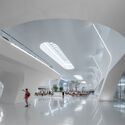


.jpg?1626363518 "Cristóbal Colón School. Image © Archivo Martín L. Gutiérrez Martínez")
.jpg?1626363496 "Revolución Ice Rink. Image © Archivo Martín L. Gutiérrez Martínez")
.jpg?1626363542 "Cristóbal Colón School. Image © Archivo Martín L. Gutiérrez Martínez")
.jpg?1626363655 "UBAC Rectory. Image © Archivo Martín L. Gutiérrez Martínez")
.jpg?1626363543)