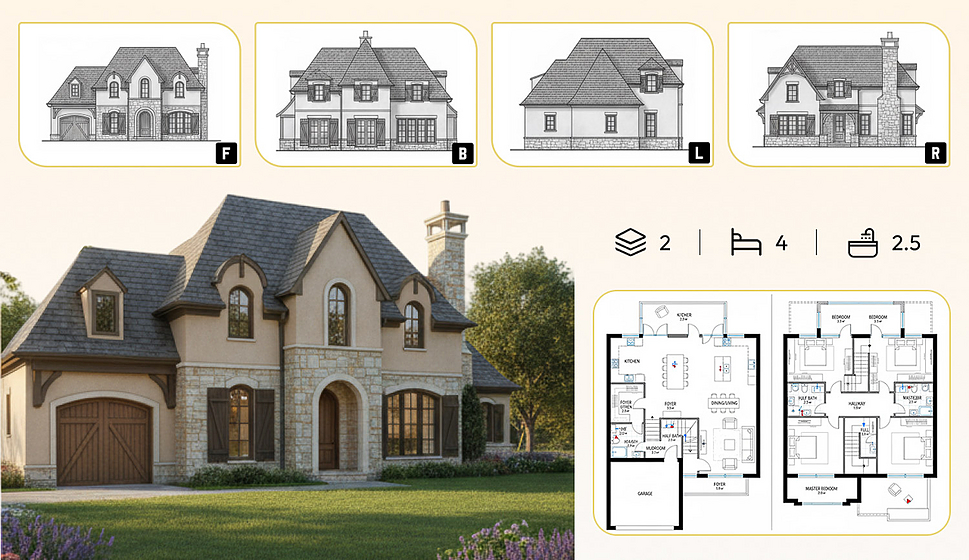
This guide covers a workflow that moves from project parameters to generated floor plans, 3D perspective views, exterior design exploration, and site context visualization, using AI tools in place of preliminary CAD and rendering work.
This guide covers a workflow that moves from project parameters to generated floor plans, 3D perspective views, exterior design exploration, and site context visualization, using AI tools in place of preliminary CAD and rendering work.
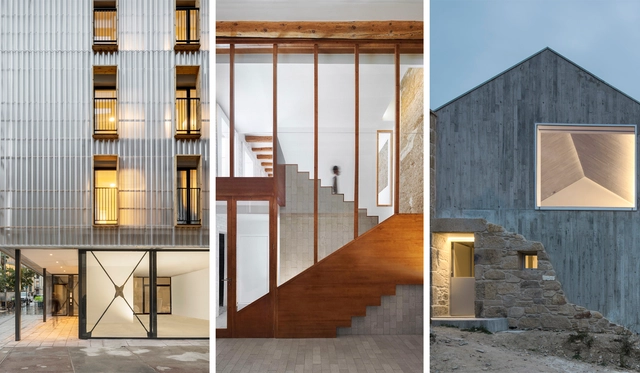
In a year marked by physical distancing, social media took on an even greater dimension in the ways we connect and stay informed. Our Instagram has expanded its reach, bringing our audience the best of what we publish on our website: projects, articles, interviews, and news from the architectural world, inspiring new ideas and tools for a better future.
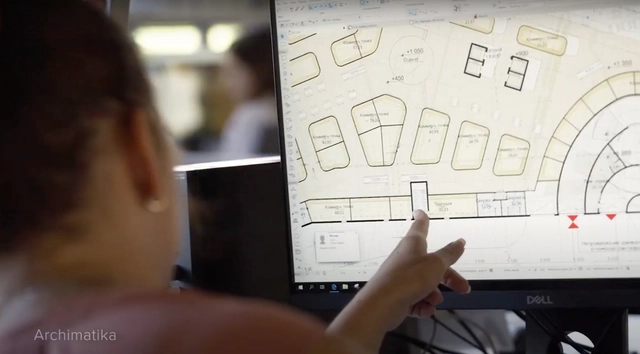
Choosing high-performance BIM software is key to developing efficient projects by automating tasks unrelated to core design, such as documentation, calculations, and other tedious processes. This reduces the time spent on these critical details, minimizing errors that lead to project delays or cost overruns.
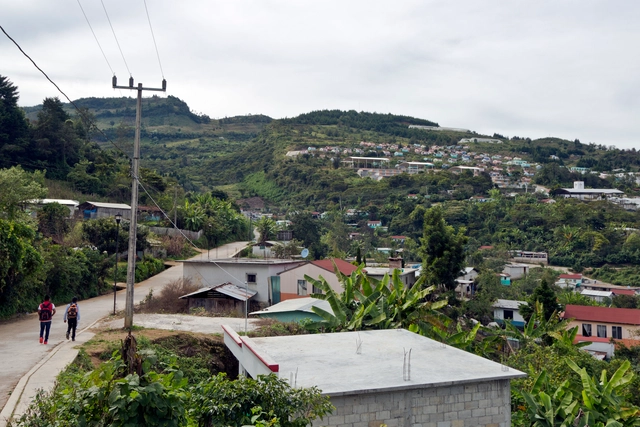
This article is part of a collaboration with the website coolhuntermx and was originally published under the title "Housing Production in Rural Mexico."
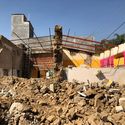
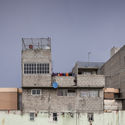
Between virtual panel discussions and tweets sparking debate on housing and its role during the pandemic, addressing this issue in Mexico is as complex as the country's history and as vast as its territory. The article What About the Right to Adequate Housing in Mexico? offered an overview of the laws governing Mexico City and urban conditions. But what about housing in rural areas?
Peripheria Films shares a video about the emigration of a young Spanish architect couple "who thought that their reward would come after university."
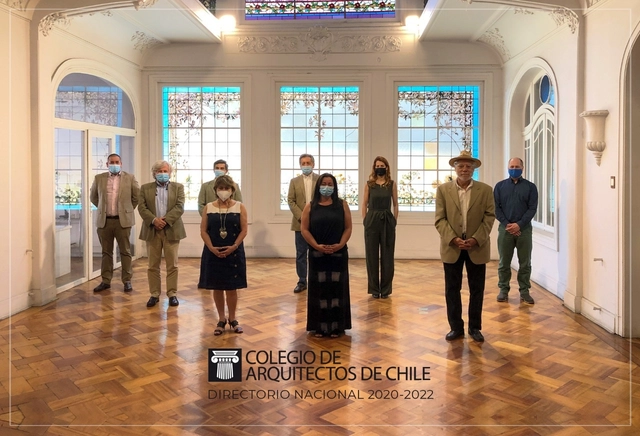
On Tuesday, December 1, 2020, during the inaugural session of the new National Board elected by members in the 2020 CA Elections, the new Executive Committee and officers of the College of Architects of Chile were selected for the 2020–2022 term.
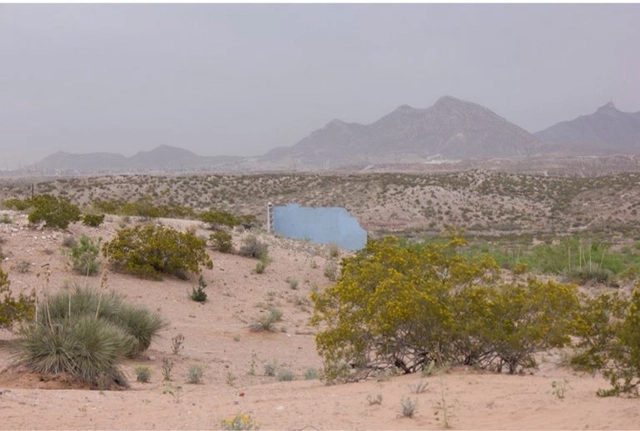




This interview is part of a collaboration with the digital magazine Hysteria.mx. It was originally published on January 24, 2020, under the title "Stories from the US-Mexico Border" as part of Issue No. 31, titled "Bodies and Territories," and was conducted by Tadeo Cervantes.
Alejandra Aragón is a visual artist, photographer, documentarian, and activist from Ciudad Juárez, Chihuahua—a city on Mexico's northern border infamous for the cases of femicide recorded from the early 1990s to the present. From this vantage point, Aragón narrates various aspects of daily life for women in a territory shaped by violence, conflict, and complexity.
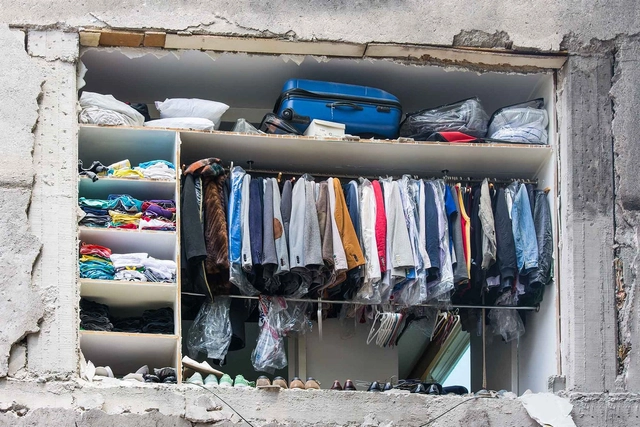
In Latin America, the concept of emergency architecture refers to spaces that serve as temporary shelter in the face of adverse circumstances, such as earthquakes, floods, and migration. Various countries, including Mexico, Chile, Colombia, Ecuador, Uruguay, and Panama, have faced events that required redefining emergency housing according to each nation's specific needs.
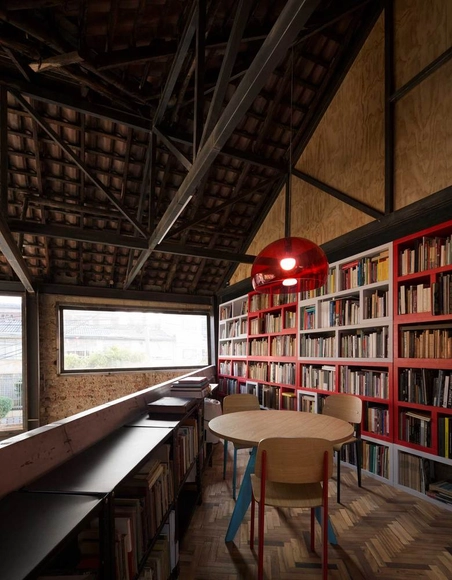
Bookshelves are one of the elements present in almost every interior space, whether in homes, retail, offices, or even pavilions. Yemail Arquitectura, a Bogotá-based firm, shares its exploration of this element, which plays a key role in the spatial configurations of its multi-use projects.
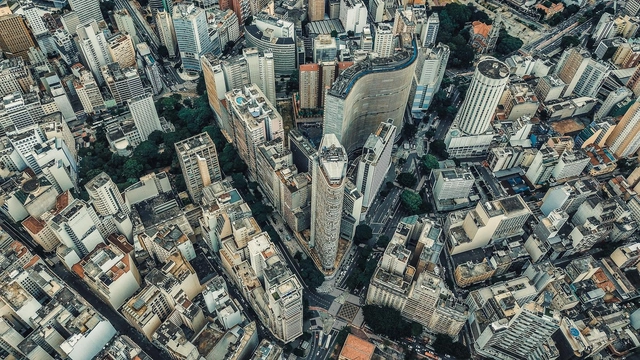
For many urban dwellers, the answer is obvious: “It’s hard to find a job in a smaller town. Plus, there’s not even a movie theater, restaurant options are limited, and the schools aren’t that great.”

Still largely overlooked by the international media, Angola's contemporary architectural production faces, much like many of its African neighbors, social and economic realities that do not favor its dissemination. When the typical challenges of architecture are compounded by others stemming from an intense process of neocolonialism, taking good ideas off the drawing board and actually building them becomes a formidable task. Stretching the relationship between the physical and the digital, the Angolan collective Banga turns to virtual space to bring to life projects that blend architecture, sensory experiences, and art.
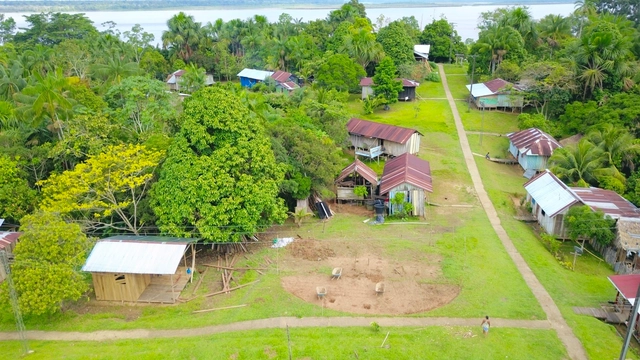
Colombia has an immense territory with some of the greatest biodiversity in the world thanks to its privileged geography, and human presence spans the majority of this territory, regardless of how far it is from urban centers. Below, Sebastian Contreras of Estación Espacial Arquitectos presents the experience and both the human and architectural challenges of building a Maloca with and for the Ticuna community deep in the Colombian Amazon.

On July 31, during the 103rd Ordinary Plenary Session, the CAU/BR Temporary Commission on Gender Equity released the 1st "Gender in Architecture and Urbanism" Diagnosis. Conducted online from July 2019 to February 2020, the survey was answered by 987 professionals (767 women and 208 men), with a margin of error of plus or minus 3.11%.

The following article is the result of a thesis research project by Colombian architect Sebastián Rojas (Pontificia Universidad Javeriana), which explores the materialities and vernacular construction techniques across 23 prototypes from regions such as the Coffee Axis, the Colombian Amazon, the Cundiboyacense Highlands, and the North Coast.

This article by Alberto Bravo de Laguna Socorro was originally published in the 12th issue of revista rita_ under the title "Transgression, experimentation and communicability of the graphic in collective architectures: Indices of an engaged graphic expression."
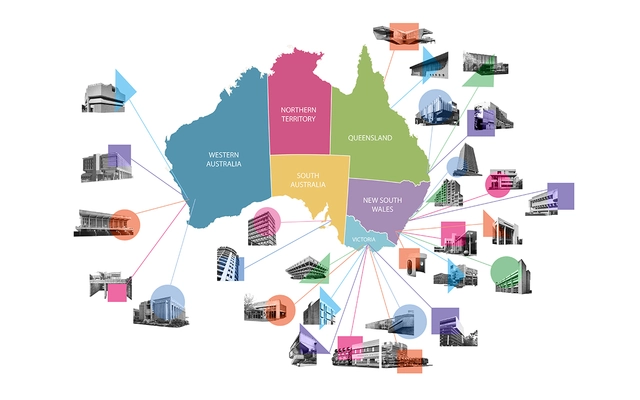
Brutalisim is an architectural movement that emerged in Europe in the 1960s and became one of the most controversial yet popular styles worldwide. This was due to various factors, including its use of raw concrete and, more broadly, its ideals focused on public service through monumental works. Furthermore, it became a new medium for expressing contemporary political stances through functional public spaces.

Driven by a personal quest to explore heritage and preserve Mexican traditions, architect Ana Ibañez has created a collection titled “Barraganescas,” featuring jewelry pieces inspired by the houses designed by architect Luis Barragán in the city of Guadalajara.
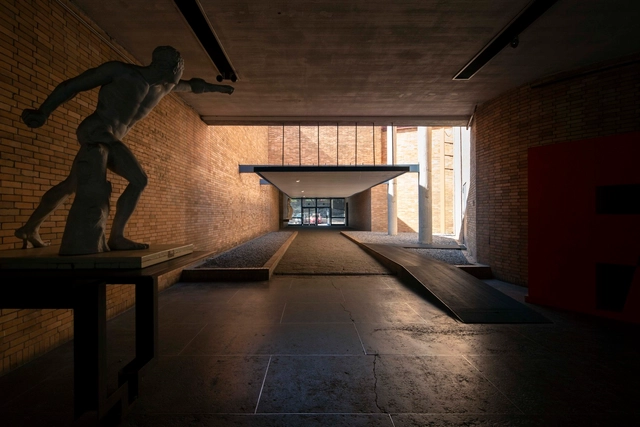
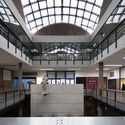
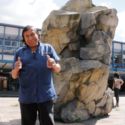
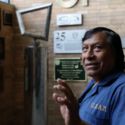
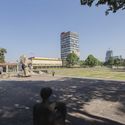
Chuchín is that endearing figure whom you always remember despite the passage of time, whether you are a student, architect, professor, staff member, or fellow worker. Felipe de Jesús Cortés Guevara—or Chuchín, as he is commonly known—seems to go nowhere else; he is always watching over what he considers his second home, the UNAM School of Architecture.
.jpg?1579012158&format=webp&width=640&height=580)
In the early hours of January 11, 1967, a polar air mass swept into the country, bringing snow to Mexico City and blanketing the entire capital under a soft, pristine white layer. One day, more than 50 years ago, our urban sprawl woke up covered in white. It was not smog, nor the pollution of an unrelenting beltway; it was pure snow. The last time it snowed in Mexico City was January 11, 1967. That day, schools closed, people went outside to build snowmen and throw snowballs, and emergency services were overwhelmed by the beautiful catastrophe of so much snow.
Charlas de Terraza is an initiative hosted at the office of OPUS in Medellín. It features conversations that extend beyond architecture and, adapting to the COVID-19 lockdowns, is currently being held virtually. Alongside these talks, there is another initiative dedicated to sketching called Club de Dibujo (Drawing Club). In this session, both formats merged as the Medellín-based practice, along with Alejandro Enriquez from Bogotá, discussed the sketch and its process.

This article is part of our new Opinion section, a format for argument-driven essays on critical questions shaping our field.
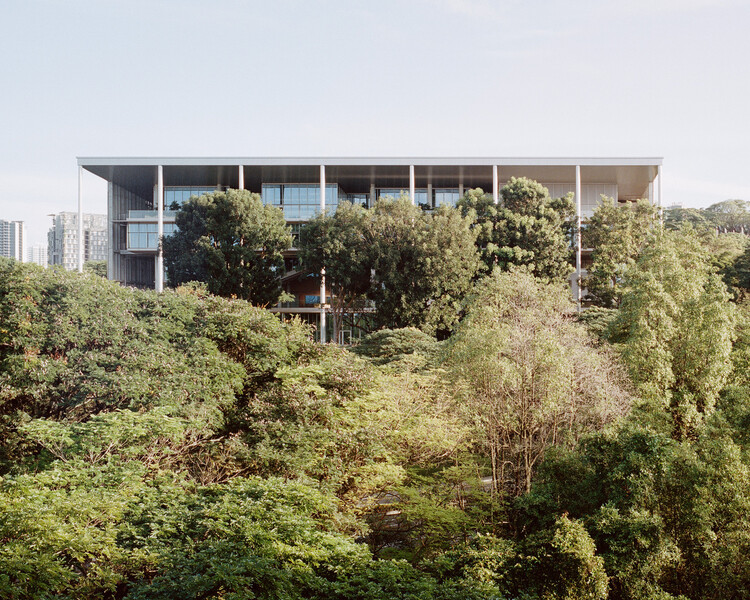
Before architecture students become authors of space, they are subjected to one. For years, they work inside a building that teaches without announcing itself as a teacher. It organizes their exhaustion, their ambition, their visibility, their solitude, their friendships, their sense of scale, and their relationship to judgment. Long before a student can articulate a position on architecture, the school has already offered one in its implicit built environment.
This is not to suggest that buildings determine architects. The influence is slower and less complete than that. A school building operates more like a hidden curriculum: a spatial discipline that works alongside faculty, syllabi, institutional culture, and student life. It teaches through access and obstruction, program adjacencies, daylight exposures, and scale. It produces habits of attention before it produces explicit beliefs.
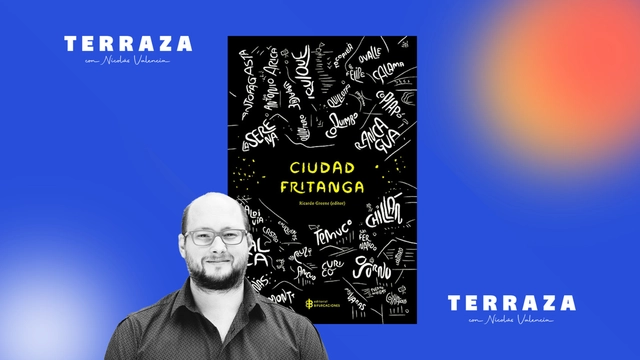
This week on the TERRAZA podcast, Nicolás Valencia speaks with Chilean sociologist and Universidad San Sebastián academic Ricardo Greene, editor of the landmark book "Ciudad Fritanga," published by Editorial Bifurcaciones in 2014.
"Ciudad Fritanga" compiles 34 chronicles of non-metropolitan Chilean cities like Arica, Talca, and Punta Arenas through the lens of poets, artists, and writers such as Lina Meruane, Jorge Baradit, Marcelo Mellado, and María José Navia.
"When people write about cities, they write about London, Berlin, and New York. That is the urban chronicle. However, non-metropolitan cities are also cities," Greene comments in this interview.
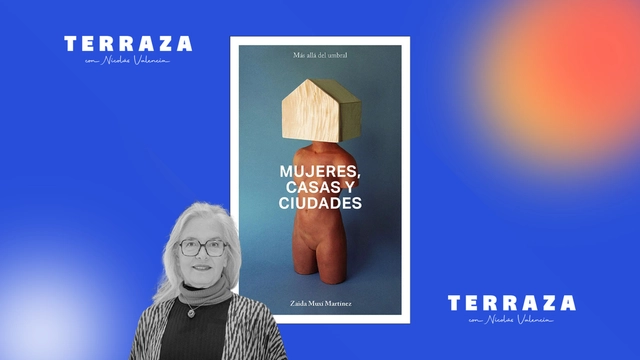
This week on the TERRAZA podcast, Nicolás Valencia speaks with Argentine-Spanish architect Zaida Muxí, author of the book “Mujeres, casas y ciudades” (Women, Houses, and Cities), published by dpr-Barcelona in 2018.
In “Mujeres, casas y ciudades”, Muxí proposes rewriting the history of architecture and urbanism by incorporating the contributions of the many women who have been silenced in mainstream historical accounts.
“If we want to play by market rules, housing will never be a right,” Muxí posits in this interview.
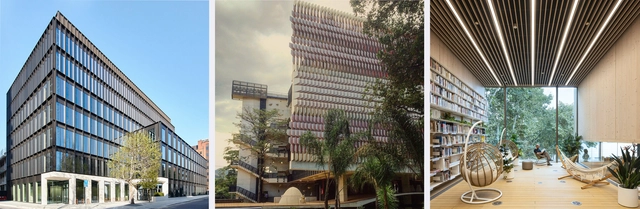
The rise of sustainability and the circular economy is transforming the construction industry, driving a growing demand for new specialized roles. Positions such as sustainability managers or circular economy consultants are becoming increasingly common in contemporary projects.
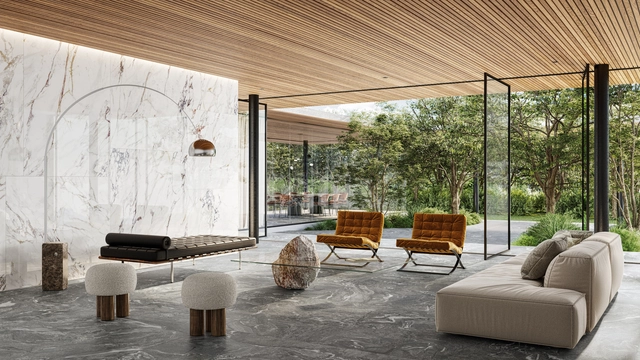
In 2024, the evolution of porcelain tiles has elevated the tactile experience to a new level, transforming them into true works of art. Produced with mineral texture printing technology, the collections feature striking reliefs in dimensions of 120 x 120 cm, 100 x 200 cm, 120 x 250 cm, 160 x 160 cm, and 160 x 320 cm, designed to awaken all the senses. Behind this advancement is Roca Brasil Cerámica, part of the Mexican LAMOSA Group, leading the Roca Cerâmica and Incepa brands.
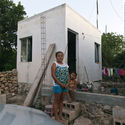
.jpg?1596823999 "Housing improvement programs in the Maya zone. Motul. Image © Onnis Luque")
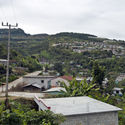
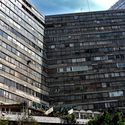
.jpg?1596824644 "Sustainable Rural City: Santiago El Pinar. Chiapas. 2011. Image © Onnis Luque")

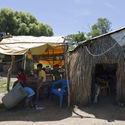



.jpg?1599578151 "Casa González Luna. Image © Limon Rojas")