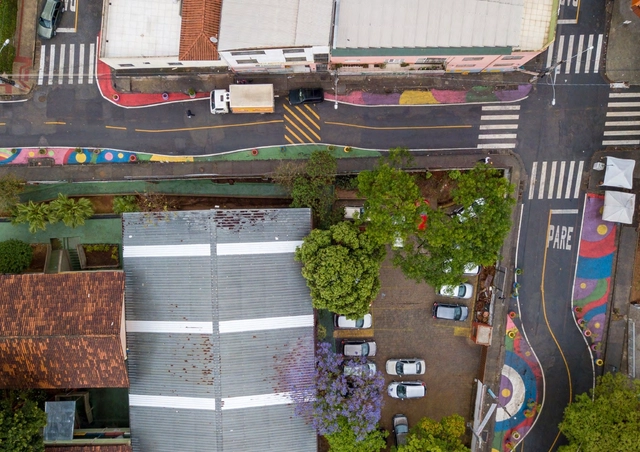
“Waking up early, waking the kids, making and serving breakfast, showering, bathing them, heading to the bus stop. The bag drops, the child throws a tantrum, the bus is late. Arms, backpack, child... you lose track of the order. First task of the day: the first bus and the kids arrive at school; then, rushing to another stop and another wait until the second bus arrives. Boarding, standing, dodging fatigue and harassment on the way to work. At lunchtime, a quick run to the pharmacy, and maybe the nearby open-air market. Or is today the day to stop by the butcher? Heading home from work: bags, purse, and exhaustion. A stop along the way to pick up the kids, and an inconvenient reminder of what's missing at home drives a detour to the grocery store before finally arriving back home as the day ends—though not before making dinner. Phew!”
This excerpt recounts a fictional day. However, this routine is the daily reality in many households, especially low-income ones, in peripheral areas, and in single-parent homes headed by women, where the drama of constant back-and-forth travel can be intensified by intersectional factors such as gender, race, social class, generation, territory, physical ability, and sexual orientation.


























.jpg?1628537309&format=webp&width=640&height=580)