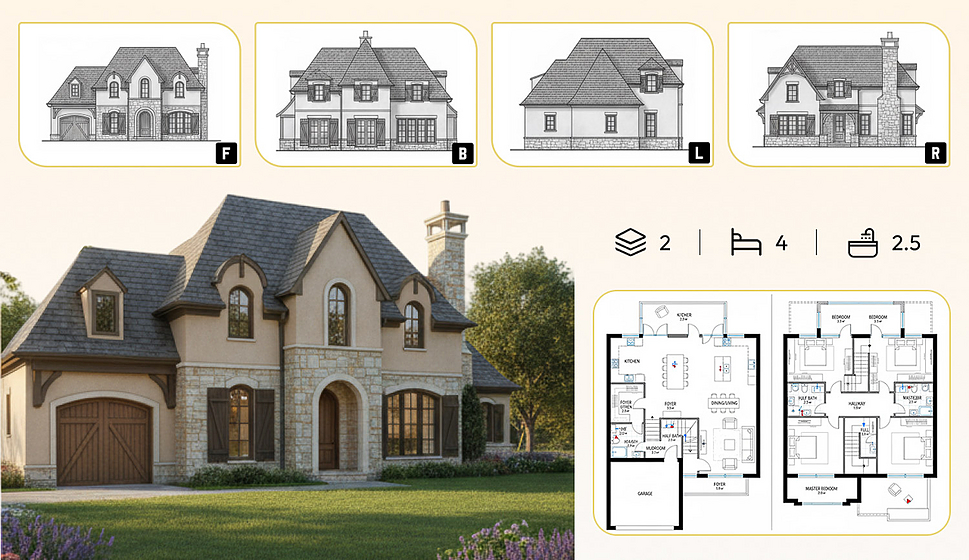
This guide covers a workflow that moves from project parameters to generated floor plans, 3D perspective views, exterior design exploration, and site context visualization, using AI tools in place of preliminary CAD and rendering work.
This guide covers a workflow that moves from project parameters to generated floor plans, 3D perspective views, exterior design exploration, and site context visualization, using AI tools in place of preliminary CAD and rendering work.
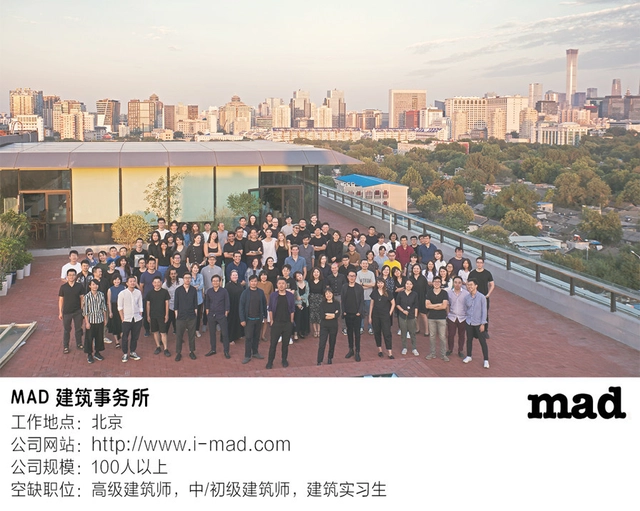
MAD’s Beijing office is currently seeking talented professionals to fill several open positions.

Have you ever had to alter an original design due to construction difficulties or budget overruns, yet never because it negatively impacted the environment?
That is why we want to give our readers the opportunity to openly express their views on this matter. If we were fully aware of the environmental costs of materials today, or their potential future consequences, or the real, global challenges that arise during construction, would it change the way we select and create our designs? Would it be easier for us to advocate for our projects to others and fellow professionals?

The world is changing; it always does, only faster and faster. With it, our profession as architects is also changing, and new market horizons are opening up before us. A new definition of what it means to “be an architect”—one that is both necessary and long-awaited by many—is beginning to take shape, and in this article, I want to help open your eyes so you can join this exciting movement of independent architects.
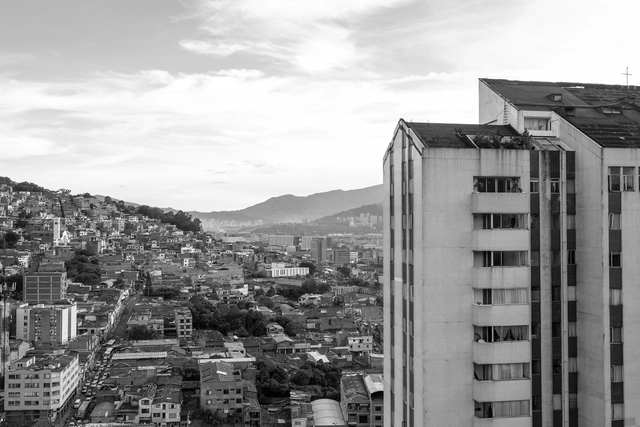
As in most cities, modern architecture left behind landmarks that endure today as exemplary icons shaping the urban landscape and defining each city's identity. One such case is the Torres de Marco Fidel Suárez, designed by architect Eduardo Arango and located in the city of Medellín. Architects and researchers Diego Andrés Agámez Berrio and Daniel Muñetón Muñetón have published a study through the Universidad de San Buenaventura and Editorial Bonaventuriana, investigating the architectural and design compositions of this landmark *paisa* project.
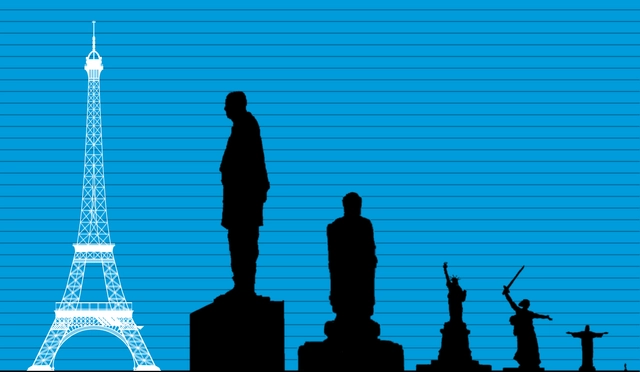
Scattered throughout cities and standing as landmarks in the landscape, what do these statues represent, having driven humanity around the world to pay such singular attention to their size?
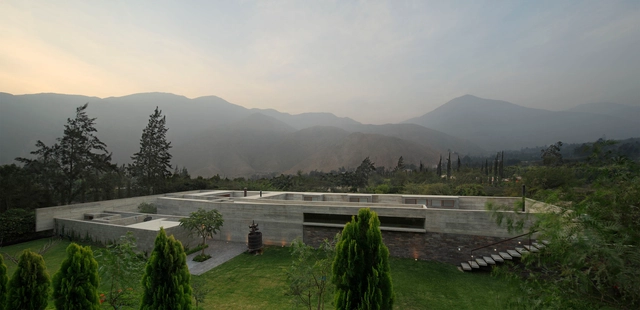
In the introduction to the book La casa es una idea, architects Llosa and Cortegana present their professional credo, drawing on several quotes from notable architectural and cultural writers. The tone of this introductory essay persists throughout the brief texts that complement the graphic presentation of 40 houses designed by the firm between 2002 and 2017. All of these were drawn specifically for this publication by José Luis Villanueva, the book's third author, who first explains his analytical work through graphic and three-dimensional representation.
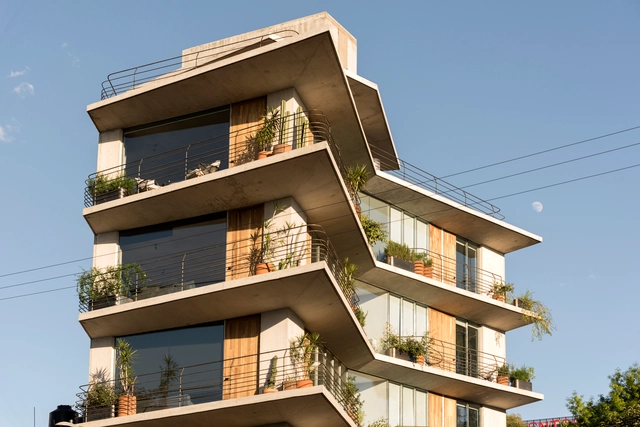
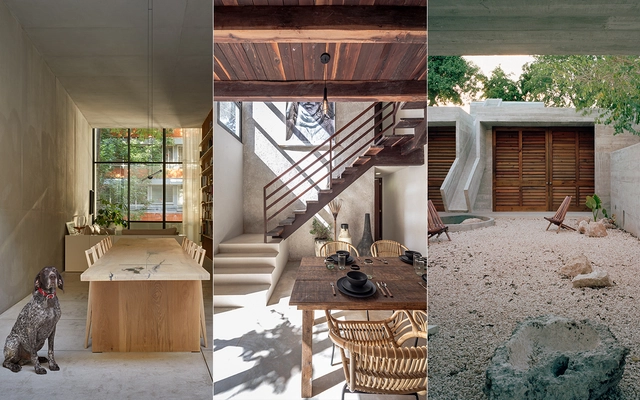
One of the most critical factors in architectural design is the site's specific climate. While this can present challenges in extreme conditions—requiring insulating materials to adapt to shifting environments—Mexico's privileged climate works in the architects' favor. It allows them to create microclimates and spaces that blur the boundary between indoors and outdoors.
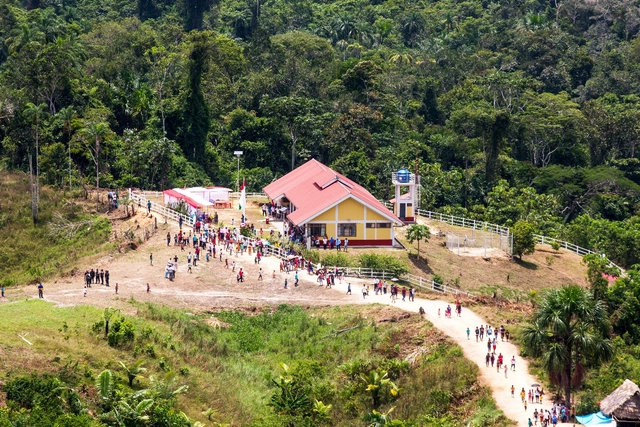
This article by Cristian Yarasca Aybar was originally published in the 11th issue of revista rita_ under the title "El problema de la distancia: las plataformas multisectoriales “tambos” como una oportunidad proyectual sistemática para el territorio rural peruano" [The Problem of Distance: "Tambo" Multisectoral Platforms as a Systematic Project-Design Opportunity for the Peruvian Rural Territory]. The research aims to identify the design potential of the "National Tambo Program" in Peru from a systematic vision of the national territory.

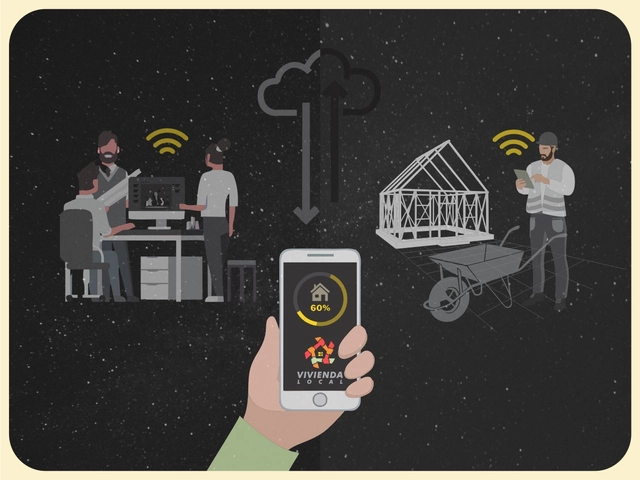
The NGO Vivienda Local, which works through collaborative self-construction in Chile, has launched a website to monitor the progress and stages of its active projects. The platform is designed to streamline operations and enhance communication between the architects using this methodology and the self-building families.

Architectural academia is becoming increasingly aware of the contemporary and territorial challenges facing local communities. Universidad del Norte presents this series of six thesis projects by its students, exploring the coastal region of northern Colombia through architectural recycling, regeneration, and urban renewal.
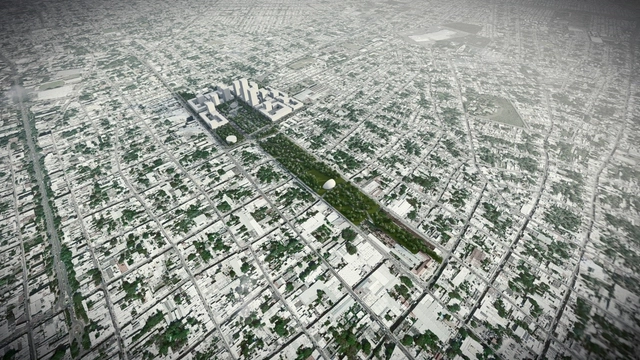
TEN Arquitectos is an architectural firm based in Mexico City, New York, and Miami, founded by Mexican architect Enrique Norten. With 33 years of experience designing from a global perspective, the practice brings a consistent international sensitivity to every new space it creates. This body of work has been recognized with numerous national and international awards, including the Mies van der Rohe Award for Latin American Architecture, honors from the national American Institute of Architects (AIA) and various US chapters, Architectural Record, Architect Magazine, Architizer, and Biennials in Mexico, Argentina, and Ecuador, as well as the Royal Institute of British Architects (RIBA), among others.

It appears that the humanitarian crisis has triggered a myriad of actions, rarely seen under normal circumstances, where human life, health, and the economy are prioritized equally. As urban activities grind to a halt, we once again isolate and alienate ourselves; yet, this situation feels strangely familiar. Almost seamlessly, we turn our lives over to technology, detaching ourselves from the physical conditions of our existence to make quarantine more bearable within spaces of telecommuting, virtual classes, chats, and social networks.

The ECOM Rosario (Metropolitan Coordination Agency) is a voluntary association of municipalities and communes, an institutional space for the planning, coordination, and promotion of public policies with regional impact, organized on the basis of a strategic partnership among 26 localities. It is essentially an organ for driving the formulation, development, and execution of projects at a metropolitan scale, established with the goal of supporting balanced and integrated territorial development in the Metropolitan Area of Rosario (AMR), Argentina.
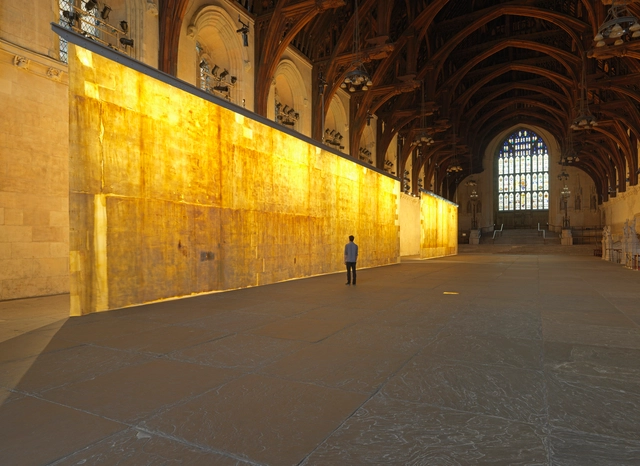
"I am interested in how we transition as people from one phase of life to another, and as cultures from one historical period to another. Transitions are often difficult, maybe even frightening." With this introduction, we can expect the work of artist-architect Jorge Otero-Pailos to offer a different perspective, particularly in how we understand the passage of time in architecture throughout history.
Below, he shares photographs of his series "The Ethics of Dust," which highlights the cleaning of dust and pollution residue from renowned historical buildings and monuments—making the invisible visible.
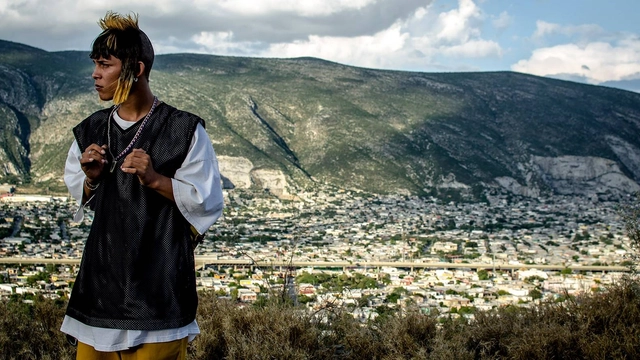
Directed by Mexican filmmaker Fernando Frías and winner of the Morelia International Film Festival, “I’m No Longer Here” (“Ya no estoy aquí”) is a film that has been widely discussed across various disciplines. It highlights the specific values and struggles of a territory while transcending borders to showcase the most human and global aspects of our shared world.

This article by Paula Jaén Caparrós and Enrique Azpilicueta Astarloa was originally published in the 7th issue of rita magazine under the title "Reversible Architectures of Japan: The Houses of Shirakawa-go" as part of a joint publishing collaboration. The following text invites reflection on the design and construction principles found in these traditional Japanese houses, which could be recovered and applied to contemporary proposals that integrate disassembly, recovery, and relocation of the entire built object as key elements of sustainable architectural design.
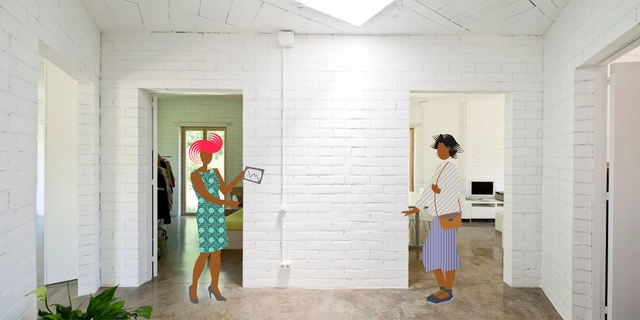
Have you ever had to convince your friends or family that an exposed brick wall can be more appealing than a plastered, white-painted one? Or that exposed building systems can offer significant advantages when it comes to maintenance? Do we connect better with a smooth backdrop for hanging art than with the textures of exposed materials?
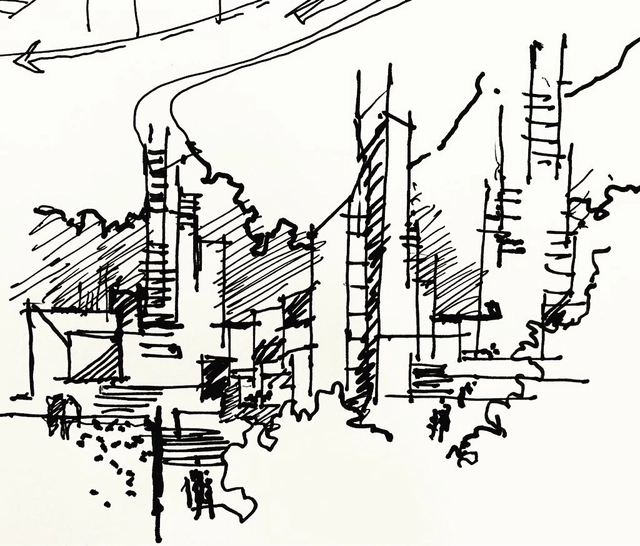
The city belongs to everyone; it is a reflection of who we are as a society. That is why we must care for it—because it is ours! We have a civic commitment.
(Civic, from the Latin civis / City, citizen, from the Latin civitas)
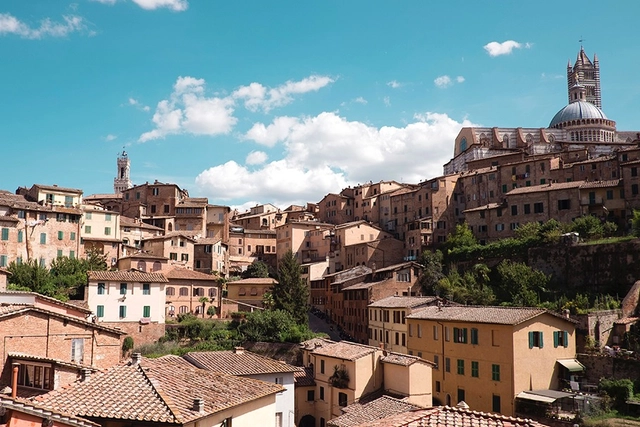
When we were still nomads, we fought our first battles with sticks and stones. The reasons for aggression against members of our own species can vary, ranging from securing resources and territory to seeking revenge or even power. Battles between different tribes have accompanied human evolution on Earth. Ever since the creation of cities, warfare and the combat equipment of each era have been important factors to consider in the planning of urban centers.
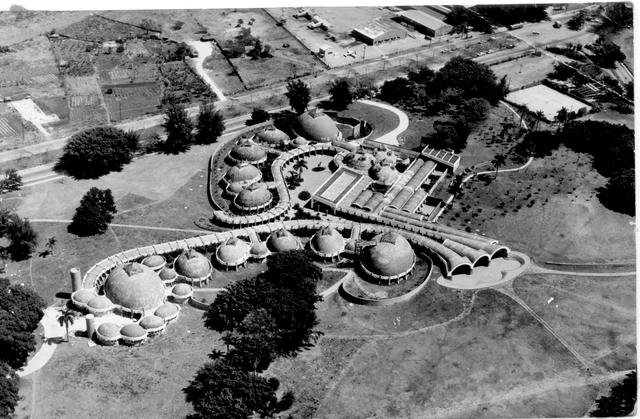
This article by María José Pizarro and Óscar Rueda was originally published in the 3rd issue of rita journal under the title "Ernesto N. Rogers y la 'Preesistenza Ambientale' en las Escuelas Nacionales de Arte de La Habana" and is part of a joint collaborative dissemination effort. The present text seeks to delve into the influence of Rogers' theoretical corpus on three of his outstanding students: Ricardo Porro, Vittorio Garatti, and Roberto Gottardi, and how this thinking informed the design of their first and most significant work: the National Art Schools of Havana.
On Friday, September 25, the first Digital Event organized by ArchDaily took place, sponsored by Crest and Panel Rey for the Mérida-based architectural community. During the event, David Basulto (founder of ArchDaily) and Vanessa Vielma (Director of ArchDaily Mexico) gave a talk on the platform's history and shared relevant data specific to this context.
In a year defined by physical distancing, social media has taken on an even greater role in how we connect and stay informed. Our Instagram accounts have surpassed all previous reach records, bringing our audience the very best of what we publish on our website: projects, articles, interviews, and news from the architectural world, inspiring new ideas and tools for a better future for our cities.
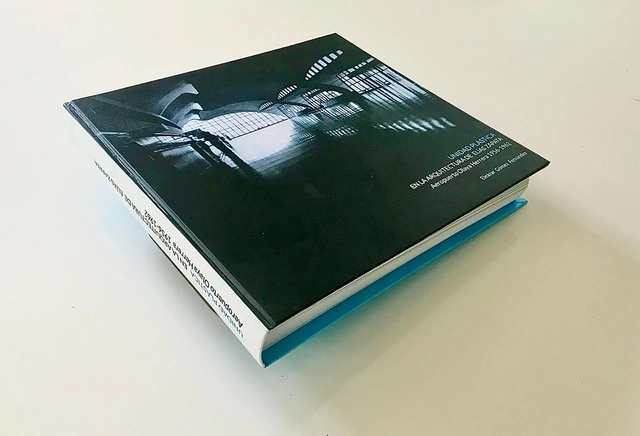
Every architecture school has its canonical local landmarks. For students in Colombia, one of the most easily recognized is the Olaya Herrera Airport in Medellín by Elías Zapata Sierra, an undeniable yet understudied icon. Architect Eleázar Gómez Fernández (Universidad Nacional de Colombia) presents this master's thesis, published in the Digital Library of the Universidad Nacional de Colombia.
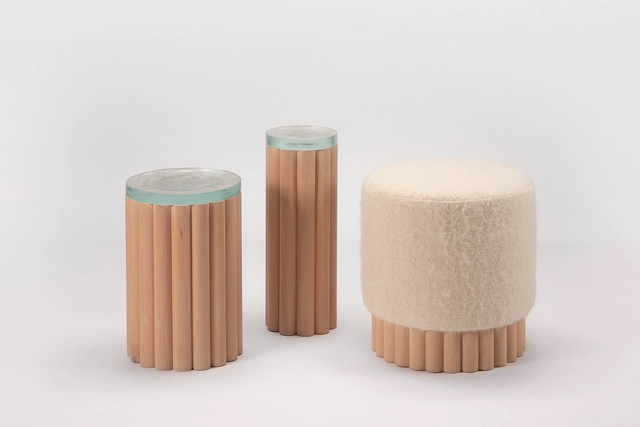
PECA design studio—led by Mexican architect Caterina Moretti—launches its new collection titled "Loto," crafted from beech wood, fused glass, and wool. It features two side tables with tops made of recycled glass fused in Tlaquepaque—providing the transparency needed to appreciate the interior of the pieces—and a pouf upholstered in sheep's wool woven on a backstrap loom in San Juan Chamula, in the Chiapas Highlands, which leaves a minimal portion of its wooden base exposed to highlight the contrast between the two textures.


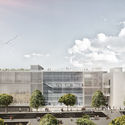
.jpg?1594917129 "MO47 Building / ZD+A. Image © Jaime Navarro")

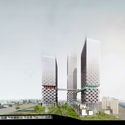
.jpg?1591798247 "2000 Ocean. Image © TEN Arquitectos")


.jpg?1601431851 "© Taller Estilo Arquitectura")
.jpg?1601431998 "© Estudio 360")