Weavers on the Bauhaus staircase, 1927. From top to bottom: Gunta Stölzl (left), Ljuba Monastirskaja (right), Grete Reichardt (left), Otti Berger, (right), Elisabeth Müller (light patterned sweater), Rosa Berger (dark sweater), Lis Beyer-Volger (center, white collar), Lena Meyer-Bergner (left), Ruth Hollós (far right) and Elisabeth Oestreicher.. ImagePhotograph by T. Lux Feininger; collection of the Bauhaus-Archiv Berlin
The Bauhaus was founded on the promise of gender equality, but women Bauhauslers had to fight for recognition. A new book recounts the achievements and talents of 45 Bauhaus women.
After the end of World War I, a spirit of optimism and a euphoric mood prevailed in Germany. Thanks to a new republican government and women’s suffrage, the war-torn nation was experiencing a radical new beginning.
As part of that convention-breaking wave, in 1919 German architect Walter Gropius assumed leadership of what would become the legendary Bauhaus. Initially, he declared that there would be “absolute equality” among male and female students.
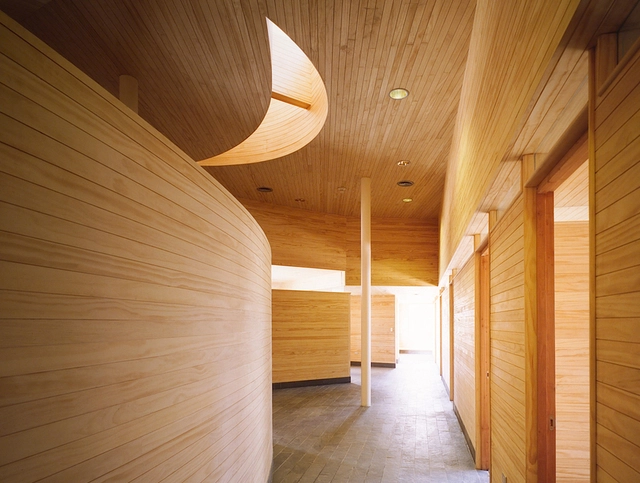
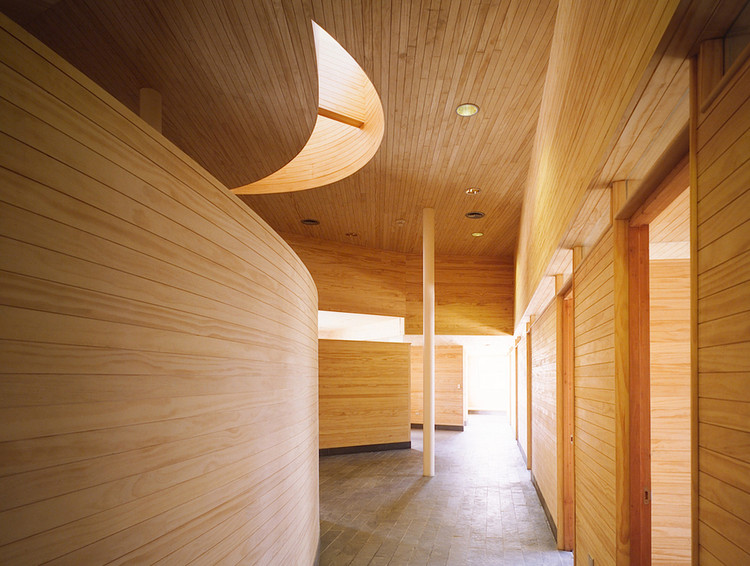
Offering warmth and a modern yet artisanal aesthetic, wood is always an excellent choice when selecting wall coverings for interior spaces or manufacturing furniture. However, how do you choose the right cladding for a specific project?
We have compiled a selection of coverings with different aesthetics, formats, and installation systems, identifying their characteristics and differences to help you choose the right material. Slats or panels? Melamine, Trupán, or Radiata Pine? A natural look or colored pigments? Compare eight different options below.
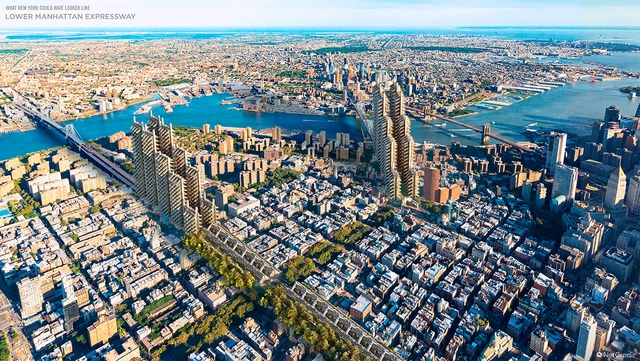
The United States of America has provided enormous opportunities to develop some of the most iconic buildings in the history of architecture, leaving the mark of important architects in urban, suburban, and rural areas around the country. However, ambitious ideas often come with a high price that cannot always be paid, causing some of the most exciting building, bridge, and tower designs to never evolve past archived plans.
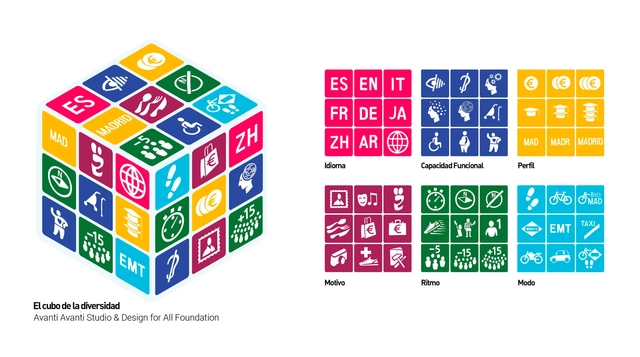
Among the various measures cities can implement to become more pedestrian-friendly, developing a comprehensive signage system is a highly efficient, straightforward improvement that delivers transformative results—as demonstrated by initiatives like Legible London, New York's WalkNYC, or Rio on Foot in Rio de Janeiro.
Design:ED Podcast is an inside look into the field of architecture told from the perspective of individuals that are leading the industry. This motivational series grants unique insight into the making of a successful design career, from humble beginnings to worldwide recognition. Every week, featured guests share their personal highs and lows on their journey to success, that is sure to inspire audiences at all levels of the industry. Listening to their stories will provide a rare blueprint for anyone seeking to advance their career, and elevate their work to the next level.
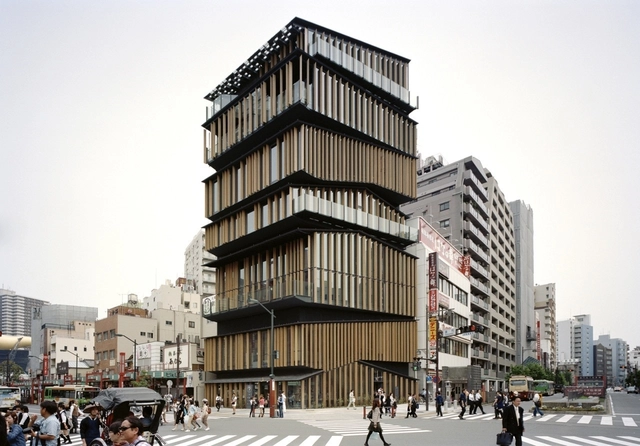
In this episode ofDesign:ED Podcast, host Aaron Prinz speaks with Kengo Kuma about why he chose to be an architect, what difficulties architects face when starting their own office, and how has cross-cultural education influenced his work.
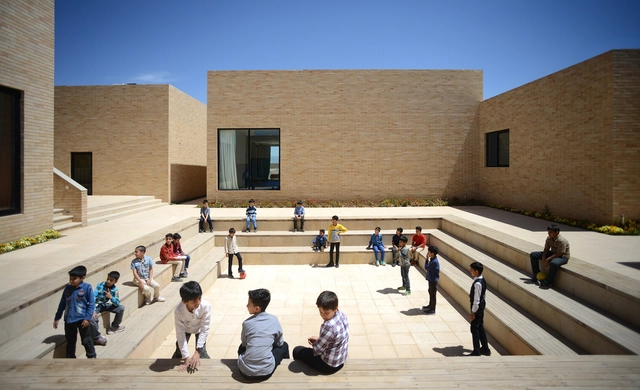
The design of educational spaces is perhaps one of the most compelling areas of architecture. It is also one of the fields in greatest need of development. Designing a school goes far beyond sizing classrooms and administrative areas; it involves conceiving spaces for gathering and exchange, connecting (or separating) specific areas, defining lighting and ventilation strategies, and studying color theory, to name just a few of the complexities involved.
Major cities are facing major crises. The United Nations estimates that by 2050, almost one billion people with disabilities will live in cities, representing 15% of total city dwellers. With urban landscapes awash with inaccessible subways, shops, and bathrooms, the UN has declared that poor accessibility represents a major challenge for cities. At the same time, most cities around the world are struggling to provide safe, respectable, affordable housing for their citizens, with rent accounting for more than 50% of some incomes. The World Economic Forum recently warned that “a world in which only a few can afford housing is not sustainable.”
https://www.archdaily.com/923441/10-technologies-for-accessible-affordable-citiesNiall Patrick Walsh
Air-conditioning isn’t just expensive; it’s also terrible for the environment. Accounting for 10% of global energy consumption today, space cooling in 2016 alone was responsible for 1045 metric tons of CO2 emissions. This number is only expected to increase, with the International Energy Agency estimating that cooling will reach 37% of the world’s total energy demand by 2050.
For the past decade, Nigeria has lived under the crushing specter of attacks by the terrorist group Boko Haram. From Maiduguri to Abuja, bombs have exploded intermittently, killing hundreds, destroying thousands of homes, and crippling public infrastructure. In recent years, the Nigerian military has liberated several captive communities and begun reconstruction work in a number of them. Sadly, the aftereffects of these violent convulsions have profoundly reshaped our cities. The attacks utterly upended lives: shattering basic civic amenities, disrupting livelihoods, and forcing residents to rebuild from scratch while still grieving for family and friends.
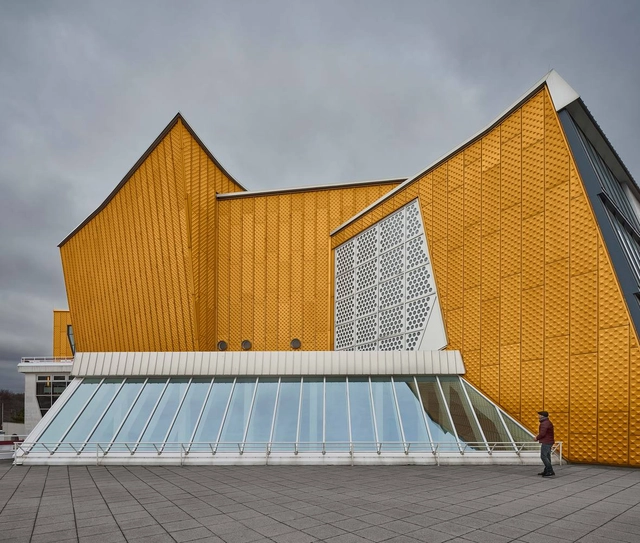
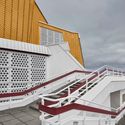
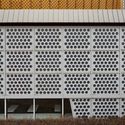
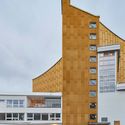
The Berlin Philharmonic by Hans Scharoun is one of the most prominent mid-20th century structures in the German city. The expressionist-style building with its bright-colored facade is the first of its kind by the German architect, as well as his most famous project to date. Scharoun’s design interprets rhythm and music as architecture, both conceptually and physically.
Architectural photographer Bahaa Ghoussainy unfolds Scharoun’s unique architecture by highlighting the concert hall’s dramatic angular geometry, vibrant yellow-hued facade, and play of lines and forms.
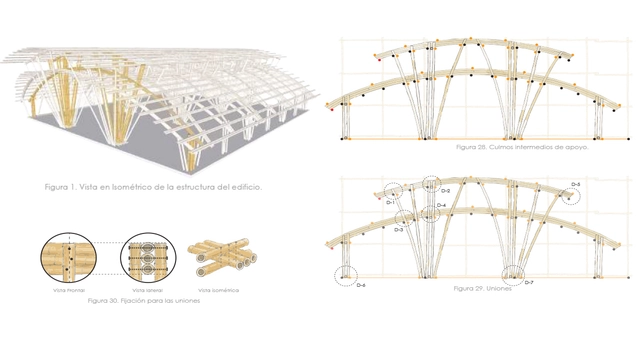
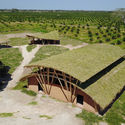
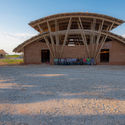
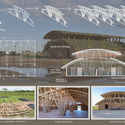
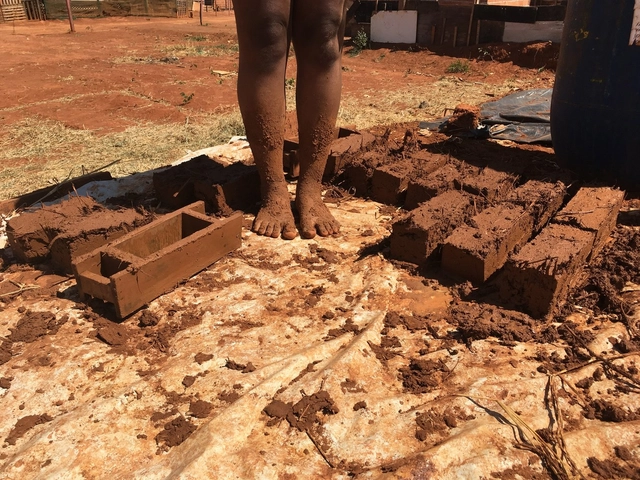
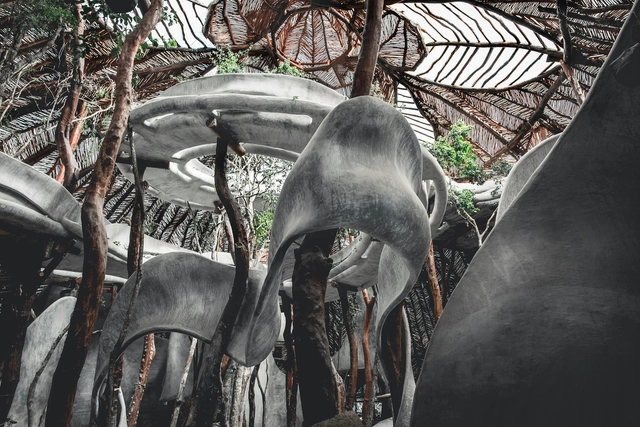
Bamboo is a building material that has been used since antiquity in various structures, demonstrating its superiority over modern materials such as plastic and steel. This is due to its countless benefits, as well as an incomparable aesthetic appeal that has positioned it as one of today's leading architectural trends.
The following reflections emerged from SENEMAU, the National Seminar of Model Offices of Architecture and Urbanism, which took place in Uberlândia, Minas Gerais, from August 9 to 18, 2019. This national gathering, held since 1997, brought together 12 student collectives from various cities across the country for an immersive experience focused on university outreach and the social and political role of architects and urban planners. The self-managed student gathering hosted an exhibition of works, debates on various themes, and immersive experiences in areas of interest across the city.
Concrete, a material commonly used in the construction industry, is made of a binder combined with aggregates (or gravels), water, and certain additives. Its origins reach back as far as Ancient Egypt, when the construction of large structures created the need for a new kind of material: one which was liquid, featured properties of natural stones, could be molded, and communicated a sense of nobility and grandeur.
Light Collective, founders of the project "Women in Lighting", conclude that although female designers seem to make up possibly half of the lighting design profession, their profile appears much lower than men when looking at judges in awards and speakers at major conferences. Sharon Stammers and Martin Lupton started a project with interviews of female lighting designers and contacted conference organizers to enhance their visibility.
The World's Greatest Places of 2019 list by Time magazine celebrates 100 destinations in the world to visit, stay, eat and drink. Selected by the global team of editors of the publication, the places have been evaluated based on quality, originality, innovation, sustainability and social impact.
We have shortened this list and selected the architectural projects that have previously appeared on ArchDaily. Read on for more details.
Over the past 20 years, the role of representation and rendering has shifted dramatically across the architecture, engineering, and construction (AEC) industries. New rendering technologies, techniques, and software, such as Lumion, have driven this evolution. By integrating 3D rendering tools, architects and designers can leverage intuitive, versatile visualization technologies to enhance creativity rather than stifle it.
The “De-whitening the City” Podcast is a space invented from the desire of five Black women residing in Salvador, São Paulo, Rio de Janeiro, and Belo Horizonte to circumvent geographic distance in order to foster and celebrate connection. Emmily Leandro, Gabriela Gaia, Luciana Mayrink, Malu de Barros, and Natalia Alves make up the Terra Preta collective, giving shape and voice to this exercise in creating a shared virtual territory—both a political and aesthetic commitment—now made public for the first time.
https://www.archdaily.com/1122076/de-whitening-the-cityTerra Preta Cidade
What happens when the sensor-imbued city acquires the ability to see – almost as if it had eyes? Ahead of the 2019 Shenzhen Biennale of Urbanism\Architecture (UABB), titled "Urban Interactions," ArchDaily is working with the curators of the "Eyes of the City" section at the Biennial to stimulate a discussion on how new technologies – and Artificial Intelligence in particular – might impact architecture and urban life. Hereyou can read the “Eyes of the City” curatorial statement by Carlo Ratti, the Politecnico di Torino and SCUT.
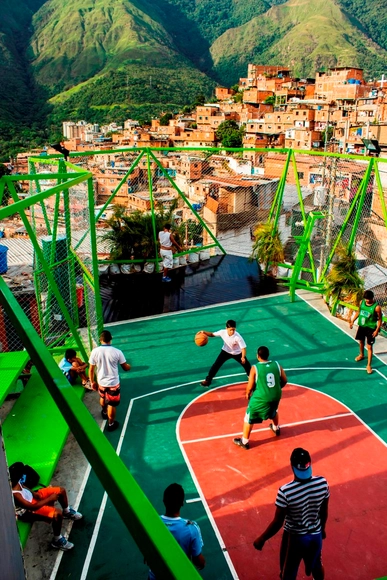
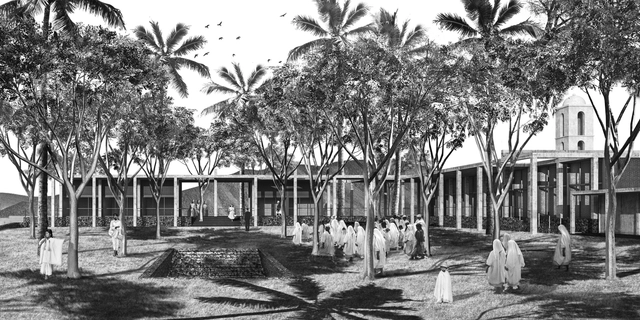
Espacios de Paz / PICO Estudio & Movimiento Por la Paz y la Vida. . Image Cortesía de ASF International Awards
The series of articles developed by Nikos A. Salingaros, David Brain, Andrés M. Duany, Michael W. Mehaffy and Ernesto Philibert-Petit researches the peculiarities of social housing in Latin America.
This time, the proposal focuses on how human health and well-being depend on the geometry of the environment. Check the previously published pieces and the new article, below.
https://www.archdaily.com/922149/socially-organized-housing-biophilia-connectivity-and-spiritualityNikos A. Salingaros, David Brain, Andrés M. Duany, Michael W. Mehaffy & Ernesto Philibert-Petit
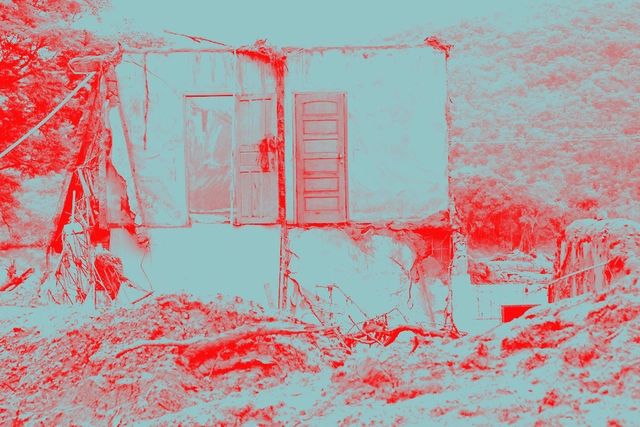
Economic and urban processes are known to drive major modifications in the urban structure. In light of the events of January 25, 2019, with the collapse of the Brumadinho dam, it is clear that environmental negligence by major mining corporations also has the power to produce profound consequences and alter the ways in which people inhabit and utilize the territory.
https://www.archdaily.com/1122572/the-importance-of-the-urban-planner-in-territorial-intervention-the-case-of-marianaAryane Diaz e Sérgio Lessa
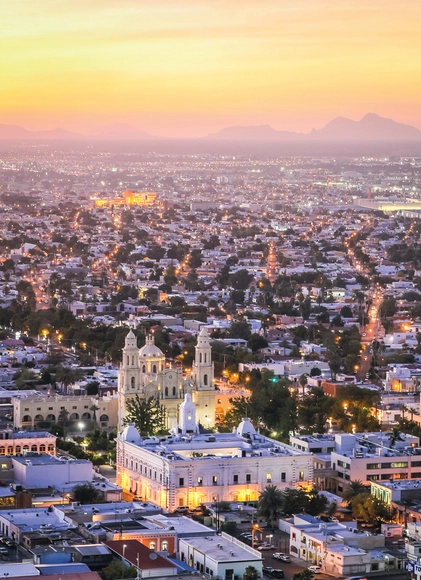
Courtesy of Felipe Vera, Diego Arcia & Andreina Seijas. ImageHermosillo, Mexico
Few may have heard of Hermosillo, a Mexican city of 850,000 inhabitants located in the middle of the desert, just 280 kilometers south of the United States border. It is a city of great strengths, but also immense challenges. In an increasingly urbanized world, cities have become platforms for innovation and change, particularly in developing countries. While megacities like Bogotá, Lima, and Mexico City struggle to distribute goods and services to their sprawling populations, intermediate cities like Hermosillo have the potential to offer a more sustainable alternative.
https://www.archdaily.com/1120492/hermosillo-the-mexican-city-that-became-a-testing-ground-for-urban-experimentation-in-the-desertFelipe Vera, Diego Arcia & Andreina Seijas
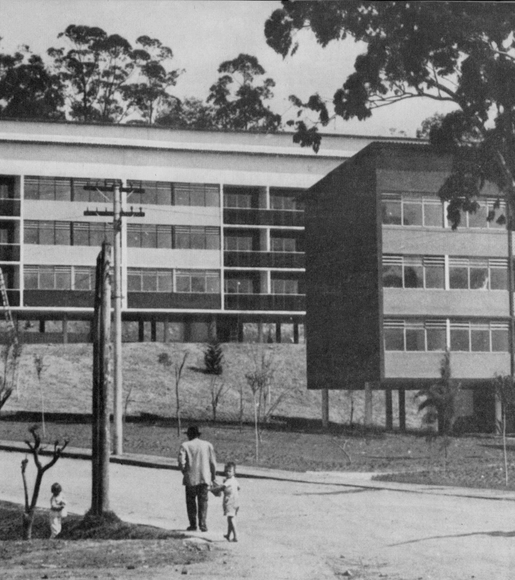
Acervo do grupo de pesquisa Pioneiros da Habitação Social. Image Cortesia de PC3 - Pensamento Crítico e Cidade Contemporânea
After studying civil engineering at the Escola de Minas de Ouro Preto, Carlos Frederico Ferreira returned to his native city of Rio de Janeiro and enrolled in the Escola Nacional de Belas Artes, graduating in architecture in 1935. In 1939, he was hired by the IAPI as an engineer-architect and soon rose to the position of head of the institute's Engineering Department. By 1943, having overseen the partial completion of the first major housing development, the Conjunto Residencial Operário in Realengo, he was able to begin expanding the model to other locations. The designs for Vila Guiomar in Santo André and Piratininga in Osasco, as well as the apartment building and IAPI Regional Office headquarters in Recife—all designed by him—demonstrate how, through his position, he sought to shape the direction of the institute's future developments.
https://www.archdaily.com/1121836/collective-housing-notebooks-vila-guiomar-housing-complexPC3 - Pensamento Crítico e Cidade Contemporânea
In the fall of 2017, a 7.1-magnitude earthquake struck at least nine states in Mexico, leaving several areas severely affected across Mexico City, Puebla, Morelos, Oaxaca, Veracruz, Tlaxcala, Guerrero, and the State of Mexico. Jojutla, a municipality located in Morelos, was one of many reduced to ruins after the earthquake shook Mexico on September 19, leaving much of its infrastructure damaged. Consequently, through an initiative by Infonavit, a master plan was launched to reconstruct the municipality's primary public buildings.
Discussions surrounding women's access to higher education and the labor market in general are of central importance when considering ways to establish more equitable living conditions and active roles in contemporary society. Although grounded in censuses and surveys linked to the formal labor market, this reflection provides a general baseline of women's current conditions in the face of difficulties stemming from the lingering legacy of a patriarchal and moralistic structure of professional hierarchies, where the leading figures are, and historically have been, men.

























.jpg?1566476218&format=webp&width=640&height=580)