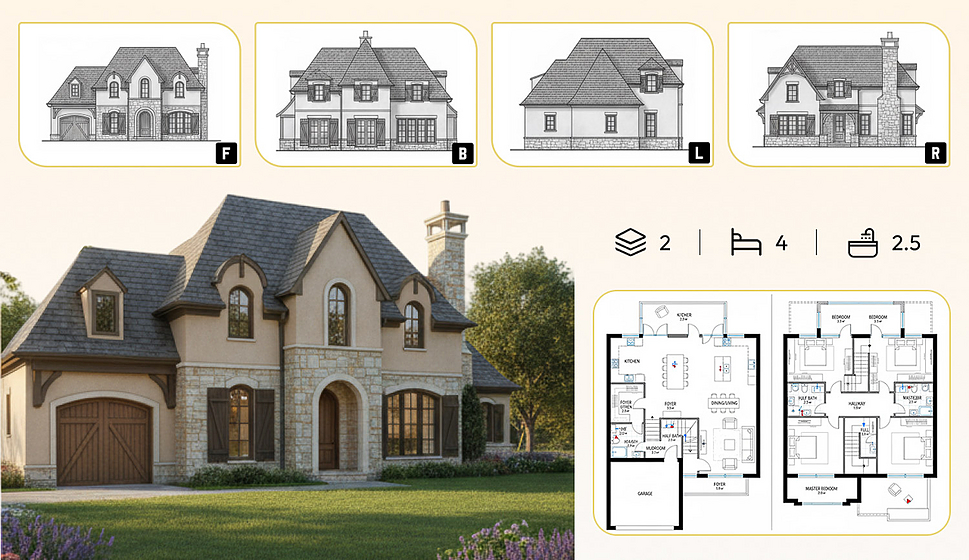
This guide covers a workflow that moves from project parameters to generated floor plans, 3D perspective views, exterior design exploration, and site context visualization, using AI tools in place of preliminary CAD and rendering work.
This guide covers a workflow that moves from project parameters to generated floor plans, 3D perspective views, exterior design exploration, and site context visualization, using AI tools in place of preliminary CAD and rendering work.
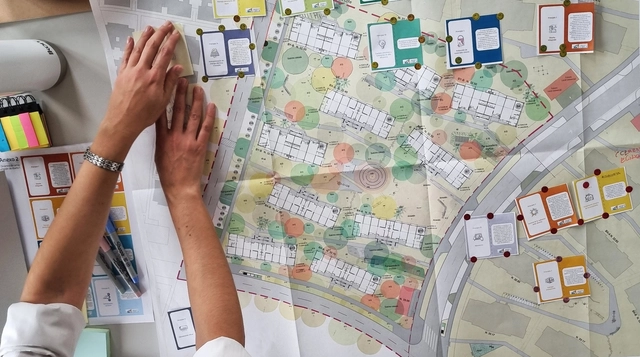
When the Minergie sustainable building standard was established in Switzerland 25 years ago to reduce energy consumption and improve indoor comfort, it was hard to foresee that it would become one of the country's most sought-after certifications. Today, it boasts a significant footprint with over 50,000 certified buildings. It was equally difficult to imagine its future in present-day Latin America: how could a system developed for the specific demands of one nation respond to the needs of another region with such diverse geography and culture?


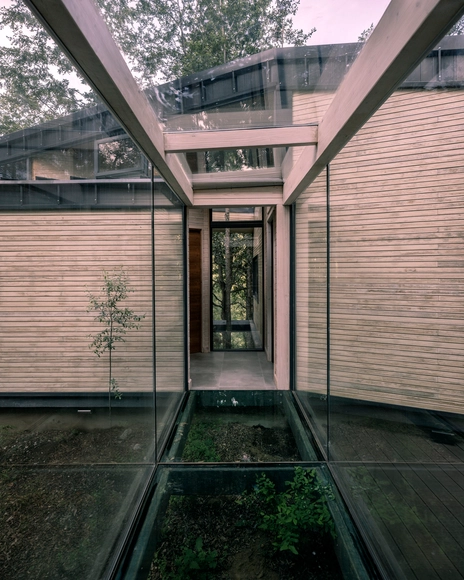
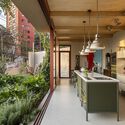
What role do glass surfaces play in connecting contemporary architecture, nature, and the experience of those who inhabit interior spaces? The evolution of the glass envelope has accompanied the development of contemporary architecture, with the transmission of natural light serving as one of its defining qualities. Furthermore, the material's versatility and transparent character blur the boundaries between indoors and outdoors, while evoking a range of sensory and psychological experiences, among other virtues. In its constant search for innovation, Glasstech offers a wide range of glass solutions, providing end-to-end support from initial project design to final installation. To illustrate these diverse applications, we examine Casa Bosque in Chile as a prime example of architecture in harmony with its natural surroundings.
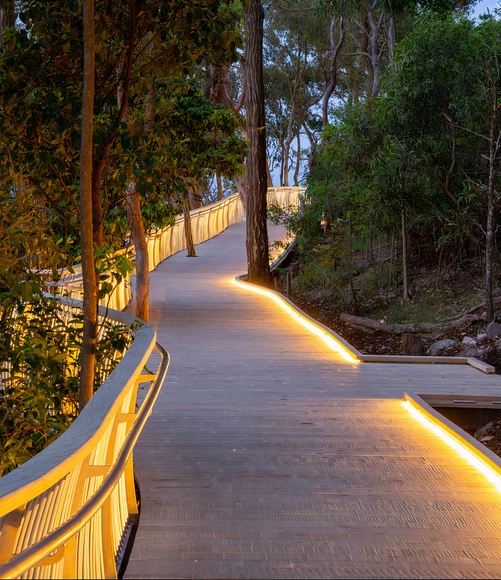
Offering a balance between aesthetics and comfort, designing wooden decks for outdoor spaces such as patios, terraces, walkways, balconies, gardens, or swimming pools represents an excellent alternative for creating outdoor areas for relaxation, entertainment, and recreation. When paired with swimming pools, fountains, or water features, decking in various dimensions, colors, and finishes combines the warmth of wood with the clarity of water, provided it is treated and maintained to maximize durability and optimize long-term performance. Indeed, Leaf Panel's Forta Deck offers a renewable, recyclable, and high-quality solution for outdoor flooring, highlighting the importance of reducing the carbon footprint of building products and leveraging the properties of acetylated wood to improve outdoor performance.
Nicolás Valencia speaks with Venezuelan architect Betina Rincón, research coordinator at re:arc institute, about the work of the Danish philanthropic organization in supporting and funding community-led solutions to address the climate crisis worldwide.
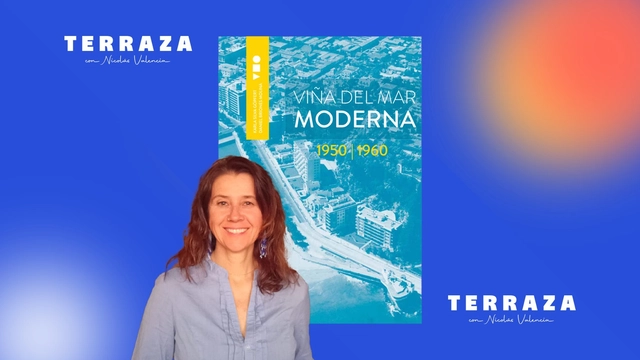
This week on the TERRAZA podcast, Nicolás Valencia talks with Chilean designer Karla Silva about the book Viña del Mar Moderna, published in 2022.
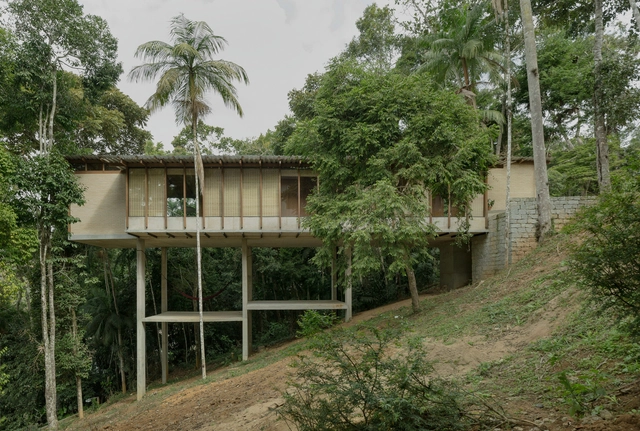
A cada ano, a equipe de Curadoria de Projetos do ArchDaily rememora a vasta gama de obras publicadas ao longo desse período, apresentando retrospectivas que permitem não apenas identificar tendências e variações na produção arquitetônica, mas também reconhecer de que forma impactam a nossa audiência. No ArchDaily Brasil, a seleção anual de melhores casas – que ano após ano, segue permanecendo como nossa categoria de projeto mais popular – representa uma amostra das variadas soluções, estratégias, técnicas e materiais encontrados na arquitetura residencial dos países de língua portuguesa.
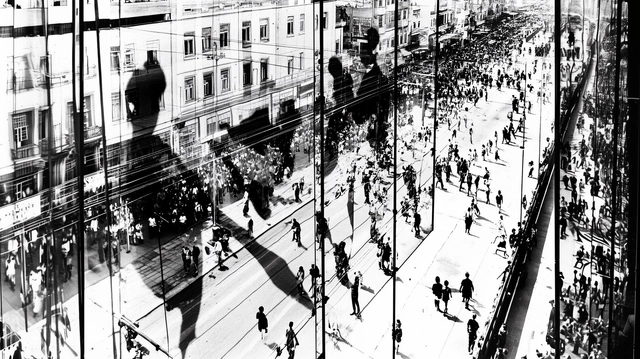
Seeking to reflect on the contemporary city invariably runs up against the limitations imposed by the methods of the Modern Movement. Classical sciences and their deterministic methods, which guided—and still guide—the urban planning of this era, describe world phenomena through strict causal relationships and, consequently, define them by reductive universal laws that exclude contradictions and uncertainties. The frequent result of these perspectives is an idealized, mechanistic world that denies the complex, actual nature of phenomena such as cities.
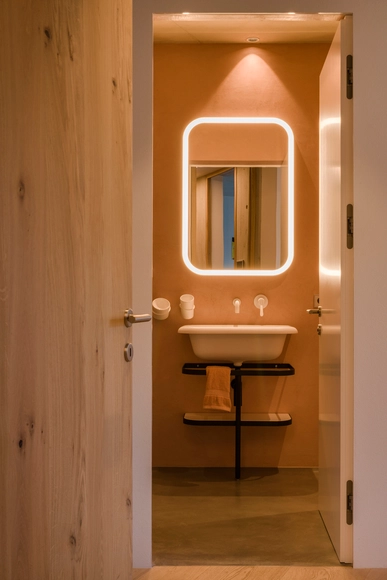
A successful interior design must be paired with a proper lighting design. It is responsible for ensuring that the quantity and wattage of the bulbs are suited to the space based on its dimensions and use.

The new and growing demands for change driven by urban population growth mean that, when designing, we face a highly heterogeneous and constantly transforming fabric.
Increased urban density directly impacts the open space available for new, standalone construction, leading to a juxtaposition of buildings where the simultaneity and coexistence of individual pursuits result in a varied fabric.
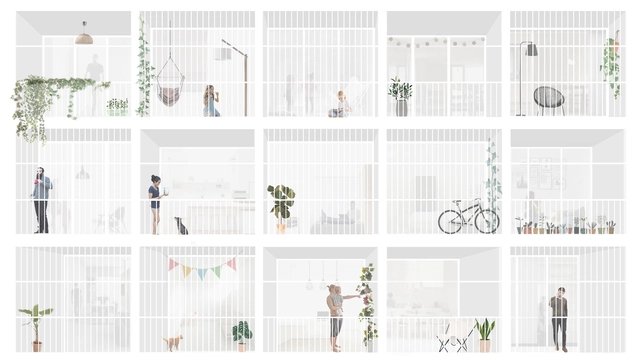
To showcase the valuable output of Argentine universities, for the third consecutive year we launched an open call inviting our Argentine readers to submit their final thesis projects, sharing the work that launched their careers as newly minted architects.
After receiving more than 60 submissions from various Argentine architecture schools and cities, our editorial team selected nine projects, focusing on those that demonstrated critical thinking toward contemporary issues, formal resolution, and representation. The selection not only recognizes those projects that delivered the best possible architecture through simple design suited to their context, program, and users, but also highlights those showing a strong commitment to human scale, mediation, transition, and new ways of approaching urban architecture. This edition's jury was composed of Fabian Dejtiar, Managing Editor of ArchDaily en Español; Mónica Arellano, Editor of ArchDaily México; and Delia Bayona, Editor of ArchDaily Perú.
Read on to explore the selected projects in detail.
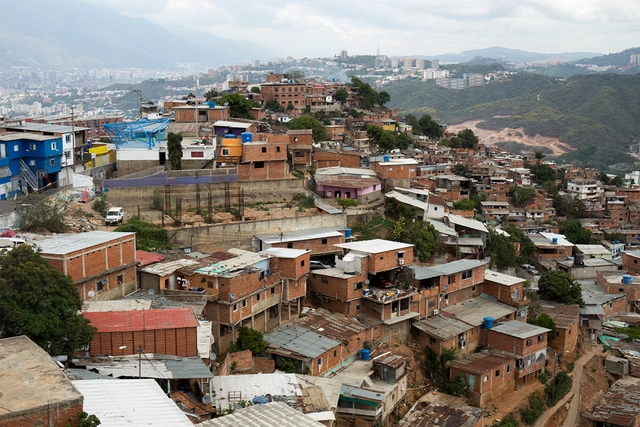
In this installment, as part of the series of articles by Nikos A. Salingaros, David Brain, Andrés M. Duany, Michael W. Mehaffy, and Ernesto Philibert-Petit, we examine the importance of design sequences and generative codes in social housing in Latin America. Explore all previous publications and the new article below.

According to the executive branch's plans, more than 500 schools will be built in Peru this year to close the infrastructure gap affecting the sector. This represents an investment of 30 billion soles, which also serves as an incentive for the construction industry across the country's various regions.

Promoted by the Uruguay River Administrative Commission, organized by the Society of Architects of Uruguay (SAU) and the College of Architects of the Province of Entre Ríos (CAPER) —and sponsored by the Argentine Federation of Architect Associations (FADEA)— the call for entries is now open for the binational preliminary design competition to develop a Control Laboratory for the environmental analysis of the Uruguay River.
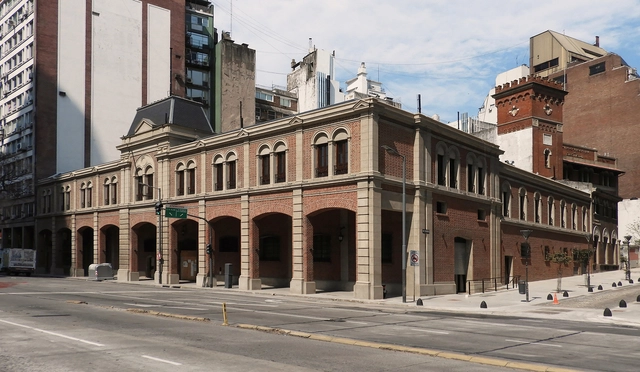
Located at 852 Leandro N. Alem Avenue in the Autonomous City of Buenos Aires, the Mercado de los Carruajes originally housed the “Presidential Carriage Garage,” serving as a storage and maintenance facility for horse-drawn carriages. Over time, the building was repurposed to accommodate the vehicular fleet of the Presidency of the Nation. Following a series of interventions and expansions, the historic heritage building began its conversion process in 2017, which is now complete with only the final details being finalized. A gourmet market concept featuring food stalls, fresh food vendors, retail spaces, and an event terrace eagerly awaits its grand opening, which was delayed due to the pandemic.
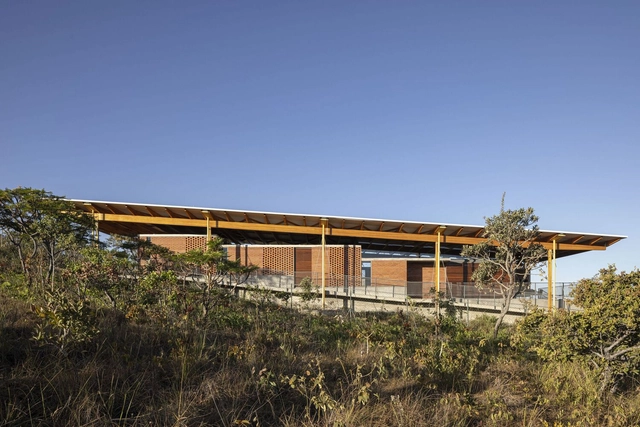
Every year, our curatorial team presents a retrospective of house projects that stood out over the period. This collection, a small selection of the more than two thousand projects published on ArchDaily Brasil this year alone, comprises a series of residences with specific design solutions that address, each in their own way, factors such as materials, construction techniques, structural systems, building processes, and programs.
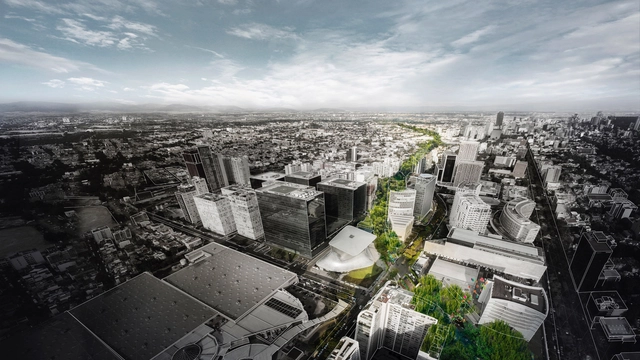
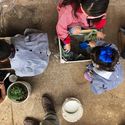
It might seem that the concept of “urban gardens” emerged alongside the gentrification of Mexico City—a model of food autonomy that not only provides us with fresh, organic, ready-to-eat produce, but also beautifies the urban landscape and reconnects us with nature. However, nothing could be more mistaken than viewing urban agriculture as a mere trend.

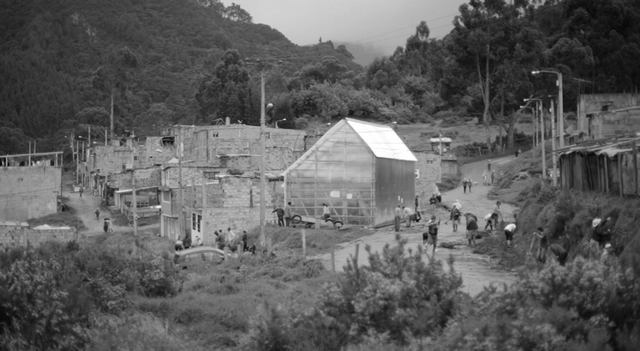
This article by Ana López Ortego (Colectivo Arquitectura Expandida) is a collaboration with Colectivo RE and was originally published on August 2, 2020, in the second edition of Huevo de pato, a publication that aims to share thoughts and experiences as a strategy toward democratizing knowledge and action.
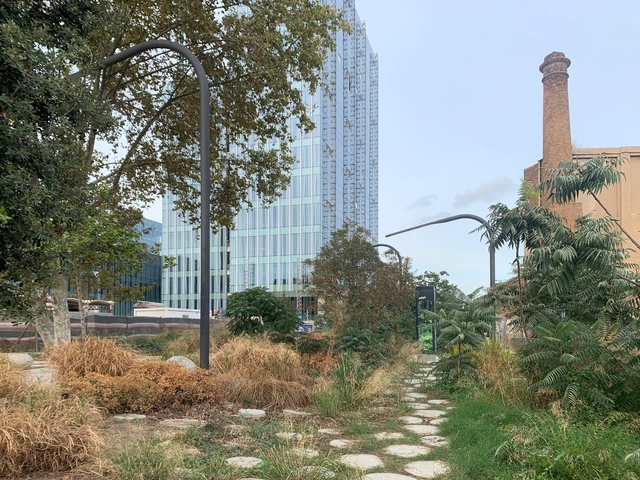
Citymakers is working with ArchDaily to publish a series of articles, conversations, and interviews with the different actors involved in co-producing the city behind the Citymakers Barcelona Lab 2021—a program whose next edition will run from November 8 to 12. For this installment, Víctor Torres, director and co-founder of CityMakers, presents his article "Re-naturalizing the City."
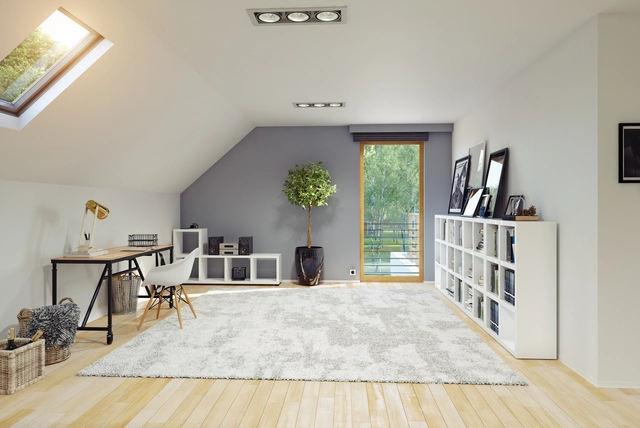
Inadequate living conditions in a building trigger discomfort and even physical pathologies in humans. Scientific experiments have shown that a lack of concentration and even everyday accidents are influenced by both high and low indoor temperatures. And while thermal sensitivity varies from person to person—depending on their clothing, gender, habits, and age—the basic principles behind thermal comfort are universal. Thermal comfort is primarily determined by air temperature and humidity. In this regard, the human body seeks to maintain a near-constant core temperature of 37°C, continuously exchanging heat with the environment.
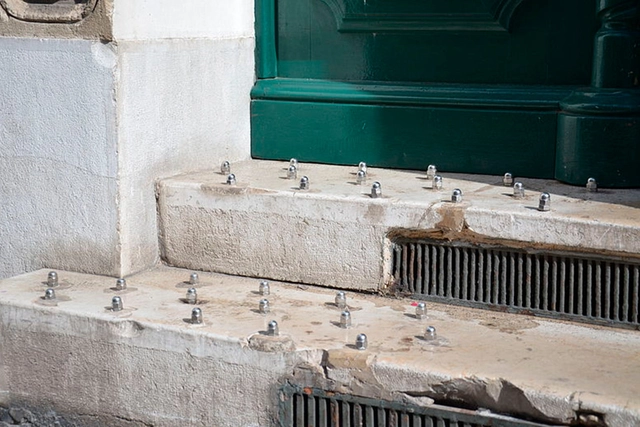
Benches with dividers and uncomfortable shapes, sharp stones under overpasses, fences surrounding plazas and gardens, walls with metal spikes, buildings without awnings or with timed water drippers, electric fences, and barbed wire. The elements and materials used to deter people from public spaces are numerous, ultimately shaping how individuals experience cities and interact with one another. Hostile architecture—a term encompassing all barriers and urban designs that seem to say “don’t make yourself at home,” as reporter Winnie Hu of The New York Times defines it—is part of the reality in most cities worldwide, sparking growing debate over the impact of these measures, particularly on social media.
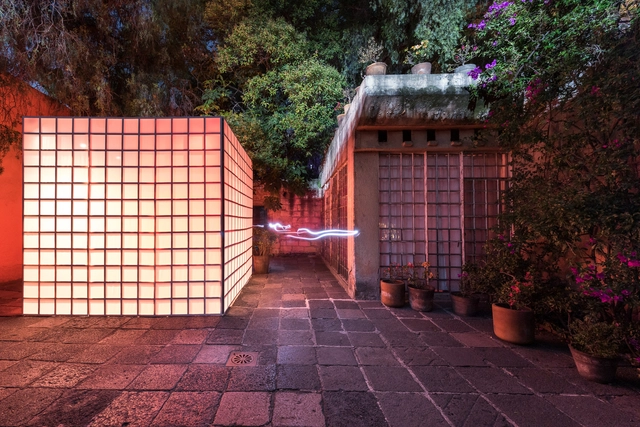
While the work of Mexican architect Luis Barragán is globally recognized and studied for its invaluable commitment to the architecture of his time and context—and, above all, built upon deeply harmonious and poetic foundations that connect with a deeply personal quest in "cosmic solitude, with Mexico as the temporary home he lovingly accepts," as the Pritzker Prize Jury described it when honoring him in 1980—until recently (and even before the launch of the Barragan Foundation website), understanding the full spectrum of Barragán's place in architectural history was somewhat difficult, as several of his works have remained private (or difficult to access) for years.

This week, we feature job openings at two Shanghai-based design firms: ARIZON Design and atelier tao+c. Specializing in different scales and themes, both practices are active across various architectural sectors and are looking to recruit like-minded architects to join their teams.
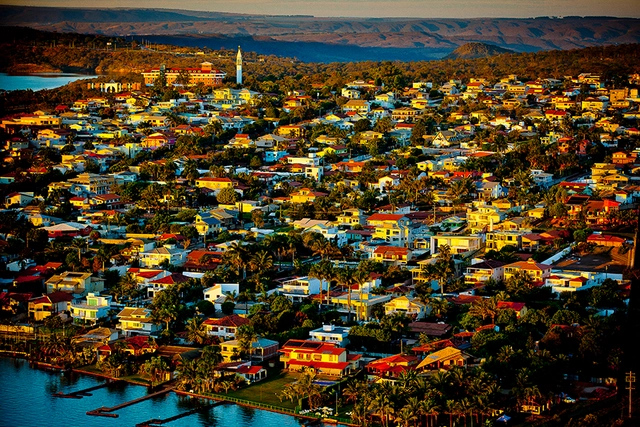
At the time of writing this article, Brazil is facing the most severe humanitarian crisis in its history—not merely a “health crisis,” as is commonly described. By April 30, 2021, the COVID-19 pandemic had claimed 411,854 lives in the country, and only in recent days has the moving average of deaths begun to cool down once again—after reaching a peak of 3,125 in April.
Epidemiologists, microbiologists, and infectious disease specialists note that the impact of the pandemic on Brazilian cities is highly idiosyncratic: each has unique conditions to consider before we can attempt any generalizations. Furthermore, underreporting is estimated to be high (with actual cases potentially being ten times higher), a figure that also varies from city to city. Nevertheless, with these caveats in mind, what does the overall picture reveal?