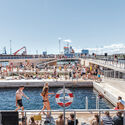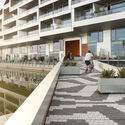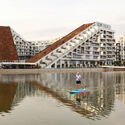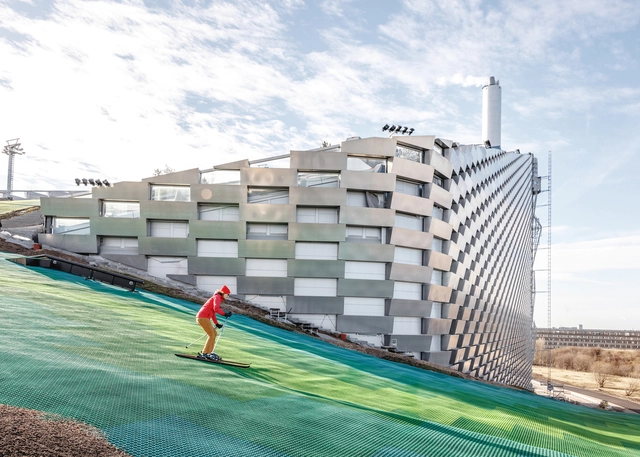
If you follow BIG, you have probably already seen Bjarke Ingels talk about hedonistic sustainability and how this concept permeates the most daring projects of the Danish office.
If you follow BIG, you have probably already seen Bjarke Ingels talk about hedonistic sustainability and how this concept permeates the most daring projects of the Danish office.
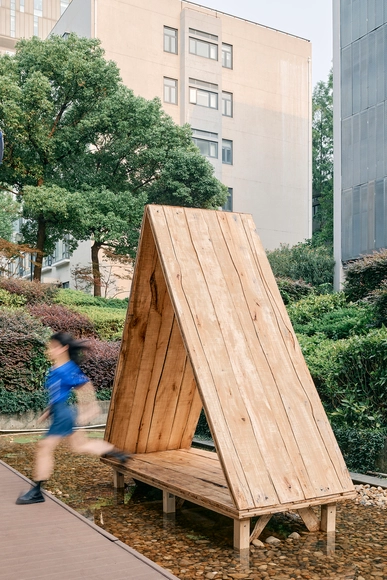
Mass timber has emerged as a sustainable alternative to replace concrete components in construction, as the latter alone contributes to 8% of global CO2 emissions. With various examples across different scales and applications, the material has shown promise in revolutionizing the industry by enhancing efficiency, strength, and comfort. Even when dealing with highly standardized and efficient processes in the manufacturing of structural elements, there is always room for improvement and waste reduction. This is mainly because the traditional industrial process of cutting logs into parts can generate substantial waste.
In this context, A.I. Timber emerges as an innovative construction material designed to minimize waste by preserving the natural contours of trees. Instead of employing conventional methods that involve cutting individual logs into standardized boards, A.I. Timber ingeniously utilizes Artificial Intelligence to fit these logs together like pieces of a perfectly assembled puzzle. To gain further insight into this initiative and the future of this material, we spoke with Carlo Ratti and Mykola Murashko, who coordinated the project.
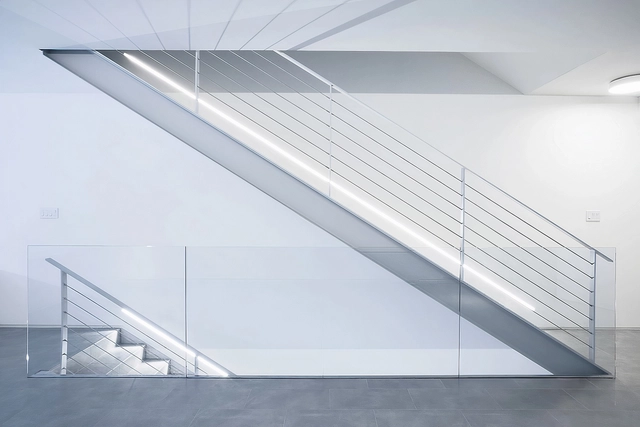
In the world of interior design and architecture, lighting has evolved from a mere functional necessity into a powerful tool for creating pleasant environments, accentuating design elements, and setting the mood for occupants. Embedded lighting systems have been a game-changer in this regard, especially when combined with LED technology, offering countless possibilities to transform spaces. LED strips, in particular, have revolutionized lighting by providing energy efficiency, longevity, versatility, and customization that was previously challenging with traditional lamp-based lighting. They have fundamentally changed how we illuminate homes, offices, and businesses, ushering in a new era in lighting technology.

Almost a century after the iconic aesthetic emerged, Art Deco is finally having its comeback. As seen in new projects, interior spaces, and furniture around the globe, the glitz and glam that makes us long for the Roaring 20s of the early 20th century is now giving us a small taste of the Roaring 20s revival in the 21st century. As the distinct identity of Art Deco architecture and design has continued to inspire the world, what can we expect from new designs, and the preservation of existing ones?
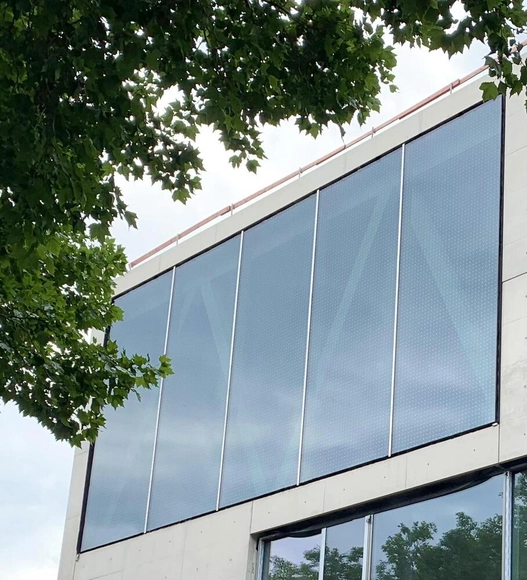
Glass has become a central element in modern architecture with the introduction of new strategies for designing and experiencing buildings. Its transparency and material composition allow for natural light to enter, while creating seamless connections between interior and exterior spaces. However, the prevalence of this material has meant that every year, billions of birds collide into glass structures.
These collisions tend to occur during the migratory pathways of birds, as they fly through cities and are drawn to internal lights in buildings or misjudge outdoor reflections of trees and vegetation, causing a huge number of bird deaths and injuries. In response to this challenge, an increasing number of cities are now introducing legislation that requires new construction to feature bird-friendly glass. Without compromising on the aesthetic appeal of glass, Eastman has developed Saflex™ FlySafe™ 3D Polyvinyl Butyral (PVB) interlayers. This additional layer features a three-dimensional reflective pattern that is highly visible to the bird’s eye from the outside while remaining subtle to the human eye from the inside. Delving into the application of this solution within architectural design, we showcase how The Helios School adopted this strategy.
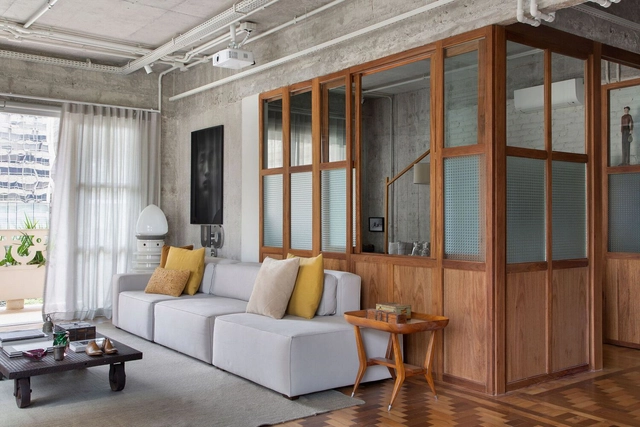
Today, we are increasingly aware of the environmental harm caused by building with concrete. One approach to using it more sustainably is to repurpose existing buildings, exposing their structural elements and integrating concrete into the surface. While concrete can sometimes give off an austere or overly cold vibe for a residential space, wood provides an alternative to soften this impression, transforming what might seem industrial into a warm and inviting home environment. By doing so, they can impart distinct qualities to the same space through the interplay of their textures and colors, evoking different sensations in occupants. There are various ways to explore the interaction between these materials, and we illustrate some of these possibilities through six Brazilian apartment examples.
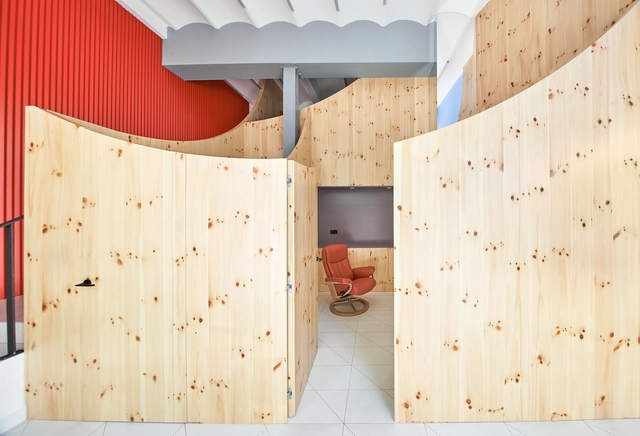
Throughout the annals of architectural history, timber has been a fundamental element in the evolution of building design and construction. From the ancient timber-framed structures of Japan to the medieval European cathedrals, timber's structural prowess and aesthetic appeal have left an indelible mark on human civilization. It wasn't until the Industrial Revolution's advent that a significant shift towards alternative building materials such as steel and concrete occurred, relegating the material to a secondary role in construction. As contemporary architects grapple with the consequences of climate change, however, timber has staged a remarkable comeback, offering an eco-friendly and structurally robust alternative. Internationally renowned firms are centering their designs around timber's potential, embracing its rich history while simultaneously harnessing advanced technologies to create awe-inspiring, sustainable structures that represent a harmonious blend of historical wisdom and modern innovation.
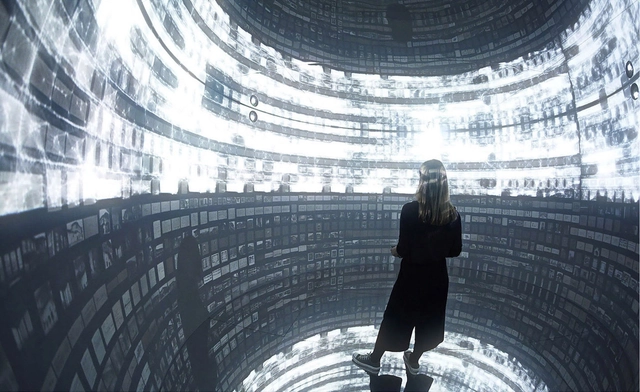
This article is the fourth in a series focusing on the Architecture of the Metaverse. ArchDaily has collaborated with John Marx, AIA, the founding design principal and Chief Artistic Officer of Form4 Architecture, to bring you monthly articles that seek to define the Metaverse, convey the potential of this new realm as well as understand its constraints.
Of all the attributes that will define the Metaverse the single most important is that of experience. As we move more deeply into the Anthropocene Era humans seem to be shifting their interests from collecting things to collecting experiences. As the demand for experiences grows more intense and detailed, the need for content, and the clever and effective use of that content, will rise exponentially. From a more detailed perspective, the management and quality of those experiences will determine the initial success of the Metaverse. This is where the concept of a Responsive AI Concierge comes into play.
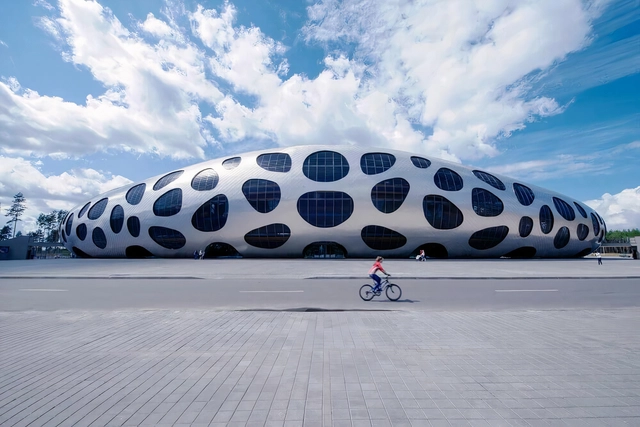
Building envelopes create a physical boundary or shell integrated to the outer skin of a structure, separating indoor and outdoor environments. By assembling architectural components such as walls, roofs, windows and doors, the building is enclosed to provide protection and insulation, playing a determining role in the energy efficiency, comfort, structure, and durability of the project. Through multiple styles and shapes, they are key to giving character to a building, its visual appearance and integration with the surrounding environment.
Maintaining the fundamental functions of an envelope while playing with aesthetic possibilities, Euramax’s tailor-made metal cladding solutions create unconventional, colorful envelopes for designing with innovative geometries, patterns, and configurations.
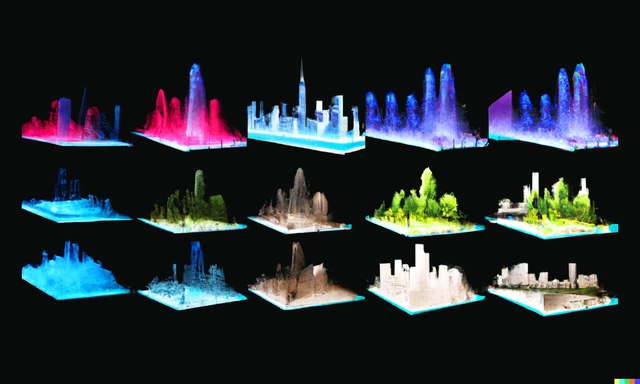
Architecture is a multifaceted discipline influenced by diverse sources of data and information, which play a fundamental role in shaping architectural production. In the past, horological instruments like the sundial were used to obtain data, such as time, and gain knowledge of solar incidence at different times of the year and geographical locations. This made it possible to determine the optimal orientation of buildings, resulting in benefits such as better use of sunlight and greater thermal comfort.
Although cultural, social, and even religious factors can influence architectural design, quantitative factors are especially relevant when making decisions in the early stages of the creative process, during construction, and throughout the life cycle of a building. Therefore, it is important to collect and process relevant information, such as location, solar incidence, occupancy capacity, occupant interactions, energy performance, and carbon emissions, among other aspects.
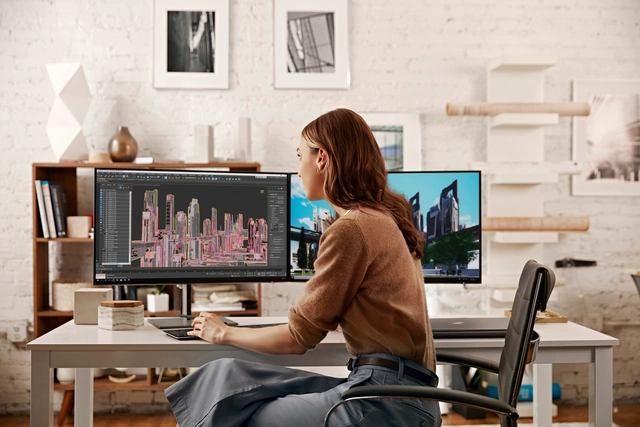
Today, working outside the office has become the norm across industries, changing the way we work and how we interact with team members and clients. Given the potential challenges of working remotely (internet connection and stability, for example), organizations need to build the right systems to maintain productivity and foster the same sense of teamwork and culture found in traditional office spaces. As architects, engineers and construction (AEC) teams know, collaboration is key to driving creativity, and is essential to the successful completion of any design project.
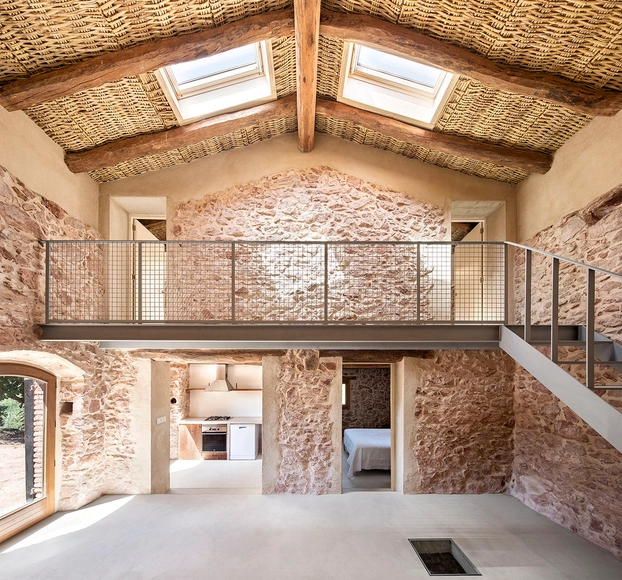
What does architectural restoration, transformation, or renovation entail? What factors are involved in their processes? When delving into the interiors of Spanish homes, we set out to discover the various methodologies, tools, and technical and construction strategies that are often employed, with stone as the main protagonist.
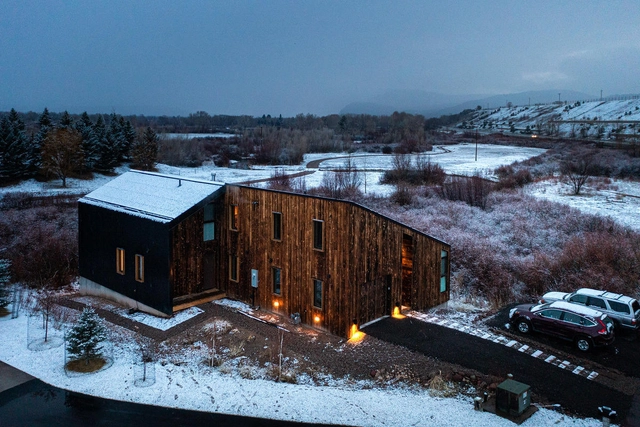
Whether it’s a guilt-driven effort to reduce one’s own carbon footprint, an economy-inspired reduction in energy bills or simply taking advantage of a government incentive scheme, sustainable construction, and design choices are not only being made by the most eco-aware amongst us, but now by anyone with an eye on both the current cost of energy and the future cost of its obsolescence.
Whatever the motivation, as we desperately attempt to reduce our self-destructive reliance on fossil fuels, our homes and buildings are gradually turning their backs on gas – one of the final hurdles standing between us and a carbon-neutral home. These alternative systems and appliances run on renewable electricity instead, breaking our reliance on emission-causing gas-dependant products and using innovative electrical technology to improve them too.


A quick glance today at the cities of the African continent reveals a rich diversity of urban settlements, ranging in type from rural enclaves to sprawling metropolises. That quick glance also reveals a larger picture of cities that are continuously adapting and evolving as we enter the decade of the 2020s – yet this evolution in many places is taking place at the expense of those who are less fortunate. This is not happening in a vacuum, as the reason why a lot of African cities look as they do today is a result of a segregated organization during colonial rule.
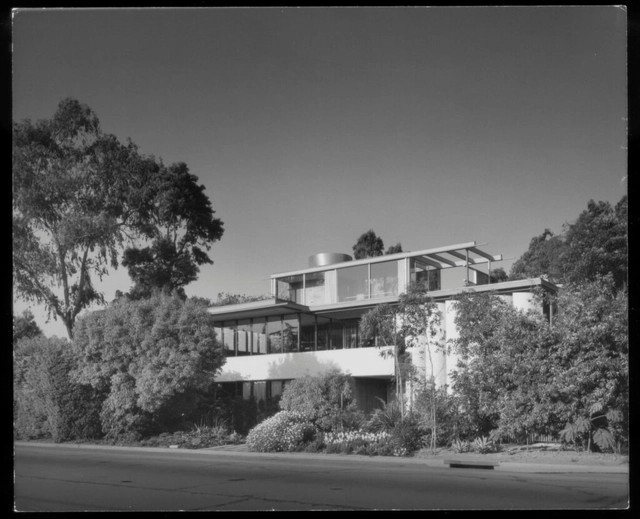
It was, of course, Frank Lloyd Wright who set up the ground for modern architecture to happen in Los Angeles. Then came the Viennese, Rudolph Schindler in 1920 and Richard Neutra in 1925 at the invitation of Schindler. Both worked for Wright choosing to learn from him what they saw as essential—by focusing on spatial and formal clarity, transformability, restrained materiality, and the living environment to achieve a desirable quality of life within. Neutra and Schindler collaborated at first, and then each built a rich portfolio, mainly comprising houses and apartment blocks. Universal in principle, these abstract robust structures defined and led the development of a local building vernacular. These buildings, of which there are several hundred, are now strongly associated with the two architects’ adopted city.
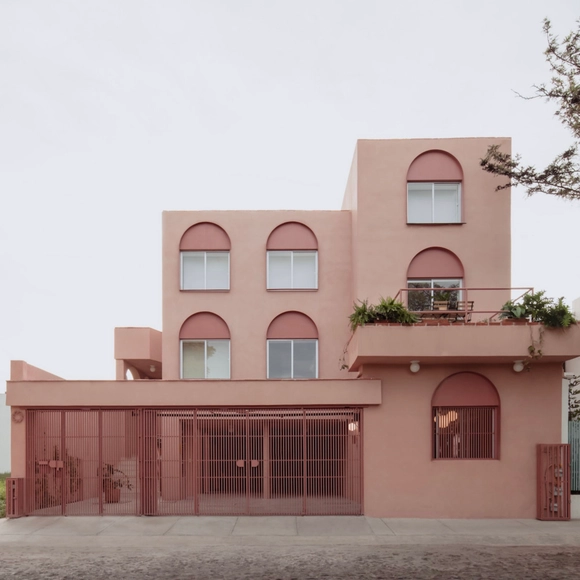
One way to employ color is through monochrome, a design technique that involves using a single tone or color in a space. In architecture, monochrome is a powerful tool where different shades can be created through the play of lights and shadows, generating spaces that offer unique experiences to their inhabitants.
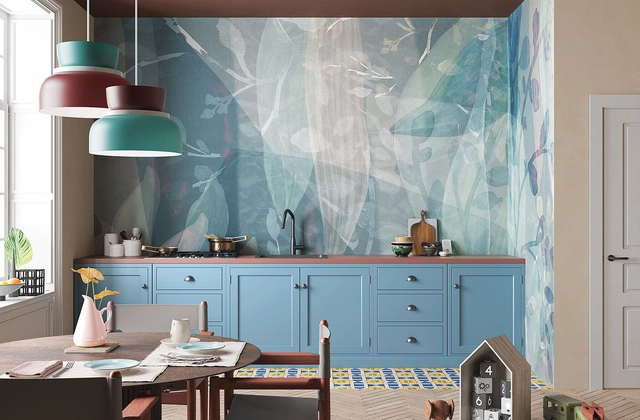
With its range of colors, patterns, textures, and materials, integrating wallpapers can enhance the design strategy of a space. It accentuates walls, adding depth to a room, while also elevating its aesthetics and character.
With this in mind, Inkiostro Bianco experiments and develops new and versatile wallpaper material solutions suitable for interior and exterior areas. Ranging from nature-inspired to contemporary geometric shapes, these wallpapers transform abstract ideas into reality, adapting to both modern and classic interior designs. Pushing the boundaries of traditional materials, EQ Dekor fiberglass wallpapers integrate durability, moisture resistance, and aesthetic characteristics to reach new standards for wallcoverings. But how to incorporate this solution into the design of kitchens, bathrooms, and floors?
The issue of gender discrimination in architecture is receiving growing attention and discussion. Many instances, including salary discrepancies, disrespect by male employees in construction sites and team management, and the historical oversight leading to women's lack of recognition are detailed and illustrated. These demotivations mean that, despite being the majority in architecture courses worldwide, only a few women manage to consolidate and gain prominence in the profession.
However, sexism doesn't end there. In addition to the discrimination experienced in professional contexts, one can observe the objectification of women in architectural images and concepts.