Before the pandemic, the world was already facing a series of global transformations in the field of construction, where emerging countries were at the forefront of a powerful economic shift. As the world's population is expected to reach the 10-billion milestone before 2100, the construction sector should be able to understand and adapt to the megatrends that are reshaping the globe.
Architecture, and all aspects of the design world, has experienced numerous movements throughout time that have defined the way we express ourselves through buildings, art, and other mediums. Created out of a dissatisfaction with the status quo or the emergence of new technology, there have been particularly notable design shifts and emerging ideologies over the last 100 years. This leaves us to ask the question- what design moment are we in now, and what characterizes it? How will we retroactively reflect on this moment of time in design, and will the COVID-19 pandemic accelerate innovation to bring us to our next design era?
The first lockdown brought most of the world to a standstill, and many were quick to point out the silver lining: the significant drop in carbon emissions. However, this pollution reduction was short-lived, and past crises indicate that we might be standing at a crossroads when it comes to our climate goals. What has this unprecedented year meant for the efforts to curb climate change and protect the environment?
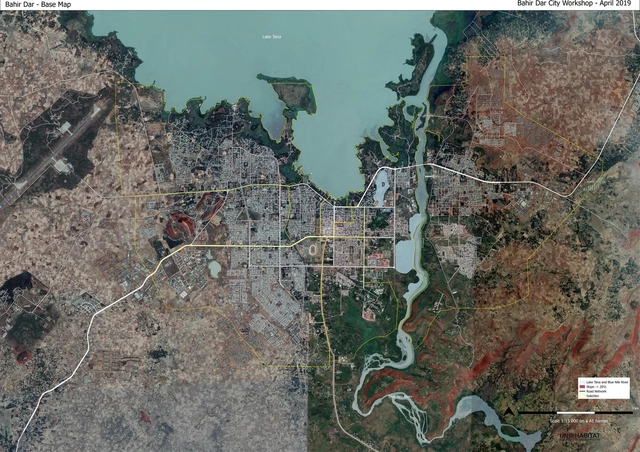
Satellite image of Bahir Dar (Ethiopia) Support of the Sustainable Structure Plan of Bahir Dar. Image Courtesy of UN-Habitat
The Un-Habitat or the United Nations agency for human settlements and sustainable urban development, whose primary focus is to deal with the challenges of rapid urbanization, has been developing innovative approaches in the urban design field, centered on the active participation of the community. ArchDaily has teamed up with UN-Habitat to bring you weekly news, article, and interviews that highlight this work, with content straight from the source, developed by our editors.
In order to support local governments in developing countries to implement the New Urban Agenda and the Sustainable Development Goals, UN-Habitat has created the Participatory Incremental Urban Planning Toolbox, “a step-by-step methodology to assess, design, operationalize and implement urban planning processes”. The guideline proposes a timeline of phases, blocks, and activities, helping city leaders, stakeholders, and the community to have a comprehensive and strategic overview of the whole strategy.
The construction industry moves a huge amount of resources, employs millions of people, and is a fairly accurate gauge for the economic situation of different countries. If the economy goes down, construction shrinks, and vice versa. Members of the construction industry include mining companies, contractors, material manufacturers, architects, engineers, governments, real estate, and more. In other words, many agents participate either directly and indirectly in the industry. But construction is also considered to be one of the most backward and resistant industries to embrace new technologies, instead opting to replicate traditional ways of doing less efficient work with high rates of waste. A study by McKinsey & Company showed that, unlike other industries, industry productivity has remained stable in construction in recent years, despite all the technological progress that has occurred.
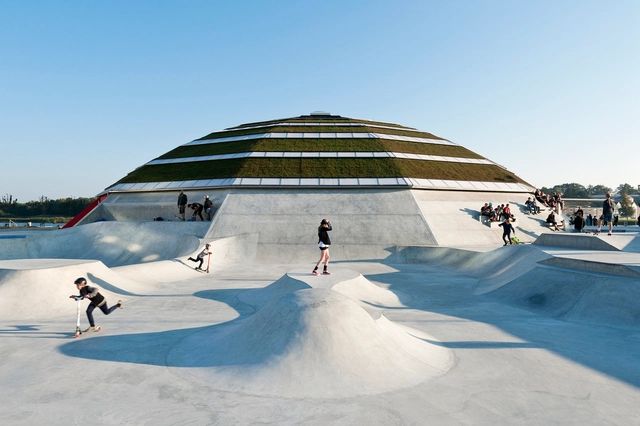
Skateboarding is often associated with the use of public spaces such as streets, squares, and sidewalks and has become a sport that blends into everyday life in the cities. Although skateboarding is sometimes considered marginalized, because of the dispute over public spaces, it allows underused places such as areas under or near overpasses to be revamped for practicing sports. Many sports centers have been incorporating skate parks into their programs, showcasing very unique designs.
Many architects work in a variety of areas, designing everything from the layout of a city block to the most minute details of a building. A common trend among these projects is that the furnishings, the very things that make a structure usable and livable, are often afterthoughts for the project's creators and only become important when the structure is already built.
With the promising news of a potential vaccine that could soon return the world to a semi-normal way of life, questions are being raised about what the future of public transit might look like. While some predict that it will be years before we revert back to the muscle memory ways of packing like sardines into crowded subway cars during rush hour commutes, it’s not just about how individuals feel being within close proximity of one another while moving about the city. It has more to do with how our other daily habits, which have been reshaped as a result of the pandemic, might change the overall goals for public transit systems around the globe. What strategies might be implemented to bring ridership back to normal levels and to bring the mobility landscape back to where it once was as society continues to undergo major fundamental shifts?
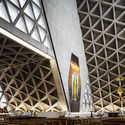
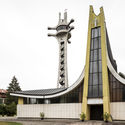
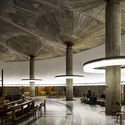
Rich in symbolism and tradition, religious architecture has always been marked by the grandiosity and extravagance of its interior spaces. For the architects and designers who created these spaces, everything from the scale, to the materials, to the lighting were tools to be used in optimizing their form and function and creating a place for users to connect with their faith.
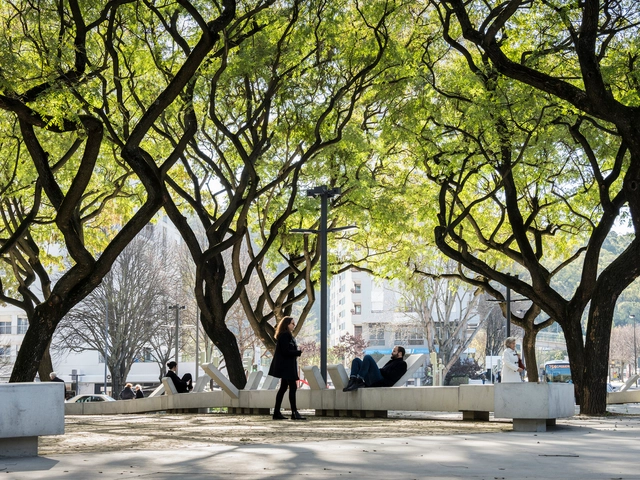
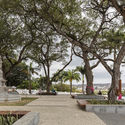
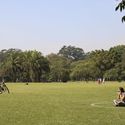
This June, the Global Cities program of the University of São Paulo (USP) carried out the research Emoções Momentâneas (lit. Momentary Emotions) to measure how the pandemic was changing the relationship of individuals with public spaces in São Paulo. Among the collected data, there was one that caught the attention of the group of researchers: 86% of the surveyed people wanted to spend time in green environments such as parks and squares.
"The research indicates a desire for reconciliation with the public space," explains architect Deize Sanches, one of the people involved in the research. "A desire to see the potential of green spaces to improve the quality of life in a way that was not being experienced before the pandemic."
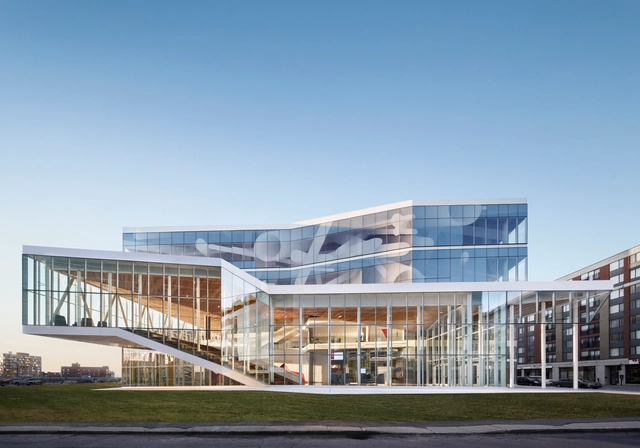
Few cities combine architecture and culture like Montréal. Canada’s second largest metropolis, the City of Saints has become a leading center for design, technology, and international events. With close ties to its natural context, the island city was named after the triple-peaked hill located at its heart, Mount Royal. Today, contemporary designs continue to emerge, new structures that are transforming the cityscape and its urban fabric.
In his book Breve Historia del Urbanismo (Brief History of Urbanism), Fernando Chueca Goitia states that the medieval city appeared at the beginning of the 11th century and flourished only between the 12th and 13th centuries. According to the author, this growth was closely linked to the development of commerce that allowed permanent occupations, resulting in a city no longer composed mainly of travelers. In other words, the bourgeoisie was formed thanks to the most diverse activities - craftsmen, tradesmen, blacksmiths, longshoremen - which stimulated the development of the medieval city.
The Twelve Ideal Cities- 1971. Image via Fondazione MAXXI
In the 1960s, Cristiano Toraldo di Francia and Adolfo Natalini, two Florence-based architecture students in their twenties, decided to undertake the substantial task of designing a new way for the citizens of the globe to inhabit the earth. Driven by the possibilities laid out in science fiction novels and the desire to prescribe design to solve the problems of their era, the duo, who dubbed themselves as Superstudio, sought to continuously reinvent their role in what it means to be an architect. Their solution was the creation of an “anti-design” culture as a means to provide commentary on politics, capitalism, and urbanism, by creating ideas in which everyone is given a functional space that frees itself of time, place, and the need for excessive objects.
In the introduction of Cities for People, Jan Gehl stated clearly that most cities have neglected the human aspect when planning the built space. While technologies have allowed us to build large, our focus shifted from creating architecture for humans to erecting structures that look like they are meant for a different kind of species. Top-down urban planning decisions have ignored scales adapted to the senses and organic growth, and new ideologies prioritized speed, functionality, and profitability.
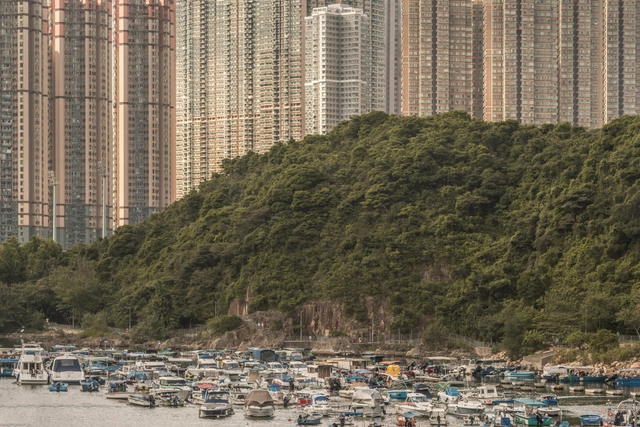
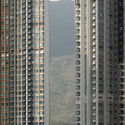
Dictating our city experience, scale, this major spatial component related to the human dimension, stimulates our senses, and influences our well-being. In this article, we lay down historical changes and underline scientific facts to highlight how scale can impact our daily city life, guided by Eden of the Orient, a series of photos by Belgian photographer Kris Provoost, portraying a battle of scale in Hong Kong.
Architecture is defined by its context. This holds especially true when buildings are located in harsh climates and must respond to natural conditions. This week’s curated selection of the Best Unbuilt Architecture focuses on designs located at the intersection of nature and the built environment. Drawn from all over the world, they represent proposals submitted by our readers.
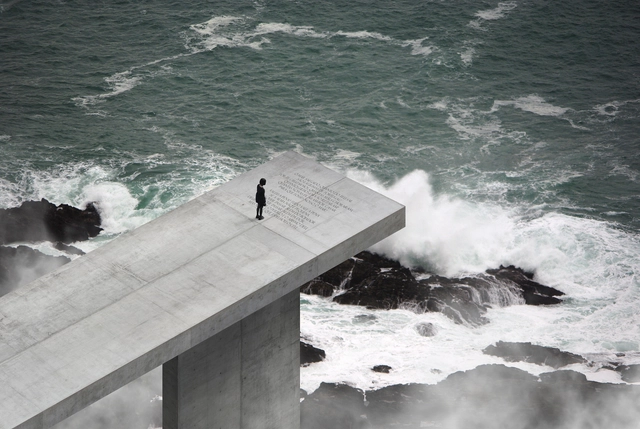
The article features a range of building types and locations, including many coastal proposals, from a regeneration plan on the South Coast of England and a proposal to link the famous Turku archipelago, to a dockside timber tower in Dublin. Also included are more extreme ideas, from an overlook on the Algarve coast to a vertical city with greenhouses located along a cliff on Mars.
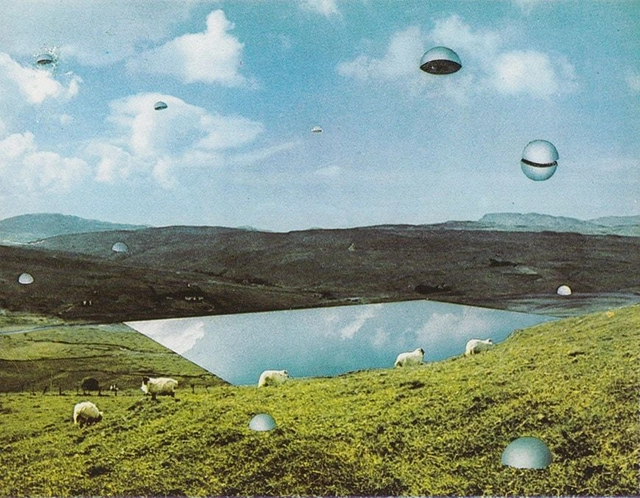
As the forces shaping our built environment have shifted, engaging technology, networks, and complex systems, architects need to envision more than the physical space but produce narratives on how to best operate within this new societal landscape. In this context, speculative architecture seems to have never been more critical; therefore this article takes a closer look at the mediums that currently question the existing conditions of the built environment and explore new architectural possibilities.
"What Are We Talking About When We Talk about Contemporary Cuban Architecture?" is the title of the article written by Fernando Martirena in Rialta Magazine that delves into the reality of architecture within Cuban society. Essentially, it receives so little attention that it might as well not exist. This prompted the birth of the Cuban Architecture Studios Group (Grupo de Estudios Cubanos de Arquitectura), of which Martirena is a member, a collective that aims to give modern Cuban architecture a platform and a voice.
ArchDaily sat down with Martirena to talk about the group and the state of architecture today in his native Cuba.
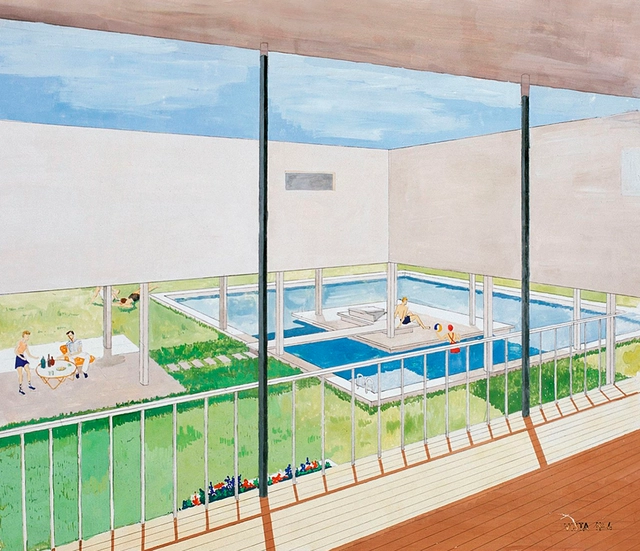
When we study Amancio Williams' work, it almost always centers on his emblematic Bridge House, built for his father in Mar del Plata between 1943 and 1946, or his technical role in Le Corbusier's Casa Curutchet. Of course, to study Williams is to confront several questions: Did he not design any other residential projects? What modernist ideas and concepts can we glimpse into his work? How did his work impact the development of Argentine architecture?







.jpg?1605991358 "Nüwa City on Mars. Image Courtesy of ABIBOO Studio")
.jpg?1605991377 "Nüwa City on Mars. Image Courtesy of ABIBOO Studio")

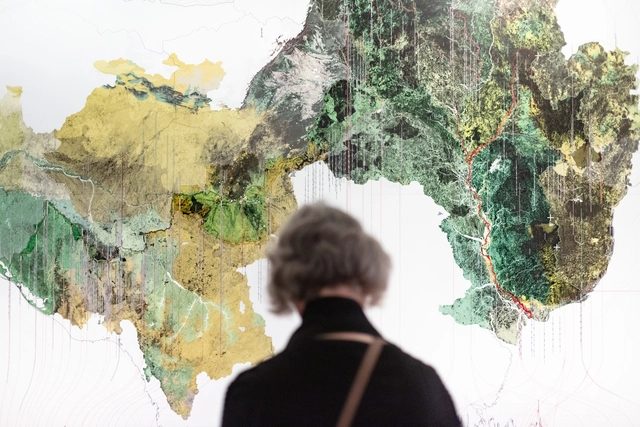

.jpg?1605822515 "Surface Ex-Tension by Jonathan Craig, Luis Arjona, Marco Nieto & Philip Elmore. Image Courtesy of Arch Out Loud. Image Courtesy of Arch Out Loud")