

Pixelmator, an app which has been familiar to Mac users since 2011, have released a version of their powerful photo editing software for iPad. Although the App Store is awash with photo editing and manipulation packages, Pixelmator's clean interface and collection of the most used features iPad users require, makes it a good substitute for desktop based software packages when on the move. Alongside allowing image enhancement, a "painting engine, precise colour correction, and live histograms" (allowing you to gauge real-time colour values as you edit), the app also takes step into providing "layers, non-destructive layer styles and a collection of professional-grade selection tools."
James Taylor-Foster
BROWSE ALL FROM THIS AUTHOR HERE
↓
Pixelmator for iPad: Sophisticated Photo Editing On The Go
https://www.archdaily.com/563226/pixelmator-for-ipad-sophisticated-photo-editing-on-the-goJames Taylor-Foster
The NSA Muscle: Conversations Exploring Pioneering Projects in Digital Architecture

The NSA Muscle, an interactive inflatable structure built in 2003 that responded to touch and presence by changing its shape, is the latest subject explored in the Canadian Centre for Architecture's series on pioneering projects of digital architecture. Joining a roster of influential names including Peter Eisenman, Frank Gehry and Chuck Hoberman, this e-book recounts a conversation between Greg Lynn and the author of the project Kas Oosterhuis of ONL [Oosterhuis and Lénárd]. The 'breathing' structure was covered by a grid of 'muscles' that contracted and relaxed in response to external stimulus, combining commercial pneumatics and virtual control technology in new ways to prototype an new kind of interactive architecture.
Discover the story by downloading NSA Muscle for free after the break.
https://www.archdaily.com/562166/the-nsa-muscle-conversations-exploring-pioneering-projects-in-digital-architectureJames Taylor-Foster
Built Reminders of a Former Time: Europe's Dissolved Border Crossings Photographed

Citizens of central Europe, perhaps uniquely in the world, are used to a life of no borders and free movement between nations. Following two devastating wars fought primarily on European soil, the formation of the early European Union in the 1950s paved the way for a more liberal, less isolated continent. It was not until the signing of the Schengen Treaty in 1985 (which came into effect in 1995) that the majority of borders were truly dissolved and travelling between nations, cultures, and communities became as simple as walking down the road.
Ignacio Evangelista's series of photographs entitled After Schengen examine the remnants of the old, abandoned crossing points that still exist across the Union. No longer necessary to maintain a country's independent sovereignty, and almost twenty years since the revolutionary pact was ratified, these palimpsests of border control remain as striking today as when they when delineated the closed boundaries between nations.
See a selection of the collection after the break...
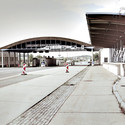

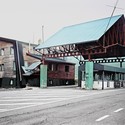
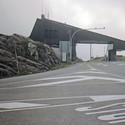

https://www.archdaily.com/561816/after-schengen-europe-s-dissolved-border-crossings-photographedJames Taylor-Foster
The Question of Gentrification Along London's Urban Waterways
In the second installment of their new three-part micro documentary series on architecture and water (see the first part here), Ellis Woodman and a team at the Architectural Review (AR) have collaborated with architects, developers, urbanists and thinkers to examine the latent connections between water infrastructure and our built environment. Taking a journey by narrowboat through London, the film explores the radical ideas which may offer the keys to unlocking the potential of the urban waterway. When London has an ever-increasing overwhelming need for growth, how does the densification and gentrification of the city relate to the rivers and canals?
https://www.archdaily.com/561808/the-question-of-gentrification-along-london-s-urban-waterwaysJames Taylor-Foster
Cruz y Ortiz Completes Renovation of the Rijksmuseum's Philips Wing
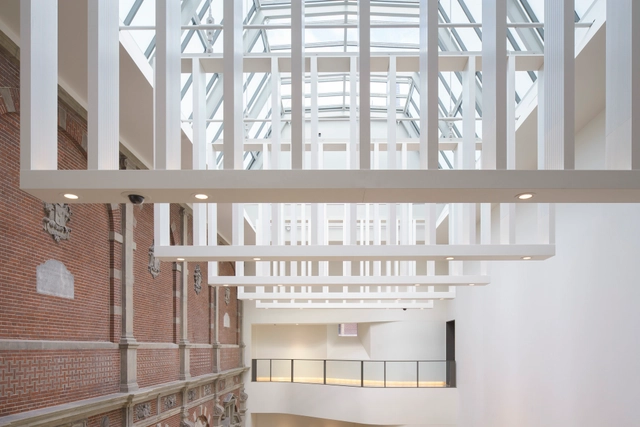
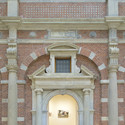
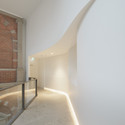
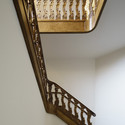
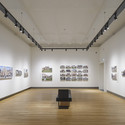
Cruz y Ortis, who famously spent ten years redesigning and renovating Amsterdam's Rijksmuseum, have recently completed a comprehensive restoration of the adjacent Philips Wing. As an addition to the extensive exhibition spaces of the Dutch national museum, which was brought to completion in 2013, the Philips Wing will be dedicated to showcasing high-profile exhibitions from its own collection and on loan from international and national collections. Cruz y Ortiz's work has consisted of reorienting the entrance, accommodating diverse new functions and preparing the exhibition rooms for the temporary expositions starting next month. Several twentieth century interventions have been set back and corrected, whilst other areas have been appropriated for a new destination.
See drawings and photographs of the new wing, including a description from the architects, after the break.

https://www.archdaily.com/561511/cruz-y-ortiz-completes-renovation-of-the-rijksmuseum-s-philips-wingJames Taylor-Foster
A Mobile Italian Garden Overlooking London
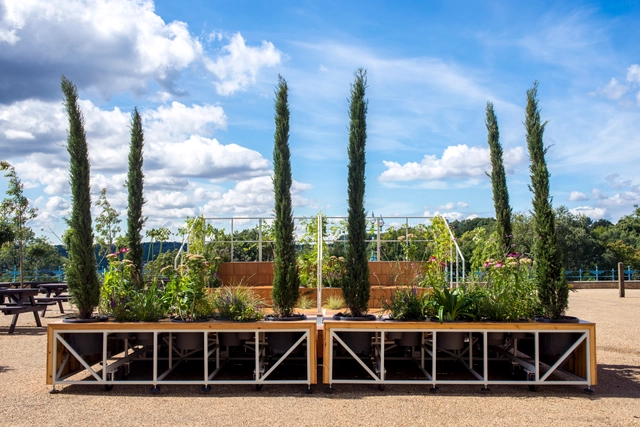
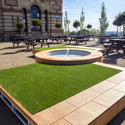
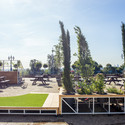
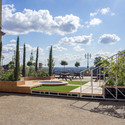
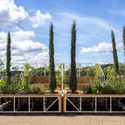
The Decorators, an interdisciplinary group of practitioners working with space in London, recently transformed the terrace overlooking the city at Alexandra Palace by installing a mobile Italian garden. As a "landscape of scattered objects" which geometrically piece together to resemble a formal garden, the designers describe the project as somewhere between "grotto and folly, garden and landscape, stage and amphitheater," all the while drawing from the historical character of the surrounding context. The scheme ultimately "breaks the monumental proportions of the main building to meet visitors with a more intimate scale on their first encounter" with the palace.

https://www.archdaily.com/561057/a-mobile-italian-garden-overlooking-londonJames Taylor-Foster
Architecture & Water: Exploring Radical Ideas To Unlock The Potential of Urban Waterways
In the first part of their new micro documentary series on architecture and water, Ellis Woodman and a team at the Architectural Review (AR) have collaborated with architects, developers, urbanists and thinkers to examine the latent connections between water infrastructure and our built environment. Taking a journey by narrowboat through London, discussing a raft of radical ideas which may offer the keys to unlocking the potential of the river along the way, the films discuss how we might begin to shape the contemporary city's relationship with its urban waterways. Can "floating parks, amphibious houses, floodable public squares, new wetlands or brand new canals foster a more meaningful relationship between the citizen and the city’s waters?"
https://www.archdaily.com/559891/architecture-and-water-exploring-radical-ideas-to-unlock-the-potential-of-urban-waterwaysJames Taylor-Foster
Gehry's Fondation Louis Vuitton in Paris: The Critics Respond
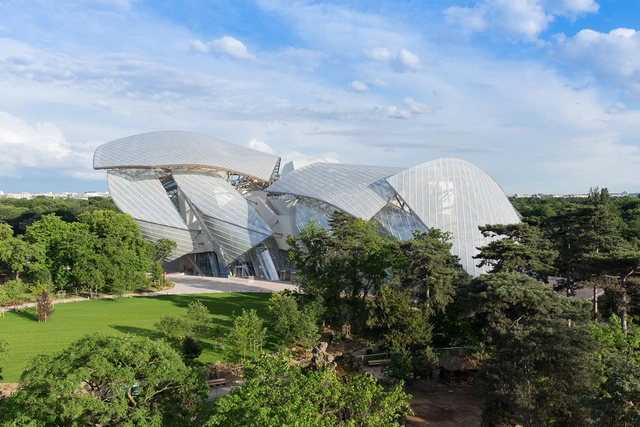
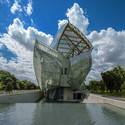
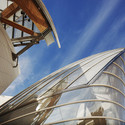
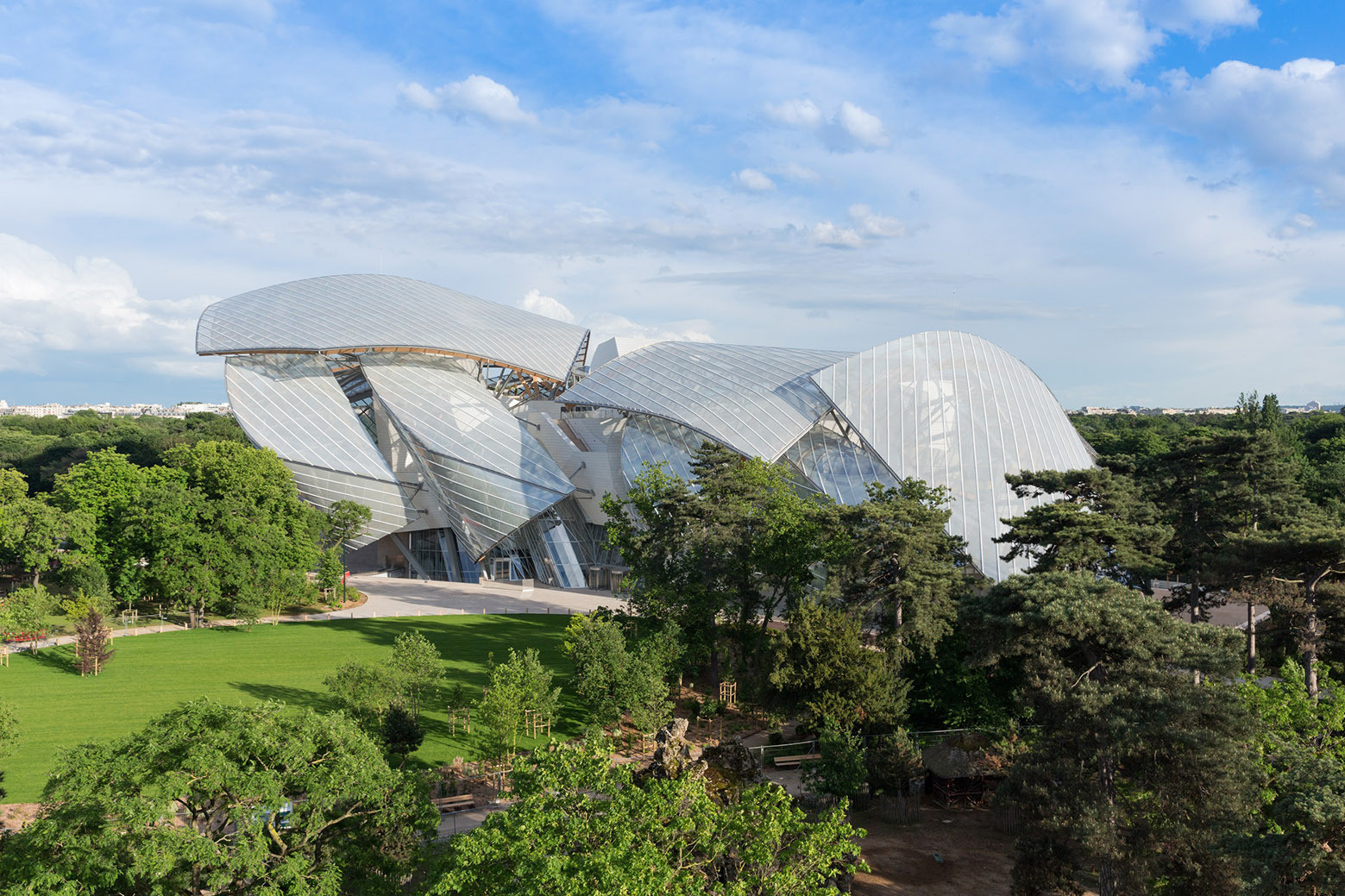
The people behind Frank Gehry's Fondation Louis Vuitton (FLV) in Paris, which is set to officially open on the 27th October 2014, recently invited a band of architecture critics to take a look around and pen their thoughts. Gehry's bold approach to architectural form, most evident in buildings like the Guggenheim Museum in Bilbao and the Walt Disney Concert Hall in LA, matches the foundation's aim to "promote and support contemporary and artistic creation" in France. According to their website, they in particular embody "a passion for artistic freedom." How, then, has the enormous sailed structure, challenged by local opposition from the outset, settled into its Parisian parkland surroundings?
See what The Guardian's Oliver Wainwright, The Observer's Rowan Moore, Vanity Fair's Paul Goldberger, The LA Times' Christopher Hawthorne, as well as the Architectural Digests' Mayer Rus, had to say about Gehry's latest completed building after the break.
https://www.archdaily.com/559473/gehry-s-fondation-louis-vuitton-in-paris-the-critics-respondJames Taylor-Foster
Call For Proposals: Hello Nature!
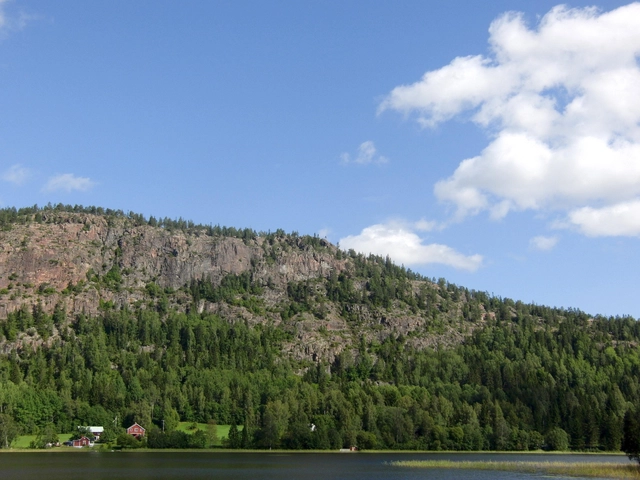
Combo Competitions' latest ideas challenge, entitled Hello Nature!, centres on a site located in northern Sweden at the foot of a mountain (Omneberget), sat within an area called the High Coast (Höga Kusten) - which is also a UNESCO World Heritage Site. This competition is looking for "structures that celebrate nature", which also involve elements of "both education and recreation, or - if you prefer - business and pleasure." The wider question the competition poses is whether or not architecture can encourage involvement with nature. Previous Combo Competitions have included the London Cinema Challenge and Faith! A Place of Worship in London, both of which attracted a number of high quality proposals.
https://www.archdaily.com/559382/call-for-proposals-hello-natureJames Taylor-Foster
Haworth Tompkins: Who Are The 2014 RIBA Stirling Prize Winners?
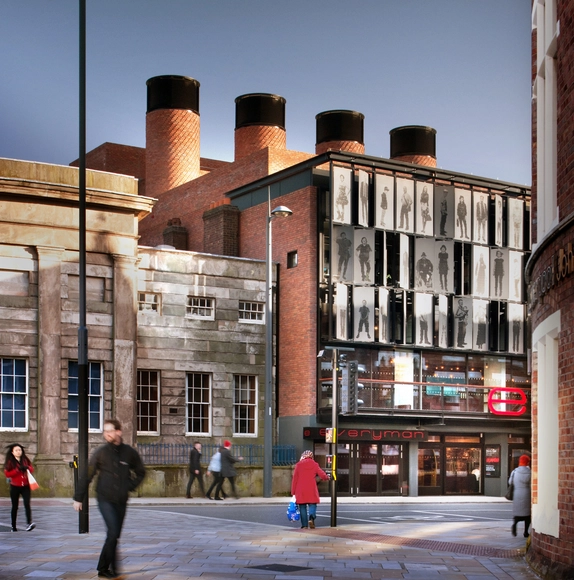
This year's RIBA Stirling Prize shortlist was seen by many as the strongest in years. The practice who emerged victorious, beating off competition from internationally recognised practices including Zaha Hadid Architects, Renzo Piano Building Workshop, Mecanoo, O’Donnell + Tuomey and Feilden Clegg Bradley, was Haworth Tompkins: but who exactly are they? Ellis Woodman pinned his hopes on the successful Everyman Theatre before the award was announced, uncovering the practice's rich history in designing performance spaces through a discussion with founding partner, Steve Tompkins. For Woodman, their theatre work "has left a legacy of spaces that count among the most beautiful and provocative created in Britain over the past twenty years."
https://www.archdaily.com/558953/haworth-tompkins-who-are-the-2014-riba-stirling-prize-winnersJames Taylor-Foster
Autodesk Launches AutoCAD 2015 For Mac


This week Autodesk launched the latest (2015) release of AutoCAD for Mac, featuring a number of enhancements that seek to bring new improvements to the drafting and design software package without sacrificing important functionality, key to people's everyday design workflows. According to Amy Bunszel, VP of AutoCAD, "this release has some rich new features but, at its core, is about eliminating dead ends that prevent people from being as effective as they can be when working together on design projects." For example, users can also share their work with colleagues that are using Windows versions of the software for uninterrupted collaboration.
See the new features in full after the break...
https://www.archdaily.com/557645/autodesk-launches-autocad-2015-for-macJames Taylor-Foster
5-Axis Milling: The Next Level In Accessible, Versatile Digital Fabrication
The 5AXISMAKER is a desktop 5-axis multi-fabrication CNC machine that hopes to expand the possibilities of digital fabrication by making it cheap and more versatile. Should the project receive backing on Kickstarter before the 27th October 2014, the possibility of 5-axis milling will become an affordable reality for manufacturing complex design prototypes. The product in development "provides a large cutting volume for it’s size, therefore producing "generously sized objects." Developed by graduates of London's Architectural Association, they hope to "shake the manufacturing world with new ways of fabricating using industrial robots right at your desk."
https://www.archdaily.com/557255/5-axis-milling-the-next-level-in-accessible-versatile-digital-fabricationJames Taylor-Foster
'People's Palaces': Behind The Scenes at Mecanoo's Upcoming Exhibition in Berlin
Mecanoo have shared with us a behind the scenes look at their upcoming exhibition at Berlin's Aedes Architecture Forum, entitled People's Palaces. Presenting some of the Dutch practice's recent public buildings, such as the 2014 RIBA Stirling Prize nominated Library of Birmingham and the Maritime and Beachcombers Museum in Texel, the Netherlands, the timing of the exhibition also celebrates the company's 30th anniversary. Founded in 1984, Mecanoo continues to develop a strong reputation for libraries, as well as cultural spaces and performance venues. This exhibition specifically traces the impact of Mecanoo’s public buildings on local communities.
https://www.archdaily.com/557191/people-s-palaces-behind-the-scenes-at-mecanoo-s-upcoming-exhibition-in-berlinJames Taylor-Foster
Daniel Libeskind Reflects On Designing Buildings With 'Emotional Weight'

In an interview with Shaunacy Ferro for FastCo Design, Daniel Libeskind looks back over his built works and discusses the significant 'emotional weight' imbued in many of his projects, from the Jewish Museum in Berlin to his masterplan for Ground Zero in New York City. When asked why he continually returns to projects such as Holocaust memorials - with the Canadian National Holocaust Memorial currently underway in Ottawa - Libeskind stated: "It’s not something that I choose very lightly, because it’s very difficult, but I believe that it’s very important." For him, creating these monuments is part of the act of doing "something that moves us beyond just the darkness and gives us something positive. [...] Even when it comes to the memory, you can’t just dwell on the irreversibility of the tragedy. You have to have something hopeful."
https://www.archdaily.com/556583/daniel-libeskind-reflects-on-designing-buildings-with-emotional-weightJames Taylor-Foster
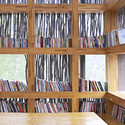
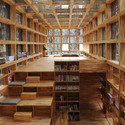
Li Xiaodong Wins The Inaugural Moriyama RAIC International Prize
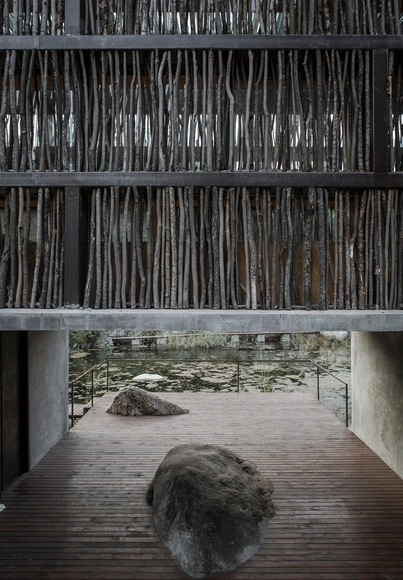
The Royal Architecture Institute of Canada (RAIC) have announced that Li Xiaodong has been awarded the inaugural Moriyama International Prize, named after esteemed Canadian architect Raymond Moriyama. The prize, which comes with a monetary value of CAD$100,000, has been established to recognise buildings that are judged to be "transformative, inspired as well as inspiring, and emblematic of the human values of respect and inclusiveness."
The jury deliberated projects submitted from nine countries: Canada, China, France, Germany, Israel, Japan, South Korea, the United Kingdom and Tajikistan. According to the citation, the jury was "impressed by the breadth of international interest in the prize and encouraged by the high level of engagement with the aims and objectives of the program revealed in the submissions." The prize is open to all architects irrespective of nationality and location and seeks to recognise a single work of architecture (as opposed to a life’s work), celebrating buildings in use.

https://www.archdaily.com/556318/li-xiaodong-wins-the-inaugural-moriyama-raic-international-prizeJames Taylor-Foster
Renzo Piano Comments on the Difficulties of Designing LA's Motion Picture Academy
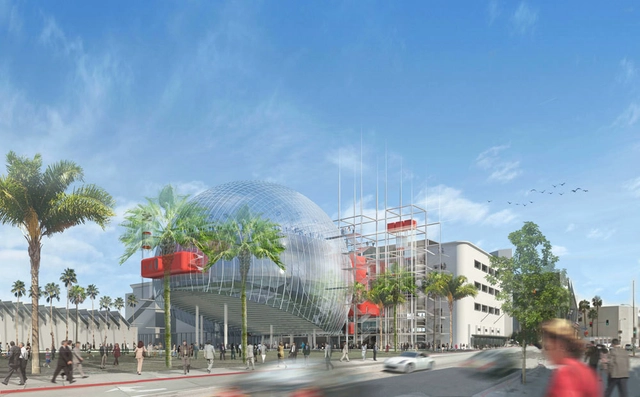
In discussion with Christopher Hawthorne of the LA Times, Renzo Piano has taken his comments of modesty - verging on "self-deprecation" - to a new level. In response to questions about the design of the proposed Motion Picture Academy in Los Angeles he has said: "I don't think it will be that bad. [...] Actually, I'm struggling to do something good." Although Piano's design has previously been met with criticisms from Hawthorne, the Italian architect notes in this latest interview that "everything we've made at LACMA has been extremely complicated." The project, which has already seen a major alteration in the core design team, remains set to complete in 2015.
https://www.archdaily.com/555118/renzo-piano-comments-on-the-difficulties-of-designing-la-s-motion-picture-academyJames Taylor-Foster
'Departed': An Exploration of 20th Century Modernism

The Modernist is a quarterly journal dedicated to 20th century modernist architecture and design. Published in Manchester - one of the cultural capitals of the North of England - and featuring an esteemed roster of writers and contributors from across the United Kingdom, the journal has been described by James Pallister of the Architects' Journal as, in spite of its subject matter, "free from the strait-laced rigour of classic graphic design modernism." Twelve issues later and the liberal, playfully academic tone of this digestible journal has been maintained in this latest incarnation, Departed.
https://www.archdaily.com/554742/review-the-modernist-12-departedJames Taylor-Foster
Pier Vittorio Aureli to Exhibit 30 'Non-Compositional' Drawings in London
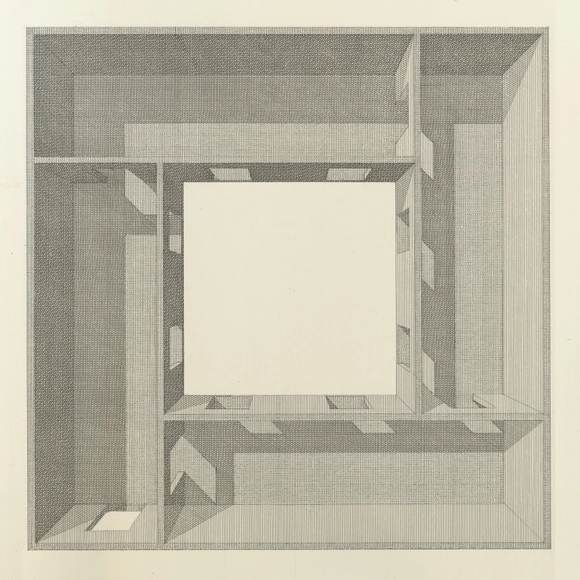
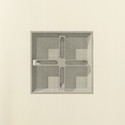
Pier Vittorio Aureli's collection of thirty 'non-compositional' drawings, exhibited as part of a series entitled The Marriage of Reason and Squalor, will open at London's Betts Project architecture gallery tomorrow (8th October 2014). The drawings, in development since 2001, are part of an ongoing investigation into "what, in the absence of a better definition, Aureli has described as ‘non-compositional architecture’." This term, referring to the work of art historian Yve-Alain Bois who was himself prompted by the ambitions of the constructivist artist Alexander Rodchenko, is used to describe works that "aspire to the abandonment of composition and even the self of the artist." This will be Aureli's second recent exhibition in London following Dogma: 11 Projects, which was presented at London's Architectural Association in 2013.




https://www.archdaily.com/553868/pier-vittorio-aureli-to-exhibit-30-drawings-in-londonJames Taylor-Foster