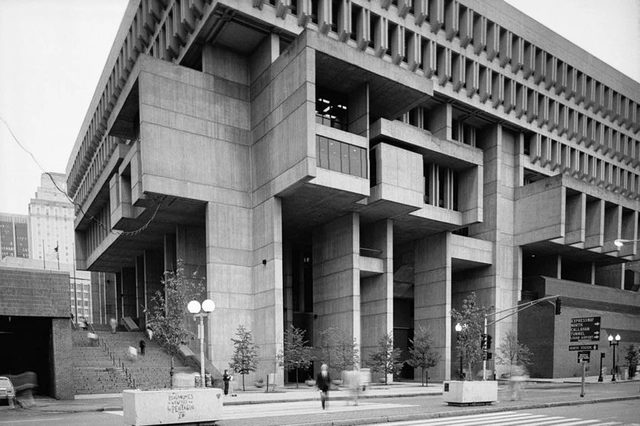
Boston City Hall. Image Courtesy of Kallmann, McKinnell, & Knowles
Michael McKinnell, a British-born American architect, known for his work on the acclaimed Boston’s Brutalist City Hall, and co-founder of the Kallmann McKinnell & Wood architectural design firm, has passed away on March 27, 2020, at the age of 84, from COVID-19-induced pneumonia.
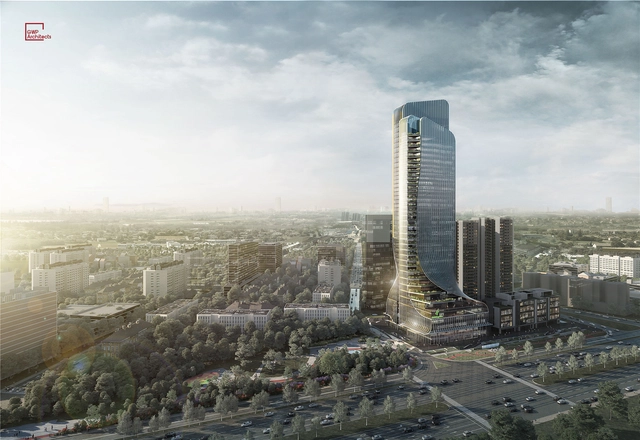
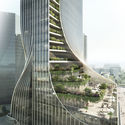
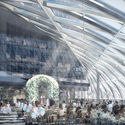
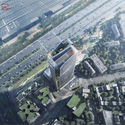
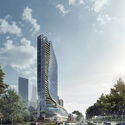
GWP Architects imagined a mixed-use development tower, reaching a height of 200 meters with a total construction area of approximately 81,000 square meters. Located in Guangzhou, the project entitled Fengsheng 101, includes hotels, offices, apartments, and commercial stores.
Reparametrize Studio has followed up their ongoing research “Re-Coding Post-War Syria”, with a project that focuses on analyzing the damaged fabric of post-war cities through 3D scanning technologies. Taking a Street in Zamalka Town in Damascus, Syria as a case study, the investigation can distinguish the areas in need of reconstruction from the areas in useful conditions.
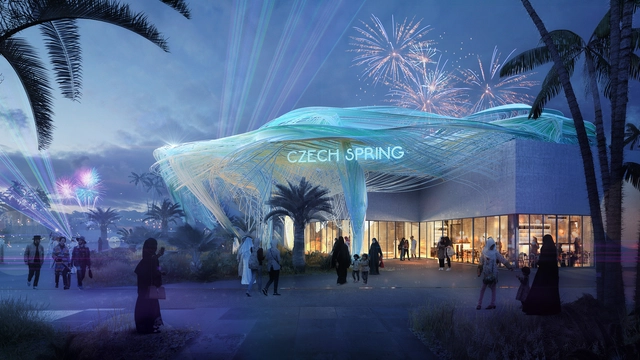
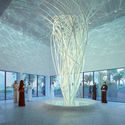
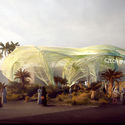
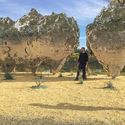
Located in the sustainability zone of EXPO 2020 Dubai, the Czech pavilion, designed by Formosa AA and R/FRM, is an invitation for discovery. Raising questions concerning desert cultivation, it integrates and exposes the S.A.W.E.R. system cultivation plant. Visible technologies form the main formal and visual components of the pavilion.
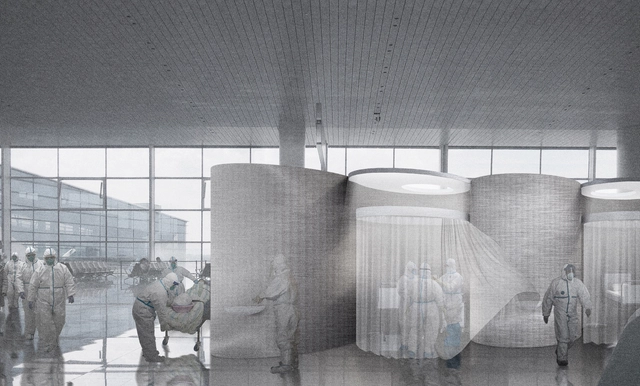
Opposite Office has proposed to transform the new Berlin airport, under construction since 2006, into a “Superhospital” for coronavirus patients. In an attempt to prepare the healthcare system and increase its capabilities, Opposite Office presented an adaptive reuse alternative, drawing contextual solutions to fight the pandemic.
In light of the coronavirus pandemic affecting the entire world, the board of the Salone del Mobile. Milano has decided to postpone the 2020 edition of the annual fair until next year. The international event will, therefore, take place from the 13th to the 18th of April 2021.
Design and the City is a podcast by reSITE, raising questions and proposing solutions for the city of the future. In the seventh episode, Christopher Cabaldon, the longest-serving mayor in West Sacramento’s history, an LGBTQ+advocate, talks about the urban regeneration of his city, from a former industrial town to an urbanized, livable community.
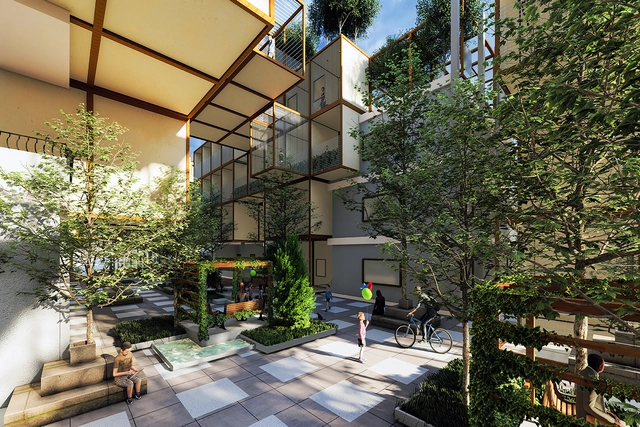
Focusing on competition entries, this week’s curated selection of the best-unbuilt architecture from our readers' submissions, highlights projects from across the globe, presented part of international contests. Some are winners, some are not but all of the featured schemes have an intriguing conceptual approach, and a different story to tell.
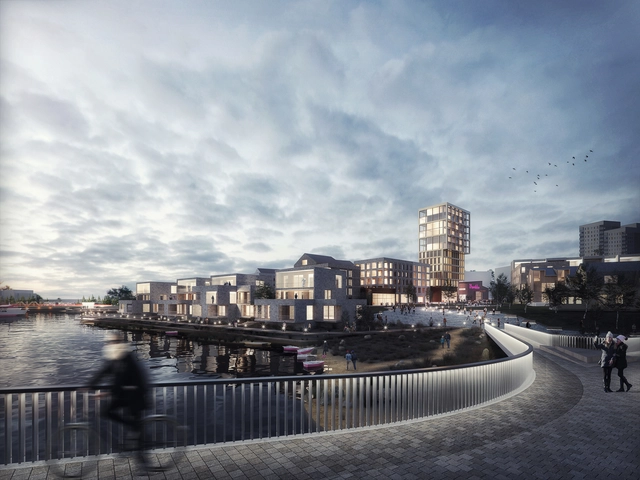
Tackling diverse programming, the entries include an urban public housing proposal in South Korea, the Dianju Village Library in China and a new Future-Oriented Neighborhood in Finland combining urban and sustainable living. Moreover, the article showcases rare and unconventional functions like a hospital for psychiatry & neurological diseases in Turkey and an intervention on a famed Oscar Niemeyer site.
Renowned architect, urbanist and writer, Michael Sorkin has passed away on the 26th of March, in Manhattan due to complications resulting from COVID-19. Principal and founder of Michael Sorkin Studios and president of the non-profit research group Terreform, Sorkin was famous for his writings for the Village Voice, the Nation, and many other publications.
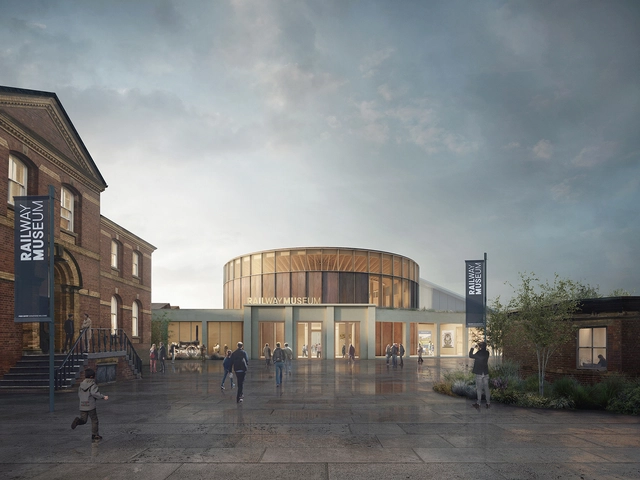
London-based architecture practice Feilden Fowles has won the international design competition to create the National RailwayMuseum’s new Central Hall. Beating 75 others to the commission, the team will transform the visitor’s experience and integrate a new exhibition gallery, by 2025, in time for the museum’s 50th anniversary.
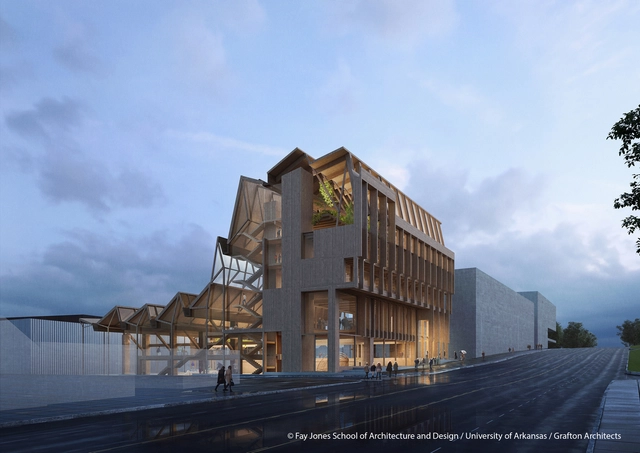
Courtesy of Fay Jones School of Architecture and Design, University of Arkansas / Grafton Architects
Grafton Architects was selected as the winning firm to design the Anthony Timberlands Center for Design and Materials Innovation at the University of Arkansas. In collaboration with Modus Studio for the planned campus design research center, the design on the project is scheduled to begin this summer.
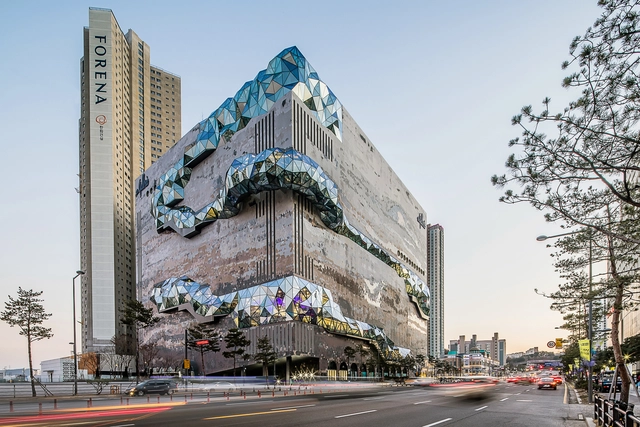
Designed by OMA / Chris van Duijn, the Department Store Galleria in Gwanggyo, south of Seoul has just opened. The store’s sixth branch is located at the center of the relatively young and new urban development.
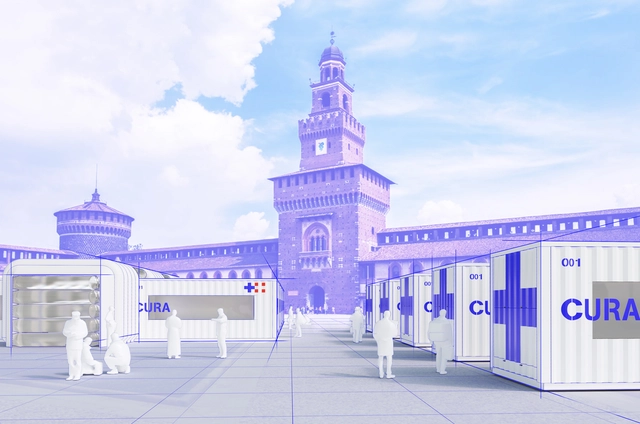
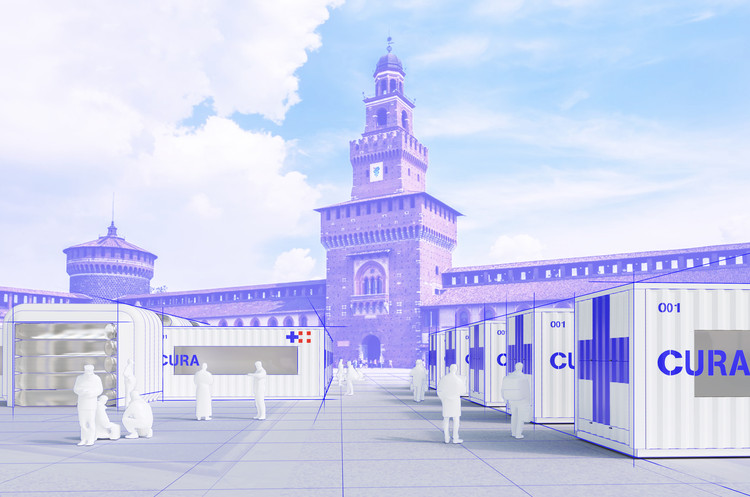
Courtesy of CURA/ CRA-Carlo Ratti Associati with Italo Rota
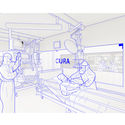
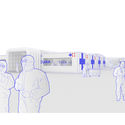
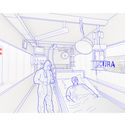
CRA-Carlo Ratti Associati with Italo Rota in collaboration with an international team of experts developed CURA (Connected Units for Respiratory Ailments), plug-in Intensive-Care Pods for the COVID-19 pandemic. An open-source design for emergency hospitals, the project’s first unit is currently under construction in Milan, Italy.
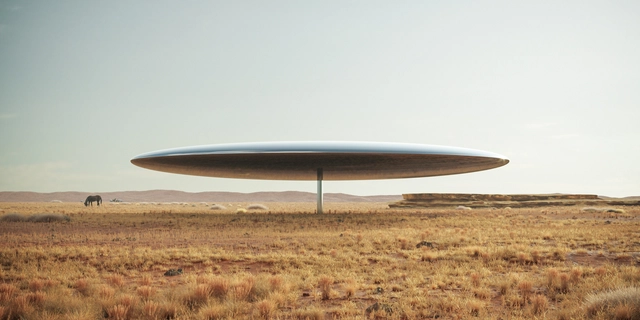
Citizens of Earth is a conceptual proposal by Marc Thorpe Design for the city of Marfa in Texas. Located 20 miles outside of the city on the border of Mexico and the United States, the installation aims to “question the value of international borders within the context of the 21st century”.
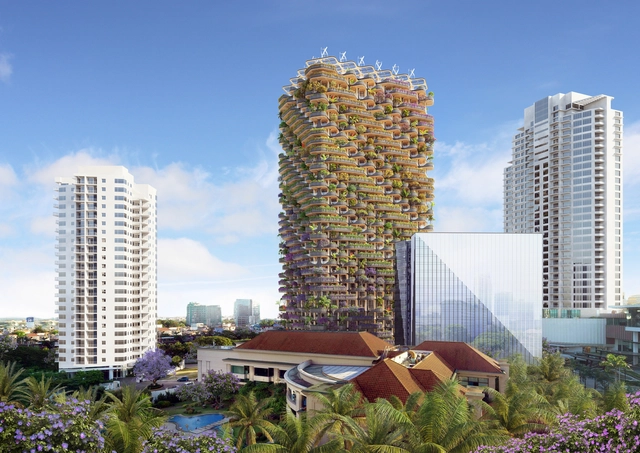
Vincent Callebaut Architectures has imagined The Rainbow Tree, a modular mass timber condominium tower in Cebu City, Philippines. Revealing the cultural and natural Filipino heritage, the project, named after an iconic and colorful tree from the Philippines the Rainbow Eucalyptus, was entirely conceived in a way to reduce the carbon footprint of the building.
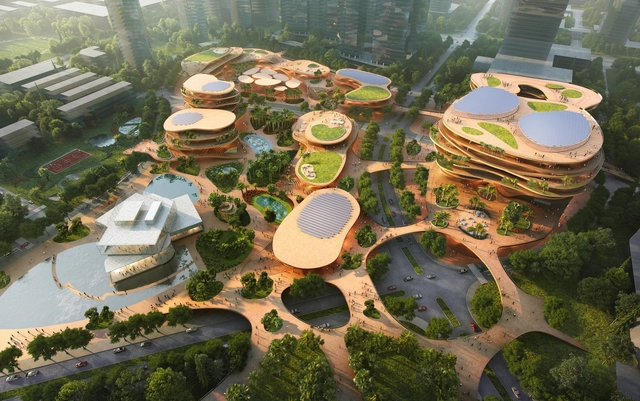
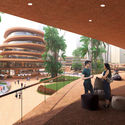
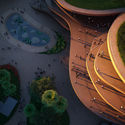
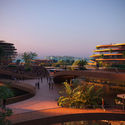
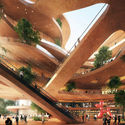
MVRDV’ s entry, Shenzhen Terraces, has been selected from 27 projects as the winner in a competition to design a 101,300-square-metre mixed-use Shimao ShenKong International Center. The multi-level urban living room is located in Universiade New Town, Longgang District, Shenzhen, China.
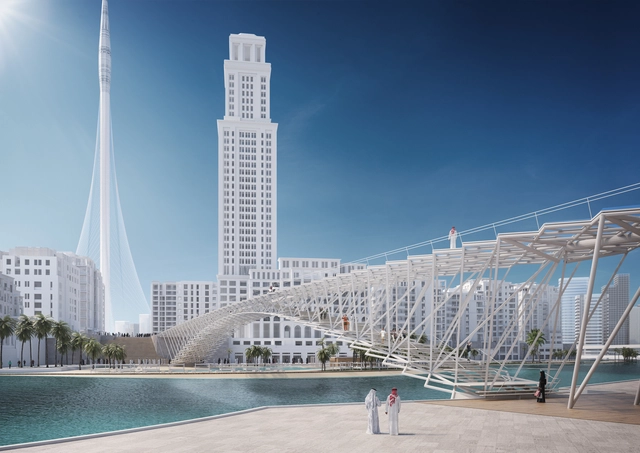
IJP Architects and structural engineers AKT II unveil their concept design for a new 230m Dubai Creek Harbour Central Footbridge, after a 2019 competition. Commissioned by Emaar, the project will connect the soon to be world’s tallest tower, the Dubai Creek Tower and Dubai Creek Harbour.
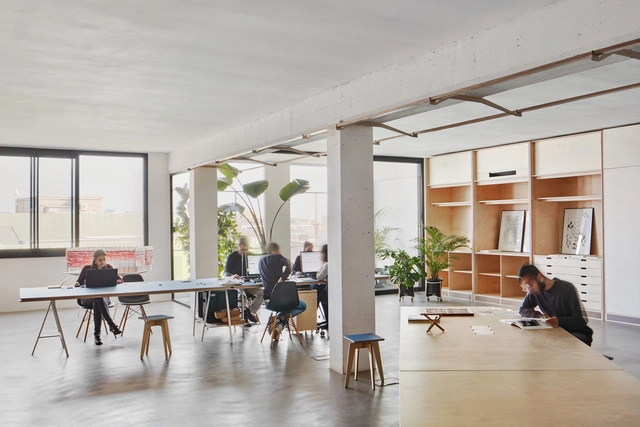
With most of our lives spent indoors, the space we occupy has a major role in our psychological behavior. Environmental psychology or Space psychology is, in fact, the interaction between people and the spaces they inhabit. Lighting, colors, configuration, scale, proportions, acoustics, and materials address the senses of the individual and generate a spectrum of feelings and practices.
From inducing warmth and safety, defining well-being, or creating a positive and efficient working environment, space can have a whole lot of impact on how we act or on what we feel; therefore, design and creative measures should be considered according to the social and psychological needs of the occupants.








.jpg?1585554699&format=webp&width=640&height=580)
JakubCervenka_1_(481_of_589).jpg?1585311385&format=webp&width=640&height=580)


JakubCervenka_1_(481_of_589).jpg?1585311385)