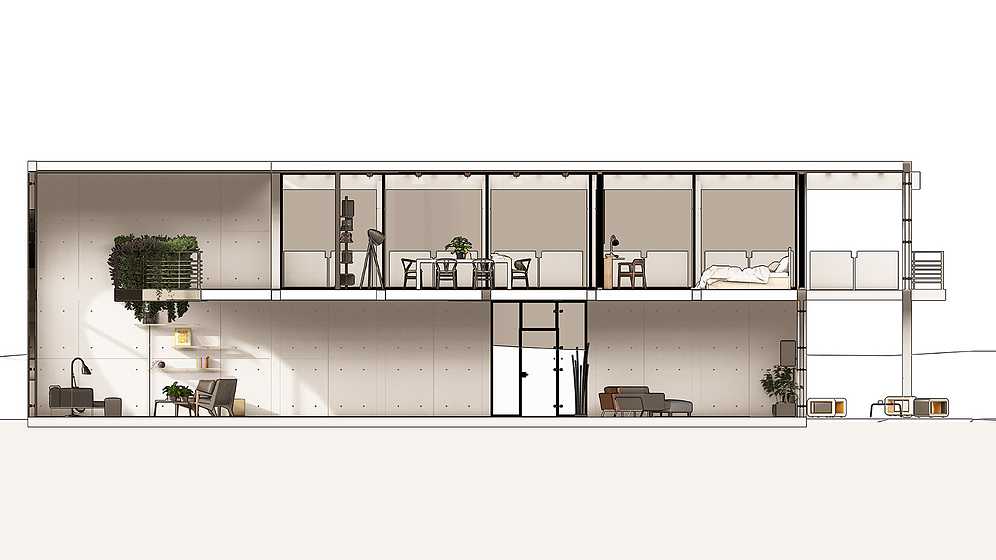
Produce personalized presentation boards that distill complex concepts into simple visual representations with a few helpful tools and effects.


Produce personalized presentation boards that distill complex concepts into simple visual representations with a few helpful tools and effects.
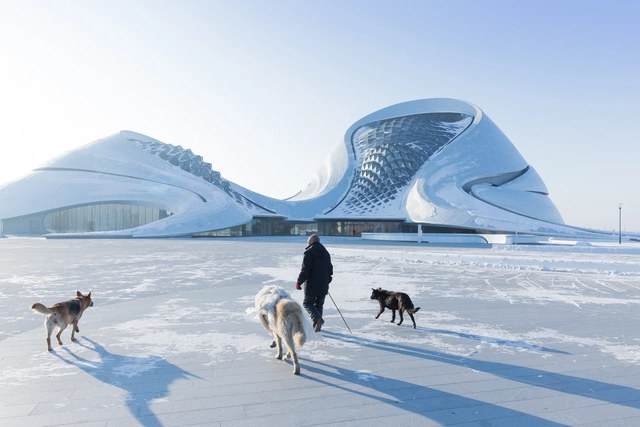
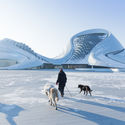
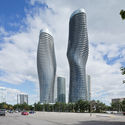
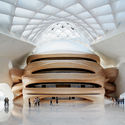
Founder of the innovative architecture firm MAD Architects, Ma Yansong (born 26 November 1975) has helped to give China a name in the international architecture scene. The first Chinese architect to receive a RIBA fellowship, Ma explores contemporary architecture in relation to traditional eastern values of nature, resulting in buildings that are complex and contextually aware, but sometimes even surreal.
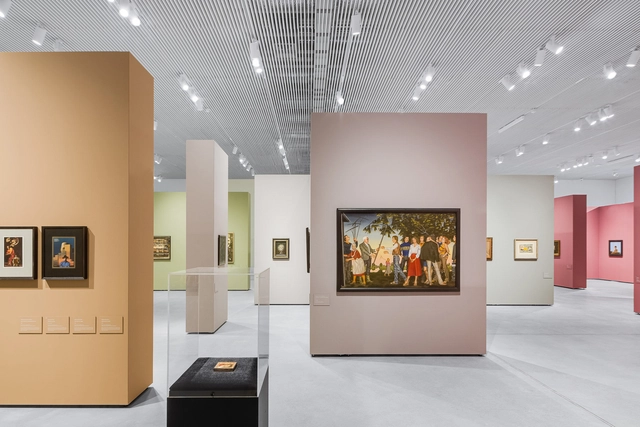
Choosing the right lighting for any space can be a complex decision. Considerations need to be made with respect to the purpose, form and function of the lighting application. Design and aesthetics also play a role in the equation. With so many options for lighting on the market, it takes specialized knowledge and understanding to determine the best fit for your space. Even more challenging than finding lighting for a generic space, an art gallery or museum application can be difficult and even overwhelming to light properly. LED lighting has simplified a large chunk of lighting for art display.

Up until now, space architecture has been mainly focused on engineering, centered on projects like orbital space stations or Martian exploration convoys, commissioned by world space agencies such as ESA (Europe) or NASA (USA). But in recent years, an increasingly broader spectrum of professionals (e.g. architects, sociologists) as well as entrepreneurs and investors (not all well intentioned) have joined the challenge of designing extraterrestrial built environments, the new space race of the 21st century.
The fast development of technology, the increase of world population and the climate change crisis create the perfect setting to think about life outside of our planet, and as these trends continue to evolve and converge, new opportunities to explore options beyond our traditional limits appear (NEOM), as well as new organizations which support this research (like SATC, SICSA). Even though no one is currently on Mars, many ongoing projects and simulations (MARS-ONE, Mars City Science) are already exploring how we will design, build and inhabit the new realms of humanity in outer space.

In some theoretical books, architecture and the human body are more or less the same, each depending on one another. Oftentimes, however, it is the body that undergoes detrimental adjustments to adapt to the architecture, not the other way around.
In the newly released book X-Ray Architecture, architectural historian Beatriz Colomina argues that health facilities inspired modern architecture's most dominant formal signatures.


The Midnight Charette is an explicit podcast about design, architecture, and the everyday. Hosted by architectural designers David Lee and Marina Bourderonnet, it features a variety of creative professionals in unscripted conversations that allow for thoughtful takes and personal discussions. A wide array of subjects are covered with honesty and humor: some episodes provide useful tips for designers, while others are project reviews, interviews, or explorations of everyday life and design. The Midnight Charette is also available on iTunes, Spotify, and YouTube.

This week Architects David Lee and Marina Bourderonnet discuss strategies for acing your job interview! The two answer questions from callers and discuss preparation, the essential mentalities to have, talking and behavior tactics, what to bring and wear, asking for the right salary, finding out what the interviewers are looking for in the interviewees, and closing the interview. Call or text their Design Companion Hotline to ask your questions or to share your stories at 213-222-6950.
.jpg?1574409398&format=webp&width=640&height=580)
OPEN Architecture’s anticipated project Chapel of Sound has finally topped out on November 15th with the pouring of its broad concrete roof.
The project, which is expected to open in the summer of 2020, includes a semi-outdoor amphitheater, an outdoor stage, and viewing platforms, overlooking the mountainous rural area of the Jinshanling Great Wall.

.jpg?1574409412 "© OPEN")
.jpg?1574409426 "© OPEN")
.jpg?1574409438 "© OPEN")
.jpg?1574409398)
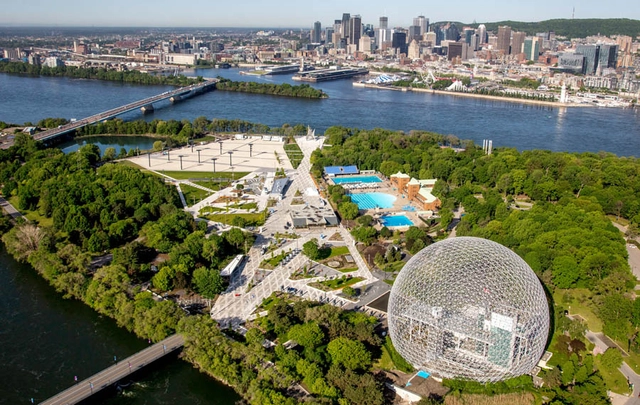
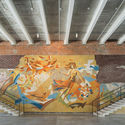
Encompassing a Buckminster Fuller–designed geodesic dome and an Alexander Calder sculpture, the intervention shows how the city is rethinking its world’s fair treasures.
The contemporary urban fabric of Montreal, perhaps more than any other Canadian city, was shaped by a single event in its modern history: the 1967 International and Universal Exposition, popularly known as Expo 67. With its record-breaking number of visitors, it was the most successful world’s fair of the 20th century and fueled a construction boom in the city that stretched into the late 1970s.
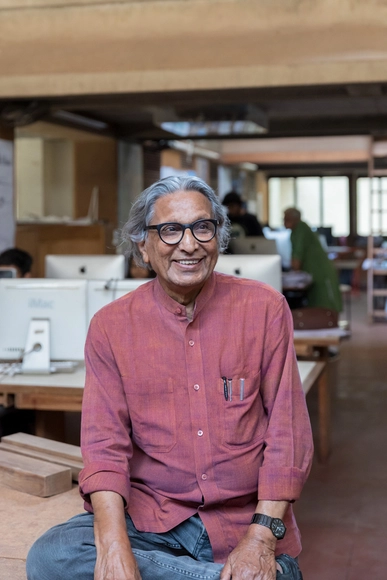
India’s uprising from a dependent to an independent governance altered the way it was perceived by the world. The country’s evolution left architects and urban developers with important questions: How can they solve the economic and environmental disparities in India, and how can they implement an understanding in people about the potential of what they can achieve with their country’s culture and resources.
In a new extensive video interview by Louisiana Channel, Indian Pritzker Prize-winner Balkrishna Doshi narrates how he became an award-winning architect, his traditional Hindu beliefs and culture, and India’s juxtaposition of having nothing to keeping up with a world that is creating everything.
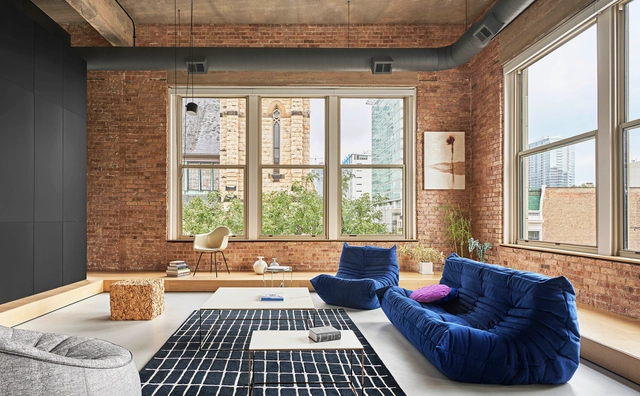
Building Information Modeling (BIM) is an increasingly common acronym among architects. Most offices and professionals are already migrating or planning to switch to this system, which represents digitally the physical and functional characteristics of a building, integrating various information about all components present in a project. Through BIM software it is possible to digitally create one or more accurate virtual models of a building, which provides greater cost control and efficiency in the work. It is also possible to simulate the building, understanding its behavior before the start of construction and supporting the project throughout its phases, including after construction or dismantling and demolition.
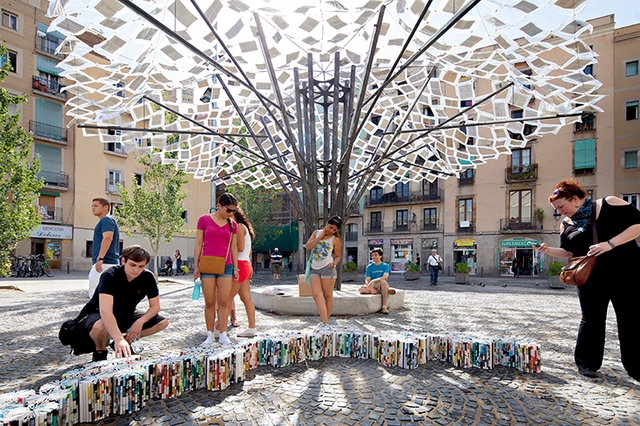
Wherever there is a center, there is by necessity a periphery. This in itself should not generate any headlines; we live in a world of centers, and peripheries that continually stretch those centers, whether it be politics, countries, or societal norms. It also applies to architectural practice. In a complex, interconnected world, members of the architectural profession around the world are constantly expanding into new peripheries, generating new visions for how practice should operate, influenced by technological, political, cultural, and environmental changes.
.jpg?1573123210&format=webp&width=640&height=580)
In recent years, people started to regain interest in a movement that dates back to the last century; a movement, first introduced during the 1940s and 1950s, through the works of Le Corbusier and Alison and Peter Smithson. With monolithic structures, modular shapes, and impressive massing, Brutalism highlights architectural integrity. This movement is highly characterized by rough, raw, and pure surfaces that underline the essence of the substances in question. Spread across the globe, architects have adopted and developed their own vision of this modern movement, creating contextual variations.
In the midst of all the chaos currently taking place in the city of Beirut, we look back on the Lebanese capital’s hidden Brutalist gems. To shed the light on a movement that's often neglected and forgotten, Architect Hadi Mroue created a series of images that highlight the Lebanese Brutalism movement as well as its evolution as an important part of the Lebanese modern heritage.
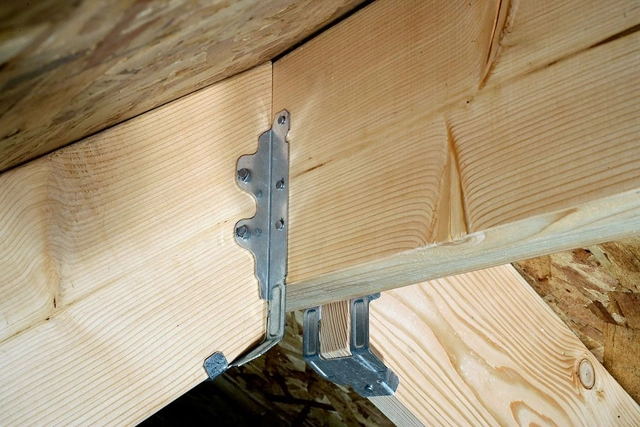
Wood is a very easy-to-work material, allowing professional and amateur builders to manufacture simple objects and structures without major problems. However, when thinking about larger-scale housing or buildings, it's important to take certain precautions that ensure good quality and good construction behavior. To this end, it's essential to evaluate every project and analyze which connection system best suits its structural and aesthetic needs.
We spoke with the experts of Simpson Strong Tie, a leading company in structural connectors, anchors, and fastening systems, to learn more about these topics. Here are six important lessons and tips for building safer and more resistant wooden houses and buildings.
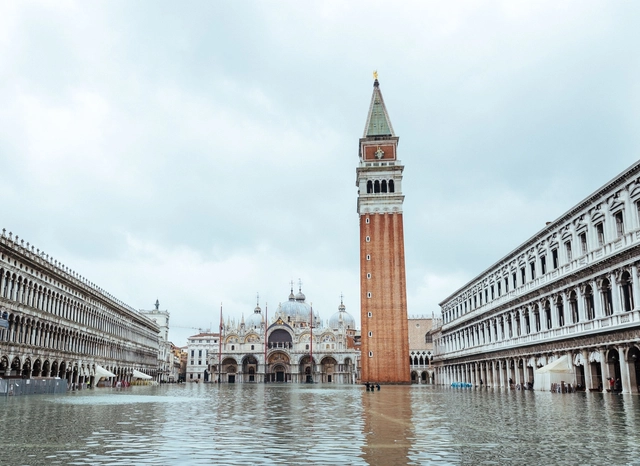
Throughout November 2019, Venice has been inundated with the city's worst floods in half a century. Photographs and videos spread across the world showing the city’s iconic St Mark’s Square underwater, with a 2-meter-high surge threatening irreparable damage to historic sites such as Saint Mark’s Basilica. While the city has been battling rising water levels since the 5th century, the recent floods, set against the context of climate change, have spurred debate about how coastal cities are vulnerable to rising sea levels, and how the damage can be mitigated against.
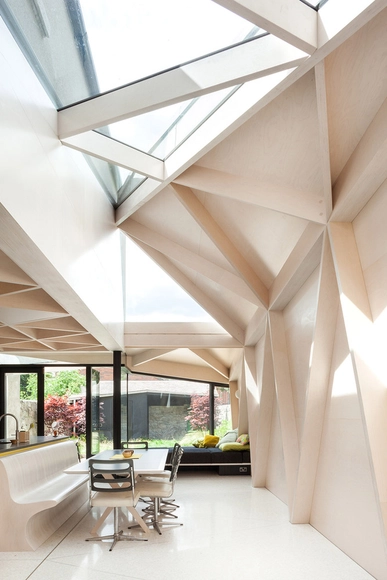
Glued Laminated Wood (Glulam) is a structural material manufactured through the union of individual wood segments. When glued with industrial adhesives (usually Melamine or Polyurethane resin adhesives), this type of wood is highly durable and moisture resistant, capable of generating large pieces and unique shapes.
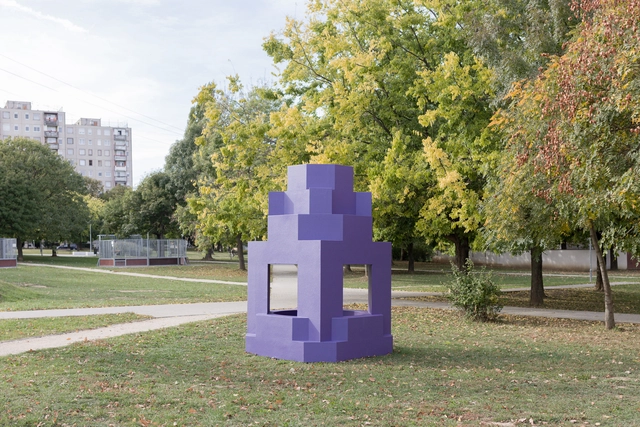
The Haszkovó housing estate in the city of Veszprém, Hungary has been seen as a failed urban development: "grey, sad, and soulless". However, this cold structure managed to shelter 20,000 inhabitants within its walls, standing as a "real city" within the area.
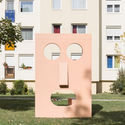
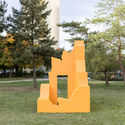
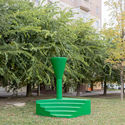
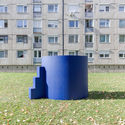
On the occasion of Veszprém Design Week, a collaborative project by five renowned architects and architecture studios: Edward Crooks, Point Supreme, Supervoid, MAIO, and Paradigma Ariadné, invited the visitors to change the perception and current state of Haszkovó, by creating five vibrant, portable, and durable urban artifacts.

This article was originally published on Common Edge.

To its great credit, the American Institute of Architects recently denounced the Trump administration’s decision to formally withdraw from the Paris Climate Agreement. This may put the professional organization on the right side of history, but it’s unlikely to sway any hardened hearts and minds in Washington. Obviously, the executive branch is worse than useless on this issue: not just an impediment to change, but a malevolent force for willful inaction. It’s hard to see it as anything less than an enemy of the climate.

Most architects can agree that they would prefer to spend more time designing and less time managing. Management is a vital role architects play, yet increased efficiency is always valuable. Whether it involves coordinating consultants or ensuring a job site is progressing to meet the contract documents, architects are in charge of orchestrating many moving parts throughout the life of a project. With an app like Archireport, architects can keep track of projects in the office or on site, wherever the work day may lead.
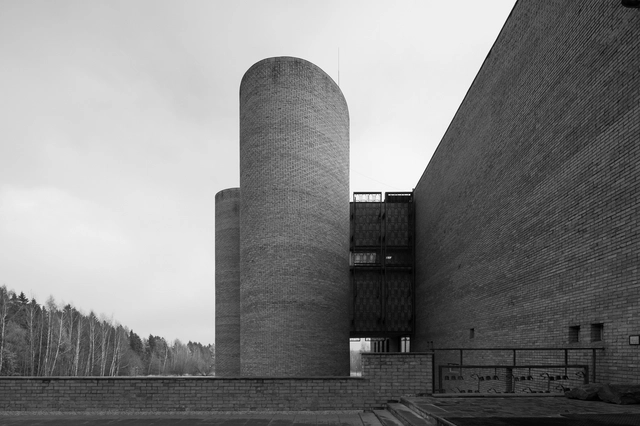
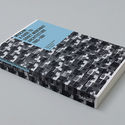
After the success of the original guide-book on underrated Soviet architecture, Garage Museum of Contemporary Art is publishing an English version of the bestselling guide: Moscow: A Guide to Soviet Modernist Architecture 1955–1991 in a new digitalized format with six new chapters.
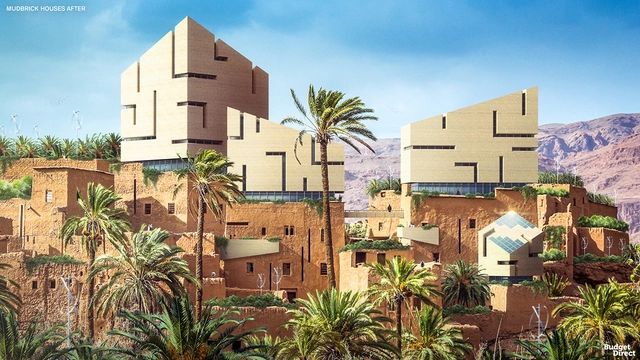
The history of the spaces presents an important diversity throughout the world, which corresponds to different geographical, economic and cultural moments and conditions. Technology plays an important role since the constructions through which time has passed also work with a kind of sample that breaks down all the advances and ambitions in force of the time, leaving reflections that it are important to keep today.
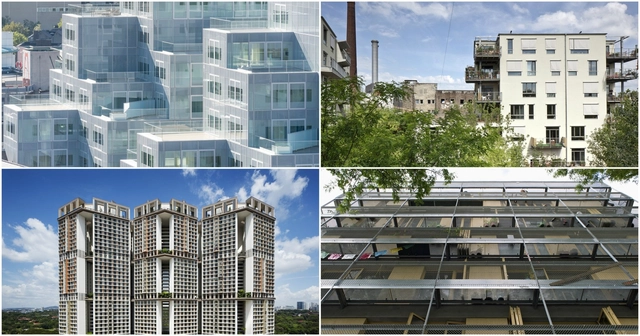
The challenges associated with the provision of adequate and affordable housing around the world demand that architects respond with original solutions that challenge traditional building forms, typologies and methods of delivery.
PLANE–SITE brought together the architects of four inventive housing projects. These projects represent a diversity of approaches to similar housing challenges across radically different global contexts. From the redensification of European urban centers to the rapid urbanization of the tropical Asian megacity, these radical housing models challenged existing paradigms in order to advance resident well-being as their principle design concern. In contrast to Schumacher’s divisive speech, the panel illustrated projects that were deliberately designed to promote community life and social interaction between residents – and in some cases also with other citizens in spaces that blur the line between public and private.
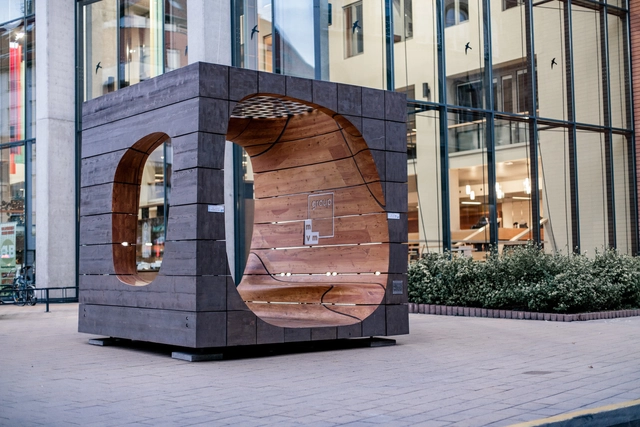
Architecture and design studio Hello Wood have created a line of "smart" outdoor furniture for educational institutes and public communal spaces. The two furniture pieces, Fluid Cube and City Snake, re-introduce modular public structures in a contemporary and sustainable way.
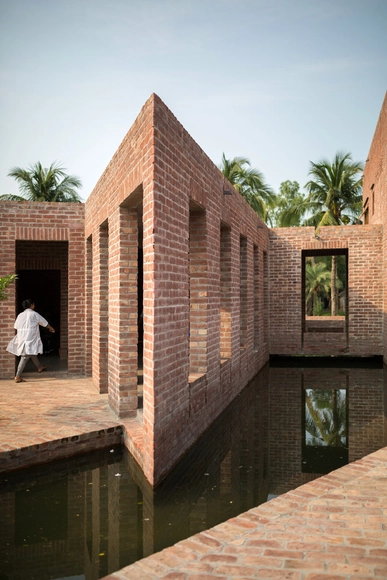
Automation is rapidly becoming a normalized part of many people’s daily lives and careers, a trend which has by no means evaded the construction industry. While this increasingly pervasive technology is often considered a symptom of the contemporary 21st century, however, one automated construction technology may have a history stretching as far back as the 1960s. This technology, the bricklaying robot, has transformed dramatically since its limited realization over 50 years ago, splintering into newer, more technologically advanced variations today.

This article was originally published on Common Edge.
Every field has its heroes. In architecture, heroic designers have often been celebrated both for their skills and as public personalities. Frank Lloyd Wright and Louis Kahn were icons in the 20th century. In the 21st, Zaha Hadid was as bold and evocative as her buildings, and she became a “starchitect” (to use the industry-specific parlance), her untimely death further elevating her to what-might-have-been status. But heroes are only human, and their deaths do not automatically convey a permanent place in the pantheon. They do, however, allow for a fresh perspective on the living.
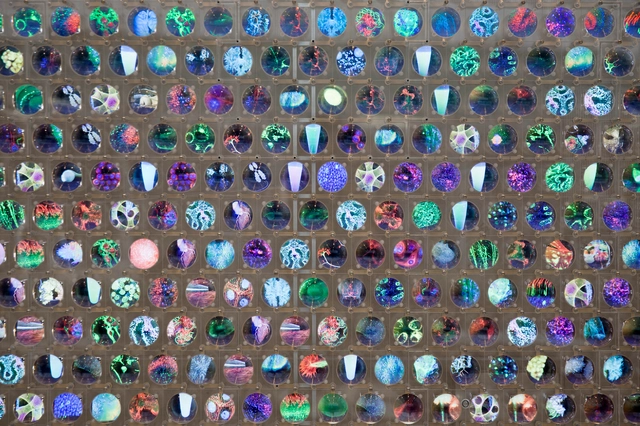
What happens when the sensor-imbued city acquires the ability to see – almost as if it had eyes? Ahead of the 2019 Shenzhen Biennale of Urbanism\Architecture (UABB), titled "Urban Interactions," ArchDaily is working with the curators of the "Eyes of the City" section at the Biennial to stimulate a discussion on how new technologies – and Artificial Intelligence in particular – might impact architecture and urban life. Here you can read the “Eyes of the City” curatorial statement by Carlo Ratti, the Politecnico di Torino and SCUT.
Media Architecture is a merging of new technologies and the built form in order to explore narrative and to imbue character, to engage people and create new dialogues through a layer of meaningful experience.
It isn’t a new concept - telling a story about a building through its form, particularly the facade of a building, has been around throughout history;- just think of York Minster’s stained glass windows, St Mark’s Basilica in Venice, and the Meenakshi Temple in Tamil Nadu. What is exciting now is the opportunities brought about by technology to create new narratives and new forms of human interaction.
_MAD_Architects.jpg?1479857306 "Courtesy of MAD Architects")










.jpg?1573485211 "The Roof House / MILODAMALO. Image © Ilya Ivanov")