

Produce personalized presentation boards that distill complex concepts into simple visual representations with a few helpful tools and effects.
Articles
How to Create Architectural Presentation Boards
| Sponsored Content
https://www.archdaily.comhttps://www.archdaily.com/catalog/us/products/37234/how-to-create-architectural-presentation-boards-lumion
What is Architecture? Thoughts from Yona Friedman, Bogdan & Van Broeck, MAD Architects, and AWP Architecture
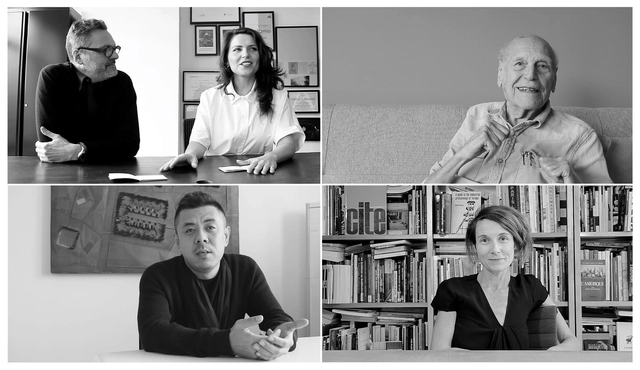
Simple in form but complex in substance, “What is Architecture?” remains an existential question for a lot of architecture students and young professionals. In an attempt to define this ever-changing interrogation and expose the different visions out there, the interview series: WIA – What is architecture? asks four, straightforward, questions to world-leading architectural designers and thinkers. Seeking to uncover their opinion on what architecture is and what it can do, these short videos reveal responses to “What is architecture? What can architecture do? What is your architectural position? and What is your design method?”.
ArchDaily has collaborated with WIA to release every week, 4 of these conversations, and to invite you to take on the challenge and answer these questions. The third article of the series presents the ideas and visions of Yona Friedman, Oana Bogdan, and Leo Van Broeck from Bogdan & Van Broeck, Ma Yansong from MAD Architects, and Alessandra Cianchetta from AWP Architecture.
https://www.archdaily.com/958704/what-is-architecture-thoughts-from-yona-friedman-bogdan-and-van-broeck-mad-architects-and-awp-architectureChristele Harrouk
Alex Proba on the Limitation and Possibilities of a Design Style and Blurring 2D and 3D Works
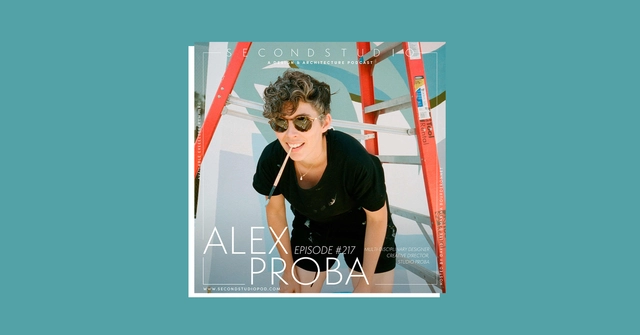
The Second Studio (formerly The Midnight Charette) is an explicit podcast about design, architecture, and the everyday. Hosted by Architects David Lee and Marina Bourderonnet, it features different creative professionals in unscripted conversations that allow for thoughtful takes and personal discussions.
A variety of subjects are covered with honesty and humor: some episodes are interviews, while others are tips for fellow designers, reviews of buildings and other projects, or casual explorations of everyday life and design. The Second Studio is also available on iTunes, Spotify, and YouTube.
This week David and Marina are joined by Alex Proba, Multi-Disciplinary Designer and Creative Director of Studio Proba to discuss her design process, finding her own style, the limitation and possibilities of a design style, blurring 2D and 3D works, spatial design, and much more. Enjoy!

https://www.archdaily.com/958824/alex-proba-on-the-limitation-and-possibilities-of-a-design-style-and-blurring-2d-and-3d-worksThe Second Studio Podcast
Analyzing the Architecture of Westworld – Season 1

This video explores how the settings and spaces in the first season of HBO’s Westworld contribute to the overall interpretation of the show. From the lawless town of Sweetwater, to the tightly controlled offices of Delos, Westworld uses architecture precisely to establish its intricate worlds. While the show is set within a theme park of the near future, books like Michael Sorkin’s Variation on a Theme Park argue that we are already treating the cities we live in — in real life — as theme parks. So, while Westworld shares a number of architectural strategies with places like Disneyland, it is also not too far away from places like Chicago, New York, or London. After all, it was the architect Charles Moore that declared Disneyland the most influential urban environment built after World War 2. Getting to the bottom of this rabbit hole includes lots of train rides and an introduction to Michel Foucault’s concept of heterotopia, which helps explain what happens when worlds collide.
https://www.archdaily.com/958814/analyzing-the-architecture-of-westworld-nil-season-1Diego Hernández
What Happens When Building Codes Rule Design?
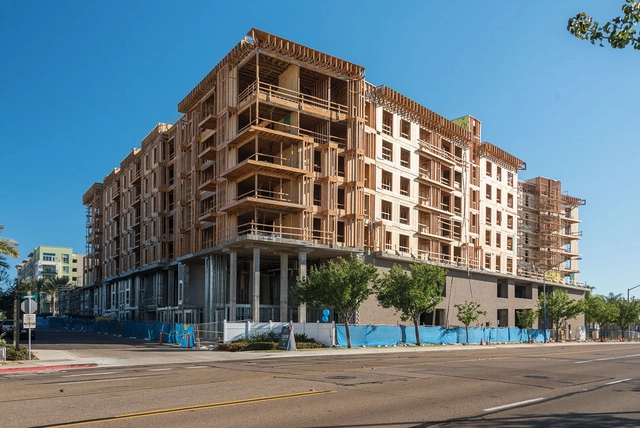
In an ideal world, architects would have free reign to design whatever they imagined. But the reality of the profession is that it comes with strings attached, and our visions are limited by clients, budgets, and perhaps the most dominating force, building codes. These codes have restricted and reshaped architecture so much, that it has forged a new type of building- the “stick frame over podium”, or “five over two” design. The result is a very distinct aesthetic of buildings and a notable monotony that has nearly redefined mid-rise residential architecture across the country.
https://www.archdaily.com/958809/what-happens-when-building-codes-rule-designKaley Overstreet
How to Ensure Comfort and Well-Being in Small Spaces?
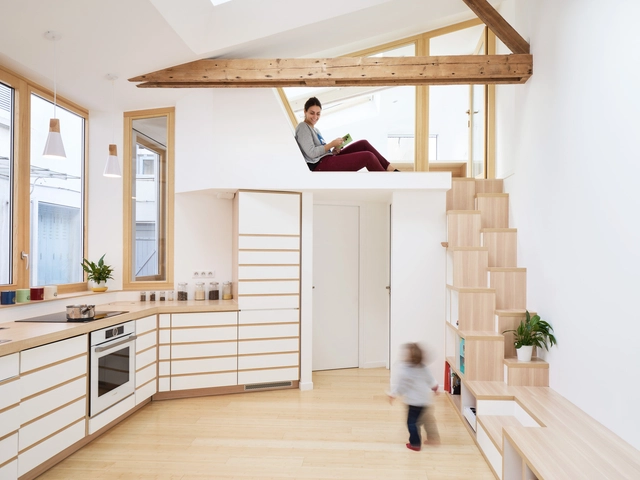
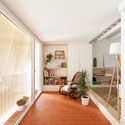
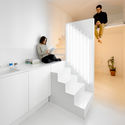
While some aspects of comfort and well-being in an indoor environment are related to external factors, such as natural lighting and ventilation, others are directly associated with the interior layout and the sensations created by architecture in the people living in that space.
It is always challenging to balance all of the elements that can provide greater comfort and well-being in interior design, particularly in small environments that must be fully optimized since it is not always possible to create large openings to the outside or even to accommodate the whole architectural program in a conventional manner.



https://www.archdaily.com/958579/how-to-ensure-comfort-and-well-being-in-small-spacesSusanna Moreira
Translucency & Raw Materials: A Brief Analysis of Lacaton & Vassal's Solutions
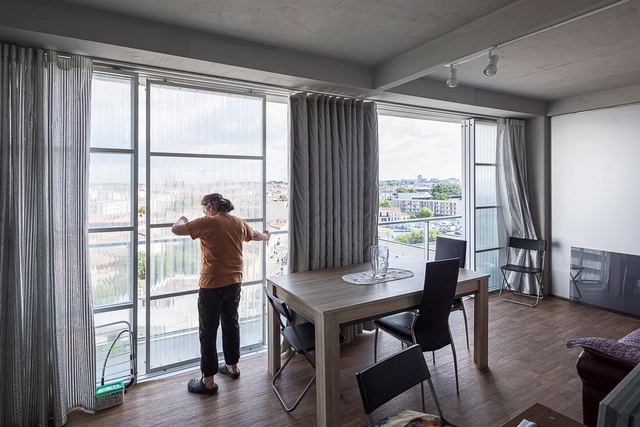
Paulo Mendes da Rocha often says that the function of architecture is nothing more than ‘supporting the unpredictability of life’. Spaces stand everyday life, meetings, landscape, art. Something like a frame, which is often also considered a supporting element of a work of art, since it highlights and, mainly, directs the viewer's gaze to the main object. The phrase of the Brazilian architect combines well with the way that the Lacaton & Vassal office works. The French couple's award raises some questions about how accurate their choices are for the current moment in the world. This includes the philosophy of their work, the design solutions adopted and the material palette generally adopted.
https://www.archdaily.com/958651/translucency-and-raw-materials-a-brief-analysis-of-lacaton-and-vassals-solutionsEduardo Souza
Kate Wagner: "The Age of the Architecture Critic as Galvanizing Force Is Over. It’s Done"
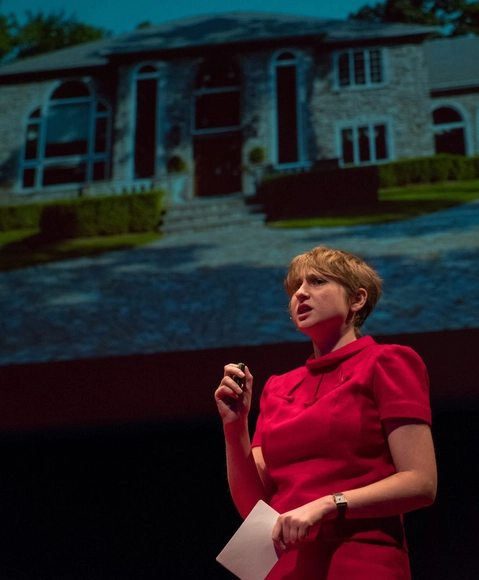
This article was originally published on Common Edge as "Kate Wagner on McMansion Hell, Criticism, and Her Love of Cycling."
Contrary to movie myth, there is no such thing as an overnight sensation. The moment when a cultural presence bursts upon the scene, seemingly fully formed, is almost always preceded by unwitnessed years of DIY training and single-minded obsession. Such is the case for Kate Wagner, who broke the architectural internet in 2016 with the introduction of McMansion Hell, a sharp and hilarious skewering of the bloated American home, in all its garish and desperate striving. A year later, the real estate listing site Zillow served the then-23-year-old Wagner with a cease-and-desist letter, claiming that her use of photographs violated copyright (even though they didn’t own the photographs either!). It was a clumsy move, resulting in an eventual corporate about-face and scads of free publicity for McMansion Hell.

https://www.archdaily.com/958826/kate-wagner-the-age-of-the-architecture-critic-as-galvanizing-force-is-over-its-doneMartin Pedersen
An Irish Embassy in Tokyo and a Bridge Over the Nile: 11 Unbuilt Projects Submitted to ArchDaily
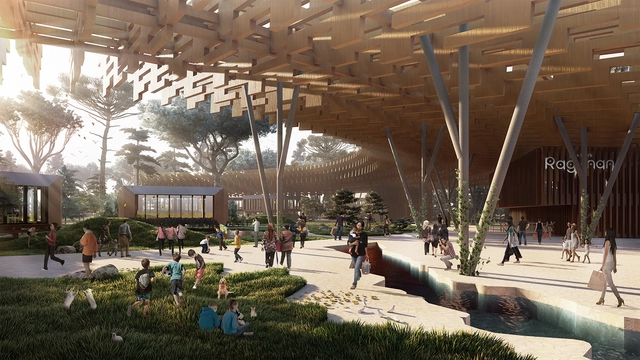
Focusing on competition entries, this week’s curated selection of the best-unbuilt architecture draws from proposals submitted by the ArchDaily Community to highlight award-winning design across the globe. Made for diverse programming, the entries each explore how to build upon the identity of local sites to win their respective competition. Together, they showcase contemporary formal, spatial and conceptual approaches.
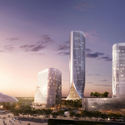
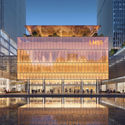
The award-winning entries include a range of different projects: a mixed-use redevelopment proposal for a post war suburb of Antwerp, a high-rise on the site of a historic former Police HQ building in downtown Frankfurt, a leafy urban heat island proposal in Abu Dhabi, and a ‘Ireland House’ in Tokyo, which will bring diplomats and state agency personnel together under one roof. These are but a few of the best unbuilt architecture this week.

https://www.archdaily.com/958737/an-irish-embassy-in-tokyo-and-a-bridge-over-the-nile-11-unbuilt-projects-submitted-by-our-readersEric Baldwin
How the Star System and Sexism Have Erased the Contribution of Women Architects in Intimate-Creative Partnerships
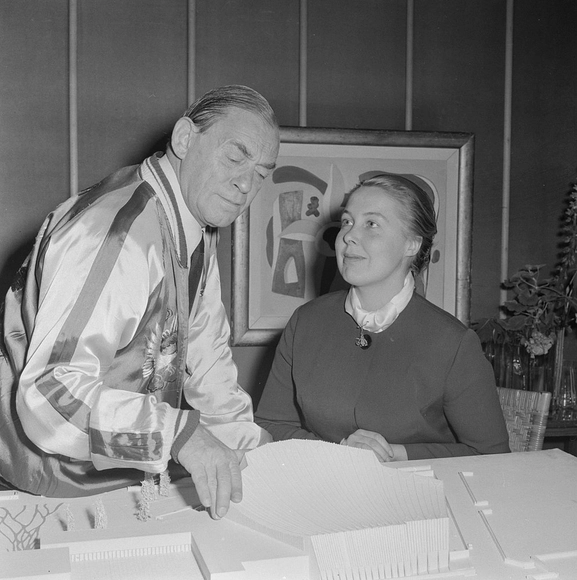
While women in architecture already face more obstacles than men in their careers, as proven by studies and research from across the globe, the disparities become even more obvious when it comes to partnerships involving both genders. In the history of the profession, there are many examples of office partnerships or collaborations that reveal the discrepancies in terms of recognition achieved by the work, reflected in awards, honors, citations, and salaries.
Many of these collaborations are between intimate couples who, as in any business partnership, design and make work decisions together. But in the particular case of architects in a heterosexual relationship, the role of the "wife" seems to have prevailed over that of collaborator, architect, or equal partner on many occasions.
https://www.archdaily.com/958640/how-the-star-system-and-sexism-have-erased-the-contribution-of-women-architects-in-intimate-creative-partnershipsSusanna Moreira
Lacaton & Vassal’s Transformation of 530 Dwellings Through the Lens of Laurian Ghinitoiu
.jpg?1615817314&format=webp&width=640&height=580)
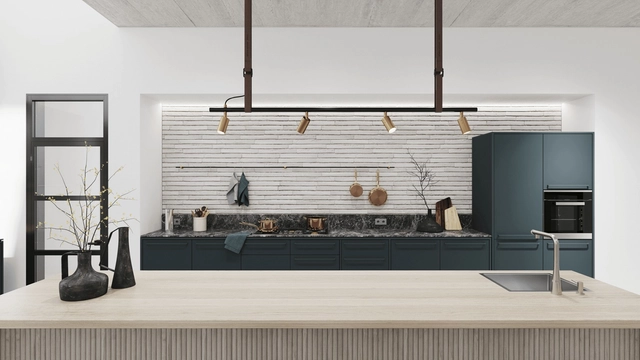
Renowned photographer Laurian Ghinitoiu has shared with ArchDaily a series of photos of one of the most influential projects of recent Pritzker Laureates, Anne Lacaton, and Jean-Philippe Vassal. The Transformation of the 530 dwellings in Bordeaux, 3 modernist residential buildings, reflect Lacaton & Vassal's sensitivity towards understanding existing structures. It also highlights how with minimal interventions, radical changes can be made to the habitability and usability of a modernist building -knowing that in Europe, the majority of these structures have ended up being demolished-. This approach was enough to select this transformation as the winner of the EU Mies 2019 Award, for the best contemporary architecture in Europe.
.jpg?1615817428 "© Laurian Ghinitoiu")
.jpg?1615817448 "© Laurian Ghinitoiu")
.jpg?1615817463 "© Laurian Ghinitoiu")
.jpg?1615817414 "© Laurian Ghinitoiu")
.jpg?1615817314)
https://www.archdaily.com/958572/lacaton-and-vassals-transformation-of-530-dwellings-through-the-lens-of-laurian-ghinitoiuDiego Hernández
Brazilian Projects Celebrating Democratic Spaces
.jpg?1615390051&format=webp&width=640&height=580)
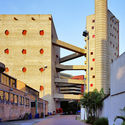
In recent years, several movements in Brazil and around the world have contributed significantly to society by emphasizing the need to occupy public spaces in the cities to claim quality and freedom of use for the community. The Ocupe Estelita movement in Recife, Brazil, for example, confronted the growing real estate speculation in the region and challenged the aggressive commercial urban planning on the banks of the Capibaribe River. Based on cases like this one, professor, critic, and curator Guilherme Wisnik, in an interview with Fora, addressed the issue of public space as a place of conflict.
.jpg?1541081334 "Praça das Artes. © Nelson Kon")
.jpg?1541081352 "Image Cortesia de USINA CTAH. ImageVista do Mutirão Paulo Freire")

.jpg?1615390051)
https://www.archdaily.com/958292/brazilian-projects-celebrating-democratic-spacesJulia Daudén
Development Opportunity: Toronto’s New Quayside to Revitalize the City’s Waterfront
| Sponsored Content

There’s a bright world just beyond the COVID-19 pandemic, and Waterfront Toronto, the organization tasked with revitalizing the city’s waterfront, is working to deliver on that future with its vision for the Quayside Project—a 12-acre mixed-use development poised to transform the industrial lands at the foot of Parliament Street.
https://www.archdaily.com/958513/development-opportunity-torontos-new-quayside-to-revitalize-the-citys-waterfrontRene Submissions
Healing Architecture in China: Through a Sensorial and Spatial Experience
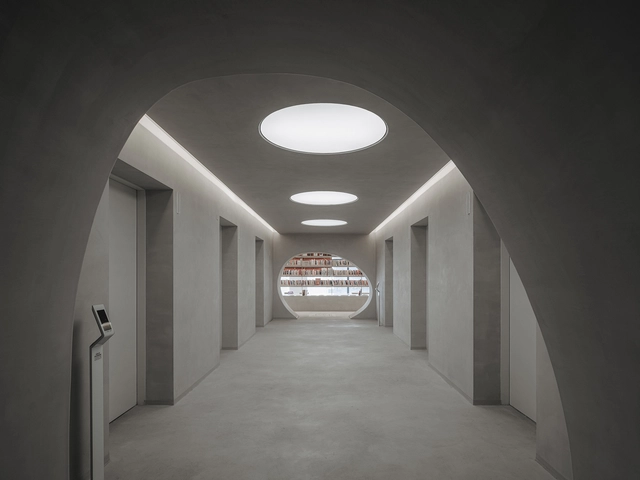
What elements and qualities does space need for a well-balanced physical and spiritual recovery? How to design spaces that are healthy for both our minds and our bodies? What makes an environment livable and sustainable in the long term?
These are the questions we need to address in the era of the rapidly developing real estate market. Why do we tend to inhabit more and more high-density residential towers? Are we necessarily more mentally secure? If not, what are the spatial solutions or cures for the current urbanites’ anxiety? In this article, we will explore ways of unwinding and finding cures in space.
https://www.archdaily.com/958330/healing-architecture-in-china-through-a-sensorial-spatial-experienceScarlett Miao
Lacaton & Vassal: Get to Know 2021 Pritzker Winners' Built Work
.jpg?1615841061&format=webp&width=640&height=580)

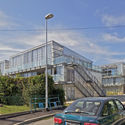
.jpg?1615841061)
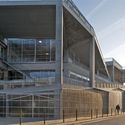
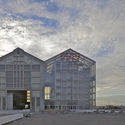
Anne Lacaton and Jean-Philippe Vassal founded their architectural studio Lacaton & Vassal in 1987, years after studying and working together at the École Nationale Supérieure d’Architecture et de Paysage de Bordeaux. The practice established in Paris has been awarded this year’s prestigious 2021 Pritzker Prize. Their built work leaves strong evidence of what they believe is relevant: sustainability, wellbeing, social responsibility, and the readaptation and the respect of the existing built environment.
https://www.archdaily.com/958569/lacaton-and-vassal-get-to-know-2021-pritzker-winners-built-workPaula Pintos & Clara Ott
Is There Anything More Natural Than Nature? Our Readers Weigh In On "Green" Houses
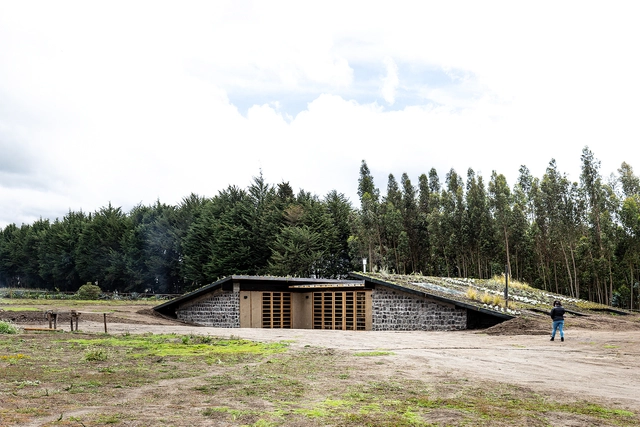
In many cases, I haven't been able to decide whether a building full of trees fits into the "sustainable" category. In fact, I've often had to make the argument that such a building is far from it.
It seems that the vast majority of contemporary marketing for sustainable architecture operates under the guise of greenwashing. What's more, the line between what truly creates healthier and more sustainable living spaces and what doesn't is often a blurred one.
To see just how blurred this line is, we asked our readers to weigh in on just what makes a house "green". Is it being able to trace the source of your building materials and knowing the people who harvest, process, and sell them? Is it the ability to fulfill the day-to-day needs of the inhabitants using renewable resources?
https://www.archdaily.com/958344/is-there-anything-more-natural-than-nature-our-readers-weigh-in-on-green-housesFabian Dejtiar
Houses in Colombia: Shade, Ventilation, and Nature
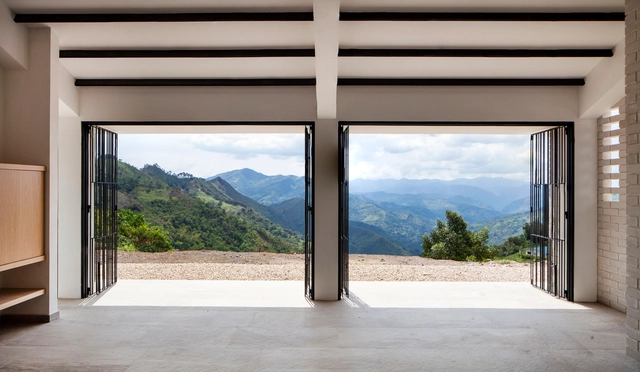
For houses throughout the world, the barriers between the inside and outside of houses are solid and well-defined, allowing the spaces within the home to be protected from the weather conditions outside and made comfortable for the inhabitants inside. In countries like Colombia, which sit close to the equator and enjoy a warm, subtropical climate, temperatures average just above ideal thermal comfort.
https://www.archdaily.com/958189/houses-in-colombia-shade-ventilation-and-natureSantiago Baraya
What is Architecture? Notions from Odile Decq, Snøhetta, Pita & Bloom and Jeffrey Kipnis
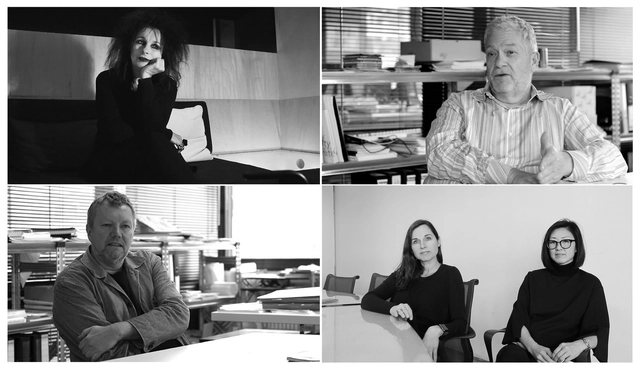
Simple in form but complex in substance, “What is Architecture?” remains an existential question for a lot of architecture students and young professionals. In an attempt to define this ever-changing interrogation and expose the different visions out there, the interview series: WIA – What is architecture? asks four, straightforward, questions to world-leading architectural designers and thinkers. Seeking to uncover their opinion on what architecture is and what it can do, these short videos reveal responses to “What is architecture? What can architecture do? What is your architectural position? and What is your design method?”.
ArchDaily has collaborated with WIA to release every week, 4 of these conversations, and to invite you to take on the challenge and answer these questions. This second article of the series highlights the ideas and visions of Odile Decq from Studio Decq, Kjetil Thorsen from Snøhetta, Florencia Pita & Jackilin Hah Bloom from Pita & Bloom, an architectural design collaborative based in Los Angeles, and Jeffrey Kipnis, an American architectural critic and theorist.
https://www.archdaily.com/958468/what-is-architecture-notions-from-odile-decq-snohetta-pita-and-bloom-and-jeffrey-kipnisChristele Harrouk
Louis Kahn’s Society of Rooms
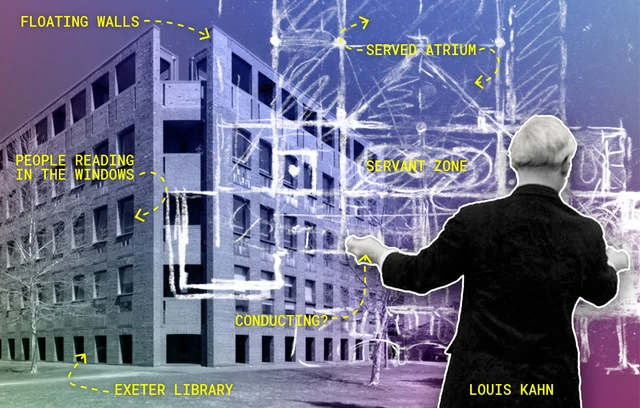
In this video, Architecture with Stewart breaks down the floor plan strategies of Louis Kahn (1901-1974) for how they treat and arrange rooms in servant/served configurations. After World War II showed us the dark underbelly of technology, the architecture that gave us “machines for living in'' seemed misguided and dehumanizing. In contrast to pre-war open and free plans, Louis Kahn considered new possibilities for rooms; believing their privacy and enclosures could work together in a ‘society of rooms.’ Beginning with a close look at the Trenton Bath House, the video includes computer animations, sketches, photographs, and historical narratives to trace the evolution of the room through buildings like the Adler House, Esherick House, and the Exeter library — a monumental room of cultural memory.
https://www.archdaily.com/958431/louis-kahns-society-of-roomsDiego Hernández
Increasing the Pipeline for a More Inclusive Design Profession

If you attended architecture or design school, there’s probably something you noticed about your fellow classmates- a majority of them were female. And if you have been working in the world of design for a few years, there’s probably something else you’ve noticed as well- that there are fewer women in leadership positions than men. There’s a crisis that architecture has been facing ever since the profession has existed, and it’s that women in leave architecture in high numbers. But what is causing this, and what steps are being taken to ensure that some of design’s best champions positioned to become future industry leaders?
https://www.archdaily.com/958353/increasing-the-pipeline-for-a-more-inclusive-design-professionKaley Overstreet
Passive Thermal Comfort Strategies in Residential Projects
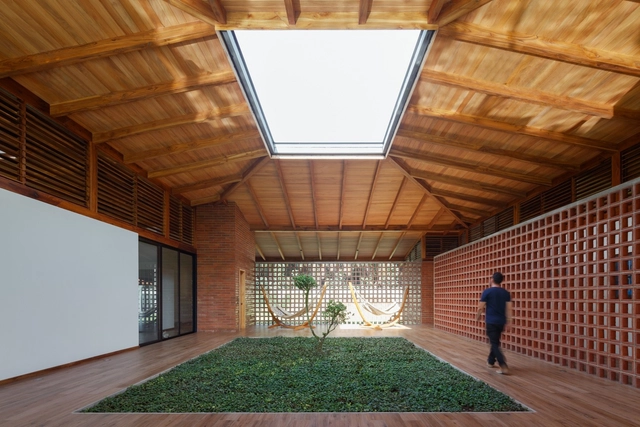
There was a time when people appreciated self-contained architecture, in which the building envelope would not function as a moderator between the climate outside and the interior environment but rather as an inert and independent barrier. Countless mechanical devices and electrical ventilation, heating, and cooling equipment. A real machine.
Today, architects are increasingly concerned with the interaction between architecture and the environment in which it is inserted, thus assuming responsibility for the thermal comfort of interior spaces, using design strategies for natural climate control.



https://www.archdaily.com/958193/passive-thermal-comfort-strategies-in-residential-projectsCamilla Ghisleni
Hong Kong Architects Convert Plastic Waste into Public Benches to Combat Pollution
The Shing Mun River in Sha Tin, a residential town in Hong Kong, has struggled with plastic waste pollution for years. Household waste that is not properly recycled will either end up in landfills or floating in the river. In 2018 almost 17 million plastic items, or 40,000 items daily, were found to be drained into the ocean via the Shing Mun River, mostly being food packaging, cutleries, and household plastic bottles. This quantity of plastic pollution in the river and surrounding environment could eventually jeopardize the natural ecosystem irreversibly.
https://www.archdaily.com/958314/hong-kong-architects-convert-plastic-waste-into-public-benches-to-combat-pollutionOlivia Bartolini