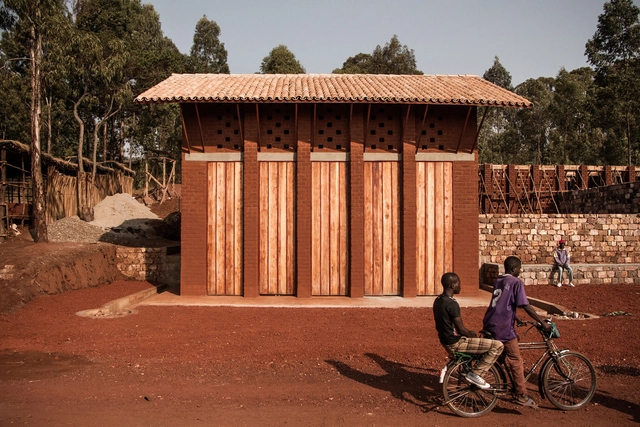
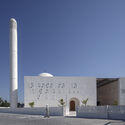
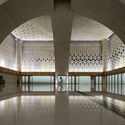
Library of Muyinga. Image Courtesy of BC Architects
Nowadays, the understanding of our building culture and the application of local construction methods may seem like a distant and obsolete concept given the role of industrialization and globalization in the construction industry. We can now obtain almost any material from around the globe just by searching the internet for a distributor in our region. But this practice has important implications for our society, from the loss of architectural identity to environmental costs related to high CO₂ emissions associated with the processes of extraction, manufacturing, transportation, and disposal of these materials.
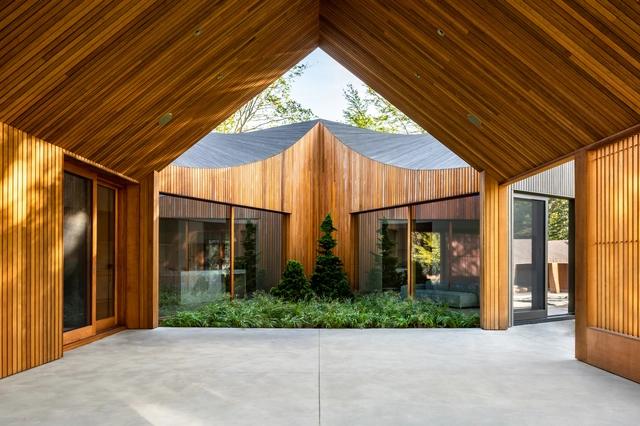
The increasing global need to reduce our carbon emissions and use materials in more efficient ways has led us to research and learn about the origin of our region's resources, eventually leading to better understanding their applications within a circular economy approach. But why not look right under our feet? Soil is one of the most common materials on the planet, and when it is locally sourced, it does not generate considerable amounts of embodied CO₂. It seems that after industrialization, we have forgotten that building with earth was for many years a viable construction method for our ancestors in different parts of the world. We spoke with Nicolas Coeckelberghs, one of the four founders of BC Materials, a worker cooperative based in Brussels that has been working with earth, rediscovering its use, and sharing its knowledge on a global scale while working with a local conscience.
https://www.archdaily.com/999074/building-with-waste-transforming-excavated-earth-into-architectureEnrique Tovar
Art Deco is an artistic and design style that emerged in Europe in the late 19th and early 20th centuries, reaching its peak in the 1920s and 1930s. Although it's difficult to identify a single origin for Art Deco, it's believed that the style developed as a reaction against the Arts and Crafts and Art Nouveau movements, which emphasized craftsmanship and naturalistic ornamentation. The style quickly spread throughout the world and had a major influence on architecture, interior design, fashion, and visual arts during the first half of the 20th century.
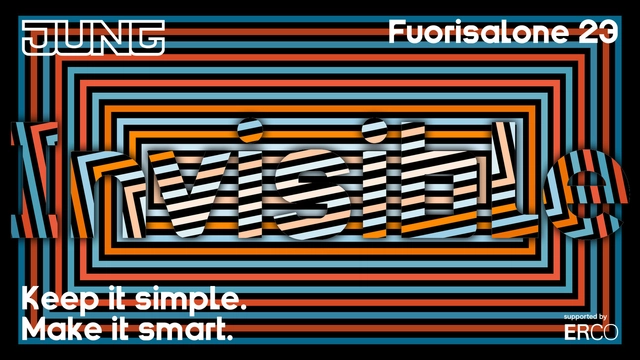
Designing building control systems for smart, flexible, and sustainable spaces is becoming more complex due to the changing contemporary home requirements. Pushing towards smart homes, electrical engineering has generated numerous advances that have improved performance while enriching aesthetics and lowering environmental impacts. In line with these global trends, JUNG’s systems for modern building technology are continuously delving into new possibilities in all areas of modern electrical installation, such as switching and control. Showcasing smart sustainability, the temporary installation INVISIBLE is a space where electrical engineering explores the hidden advantages of connections.
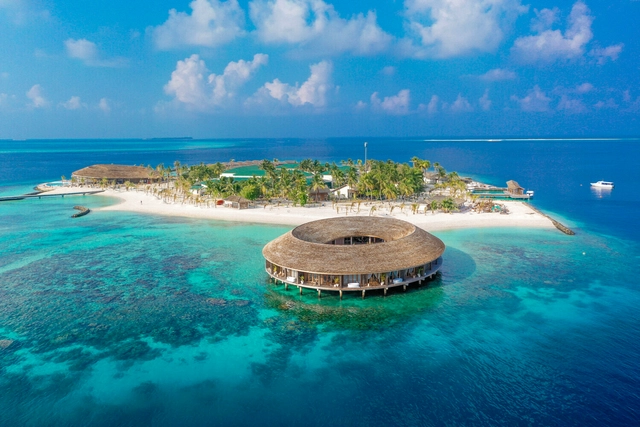
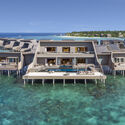
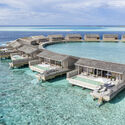
Kagi Maldives Spa Island / Yuji Yamazaki Architecture. Image Cortesía de Kagi Maldives Spa Island
The Maldives is a sovereign island country located in the Indian Ocean, organized into 26 atolls. It comprises 1,200 islands of which 203 are inhabited; it is located 450 km from India and is considered a micro-state since its extension is only 298 square kilometers. Its capital and most populated city is Malé, with a population of 103,693 inhabitants. It has a tropical and humid climate and is the least populated country in Asia. The archipelago is composed of about 1,190 coral islands grouped in a double chain of 26 atolls, following a north-south direction, occupying an area of about 90,000km, making it one of the most dispersed countries in the world.
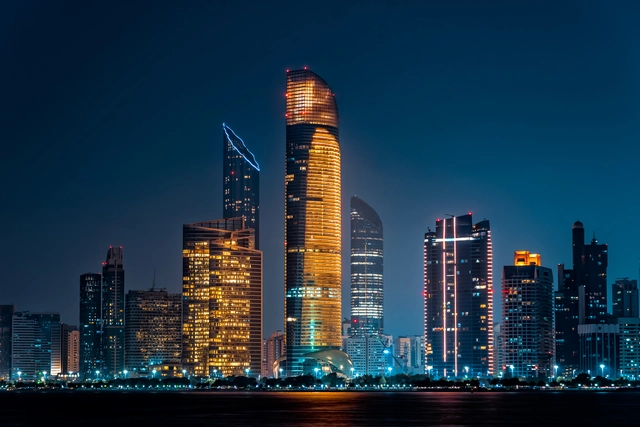
City night view of Abu Dhabi business district, United Arab Emirates. Image via Shutterstock | MDXB
Capital city of the United Arab Emirates, the city of Abu Dhabi is located on an island in the Persian Gulf, connected to the mainland by a short bridge. Home to the local and federal government offices, as well as to the President of the UAE, Abu Dhabi was formerly an undeveloped town with only local significance that transformed into a large metropolis, at a record speed of development and urbanization.
Japanese architect Katsuhiko Takahashi created the master plan of the city in 1967, with a target population of 40,000. Encouraged in the Abu Dhabi Plan 2030, tall skyscrapers symbolize nowadays its iconic architecture, as well as new developments of Al Maryah Island, and the Sheikh Zayed mosque initiated and constructed under the administration of the late President Sheikh Zayed, a pivotal figure in the development of the contemporary UAE.
The transparent space in between: as this rendering shows, Proline T from Solarlux can completely surround buildings with glass surfaces, with modules unfolding variably to save space. Image Courtesy of Solarlux
For city dwellers, balconies can be a real blessing. They mediate between space-saving stacked domiciles and the vastness and liveliness of the surrounding neighbourhood. They can be landscaped into small oases, and you can even take a holiday on a ‘balcony’. And for architects, they offer a welcome element for structuring the facade. They also, however, pose a challenge, because not every balcony faces a garden or a quiet side street.
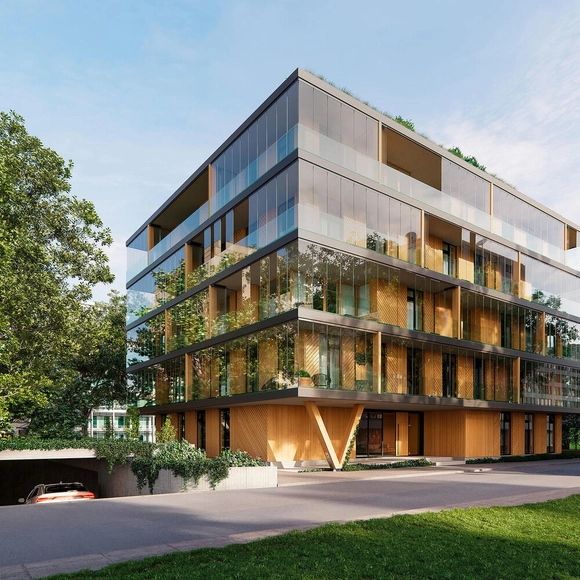
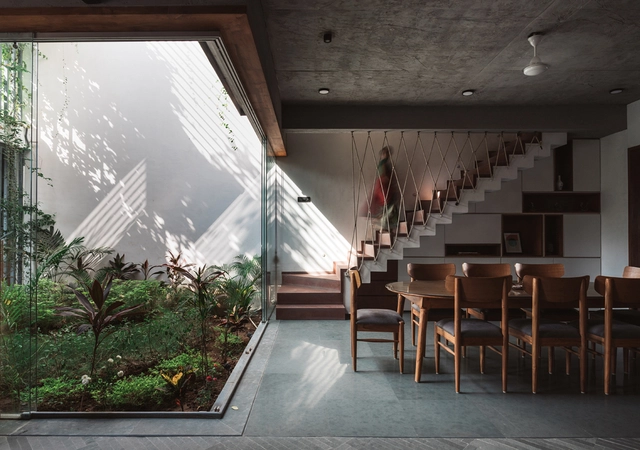
Residential architecture in India is a direct reflection of the ethnic practices and lifestyles led by its diverse citizens. The earliest houses were developed as units of larger community-centric settlements. The architecture of Indian residences is deeply enmeshed with cultural values - usually centering on the ideas of family and community relationships. A single home often shelters a large joint family and meets the needs of various age groups under one roof. Multigenerational living demands a unique spatial syntax to foster connections.
One of the most common decorative objects in projects, mirrors have existed since the Badarian civilization, around 4,000 BC. With several transformations in its material and manufacture, the mirror is a decorative object and can also serve as a design strategy.
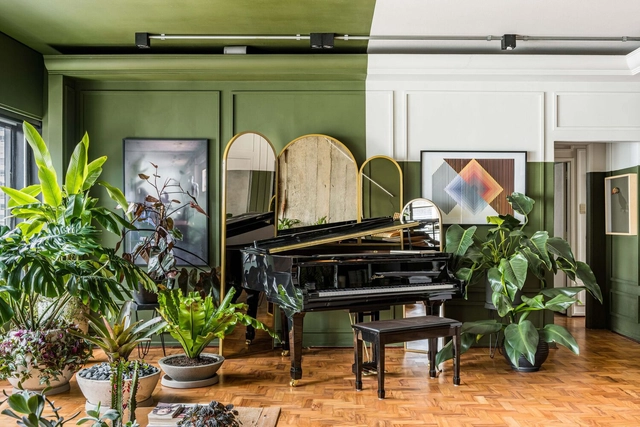
Humans are hard-wired to respond positively to nature; the crackling sound of fire, the smell of fresh rain on soil, the healing characteristics of plants and the color green, being in proximity to animals, etc. That, along with today’s critical environmental conditions and rapid urbanization, shifted architects' focus towards eco-conscious projects to bring people closer to nature. Architects explored numerous approaches: rammed earth structures, recycled materials and furnishing, designing around the site's sun orientation... The practice was so driven by green architecture that the lines became blurred between what is truly sustainable and ecological and what is "greenwashed". But what proved to bring about the most innate biological connection with nature was biophilia, and "bringing the outdoors in" through design.
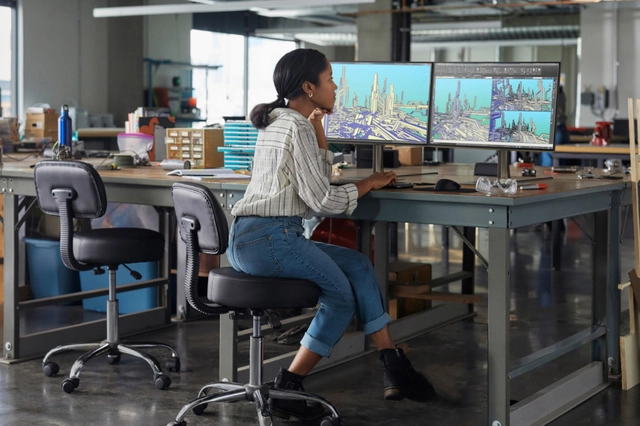
Do you remember seeing images of designers leaning over large sheets of paper, usually in spaces that resemble warehouses, concentrating on their own technical drawings? While some may view these images with nostalgia for a simpler time as a sign of working passionately in the architecture, engineering and construction industry, many others might shudder at the thought of doing an entire project with an India ink pen, and especially without the convenience of the Undo tool (CTRL+ Z or command + Z). From the first CAD programs to the powerful modeling programs we have today, computing technology has radically transformed the landscape of AECO offices. In the past, integrating multiple designs required overlapping sheets of tracing paper; but today, we have a variety of software that produce files with numerous extensions, saved versions, sizes, and which often require powerful machines to run. With the growing adoption of remote and hybrid work in AEC organizations, implementing the right computer systems can be a major challenge.
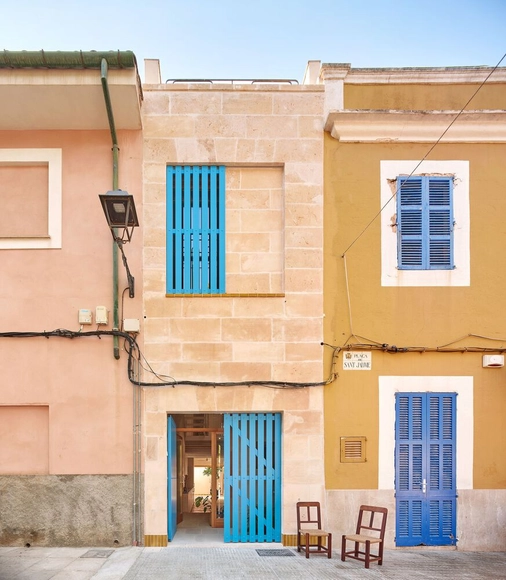
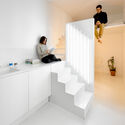
How narrow can a space become without losing its habitability? What are the minimum dimensions that a dwelling must have to ensure the comfort of its inhabitants and the correct performance of their daily activities?
The city block is a typically urban element that, historically, has appeared in different forms and designs, structurally shaping city planning guidelines. When observing urban fabrics in cities such as Barcelona, Paris and Copenhagen, one can see significant variation between block models. This defines their landscapes and dynamics in countless ways. Style and format alterations, volumetric changes in the relationship between full and empty spaces, and modifications in connections to the surroundings are some examples of typological particularities that differentiate them. Blocks, therefore, are often emblematic and representative not only of certain urban planning models developed throughout history but also of their cities.
Cities need to prepare for a wave of declining houses of worship. While faith institutions, at least the Christian ones, have been asking WWJD (What would Jesus do?), municipalities need to get them to ask another question: WWJJD (What would Jane Jacobs do?). Doing so might lead to a new model for true community houses of worship.
Dwellings can be understood as the most significant and primary form of architecture, as the house is intimately related to the idea of shelter, one of humanity’s basic needs. In the words of architect Mario Botta, “As long as there is a man who needs a house, architecture will still exist.” Yet, in spite of its ubiquity, or perhaps because of it, an exact definition of a home is difficult to find. Throughout history, different functions and spaces have been added and subtracted from this unit, reflecting directly the character of the society that produced it.
The list of expectations that a house has to fulfill is long and ever-evolving: to provide intimate and safe spaces where one can recharge their energy, but at the same time to allow for interaction, welcoming friends and family to join in; it is the purveyor of leisure and relaxation, but also the site of most labors of care, while also providing a small incubator for starting entrepreneurs. This tendency to demand a residential unit to fulfill multiple roles was heightened to unprecedented levels during the pandemic. Health concerns led to the closing of most workspaces, the second place where people spent most of their time, and of cafes, restaurants, cinemas, and malls, the “third places.” Suddenly, the home had to become an all-purpose space.
The construction of Brasília is a significant achievement in history and architecture. The Brazilian modernist movement definitively established Lucio Costa and Oscar Niemeyer as their representatives. It led the modernist city to be tested as the new urban order. Nevertheless, the city did not emerge alone, nor was it completely utopic, modern, or modernizing. Alongside the new capital, planned and organic neighboring cities were built.
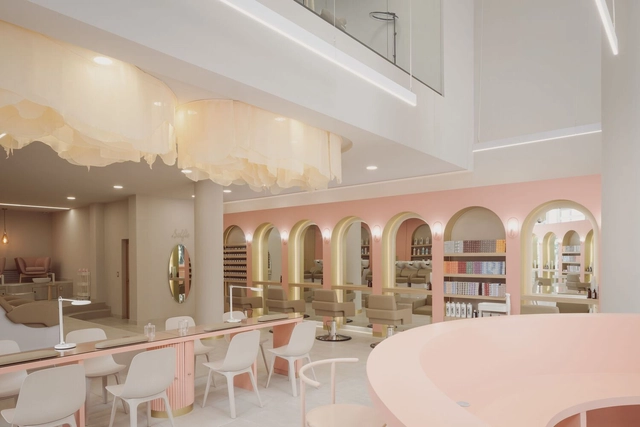
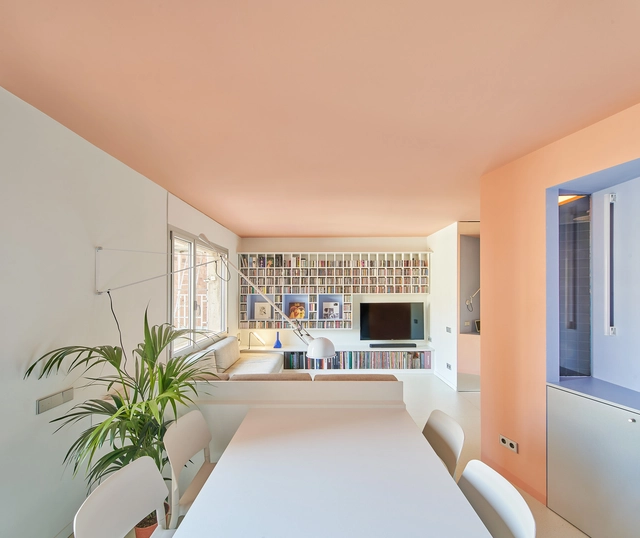
With a high proportion of white mixed with a small amount of colorful pigments, pastel colors provide a range of pale, subdued tones. Related to soothing and calming environments, these colors have a timeless quality and can be seen throughout different architectural styles, such as rococo, art déco or the mid-century modern years. Applied in exteriors, interiors, or both, pastel tones make rooms feel more light, airy and spacious.
From subtle accents to taking the spotlight in a project’s overall strategy, pastel colors are a versatile alternative that can be used in multiple ways and varying degrees. Following Ricardo Bofill’s color proposals, Paulo Mendes da Rocha’s interiors and Michael Graves’ buildings, contemporary architecture plays with soft colors for aesthetic and functional purposes, as well as providing a sensory experience. Analyzing different examples of their application in architecture and design, we showcase how four prevailing colors –mint green, pale pink, lemon yellow and light blue– are currently taking the stage.
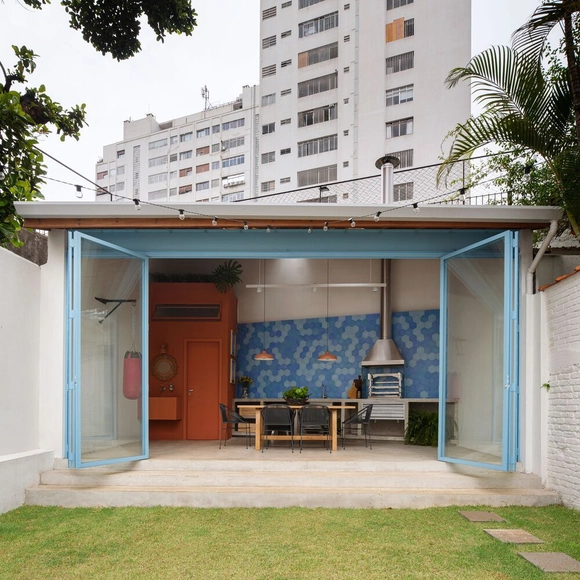
Guest rooms, BBQ areas, party areas, and even libraries – a backhouse can have many uses. Common in many townhouses, this is a unique part of a residence that presents a certain freedom regarding the main program, which can be explored both with diverse uses and through the constructive solutions employed.
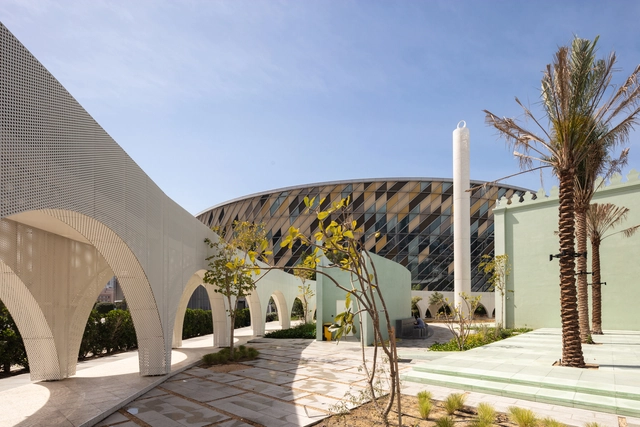
The mosque; the Islamic holy place of prayer, carries a distinct structural characteristic and identity. It is a serene and spiritual architecture that brings individuals closer to their faith and divine entity. Prophet Muhammad's original house in Medina (in present-day Saudi Arabia) is believed to be the first place of prayer, and served as a model for early mosque architecture; a mud-brick structure with living quarters on one side of an enclosed rectangular courtyard. Soon after, the allocation of open spaces in the center of towns where Muslims could gather and pray became more frequent, resulting in several spaces of worship with a universal spatial characteristic: their orientation towards Mecca.
The design process of the mosque started with a single enclosed geometric form, reinforcing the idea of spirituality and seclusion. Soon after, this simple spatial prototype evolved into the first formal hypostyle mosque, known for its vast prayer hall and series or arcades. Variations of this model saw the first mosque in Medina, known as the Quba Mosque (622 CE), the Kairouan Mosque in Tunis (670 CE), and the Umayyad mosque in Damascus (715 CE), some of which incorporated column details from ancient Greek and Roman architecture. However, the role of mosques evolved throughout the years from just a place of worship to an architecture that helps in re-establishing the values of Islam and offers contributions to society, including educational, civic, and ceremonial.
From Thomas Edison's empty glass bulb to AI-controlled LEDs, hundreds of years of constant evolution have passed, which culminated in what we now know as artificial lighting. Edison could not have imagined how dependent we would become on his invention almost two centuries later. It led to a way of life where we spend up to 90% of our time in enclosed spaces deprived of natural light, such as shopping centers and offices. Places where artificial light remains constant throughout the day, without any variation of color temperature or luminous intensity are where artificial lighting practically eliminates day and night differences.
When a country becomes known for its most famous export, the two together can become synonymous with quality. Combinations such as French wine, Italian marble and German engineering are examples of the hallmark of excellence provided simply by a product’s geographic birthplace. While Portugal’s most famous and most passionate exports could equally be cork, football, or egg-based sweet treats, there’s far more to the Portuguese culture and economy than preening soccer players and custard tarts.
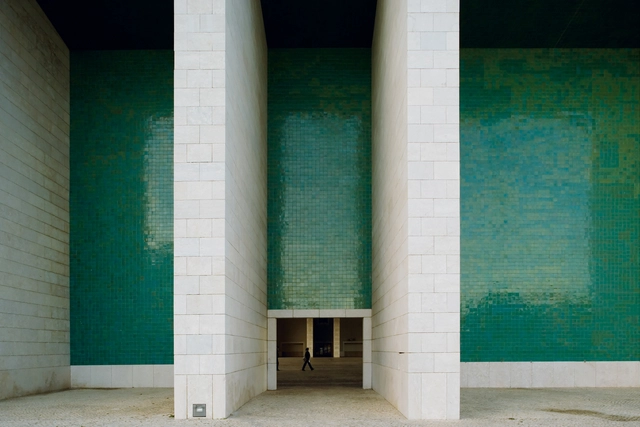
While Portuguese culture’s relationship with ceramics is known for the distinctively patterned plates, bowls, and jugs millions of tourists attempt to keep intact on the journey home, few are paying the extra baggage charge for 50 sqm of ceramic tiles. The country’s agreeable climate, however, along with a history of craftsmanship and the natural strength, durability, and pigment of Portuguese clay, means high-quality ceramic facades are an identifiable feature of Portuguese architecture. And the material is exported all over the world for both exterior and interior surfaces.
SAP Headquarters / Yashar Architects. Image Courtesy of Yashar Architects
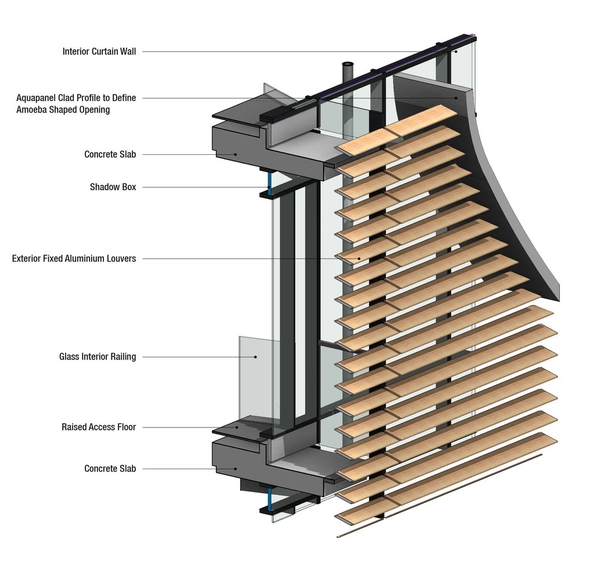
In architecture, choosing the right construction materials is crucial to improve efficiency, ensure structural integrity and maximize performance, ultimately setting the standard for the finished product. But because any building – from its outer skin to its framing system – consists of many layers and parts, understanding how these fit and work can be just as important during design and manufacture. Technical specification of materials and constructive systems plays a key role in conveying this information, providing all of the necessary knowledge, properties and characteristics for any successful project. After all, the more you know about what lies between walls and behind finishes, the better your architecture will be.
Videos
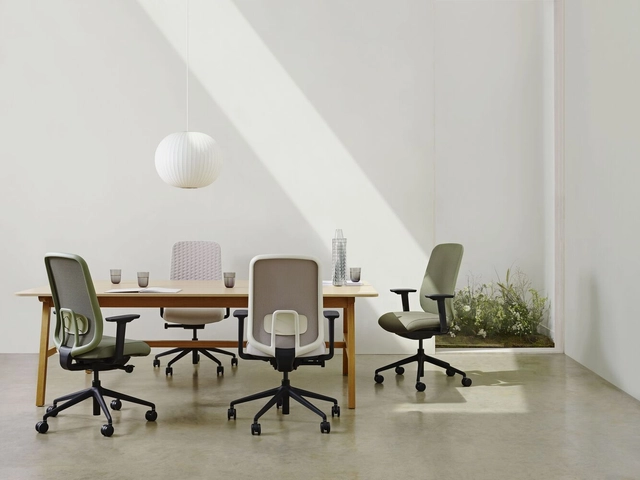
Sia Task Chair. Image Courtesy of Boss Design
Choosing the appropriate working elements –such as furniture, lighting, flooring, and other equipment– is key for creating an optimal workplace environment. With a positive impact on productivity, as well as the comfort and well-being of team members, designing workplace elements that integrate sustainable, wellness and aesthetic qualities implies a deep understanding of the interactions between these three areas. Minimizing the environmental impact and prioritizing well-being throughout the design process, while also considering the resulting aesthetics, Boss Design’s Sia Task Chair defines a new standard for workplace design.
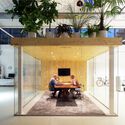
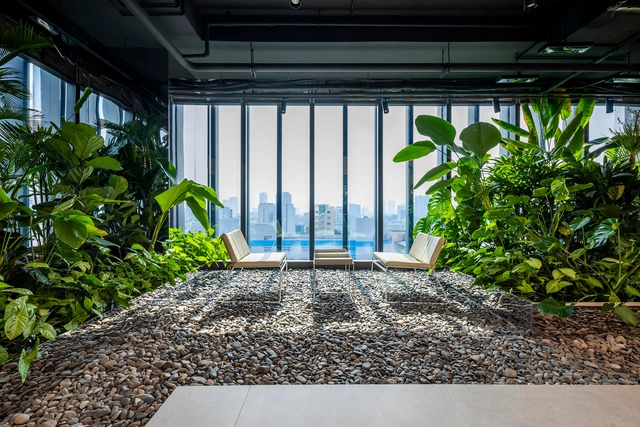
Biophilic office design is not just a passing trend. It rather represents a seismic shift in how we design and build our office spaces and work environments, with every employer from multi-national giants of the industry to two-person bedroom startups getting on board. But this weighed-down bandwagon of empathetic, wellness-focused workspace still has plenty of room on the back.
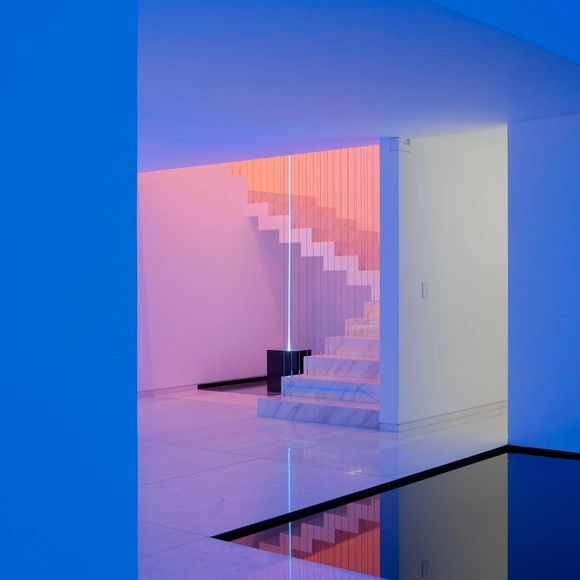
Light is part of various disciplines, shaping the world as we know it. In physics, it serves as a measure of speed and makes vision, and the recording of images by the eye and camera lens possible. Throughout art history, the representation of light - or its absence - has guided secular movements in various manifestations with equally different techniques and supports. This means that light - and its derivative shadow - can create environments, atmospheres and sensations, which can be perceived in objects and spaces. Light is also a part of architecture.