
-
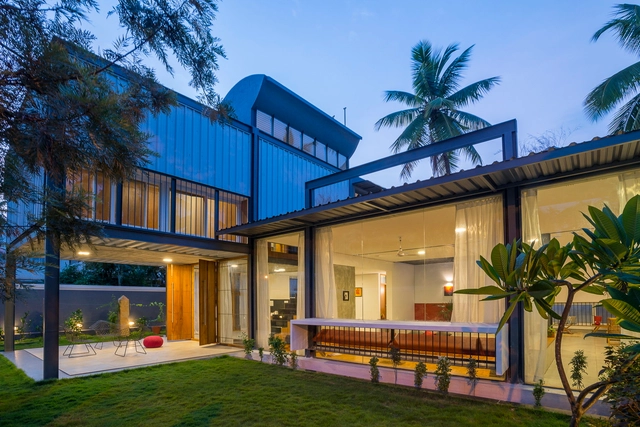
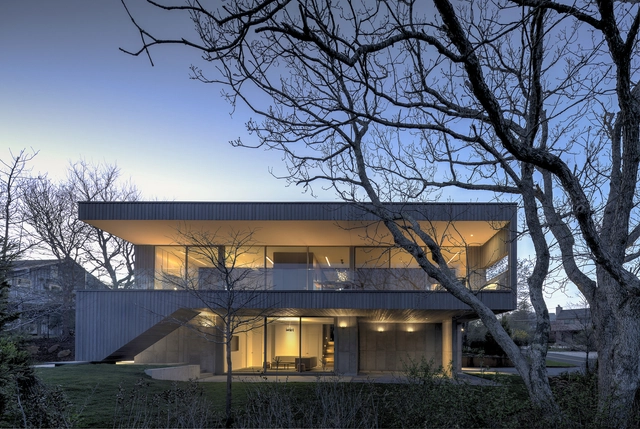
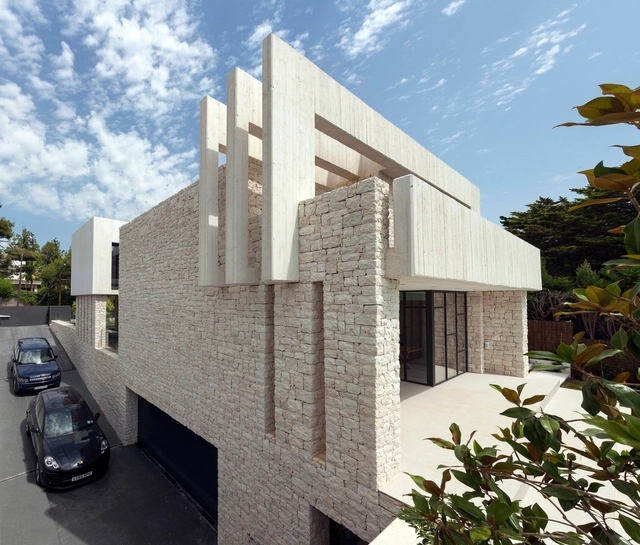
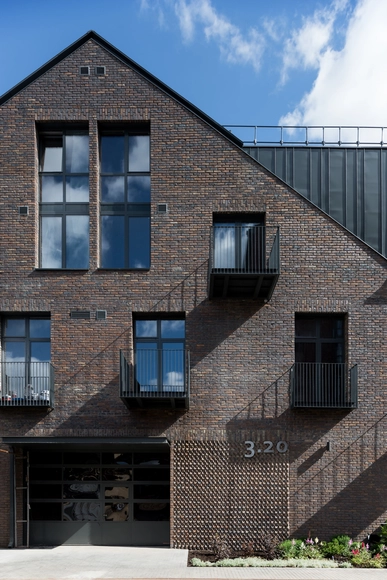
Architects: Studio Happ
- Area: 141 m²
- Year: 2017



This article was originally published on August 14, 2014. To read the stories behind other celebrated architecture projects, visit our AD Classics section.
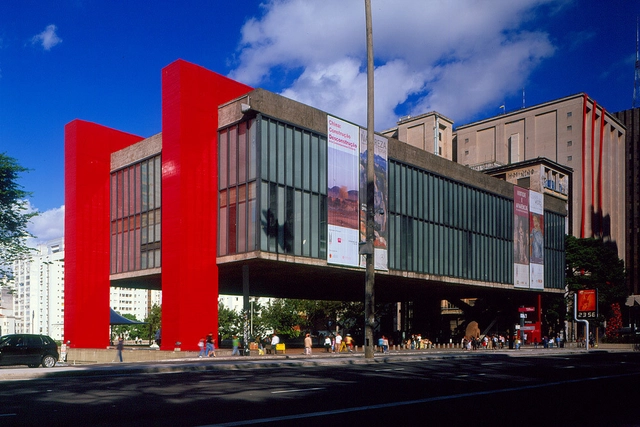
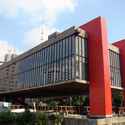
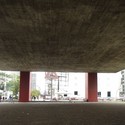
When Lina Bo Bardi received the commission to build a new museum of art on São Paulo’s Terraço do Trianon, she was given the job under one condition: under no circumstances could the building block the site’s panoramic vistas of the lower-lying parts of the city. This rule, instituted by the local legislature, sought to protect what had become an important urban gathering space along Avenida Paulista, the city’s main financial and cultural artery. Undeterred, Bo Bardi came up with a solution that was simple and powerful. She designed a building with a massive split through its midsection, burying half of it below the terrace and lifting the other half into the sky. As a result, the plaza remained open and unobstructed, and in 1968, the iconic São Paulo Museum of Art (MASP) was born.
.jpg?1526440365&format=webp&width=640&height=580)

This article was originally published on May 25, 2015. To read the stories behind other celebrated architecture projects, visit our AD Classics section.
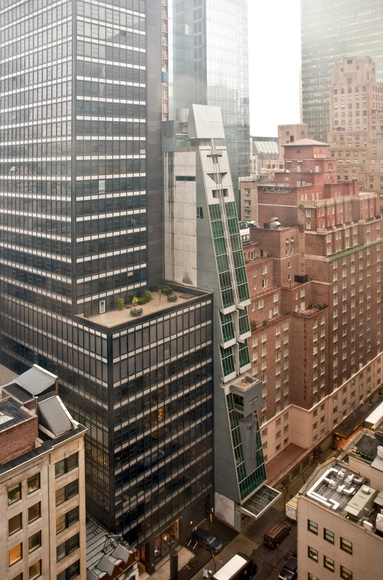
Before the impossibly “super-thin” tower became ubiquitous on the Midtown Manhattan skyline, Raimund Abraham’s Austrian Cultural Forum challenged the limits of what could be built on the slenderest of urban lots. Working with a footprint no bigger than a townhouse (indeed, one occupied the site before the present tower), Abraham erected a daring twenty-four story high-rise only twenty-five feet across. Instantly recognizable by its profile, a symmetrical, blade-like curtain wall cascading violently toward the sidewalk, ACFNY was heralded by Kenneth Frampton as “the most significant modern piece of architecture to be realized in Manhattan since the Seagram Building and the Guggenheim Museum of 1959.” [1]

But you can browse the last one: 556









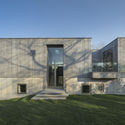

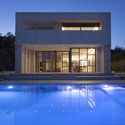
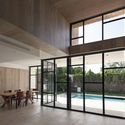
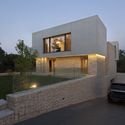



.jpg?1526440504 "© David Frutos")
.jpg?1526440990 "© David Frutos")
.jpg?1526440431 "© David Frutos")
.jpg?1526440345 "© David Frutos")
.jpg?1526440365)


.jpg?1431981450 "The director's office that occupies the box-like protrusion on the southern facade. Image © Photo by David Plakke, davidplakke.com; Courtesy of Austrian Cultural Forum New York")