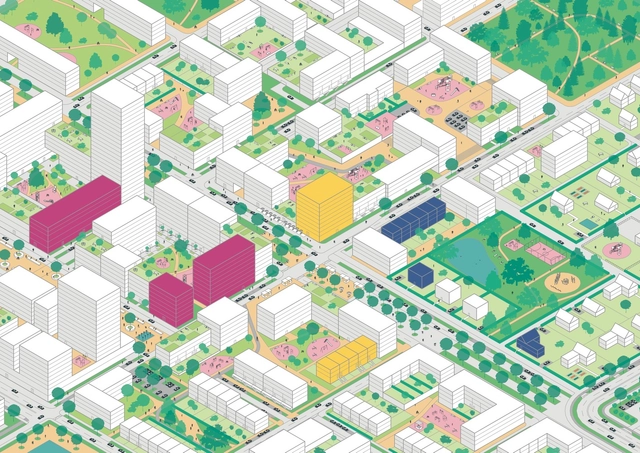
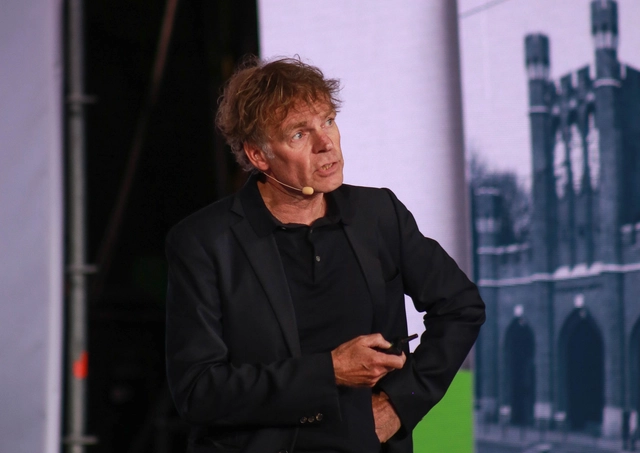
The story of Berlin’s Tempelhof Airport never quite ends.
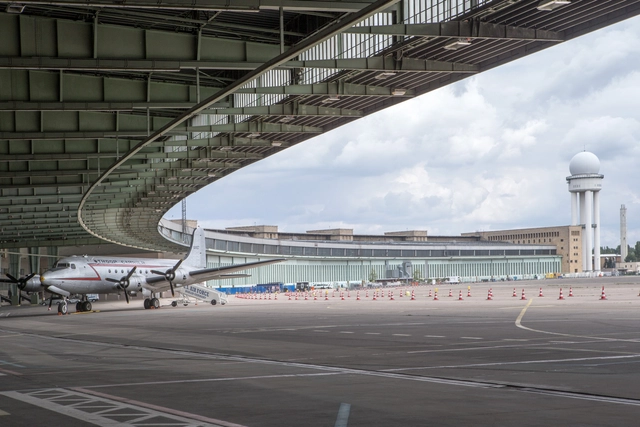
Located just south of the city’s hip Kreuzberg neighborhood and only fifteen minutes by bike from the city center, the disused former Nazi complex—with its terminal, hangars, and massive airfield—occupies nearly 1,000 acres of prime real estate in the ever-growing German capital. In any other metropolis, this land would have been snatched up by a developer years ago, but in Berlin, creative reuse has prevailed over conventional narratives of redevelopment.
Architects from all over the world showcase their modern, innovative concepts with ceramic materials: nearly 600 projects from 44 countries had been submitted. The winners of the Wienerberger Brick Award 2018 impressed with bold and creative architectural concepts for sustainable and forward-looking living spaces.
The Wienerberger Brick Award provides architects from all over the world with an opportunity to showcase modern, innovative architecture with ceramic materials. It aims to inspire architects and people alike, to share design concepts and explore new ways of fulfilling built ideas. 2018 marks the eighth time that Wienerberger is presenting this internationally established award. Nearly 600 projects from 44 countries were submitted, this year with a particularly strong European focus.
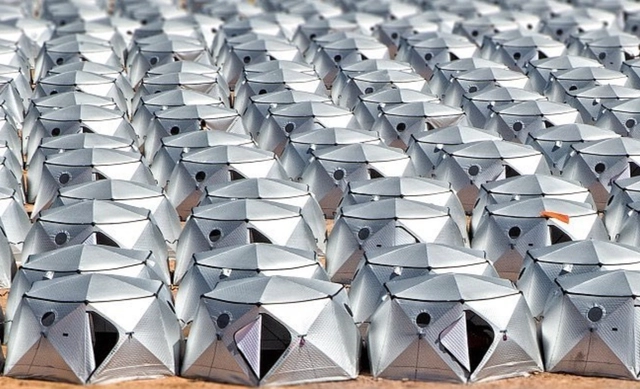
Following natural disaster or conflict, architecture plays a critical role in not only reconstructing lost infrastructure but also responding to the need for comfort and safety for those affected. Successful post-disaster architecture must meet both the short-term need for immediate shelter, as well as long-term needs for reconstruction and stability. Eight years after the 2010 Haiti earthquake, those displaced continue to reside in temporary shelters without adequate access to plumbing and electricity, revealing the critical importance of addressing long-term needs after disaster and conflict.
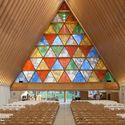
Below, we've rounded up 10 impressive examples of post-disaster architecture that range from low-cost, short-term proposals to those that attempt to rebuild entire communities from the ground up:
108 hours of lessons, a 60-hour workshop and internships/lectures held by internationally-renowned architectural firms like Foster+Partners (London), Studio Libeskind (New York) Partisans (Toronto) Emmanuelle Moureaux Architecture+Design (Tokyo) Dejaco+Partner (Bolzano) Alberto Apostoli (Verona) Veneziano+Team (Milan) Matteo Thun & Partners (Milan).
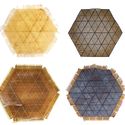
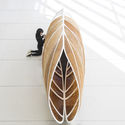
Neri Oxman and MIT have developed programmable water-based biocomposites for digital design and fabrication. Named Aguahoja, the project has exhibited both a pavilion and a series of artifacts constructed from molecular components found in tree branches, insect exoskeletons, and our own bones. It uses natural ecosystems as inspiration for a material production process that produces no waste. “Derived from organic matter, printed by a robot, and shaped by water, this work points toward a future where the grown and the made unite.”
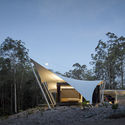
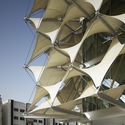
Capable of transforming a facade or shaping a sculptural roof form, tensile structures test the limits of our imagination (and understanding of geometry). This week’s photo set features structures that rely on cables, anchors, posts and membranes to create expansive, dramatic spans of open space bathed in natural light. Stark shadows and fair curves make tensile structures particularly photogenic, as captured in this set of images from Christopher Frederick Jones, Marie-Françoise Plissart, Yoshihiro Koitani and more.
As architects, we all have a 'thing' for walls, windows, and everything in-between. The aptly named Instagram account @ihaveathingforwalls celebrates the beauty of walls—the peeling, the painted, the colorful, the dilapidated. As a curated selection of submissions from their followers, the page displays photographs of walls from Warsaw to Hong Kong; snapshots of beauty from everyday life.
Take a tour of walls across the globe below, and feel inspired to pay a little more attention to the surfaces around you:
As self-driven cars are being introduced to our city streets and tech companies have expanded their influence far beyond the boundaries of our computer and smartphone displays, a new generation of architects are charged with imagining how to employ the technology of tomorrow in ways that will advance and improve the world’s built environments. With autonomous transportation, virtual and augmented reality and artificial intelligence promising unprecedented tools for revolutionizing human infrastructure in a future that no longer feels particularly distant, present-day data gathering and analysis capabilities have already transformed our ability to understand trends on an unforeseen scale.
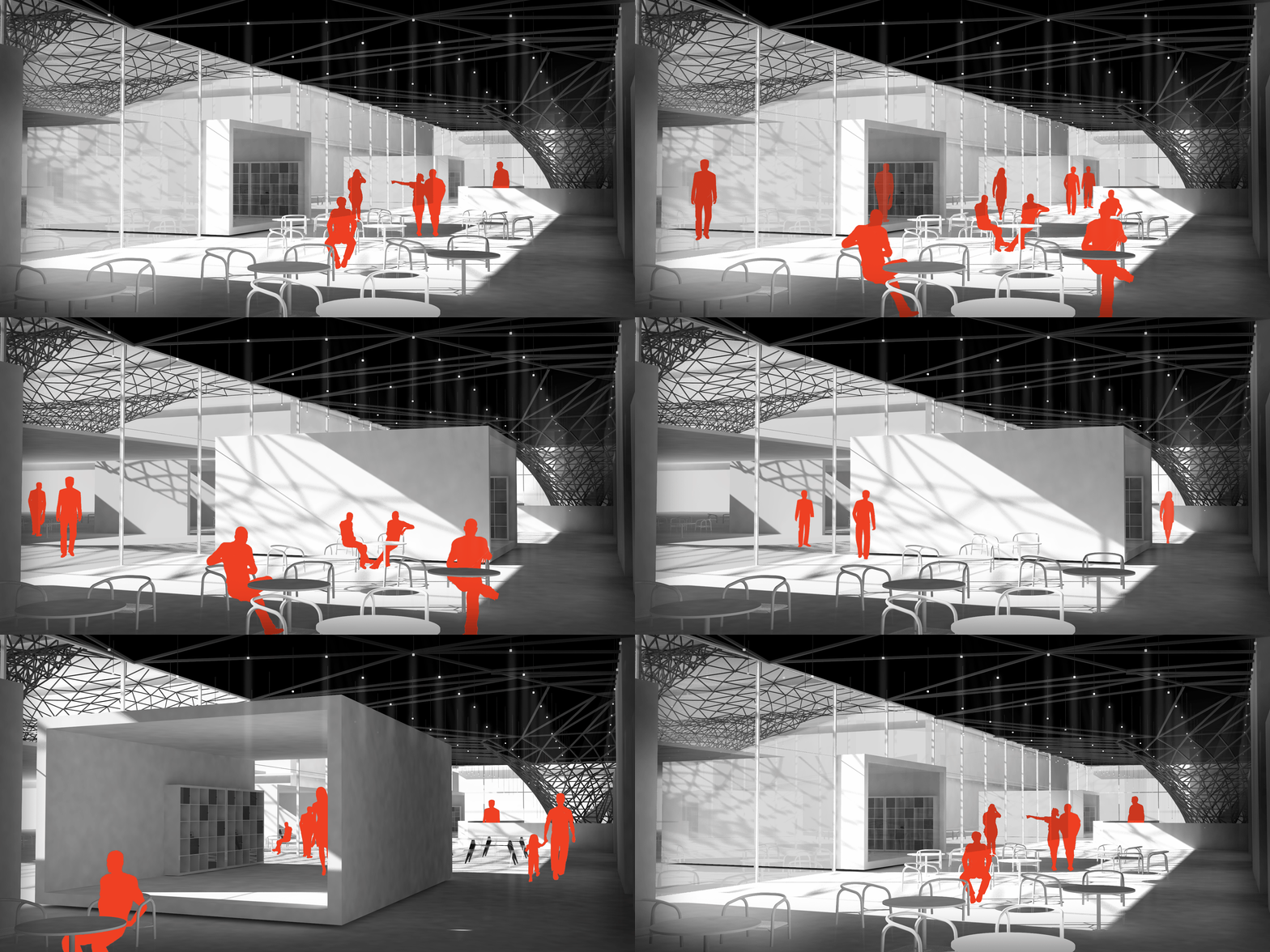
Taking full advantage of modern data science capabilities and semi-automated robotic technology currently deployed in factory settings around the world, Masters candidate Stanislas Chaillou from the Harvard GSD imagines how today’s new tech could help realize the longtime architectural ambition of creating flexible buildings capable of adapting to variable uses.
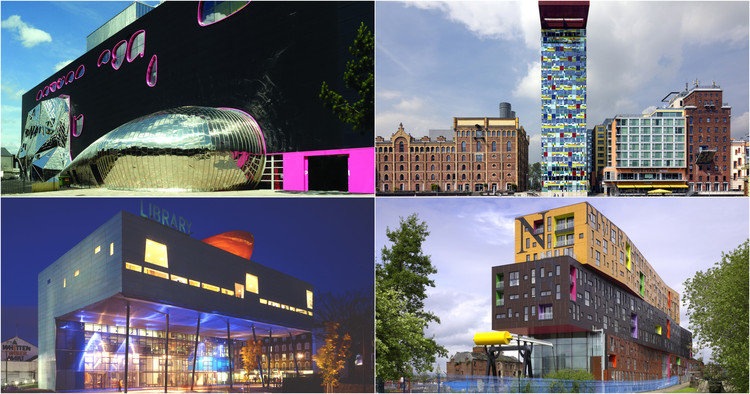
The late British architect Will Alsop was noted for his exuberant and irreverent attitude that took material form in his expressive, painterly portfolio of educational, civic, and residential works. At the ripe age of 23, he was awarded second place in the 1971 Centre Georges Pompidou. From there, he went on to work for the ever humorous Cedric Price before establishing his practice with John Lyall, and eventually many others, in the early 1980s. With a career spanning almost fifty years, here are ten iconic works from an architect who never missed an opportunity to play.
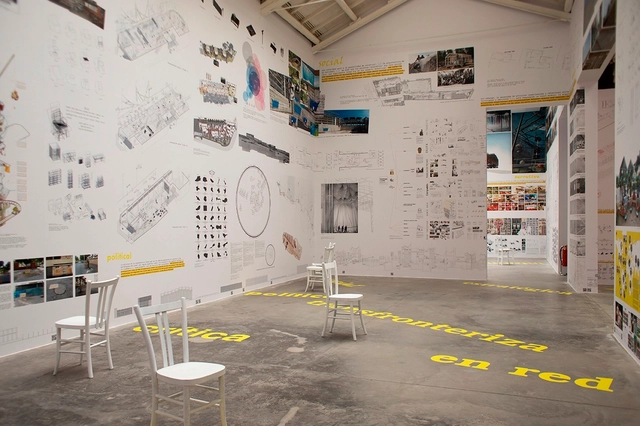
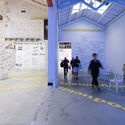
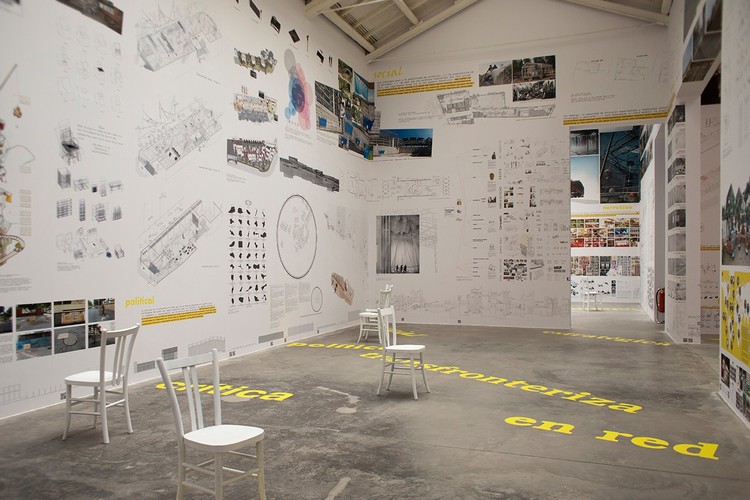
As part of our 2018 Venice Architecture Biennale coverage, we present the completed Spanish Pavilion. Below, the curatorial team describes the exhibition in their own words.
Becoming, the Spanish Pavilion at the Venice Biennale 2018, seeks to respond to the general theme of the event through the proposals and research being developed in the different learning environments within the country, placing special emphasis on the architect's new multidisciplinary profile.
The exhibition, curated by the architect Atxu Amann, has occupied most of its budget in restoring the building in which it is located, "tattooing" its interior walls to load them with 143 proposals that are unified through 52 relevant concepts to our discipline today.
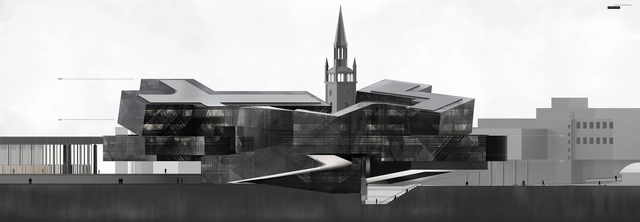
Luciano Menghini (IG: @lmenghini) – Advisor: Peter Testa
SCI-Arc's B.Arch thesis students recently presented their final thesis projects at the 2018 B.Arch Thesis Reviews, aimed at fostering discussion, debate, and mapping out new directions for architecture. The culmination of the school's five-year Bachelor of Architecture (B.Arch) curriculum, the year-long thesis program challenges the next generation of designers to take clear positions, form new perspectives regarding existing challenges, and conceive solutions for issues that architects will face in the future.
Which building is better, the duck or the ornamented shed? More importantly, what kind of architecture does the average American prefer? In their landmark 1972 publication Learning From Las Vegas, Denise Scott Brown and Robert Venturi probed these questions by turning their back on paternalistic modernism in favor of the glowing, overtly kitsch, and symbolic Mecca of the Las Vegas strip. From a chance encounter during a meeting in the Library of Fine Arts at the University of Pennsylvania and shared trips to the strip to critically shaping a new generation of architects, discover the hidden details of the romance and city that defined postmodernism in this latest episode from 99% Invisible.
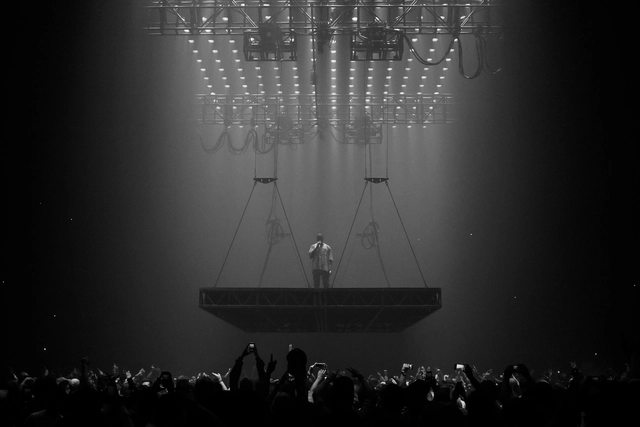
Since the publication of “Keep Talking Kanye: An Architect’s Defense of Kanye West” I have become an unwilling Kanye apologist. Each time he produces music that tempts us to use the moniker “creative genius” he quickly follows with an interview or tweet that makes him look like anything but. Invariably thereafter, a chain of text messages and emails with titles like “just to irritate you” or “come get your boy” begin to flood my inbox. My standard response is often no different from SNL’s Michael Che on Weekend Update: when presented with a headshot of Kanye and the caption “slavery was a choice” the comedian shakes his head and states simply, “Pass!” However, now that Kanye has once again entered the sphere of architectural discourse with a proposed new endeavor called “Yeezy Home” I am compelled to intervene once again with a more direct “put up or shut up” message.
When Walter Gropius created his renowned school of design and arts in 1919, he devised it as a place open to "any person of good reputation, regardless of age or sex," a space where there would be "no differences between the fairer sex and the stronger sex." His idea occurred in a period when women still had to ask permission to enter fields that were once off-limits. If women received an artistic education, it was imparted within the intimacy of their home. But at the Bauhaus and the Gropius school, they were welcome and their registration was accepted. Gropius' idea was so well-received that more women applied than men.
https://www.archdaily.com/890807/the-lost-history-of-the-women-of-the-bauhausMariángeles García
Architecture's reliance on digital tools is rapidly advancing. Building Information Modeling (BIM) and augmented and virtual reality are quickly becoming the industry standard, along with more and more design businesses putting more effort and money into creating a stronger online presence. Because of this recent shift in focus, many firms have also begun experimenting with digital marketing strategies.
Content creation is at the heart of any successful online business, so what does that look like in the field of architecture? These 4 examples of content could help you begin to monetize your designs and/or practice online. By no means are these 4 examples the only means to grow a design business, but all 4 take advantage of the present trajectory of architectural practice, leveraging the possibilities of an increasingly digital world.
A few weeks ago we published an article on a recent sustainability crisis that often goes unnoticed. The construction industry has been consuming an exorbitant amount of sand, and it's gradually depleting. When used for manufacturing concrete, glass, and other materials, it is a matter that should concern us. Construction is one of the largest producers of solid waste in the world. For instance, Brazil represents about 50% to 70% of the total solid waste produced. But how can we change this situation if most of the materials we use are not renewable, and therefore, finite?
Popularized in Europe and gradually gaining attention in the rest of the world, Cross Laminated Timber (CLT) stands out for its strength, appearance, versatility, and sustainability.





















.jpg?1526900955&format=webp&width=640&height=580)