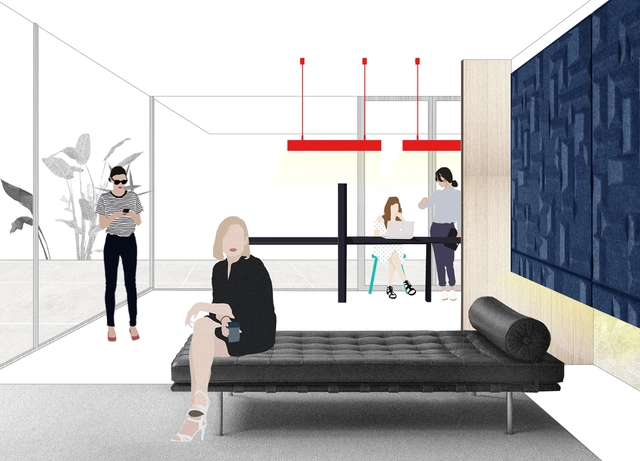
Over the last year, 6,900 million m2 have been built for office spaces (an increase of 12% compared to the previous year), according to a study by Avison Young that investigates the real estate market of offices in North America, Europe and Asia.


Over the last year, 6,900 million m2 have been built for office spaces (an increase of 12% compared to the previous year), according to a study by Avison Young that investigates the real estate market of offices in North America, Europe and Asia.
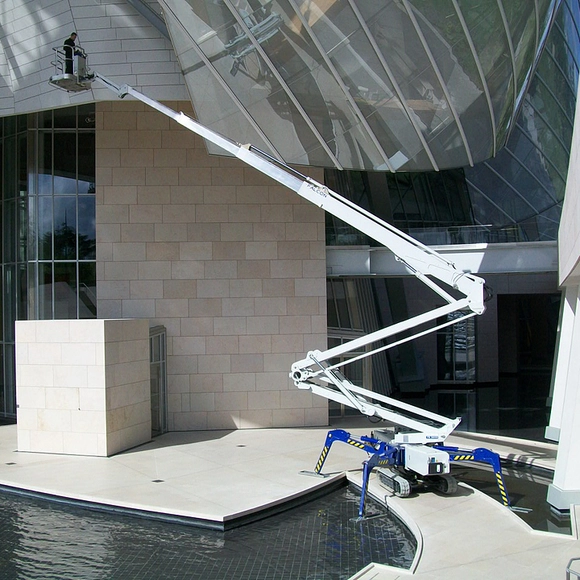
Architecture and design influence not merely the aesthetics of buildings and other physical surroundings, but also the way individuals perceive and go about performing everyday activities. Contemporary architecture considers and shapes the behavior of people, whether at home, at work or during leisure activities. In this regard, contemporary architecture increasingly incorporates diverse materials with different and unique qualities in order to create surroundings that facilitate the intended and naturally occurring behavior of visitors and everyday users. Architects thus create spaces that enable people to perform daily tasks and a range of everyday social activities. However, architects also play a vital role in securing the future maintenance of newly designed buildings in order to ensure the continued existence of these physical spaces.
Halloween. A day plagued by ghost, ghouls, and goblins. Historically, on All Hallows' Evening, many believed that spirits could return to the earthly world. On this frightful occasion, we’re highlighting phantoms from the beyond that have entered the architectural realm. Below, 13 hellish projects and their supernatural counterparts. Scroll down if you dare.
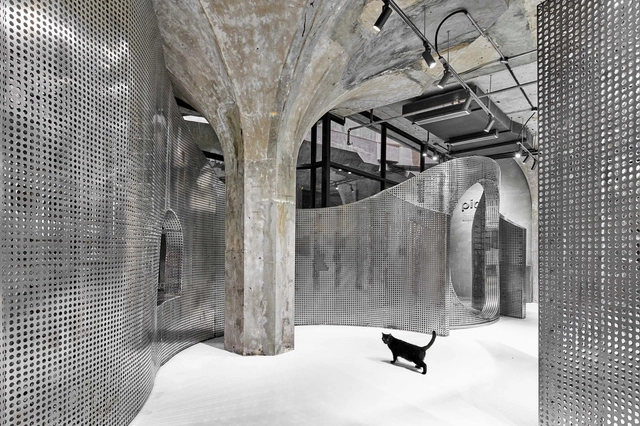
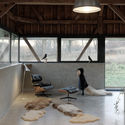
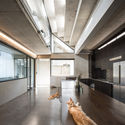
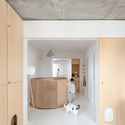
Cats just don’t care. They don’t care if you bought them gourmet food. They don’t care if you got them customized furniture or luxury cardboard boxes, and they definitely don’t care if they are barging into an architectural photo shoot (although, we do think it’s their way of being the center of attention).
Don't believe us? Here's a collection of photographs collected from our projects database where cats are clearly not trying to steal the spotlight.
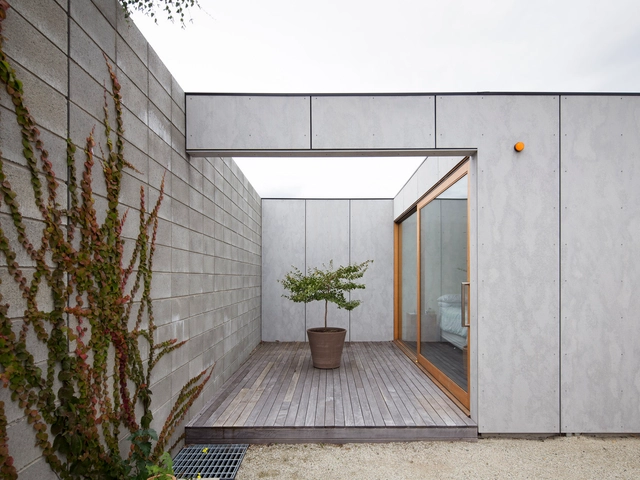
How to build light and modular facades with a rustic and monolithic appearance?
Composed of cement, cellulose, and mineral materials, fiber cement allows us to clad walls in a light, non-combustible, and rain-resistant way, generating facades with different textures, colors, and tones. Its panels are easily manageable and perforable, and can configure ventilated facades when installed with a certain separation between the rear wall. Check out 9 projects below that have cleverly used fiber cement as the primary material in facades.
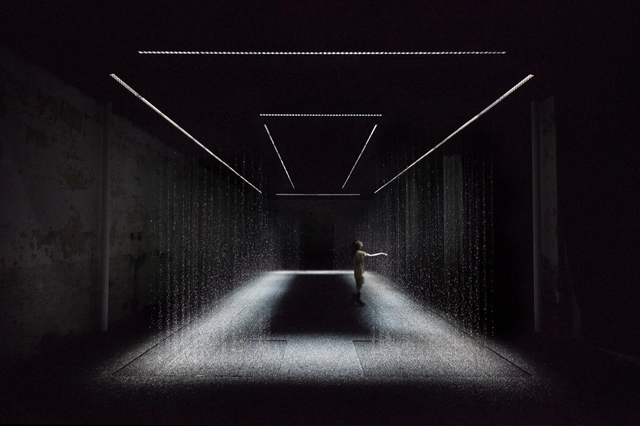
The use of light and shadow in architecture can have several nuances. The traditional Japanese culture stands out for working with spaces of dim light, kind of dull. On the other hand, modern architecture and minimalism work along with illuminating spaces through the use of white spaces and reflection of light as a recurring resource.
Even so, black, dark spaces and minimalism also converse in the same language that provides new possibilities for lighting design and use of new materials. We now present you a selection of the best contemporary interior spaces that use black as the protagonist element, generating introspective but dramatic environments at the same time.

Located in a prime location in the city of Taipei, the invaluable large open space at the Taiwan Contemporary Culture Lab (C-LAB) is historically significant as it used to be home to the Industrial Research Institute of the Taiwanese Governor-General’s Office and also the Air Force Command Headquarters under the Ministry of National Defense. Since the Ministry of Culture took over its operations in 2018, C-LAB has become a place for art and cultural experimentation, with various participatory events and actions initiated and reflections and imaginations for contemporary urban space and lifestyle projected.

By 2050, the world’s population is expected to have exceeded 10 billion people, making overcrowded cities one of the most pressing issues of the present. Data analysis, machine learning, transportation developments, and the rapid development of new social technologies are increasingly changing the needs of people and communities, which will have a direct impact on the issue of overcrowding and on our built environment more largely.

A wave of service providers and clinics is using catchy branding and interior design to attract patients frustrated with old-guard medical facilities. But is further commodification of health care the answer?

A few years ago I signed up for Oscar health insurance. Cofounded in 2012 by Joshua Kushner and headquartered in New York City, it was the health-care plan most of my similarly freelance friends used. Plus, if you lived in Brooklyn, as I did at the time, you could easily visit its Oscar Center, a primary-care space in a warehouse loft that also boasted the offices of literary magazines. I went in for a checkup, feeling slightly nervous as with any doctor appointment, but was surprised when I opened the door onto a spacious, minimalist, wood-floored, primary-colored office installed with glass walls and snake plants. There was even a yoga room adorned with the decal “Let the Healing Begin.”
_Dean_Kaufman.jpg?1477582154&format=webp&width=640&height=580)
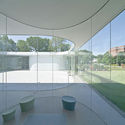
Founded in 1995 by architects Kazuyo Sejima (born 29 October 1956) and Ryue Nishizawa (born 7 February 1966), SANAA is world-renowned for its white, light buildings grounded in the architects’ Japanese cultural origins. Despite the white exteriors, their architecture is far from modernist; the constant incorporation of ambiguity and doubt in SANAA’s buildings is refreshing and playful, taking the reflective properties of glass and brightness of white to a new level.

With increasingly smaller homes and apartments, there has been a growing impulse to integrate plant species into interior spaces. But what kind of plants should be used for an environment lacking in abundant natural light? In this article, you will find some suggestions for species recommended for shaded or semi-shaded environments, an especially important distinction when we talk about interior spaces that receive little sunlight.
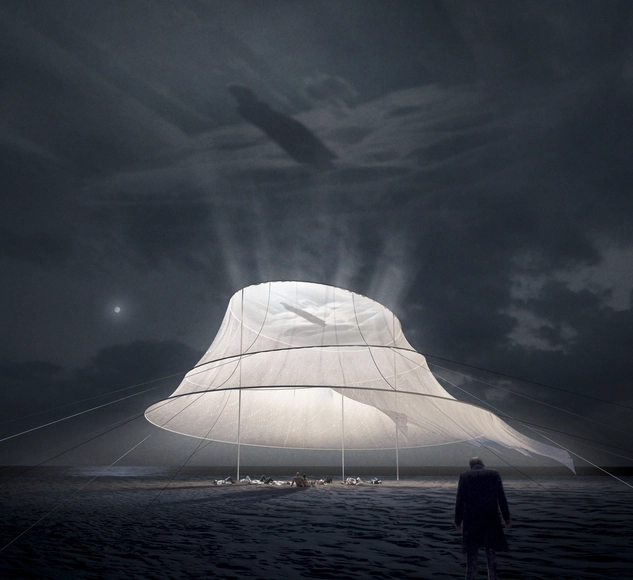
Since 2017, the Cyprus School of Architecture (CYSOA) holds a series of architectural competitions of installations and design implementations on the public beach of Geroskipou, Greece.
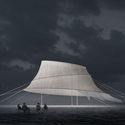
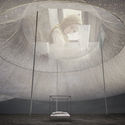
2018’s winning proposal by Russian firm KATARSIS Architects presented a beach cinema project titled Sky Cinema, a translucent structure that serves as both a canopy and screen.
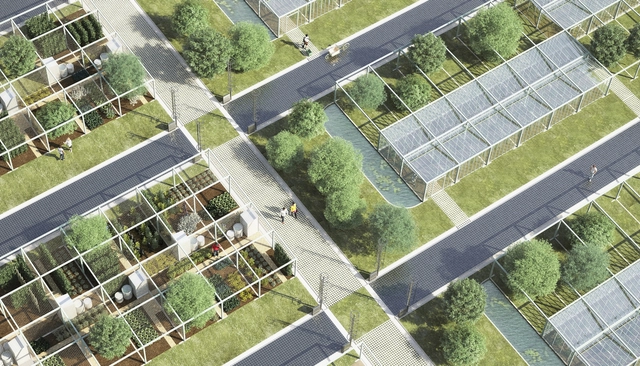
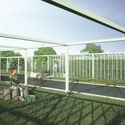
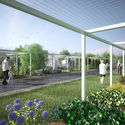
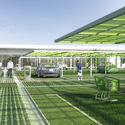
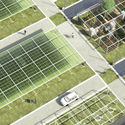
Every year, France uses 66,600 tons of plant protection pesticides for its agriculture and produces 4.5 million tons of plastics, of which only 22% are recycled. Almost 48,000 deaths are attributed to fine particle pollution and automobile activity, and the planet is still expected to endure. In such grave situations, urban developments have become subject to new ecological criteria that focus on finding biodiverse solutions for both public and private sectors.
In compliance with the United Nations Sustainable Development Goals Agenda 2030 that aims to find eco-responsible urban solutions, Studio NAB created Car Parks 2.0, an ecological parking space that rethinks commercial parking areas and transforms it into a more sustainable and humane place.
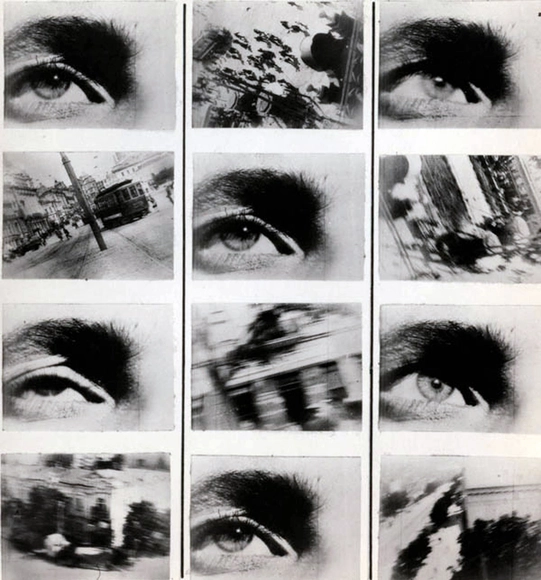
What happens when the sensor-imbued city acquires the ability to see – almost as if it had eyes? Ahead of the 2019 Shenzhen Biennale of Urbanism\Architecture (UABB), titled "Urban Interactions," ArchDaily is working with the curators of the "Eyes of the City" section at the Biennial to stimulate a discussion on how new technologies – and Artificial Intelligence in particular – might impact architecture and urban life. Here you can read the “Eyes of the City” curatorial statement by Carlo Ratti, the Politecnico di Torino and SCUT.
Ever since the Lumière brothers trained their camera on La Place des Cordeliers in Lyon in 1895, cinema has shaped our collective urban imagination. For 125 years, film has relentlessly recorded the deaths and lives of not just great American cities but of all great – and not so great – cities the world over. Film-makers have observed, expressed, characterized, interpreted and portrayed hundreds of thousands of city streets. By charting the cities’ evolution across the 20th century to present days, films are the quintessential Eyes on and of the City.
_1963..jpg?1571935874&format=webp&width=640&height=580)
Flying Panels - How Concrete Panels Changed the World is a new ArkDes exhibition designed by Note Design Studio and curated by Pedro Ignacio Alonso and Hugo Palmarola - authors of the Monolith Controversies exhibition, the winner of the Silver Lion award at the 14th Venice Architecture Biennale in 2014.
It brings together a series models and material as posters, paintings, films, toys, cartoons and opera sets are gathered to reflect on how concrete panels influenced culture for the construction of a new society.
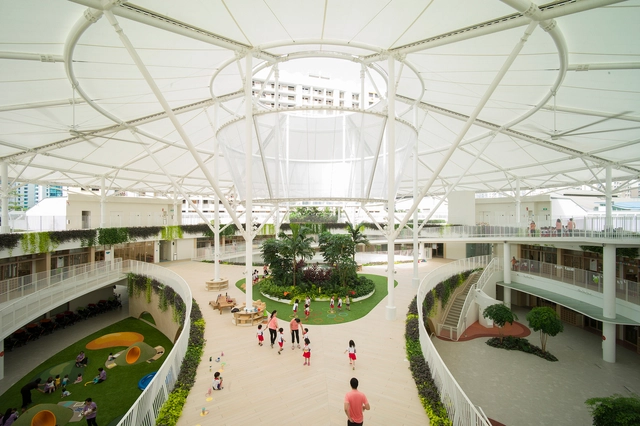
The most important part of children's education happens in the playground, instead of in the classroom. Despite this, many times we find huge empty school playgrounds.
Due to its importance and meaning, many schools and educational institutions have broken traditional paradigms and have opted to explore new possibilities. We have selected innovative examples, in which, through the use of specially designed equipment, strident colors and a variety of textures, they allow recreation areas to promote exchange, learning, and discovery.
.jpg?1571355421&format=webp&width=640&height=580)
Biophilic design enhances occupant connectivity to the natural environment and continues to influence commercial architecture and interior design. Biophilia, the idea that humans innately seek connections to nature, can be reflected in a broad range of elements when it comes to design; daylighting, views of nature, and the use of organic patterns are examples of ways to include biophilic design in a space. A designer may also incorporate the careful use of natural materials such as wood products, stones, and leathers. This design aesthetic’s proven effects on building occupants’ wellbeing is evident in reduced stress for office workers, faster healing times for healthcare patients, and higher test scores for students.
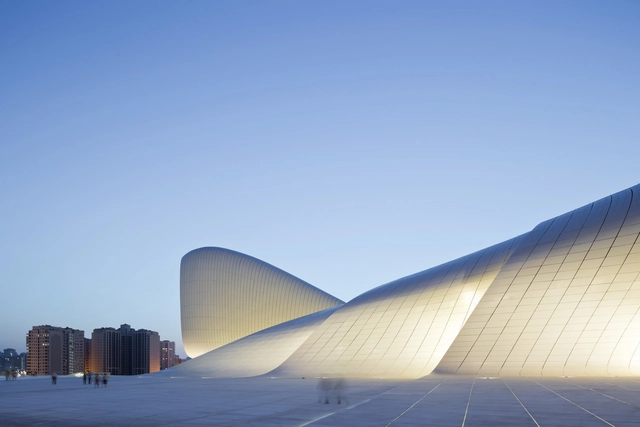
Concrete is the second-most used material on earth. It is also the second-largest emitter of CO2, with cement manufacturing accounting for 5 to 7 percent of annual emissions. The continued popularity of concrete as a material of choice in the design and construction industry, coupled with increasing unease of the environmental consequences, has put concrete firmly in the spotlight of innovation and experimentation. As a result, designers, architects, and researchers around the world are generating multiple visions for what the future of concrete in architecture could look like.




_Dean_Kaufman.jpg?1477582154 "Grace Farms / SANAA. Image © Dean Kaufman")

.jpg?1477667050 "New Museum / SANAA. Image © Laurian Ghinitoiu")
_Dean_Kaufman.jpg?1477582154)