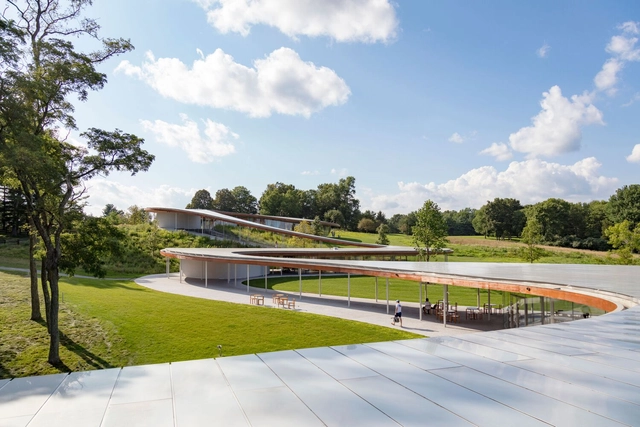
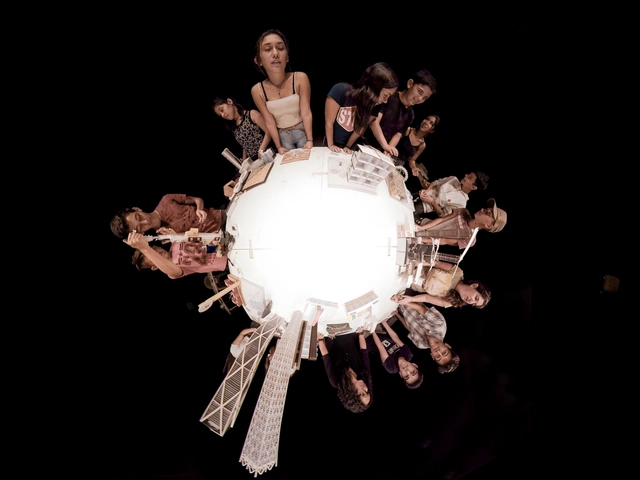
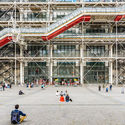
After being shut down for more than a year, museums across the world are beginning to show signs of reopening. Most architecture and design events that were scheduled for 2020 have been pushed a year or two, depending on the severity of the pandemic in their respective regions. But while museums are open to the public once again, administrators have installed numerous precaution measures to ensure the safety of visitors and curators, and to avoid potential re-closures.
As international travels have been revived by government officials, and tourism is expected to recover gradually, read on to discover 18 museums and exhibitions that have begun welcoming visitors into their exhibition spaces as of May 2021, and the procedures required from the attendees before and during visitations.
Videos
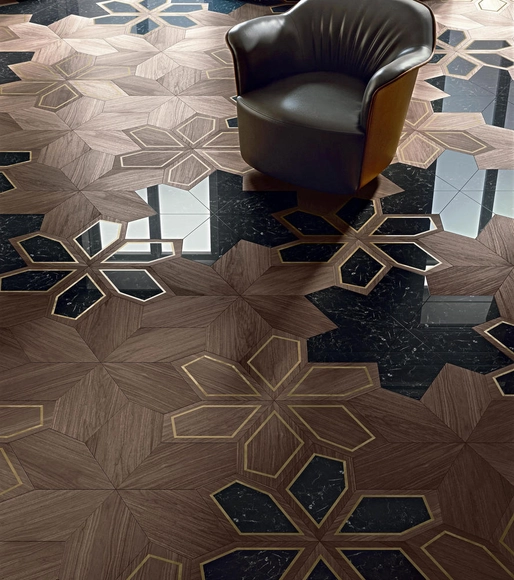
Azalea’s glossy marble and shiny brass capture natural light. Image Courtesy of Foglie d'Oro
Italian manufacturer Foglie d'Oro brings high-quality, responsibly sourced materials and precision craftsmanship together with as much expertise as the elements in its high-end parquet floors.
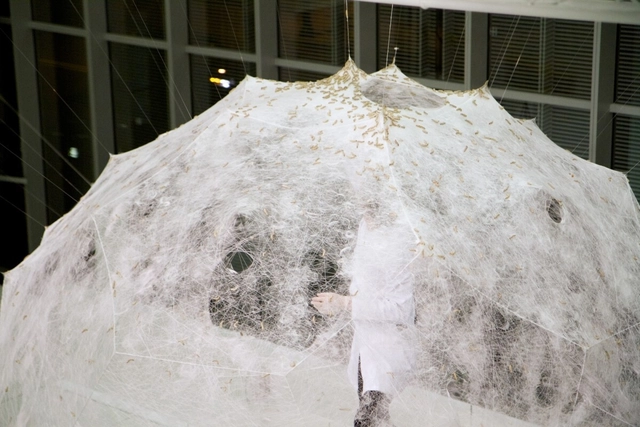
Popularly known as the lotus, the aquatic species Nelumbo nucifera has a useful particularity. Its leaves are self-cleaning, or ultra-hydrophobic. This means that no particles of dirt or water adhere to its leaf, which is especially useful in the humid and muddy environments where the plant typically grows. However, this effect does not derive from a perfectly smooth surface or a resinous layer on the leaves. The lotus is, in fact, full of tiny folds that reduce the area of the contact surface and repel all the particles that try to adhere there. The lotus effect has been studied by nanotechnologists in order to apply this same effect to products, such as surfaces, paints, fabrics, and tiles that can easily clean themselves. As trivial as this may seem, when we think of the resources applied to cleaning skyscraper glass or even of the reduction in photovoltaic energy generation due to dust on solar panels, we can get a sense of the infinite possibilities that hydrophobic surfaces could represent.
Nature, over billions of years, has developed adaptive solutions that are beginning to be understood by us with new technologies applied to the needs of areas such as the construction industry. When professionals such as scientists, biologists, engineers, architects, and others join forces and focus on understanding aspects of nature, with an empathetic and respectful view, the results can be impressive.
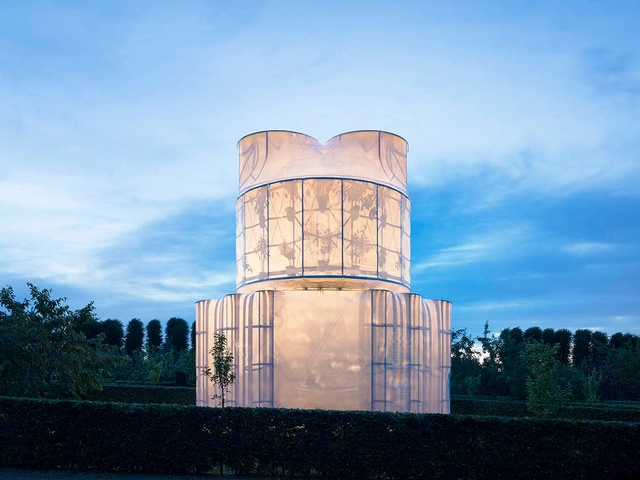
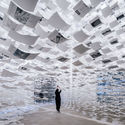
Whether made from natural or synthetic fibers, textiles have played a part in architectural design since time immemorial; however, it wasn't until the era of industrialization and advancements in technology that high-quality textiles could be made and utilized en masse. Most often, they have been used to enclose temporary structures like medical tents and emergency housing thanks to their mobility and ease of assembly.
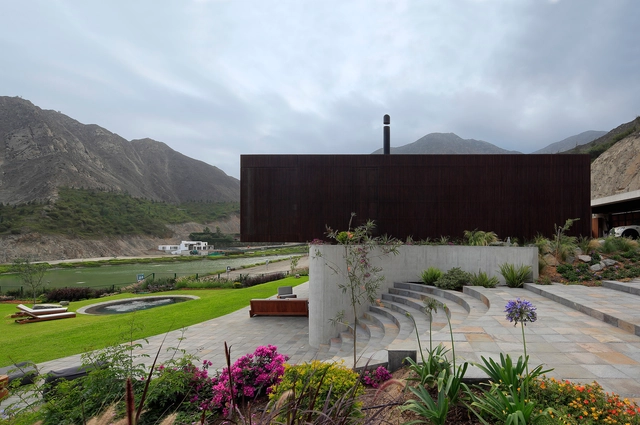
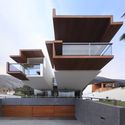
Almost 80% of South America is tropical land. In Peru, close to two-thirds is covered by the Amazon rainforest, more than in any other country. These landscape conditions give rise to unique living conditions, and in turn, shape Peru’s contemporary architecture. Today, new homes are built to embrace nature and create space for everyday life.
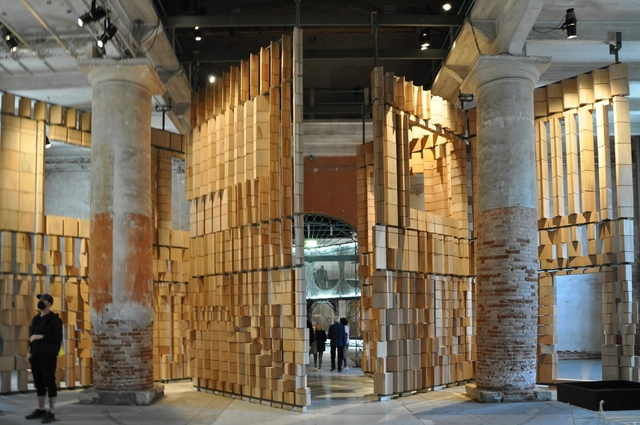
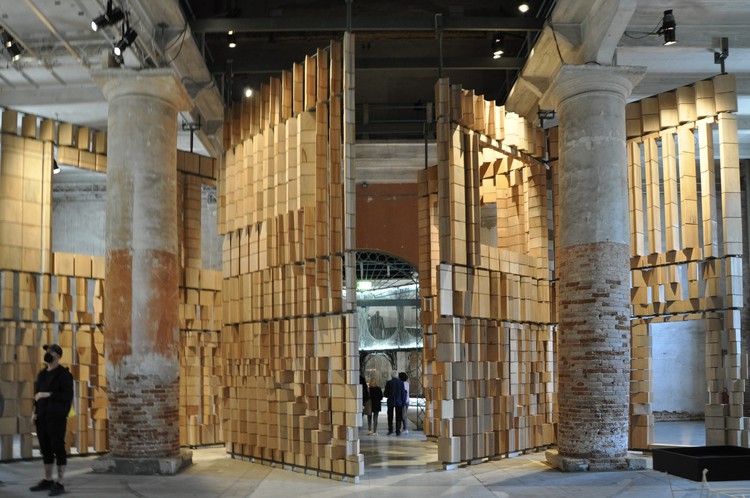
The 2021 Venice Architecture Biennale finally opened its doors to the public, on May 22nd, despite all odds and after two postponements. Presenting 115 different responses to “How will we live together”, the architectural exhibition gathered innovative answers from across the globe, all arising from a common determination to change the status quo. Bringing people who face the same issues together to partake in a vital exchange of ideas, the 17th edition has amplified the role and status of the Biennale as the biggest platform for architecture.
Onsite, in Venice, ArchDaily had the chance to meet with curator Hashim Sarkis, to discuss once more the ever-growing relevance of the biennale, different overlapping scales and fields, recurring qualities, and the international language of architecture. Hoping that “people will walk out of the biennale with a stronger belief in architecture as being a medium that can make a difference”, Sarkis in his third interview talks of a collective imaginary that can inspire new spatial contracts.
Text Courtesy of Reutov Design. Among the endless movement of millions of people and cars, you often want to get in touch with nature. Here is an oasis in the midst of a raging stream. The concept of the cafe, developed by ReutovDesign studio, combines a creative interpretation of modern design and natural style.
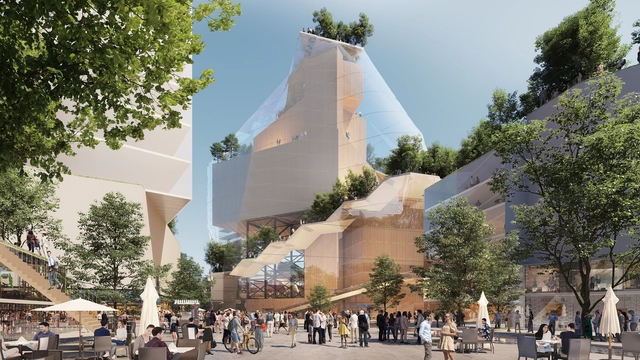
Reflecting on the future of shopping centres and addressing their decline in visitors, MVRDV's Heuvelkwartier design proposes converting Eindhoven's Heuvel shopping venue into a green cultural quarter. The project brings together retail, culture and recreation, expanding the existing buildings while transforming the roofs into a park. The proposal also expands the Muziekgebouw with a stacked cultural building encased in a "glass mountain", creating a new landmark for Heuvel.
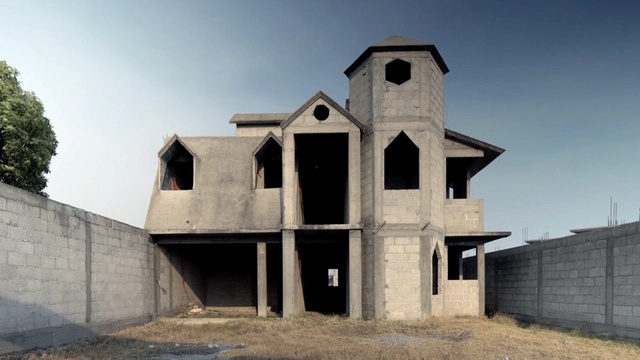
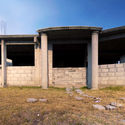
“Abandonment Copies” is a research project created between 2016 and 2018 by artist Sandra Calvo consisting of a film, archives, drawings, interviews, and a video display which was exhibited in the Mexican pavilion during the 2021 Biennial of Venice. The project highlights architecture as a reflection of the migration process between Mexico and the United States, comparing and contrasting the houses where migrants work in the US and the ones they build in Mexico with the remittances they send.
Recent years have seen an increased acknowledgement of the collective endeavour that is architecture and a better valuing of the different professions that participate in the design process. Within every extraordinary building, structural engineering plays an essential role in delivering the architectural vision. The article highlights the past and present contributions of engineering to the built environment, personalities that have stood in the shadow of architects delivering their design intent, and the collaboration between engineers and architects today.
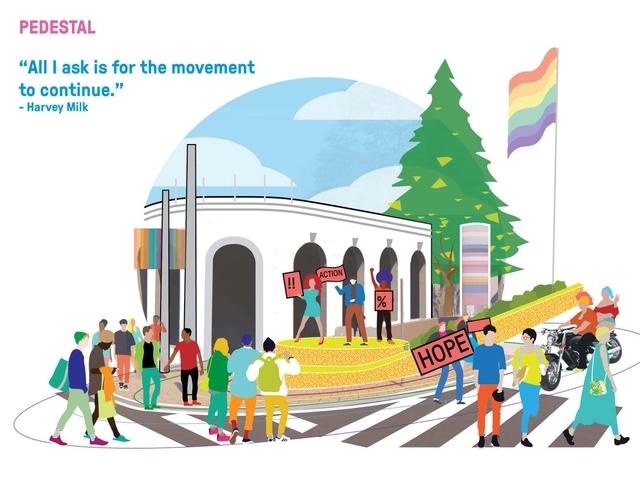
Courtesy of Friends of Harvey Milk Plaza & SWA Group
Matt Hickman reports on San Francisco's latest inclusive memorial, for the Architect's Newspaper, designed by SWA, a firm that operates two Bay Area studios (San Francisco and Sausalito) as well as offices in Texas, Southern California, New York City, and Shanghai. Selected by FHMP from a shortlist of four firms that submitted proposals, out of 17 invited offices, SWA shared their winning conceptual design for the memorial at Harvey Milk Plaza.
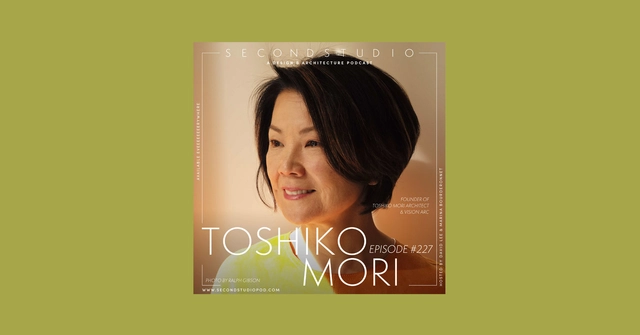
The Second Studio (formerly The Midnight Charette) is an explicit podcast about design, architecture, and the everyday. Hosted by Architects David Lee and Marina Bourderonnet, it features different creative professionals in unscripted conversations that allow for thoughtful takes and personal discussions.
A variety of subjects are covered with honesty and humor: some episodes are interviews, while others are tips for fellow designers, reviews of buildings and other projects, or casual explorations of everyday life and design. The Second Studio is also available on iTunes, Spotify, and YouTube.
This week David and Marina are joined by Architect Toshiko Mori to discuss her moving from Japan to New York City at a young age, attending The Cooper Union for Art and Architecture, starting her own practice and VisionArc, witnessing the 9/11 attack, her design process, creating a temporary concert hall, and more.
https://www.archdaily.com/962165/the-second-studio-podcast-interview-with-toshiko-moriThe Second Studio Podcast
This video uses the architect character from the movie Indecent Proposal — named David Murphy and played by Woody Harrelson — to offer professional practice tips. David Murphy engages in a series of risky business practices and repeatedly makes decisions that lead to glaring firm mismanagement. However, his most egregious oversight, and the real ‘indecent proposal’ is meeting a billionaire without cultivating him as a client. This error in judgement leads the wealthy businessman, played by Robert Redford, to purchase Murphy’s design right out from under him. In addition to the practical lessons for avoiding these pitfalls, the video also offers a character analysis that breaks down fundamental principles of Deconstructivist Architecture and other architectural references from the movie.
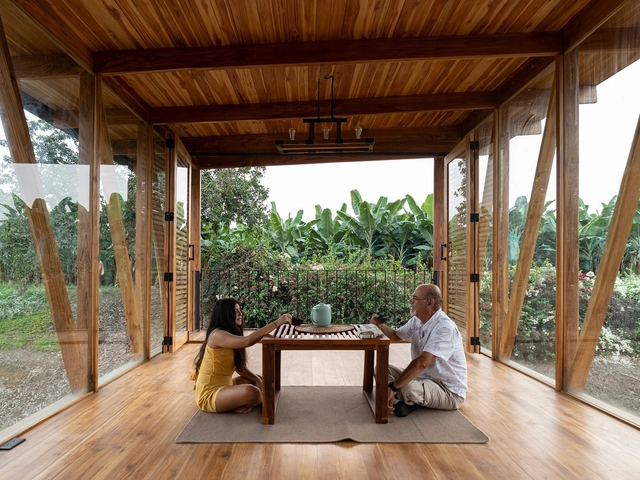
Chashitsu, which is the Japanese term for a teahouse or tea room is a construction specifically designed for holding the Tea Ceremony, a traditional Japanese ritual in which the host prepares and serves tea for guests. Teahouses are usually small, intimate wooden buildings, where every detail is intended to help withdraw the individual from the material disturbances of the world.
https://www.archdaily.com/962113/teahouses-reinterpretation-of-traditional-spacesClara Ott
Design can sometimes be mundane- except when it’s novelty architecture. These buildings uniquely and identifiably break away from the abstract, metaphorical, and often monotonous buildings that have classified modern-day design. Instead of favoring the steel and glass skyscrapers that serve as landmarks in cities around the world, they aim to poke fun at architecture in a way that’s jovial, commercial, and perhaps slightly more functional and expressive. Unlike other buildings, they are the literal embodiment of a thing itself, putting its function widely on display instead of hiding it within four austere walls.
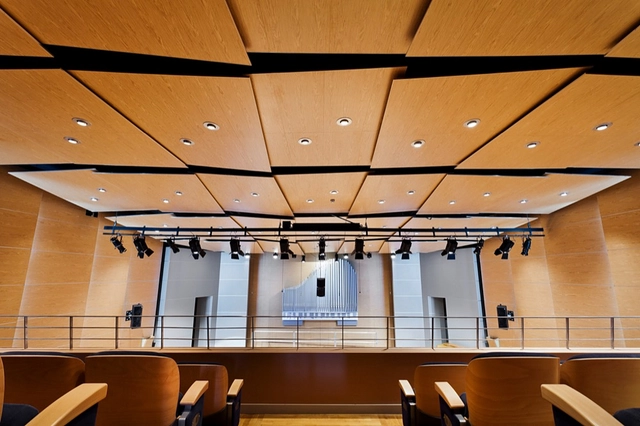
If you live in an apartment, you may unintentionally know the details of your neighbor's life by overhearing conversations through your shared walls. Or you keep awake when the dog that lives in the apartment above decides to take a walk in the middle of the night. If so, you may live in an apartment with inadequate sound insulation in its walls and/or slabs. As cities grow increasingly dense and builders seek to increase their profit margins, it is not uncommon for acoustic comfort to be overlooked in many architectural projects. When the resulting noise is excessive or unwanted, it impacts the human body, the mind, and daily activities. While not all spaces need to seal all types of sound, creating spaces with an adequate degree of soundproofing improves the quality of life of all users.
Exploring the question of slavery in Architecture, the building materials and the construction industry, Michael J. Crosbie interviews Sharon Prince, the women behind Design for Freedom, discussing the initiative's report "on the pervasive use of slavery in the design and construction industry, and how design professionals can respond".
https://www.archdaily.com/962116/architecture-and-the-stain-of-modern-day-slaveryMichael J. Crosbie
Coming soon. Visions from the minimum territory ("Próximamente") is the title of the Uruguay Pavilion at the Venice Biennale 2021, which will take place between May 22 and November 21, 2021.








.jpg?1621796850&format=webp&width=640&height=580)
.jpg?1621796702 "Courtesy of Reutov Dmitry, Gerner Ekaterina")
.jpg?1621796703 "Courtesy of Reutov Dmitry, Gerner Ekaterina")
.jpg?1621796877 "Courtesy of Reutov Dmitry, Gerner Ekaterina")
.jpg?1621796840 "Courtesy of Reutov Dmitry, Gerner Ekaterina")
.jpg?1621796850)













.jpg?1566868902 "Cortesia de Hunter Douglas Architectural")