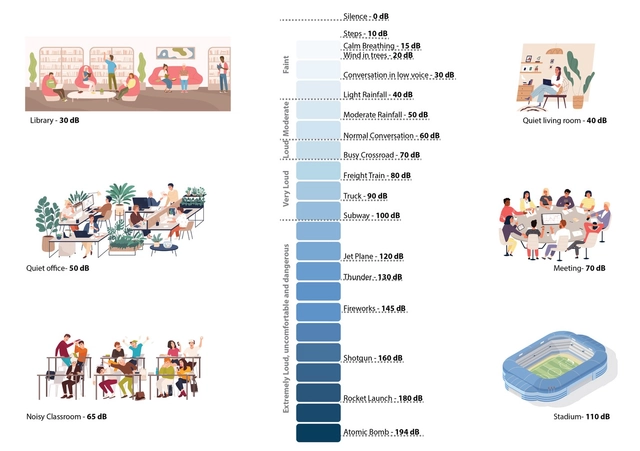
Noisy environments can significantly and negatively effect our bodies, and are a great villain to concentration, learning, and productivity in classrooms and offices. Headaches are one momentary symptom of noise. But staying exposed to very noisy places can bring greater problems such as hearing loss, lower concentration, high blood pressure, and even poor digestion. It can also trigger high levels of stress, sleep disturbances, mood changes, increased heart rate, and ringing in the ears. This is an invisible enemy and is often neglected in big cities with the noise of heavy traffic, demolition. and noisy equipment, such as generators and air conditioners. However, effective measures can be taken to avoid this unnecessary noise.
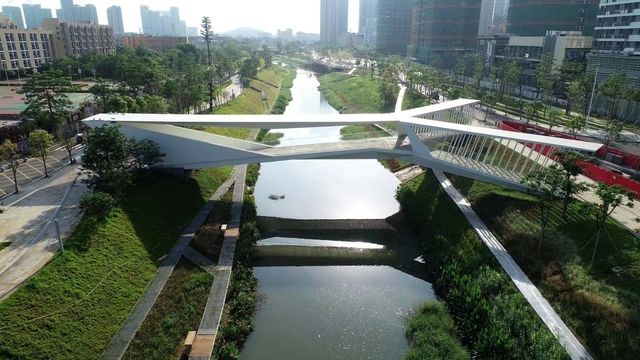
When we are discussing the definition of “structure”, the term varies within different disciplines. In the context of the built environment, "structure" refers to anything that is constructed or built from different interrelated parts with a fixed location on the ground.
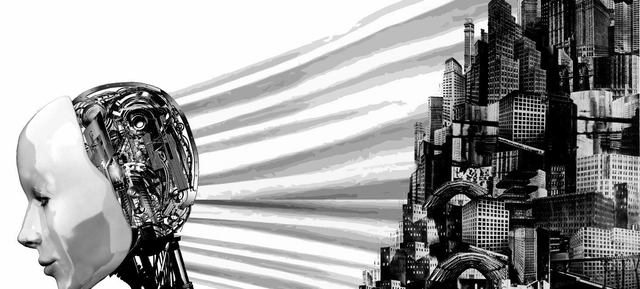
Martin C. Pedersen discusses with Frank Stasiowski, the founder and president of PSMJ Resources, his take on AI and the future of the profession. The author explains that six years ago he "interviewed Frank Stasiowski, the founder and president of PSMJ Resources, a management consulting firm that specializes in architecture, engineering, and construction firms. In addition to advising firms on strategic and growth planning, leadership and succession plans, mergers and acquisitions, and a host of other issues, Stasiowski spends a lot of his time analyzing where the industry is likely to evolve in the future, especially as technology takes an increasingly important role". Finding him one of the keenest observers of the industry, Pedersen talked to Stasiowski to get his opinion on AI and the future of the architectural profession.
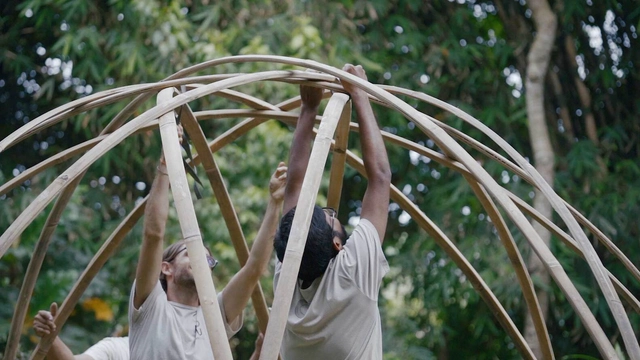
Bamboo has endless possibilities and when combined with creativity, it can lead to a wide range of interesting shapes. In its natural form, it is a straight, slightly tapering pole. But how do we bend it to create fluid, dynamic spaces? Bamboo is naturally flexible and can be flexed into a slight bend and simple framed structures can be built using bamboo’s natural straight form.
However, it requires specific techniques to achieve extensive curvilinear forms. In the structures we build here in Bali, there are 3 techniques to create curved structures using bamboo. These are:
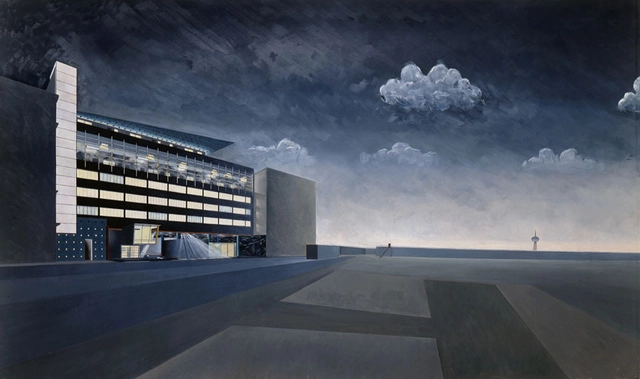
The Berlinische Galerie's exhibition Anything Goes? recounts how a global, contradictory Postmodernism took root on both sides of the Berlin Wall in the 1980s. Florian Heilmeyer in his piece originally published on Metropolis discusses the ambitious exhibition that was able to look simultaneously at both sides of the German city at that time.
Casa SB. Image Courtesy of Esrawe Studio by Joel Flores & Emanuel Miramontes
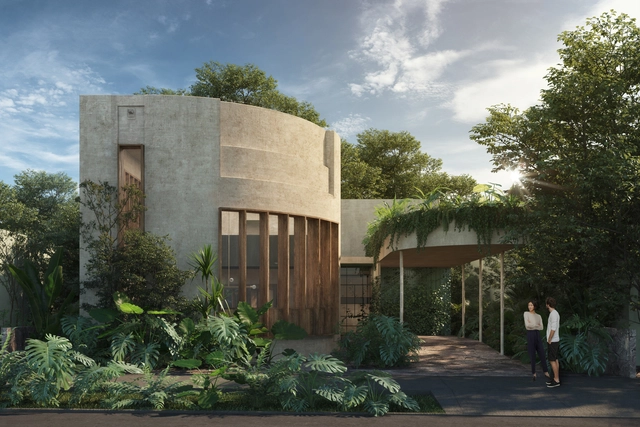
This week’s curated selection of Best Unbuilt Architecture highlights private residential projects submitted by the ArchDaily Community. From cabins in woods to oceanfront villas, this article explores private residential retreats and presents projects submitted to us from all over the world.
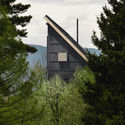
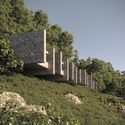
Featuring a house nestled in the Swiss forests, a private LA hillside house, and a hidden family house in the Lebanese mountains, this roundup explores how architects have merged landscape and contemporary architecture, and tucked away private residences, giving them the privacy and serenity they need. This round up also includes a collection of houses in Armenia, Mexico, Kenya, and El Salvador, each responding to different contexts, spatial needs, and topographies.
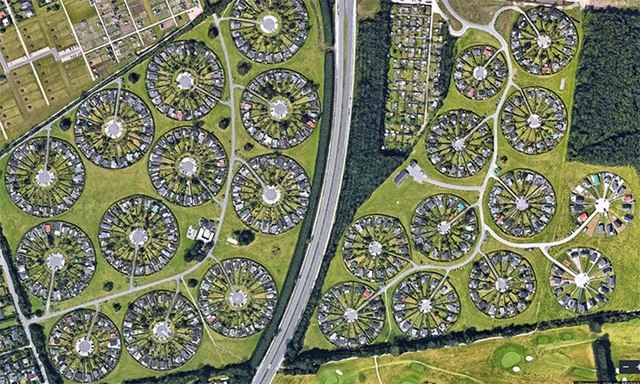
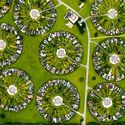
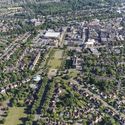
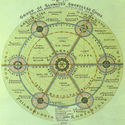
Following the Industrial Revolution, many European cities faced an unprecedented rise in the rate of population growth, intensified by the migration of people from rural areas to urban areas seeking better opportunities.
Although cities became more inviting, problems such as pollution and the growth of informal settlements also intensified. Meanwhile, the countryside provided proximity to nature and an abundance of natural resources, but it also suffered from isolation and a decrease in employment opportunities.
Videos
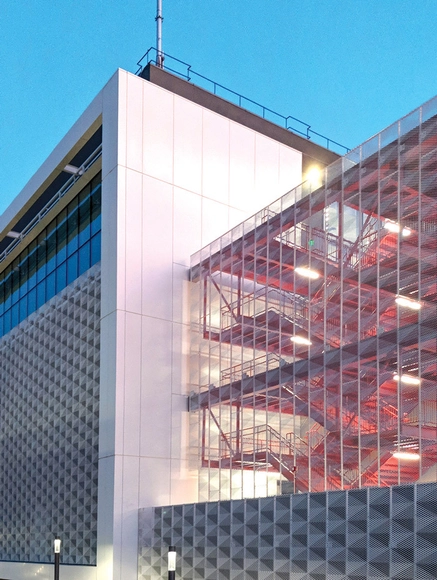
Moscone Center Expansion / Skidmore, Owings & Merrill + Mark Cavagnero Associates. Image Courtesy of BOK Modern
As every architect and professional working in the building industry knows, construction is a labor intensive and time consuming process. Expected difficulties with construction and installation can be compounded by unforeseen delays caused by mechanical errors, political or economic circumstances, or even weather. As such, some of the best construction products on the market work to minimize installation times and labor. BŌK Modern's Structurally Integrated Metal Panel System, for example, reduces installation time in the field and minimizes redundant supporting structural elements, which allows for savings in both materials and in the high cost of field labor. At the same time, their panel system provides superior customizability, making them ideal for a variety of different architectural and construction needs.
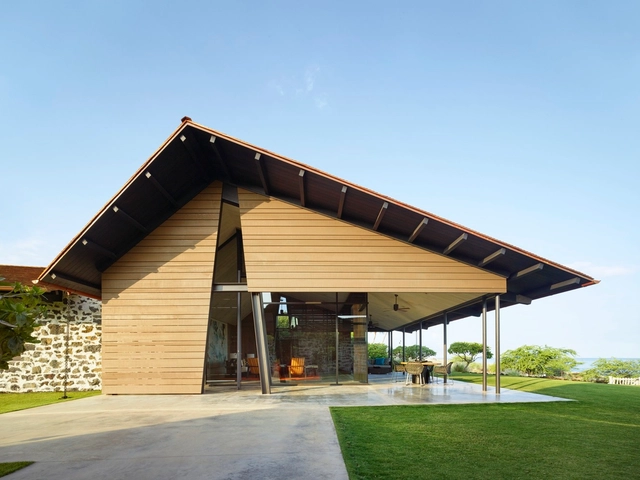
Hawaii has become a place that defines paradise. From pristine beaches and a warm climate to natural scenery and active volcanoes, the islands are home to incredible landscapes and culture. With indigenous and modern building styles, the state’s architecture is intimately tied to the environment. Reinterpreting historic building techniques and traditions, contemporary Hawaiian architecture balances a desire to honor the past while celebrating new experiences and modern culture. This has led to the formation of incredible spaces to live and dwell.
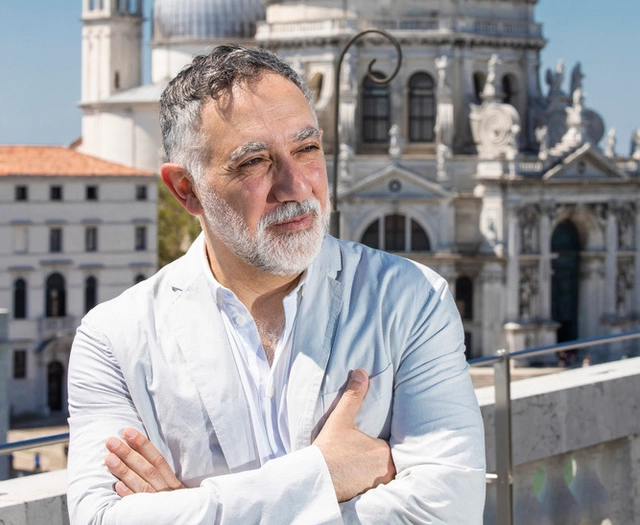
Scheduled originally from August to November 2020, the 17th Venice Architecture Biennale was postponed, like every other event this year, and will be held from May 22nd to November 21st, 2021, due to the pandemic. Questioning “How will we live together?” the original statement of curator Hashim Sarkis, called upon architects “to imagine spaces in which we can generously live together”. Relevant today more than ever, with the current worldwide circumstances, the theme of the Biennale is in fact the focus of interest of the global scene.
After having discussed “How will we live together?” in 2019 with Hashim Sarkis in Venice, ArchDaily had the chance to open the debate once more and re-examine the question of the Architecture Biennale. In a two-part interview, the architect tackles the theme, the Biennale, the present situation, and the future.
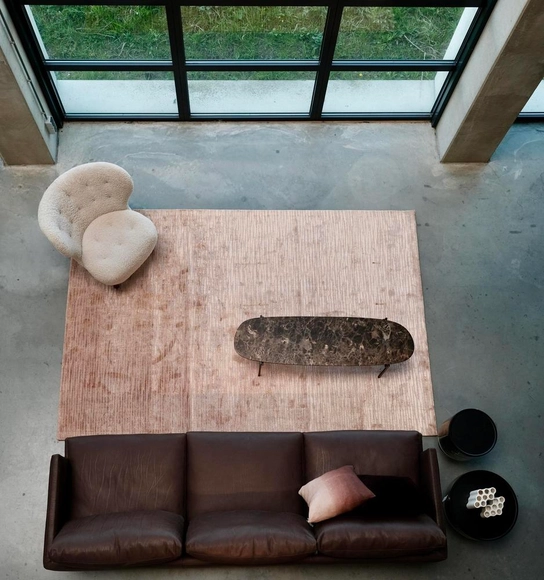
Text by Reutov Design. Reconstruction of a small creative office in a 19th-century building. This is the former Tsarist factory for the production of weapons. After the revolution and the Second World War under the USSR, a scientific and technical complex was placed here, and in the future, this place was completely abandoned, turning it into an old office center.
The CYO Oasis Bathroom . Image Courtesy of Dornbracht
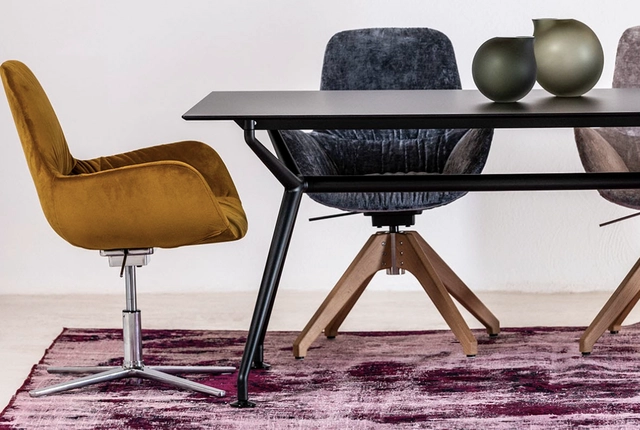
What we are currently experiencing in the world is a shift in values. A crisis like COVID-19 leads us to question how we want to live, who is important to us, how we should spend our time. As our needs change, we focus on enduring values such as family, community, and an emphasis on our physical and mental well-being. When it comes to the objects that we surround ourselves with, themes such as lasting value, longevity, and quality are coming to the forefront. It is no longer only about what is good for the individual today, but also what will be useful and relevant tomorrow.
In the last decades, architecture has embraced the medium of film to explore new readings of spaces and atmospheres. Crafting a visual narrative of the underlying design concepts while also establishing a connection with the viewer, architecture films use cinematic camera movements and carefully curated sound designs to convey emotion and create a compelling impression of the built object. The article looks into architecture films as a means of capturing the experience of a space, with films by 9sekunden, a team of young designers who combine their passions for film and architecture into an alternative means of exploring architectural atmospheres.
America’s central business districts suffered greatly during the COVID-19 pandemic through job losses and business closings, but they also have a good chance to recover if stakeholders can capitalize on trends that will shape the way people live and work in a post-pandemic economy. That’s the view of the author and urbanist Richard Florida, a professor at the University of Toronto and author of The Rise of the Creative Classand The New Urban Crisis.
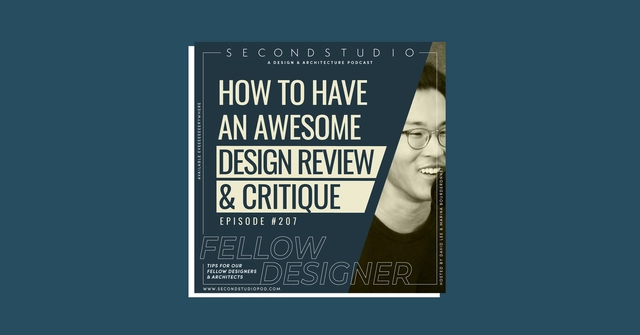
The Second Studio (formerly The Midnight Charette) is an explicit podcast about design, architecture, and the everyday. Hosted by Architects David Lee and Marina Bourderonnet, it features different creative professionals in unscripted conversations that allow for thoughtful takes and personal discussions.
A variety of subjects are covered with honesty and humor: some episodes are interviews, while others are tips for fellow designers, reviews of buildings and other projects, or casual explorations of everyday life and design. The Second Studio is also available on iTunes, Spotify, and YouTube.
This episode is also available on iTunes, YouTube, and Spotify. This week David and Marina discuss the best strategies for getting the most from a design review. The two cover when not to listen to critics, the two essential parts to any critique, why design reviews are often a complete mess, crying at reviews, controlling a review, bad feedback, how to structure a productive review, and much more. Enjoy!
https://www.archdaily.com/961338/the-second-studio-podcast-tips-for-having-a-great-design-review-and-critiqueThe Second Studio Podcast
The U House is widely regarded as one of the masterpieces of Pritzker Prize winning architect Toyo Ito. It was designed specifically to nurture his sister and two daughters after they lost their father to cancer. Decades later, the house sat empty once the family had eventually moved on from the grips of their grief. In 1997, the house was demolished to clear the site for sale and today the building only lives on in memory, drawing, and images. In this episode of Architecture with Stewart, he reconstructs the U House to simulate what it would have been like to visit in real-life. After a forensic investigation and a close analysis of its program and geometry, he builds a 3D model and navigates it in the real-time render engine Enscape and offers a link for you to explore as well. What hidden treasures are lurking inside this important building lost to the wrecking ball?











.jpg?1620501861&format=webp&width=640&height=580)
.jpg?1620501780 "Courtesy of Reutov Dmitry, Gerner Ekaterina")
.jpg?1620501819 "Courtesy of Reutov Dmitry, Gerner Ekaterina")
.jpg?1620501817 "Courtesy of Reutov Dmitry, Gerner Ekaterina")
.jpg?1620501863 "Courtesy of Reutov Dmitry, Gerner Ekaterina")
.jpg?1620501861)