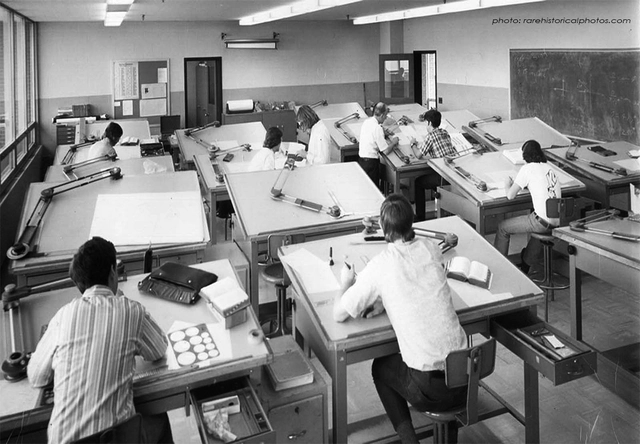
The role of an architect has not always been what it is today. Historically, and almost since its inception, it was viewed as a “one-man show”, where the architect was the artist, the sculptor, and the visionary of a structure. As the practice has continued to evolve, it has become a much more collaborative, and much less individualistic profession in nature, continuously understanding the importance of considering outside perspectives- even those not traditionally trained in design.
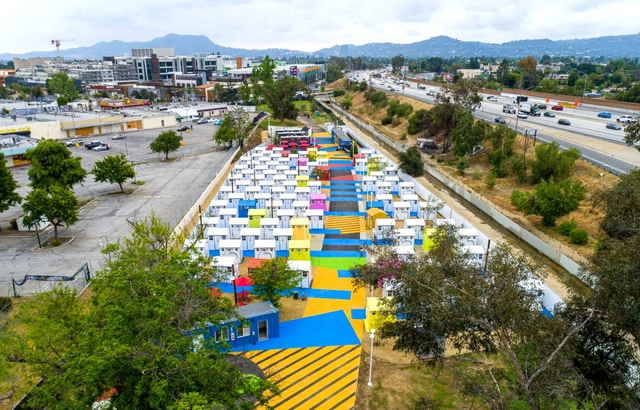
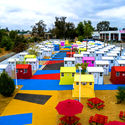
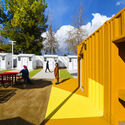
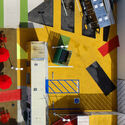
Alexandria Park Tiny Home Village. Image Courtesy of Lehrer Architects
Lehrer Architects converts several leftover plots in Los Angeles into micro-homes developments, unfolding an experimental template for tackling homelessness. Together with the Bureau of Engineering for the City of Los Angeles, the architecture firm creates an efficient yet functional design using prefabricated pallet shelters and brings character to the project through vibrant colours to shape a new sense of community and restore dignity through design.
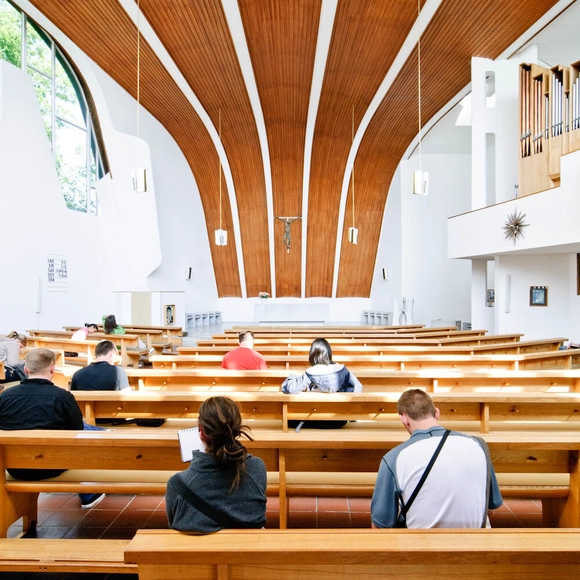
"Acoustics" in architecture means improving sound in environments. Although it is a complex science, understanding the basics - and making efficient and effective decisions - is much easier than you might think. The first step is to understand that there are two technical categories used in acoustics: soundproofing and acoustical treatment. Soundproofing means "less noise" and treatment, "better sound".
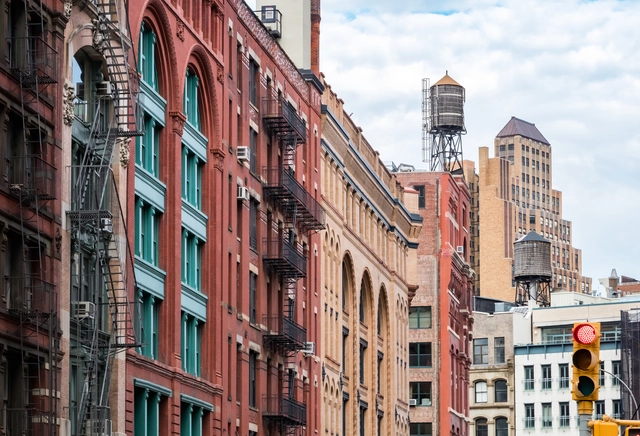
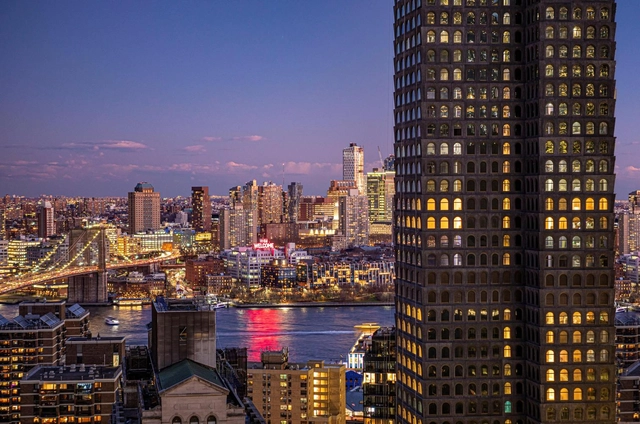
Dozens of neighborhoods in New York City have been upzoned based on contrived, and even false claims made by the city, which promised more diversity, affordable housing, minimum displacement, and other worthy goals. None of those projections materialized, but this is never acknowledged. Worse, the upzoning created the opposite conditions: less diversity, fewer affordable units, and whiter, wealthier neighborhoods. This, too, is never acknowledged. But the damage is done—and developers are having their way—following the new zoning. Then it’s onto the next neighborhood, with the same approach. Roberta Brandes Gratz explores in her article city planning and city promises in New Tork City, disclosing zoning regulations that lead to the opposite of what they preach.
Architecture is shaped by its environment and natural forces. Inherently, the discipline focuses on the design of objects over systems, on formal morphology over networks or ecologies. However, no building exists outside its context; every structure is sited among ever-changing climates and cultural conditions. How designers respond and connect to these larger systems can radically change the nature and quality of their work. Often, it is the greatest constraints that produce novel solutions.
Imagine yourself welcoming your colleagues to a business meeting at your home. The table is set next to the infinity pool, under the shadow of a huge curved metal structure reminiscent of Zaha Hadid's most audacious designs except for the complete absence of pillars. Hovering in the air, the roof completes an idyllic setting for this mansion on a rocky hillside. The house was recently acquired as an NFT and is digitally accessed via encrypted code. That's right, this is your virtual home. The physical one is a small 40m2 apartment in the center of one of the busiest and most polluted cities in the global south.
Kosovo - Implementation during Covid-19. Image Courtesy of UN-Habitat, Global Public Space Programme
The Un-Habitat or the United Nations agency for human settlements and sustainable urban development, whose primary focus is to deal with the challenges of rapid urbanization, has been developing innovative approaches in the urban design field, centered on the active participation of the community. ArchDaily has teamed up with UN-Habitat to bring you weekly news, article, and interviews that highlight this work, with content straight from the source, developed by our editors.
As the fight against coronavirus keeps on bringing many cities around the world to a standstill, the need to support urban entities and local governments is greater than ever. Although the pandemic has drastically changed our relationship with the public realm, due to all the imposed but necessary restrictions, from physical distancing to limiting access, the demand for public space has not decreased. People still need to go outside, commute, work, study, play, socialize, and maintain a healthy mental state. Discover in this article UN-Habitat’s key areas of focus for an effective urban response for COVID-19 that local and national governments should focus on to prevent the spread of the virus and to develop resilience to and preparedness for events of a similar nature.
2020 and the Covid-19 pandemic forced architectural students around the world to go virtual with their classes and coursework, transforming the way architecture was both taught and learned. Once based primarily on in-class participation, and collaboration, architectural workshops had to take on whole new methods of instruction. Conversations and debates between students and their instructors, a key element of architectural education were relegated to phone and video calls as well as written documents, making digital formatting an essential tool for students to share their ideas and receive feedback on their work.
Many describe the work of Alvar Aalto as an embodiment of the concept of Gesamtkunstwerk (a total work of art), where architecture, design, and art merge into one. The Finnish architect is a pioneer in the so-called organic strand of modern architecture in the early 20th century and has strongly influenced what we know today as Scandinavian architecture. According to a description on the MoMA website: "his work reflected a deep desire to humanize architecture through an unorthodox handling of shapes and materials that was rational and intuitive." Its methods of bringing natural light into buildings are extolled and studied repeatedly until today. But throughout Aalto's career, wood has always been present and taken many different forms. From structures to ceilings to stools, Alvar Aalto brought this natural material to the fore.
As global urbanization accelerates at a rapid pace, living spaces in contemporary cities and the projected cities of the future grow ever smaller. To anticipate these changes, product design firm AXOR has partnered with The Future Laboratory, a leading international consulting firm for future trends, for the development of their project 'Compact Luxury.' Aimed at uncovering the major influences of urbanization and adapting luxury spaces for these anticipated global changes, the Compact Luxury project identifies trends in contemporary living and projects a future for compact design.
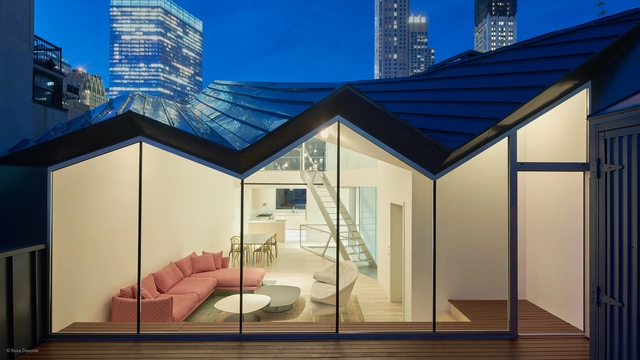
When it comes to built-in kitchen appliances, German firm Gaggenau has always set the highest of standards – and in the case of Sir David Adjaye’s 130 William tower in Manhattan, quite literally, too.
More than half the world’s population lives in dense urban areas. Uncomfortably loud restaurants, stores, hotels, or offices are enough to keep patrons away. When planning a meeting or even a night out with friends, we are conscious of selecting a location where we can focus and hear one another. The noisier our world gets, the more difficulty we have focusing on the sounds we actually want to hear.
Since the beginning of time, our ears have warned us of approaching danger. While their function remains the same, the dangers of today are different than they were in the past. Unwanted sounds can have serious health effects such as: hearing loss, cardiovascular disease high blood pressure, headaches, hormonal changes, psychosomatic illnesses, sleep disorders, reduction in physical and mental performance, stress reactions, aggression, constant feelings of displeasure and reduction in general well-being. With this laundry list of side effects, it would be foolish to leave the acoustic comfort of our spaces up to consultants alone. When we take acoustic comfort into our own hands, the end result can be quite extraordinary.
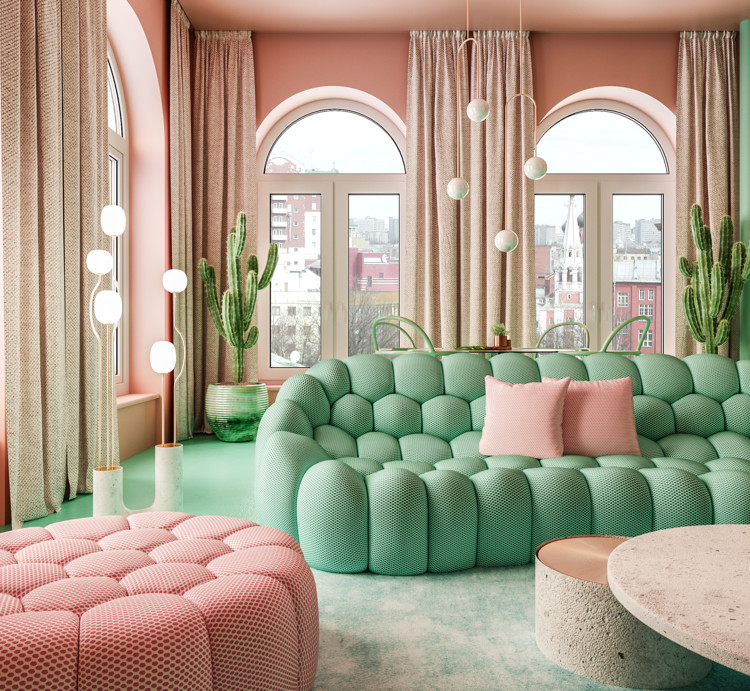
Text by Reutov Design. The owners of the apartment are a young couple that completely entrusted me with the design of the apartments. They liked my non-standard approach to design. Having taken this project, I decided to create a bold project that will give you the opportunity to forget about the hard everyday life and help you take a break from the noisy metropolis. Light, gentle, slightly heady interior. Terracotta-pink walls add originality to the entire design.
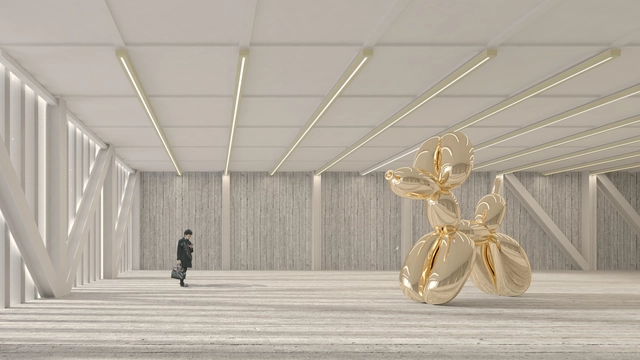
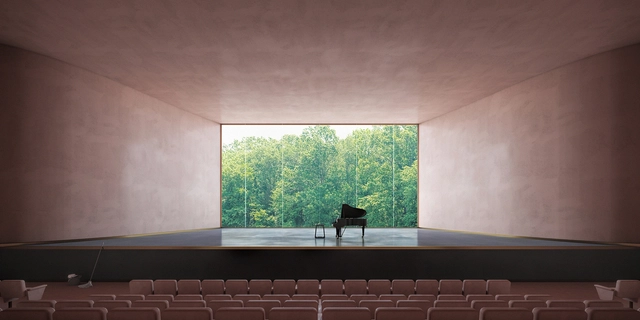
Render by Giovanna Bobbetti. Image Courtesy of CURA
The question may seem straightforward, but the answer can be very complex, leading to a whole series of issues related to the target audience of hyper-realistic architectural renderings, as well as to what their goals are.
Although architecture itself is universal, the day-to-day practice still varies across the world, influenced by a wide range of factors, from the professional requirements and responsibilities of an architect, the local environment, history and building customs, to local priorities and challenges. In a hyper-connected world, where architecture seems to become more uniform, how do local contexts and characteristics shape the built environment? This article taps into the commonalities and the variations within the architecture profession.
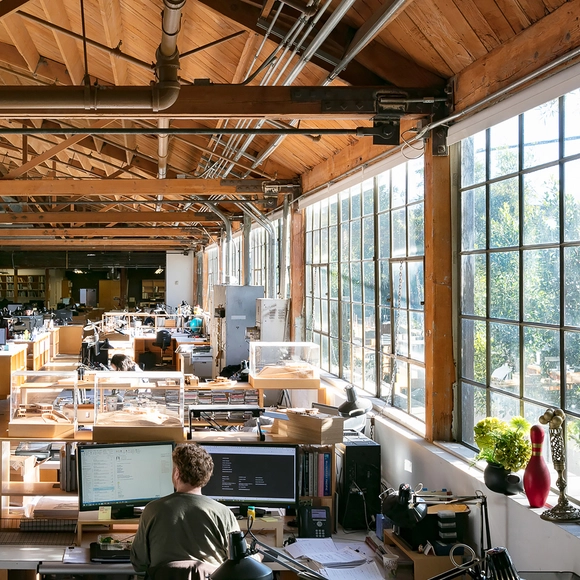
At the heart of it, architecture is an inter-disciplinary profession. Ranging from structural engineers to quantity surveyors, a design project thrives from the collaboration of individuals from various fields of work. An often-overlooked connection is the link between the fields of architecture and archaeology, which in more ways than one have a lot in common. In a time of increased awareness on issues of sustainability and heritage, the expertise present in the field of archaeology plays a vital part in the preservation of architectural landmarks of historical significance. This expertise can also play a significant part in creating sensitive architectural interventions suitable for their context, contemporary in their design while responding to historical precedents.
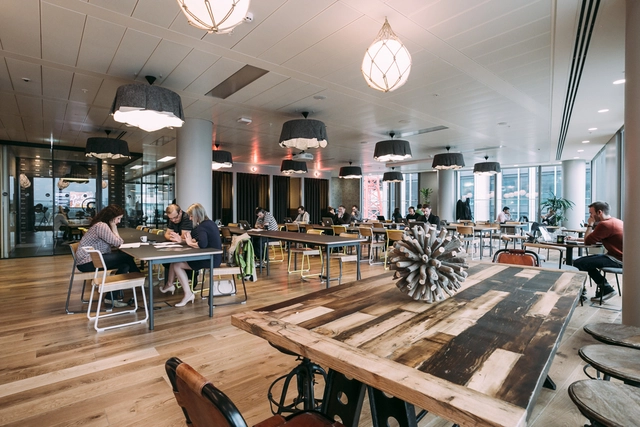
As we begin to emerge from the COVID-19 pandemic, there has been much speculation and debate about whether we will return to our old habits of working in the office 5 days a week, or if working from home creates equal or greater productivity. However, many believe that the future of the workforce will largely be focused on a balance between in-person and in-office working, and a form of remote working, that summates into a new, hybrid model. But if you’re not at home, and you’re not working, then you must be somewhere else- exploring the true in-between of a public and a private space. Enter the concept of the “third” place, which is used to describe everything from coffee shops to banks, and even co-working spaces. If you’ve ever studied for an exam at a bookstore, or even dropped into an airport restaurant to catch up on some work, then you too, have visited a “third” place.
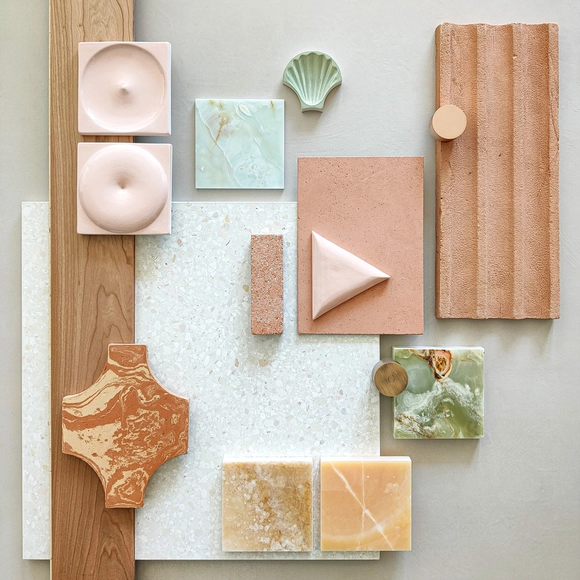
Design projects rely heavily on visual tools that illustrate the project's features and overall atmosphere, and whether you are an architect, interior designer, furniture designer, or engineer, the term 'mood board' has definitely come up at some point during the early stages of the design process. Generally speaking, images have immense powers of influencing and inspiring their viewers, so putting together a powerful mood board can be a game changer for the architect, the visual artist, and the clients, and can amplify the project's story telling process. So what is a mood board and how can you create one?
















.jpg?1594180028)
.jpg?1594179948 "Courtesy of Reutov Dmitry, Gerner Ekaterina")
.jpg?1594177257 "Courtesy of Reutov Dmitry, Gerner Ekaterina")
.jpg?1594177498 "Courtesy of Reutov Dmitry, Gerner Ekaterina")
.jpg?1594179985 "Courtesy of Reutov Dmitry, Gerner Ekaterina")