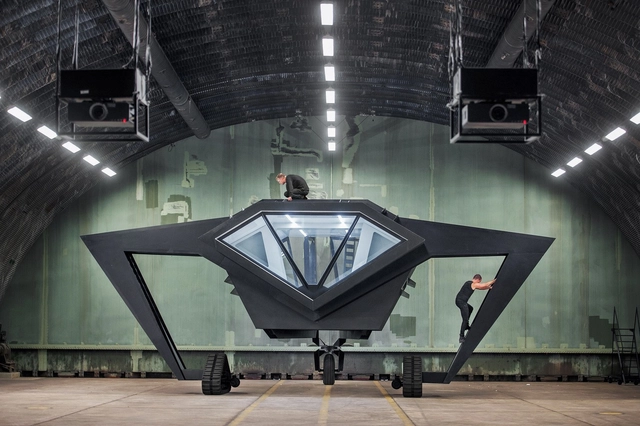
Aviation architecture has radically transformed. While airports themselves have grown to accommodate countless programs and increasingly higher traffic volumes each year, modern building projects are going beyond this familiar typology to explore the nature of hangars, airfield taxonomy and reuse. While airports have really only emerged within the last century, aviation has captured the imagination of designers for centuries. Today, contemporary aviation designs are being conceptualized as explorative and creative works.
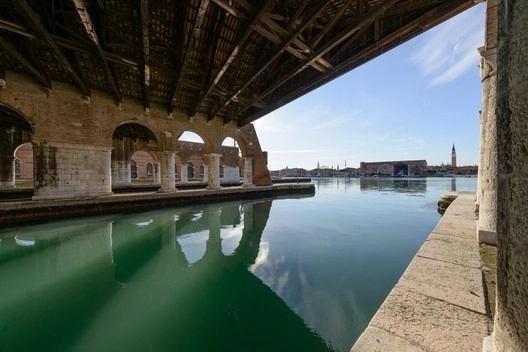
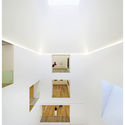
The Ministry of Culture of the Government of Mexico and the National Institute of Fine Arts and Literature (INBAL) have unveiled the Mexican pavilion at the Venice Biennale 2021 entitled Displacements("Desplazamientos"), a curatorial work led by Isadora Hastings, Natalia de La Rosa, Mauricio Rocha, and Elena Tudela.
https://www.archdaily.com/961998/mexican-pavilion-at-the-2021-venice-biennale-explores-the-value-of-mexican-contemporary-architectureArchDaily Team
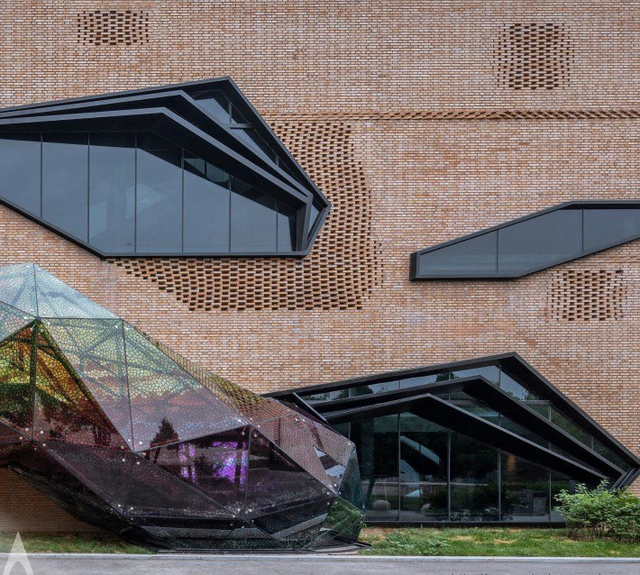
Open Village Cinema / Shimu Wang. Image Courtesy of A' Design Award & Competition
A' Design Award & Competition is the worlds' largest annual juried design competition that honors the best designers, architects, and design-oriented companies worldwide to provide them with publicity, and recognition. The A' Design Accolades are organized and awarded internationally in a variety of categories ranging from industrial design to architecture. Every year projects that focus on innovation, technology, design, and creativity are awarded the A' Award to push them further towards success.
Yes, we know. We have been talking a lot about carbon. Not only here, but everywhere people seem to be discussing the greenhouse effect, carbon dioxide, fossil fuels, carbon sequestration, and several other seemingly esoteric terms that have increasingly permeated our daily lives. But why is carbon so important and why do we, as architects, architecture students, or architecture enthusiasts, have to care about something that seems so intangible?
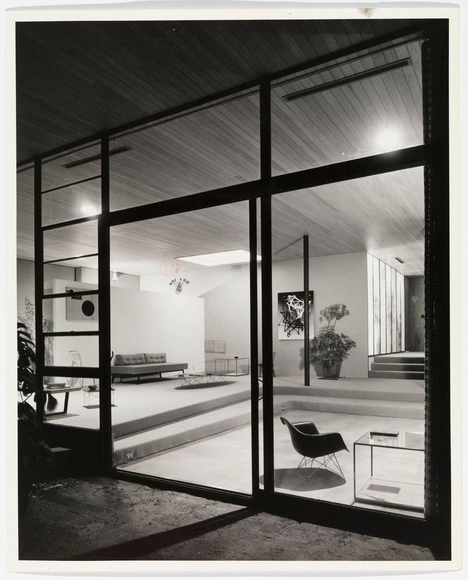
The Case Study Houses (1945-1966), sponsored by the Arts & Architecture Magazine and immortalized by Julius Shulman’s iconic black-and-white photographs, may be some of the most famous examples of modern American architecture in history. Designed to address the postwar housing crisis with quick construction and inexpensive materials, while simultaneously embracing the tenets of modernist design and advanced contemporary technology, the Case Study Houses were molded by their central focus on materials and structural design. While each of the homes were designed by different architects for a range of clients, these shared aims unified the many case study homes around several core aesthetic and structural strategies: open plans, simple volumes, panoramic windows, steel frames, and more. Although some of the Case Study Houses’ materials and strategies would become outdated in the following decades, these unique products and features would come to define a historic era of architectural design in the United States.
https://www.archdaily.com/961900/how-did-materials-shape-the-case-study-housesLilly Cao
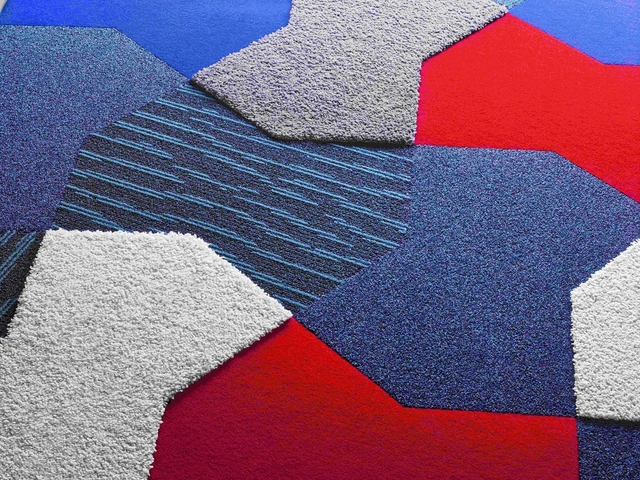
Floor designs with the free-form tile Tie present a visual highlight through the combination of structures and colours, and fulfil demands for both the highest quality and sustainability in equal measure. Image Courtesy of Vorwerk
Vorwerk flooring’s acoustic-tile system offers almost limitless combination possibilities, while its online configurator makes the creation of room concepts clear and uncomplicated.
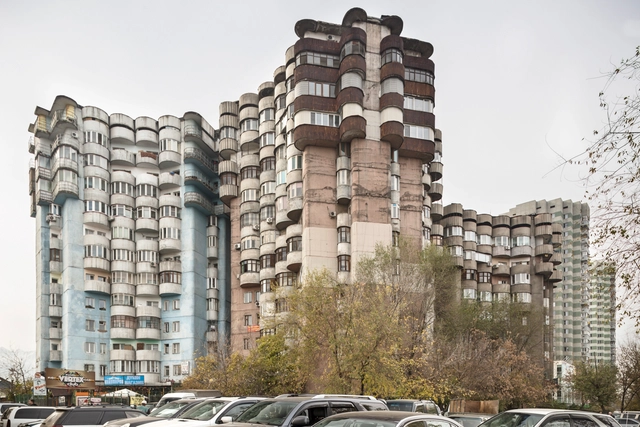
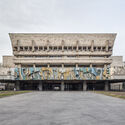
In the second half of the 20th century, Soviet architecture has spread a common aesthetic across highly diverse environments, being an integral part in promoting the totalitarian ideology that disregarded local cultures, envisioning a unified, homogenous society. Nevertheless, in practice, the architecture proved itself susceptible to adaptations and local influences, perhaps nowhere more than in Central Asia. The article looks at the architectural heritage of a geographical area largely excluded from the Western-centric narratives on Soviet Modernism, encouraging a re-reading of a layered and nuanced urban landscape, with images by Roberto Conte and Stefano Perego.
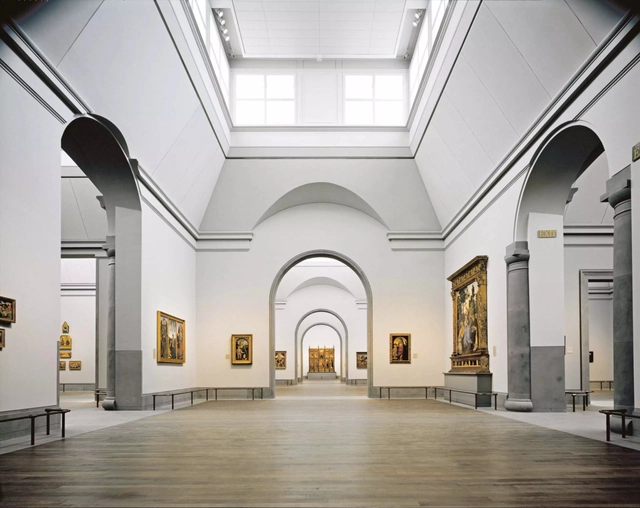
Lighting design for exhibition spaces in museums can be quite challenging because light must simultaneously enhance the space, preserve the integrity of the artworks and highlight them in a way that ensures the best conditions for the visitor's enjoyment.
In addition to having the highest CRI (Color Rendering Index), daylight contributes to a feeling of comfort and well-being in the built environment. In exhibition spaces, natural lighting is important to accurately reveal the colors of the objects on display, which is very significant for works of art and provides more visual comfort for visitors to clearly perceive the exhibits.
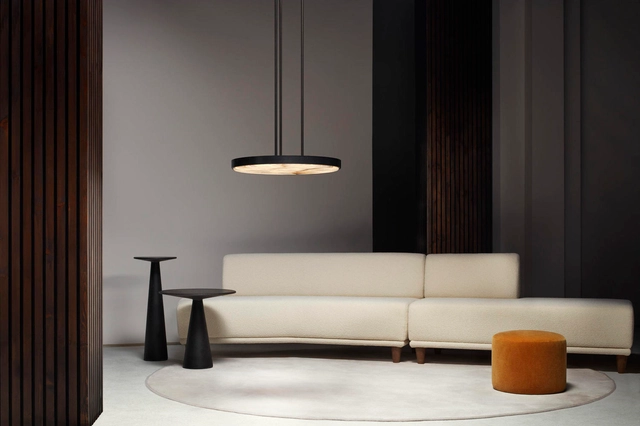
For its latest collection, London-based manufacturer CTO Lighting found inspiration in Belgium, and in particular the city of Antwerp, from where the collection derived both its aesthetic and its name.
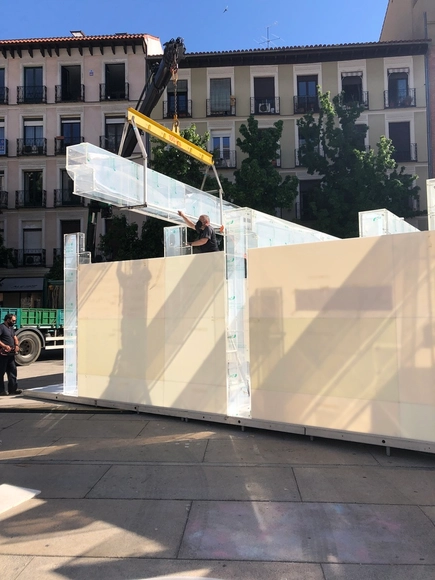
Plastic is an incredible material. The big problem with it is how we are using it and discarding it in nature. It was with this idea in mind that The Plastic Museum was created: to show the vital role that plastic plays in our lives and the possibilities that its reuse and recycling offer. Opened in Madrid on May 8, it not only contains plastic but was built entirely from this material. Through the artifacts displayed inside, including objects for health care, communication, construction, food, and sustainable mobility, the visitor will learn about the essential functions that plastic provides us when used correctly.
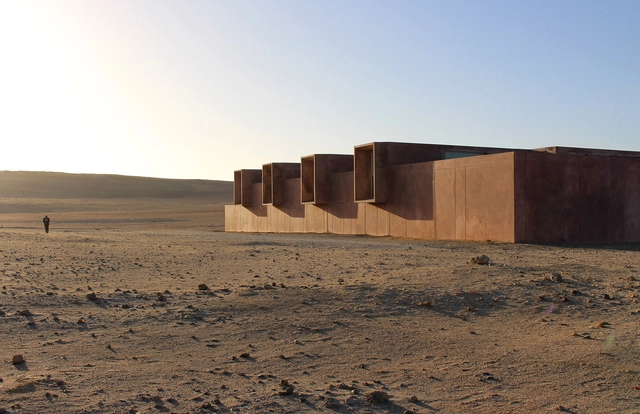
Peru is home to a wide range of new cultural architecture. Strongly tied to the country’s megadiverse geography, Peru’s modern projects reinterpret past building techniques. Taking inspiration from the vernacular and varied landscapes, these contemporary buildings arise from long traditions rooted in ancient cultures and civilizations.
As urban dwellers become more aware of the environmental impacts of food production and transportation, as well as the origin and security of what they consume, urban agriculture is bound to grow and attract public and political eyes. Bringing food production closer, in addition to being sustainable, is pedagogical. However, generally with small size and other restrictions, the concerns of growing food in cities differ somewhat from traditional farming.
Urban gardens can occupy a multitude of places and have varied scales - window sills and balconies, slabs and vacant lots, courtyards of schools, public parks and even unlikely places, such as subway tunnels. They can also be communitarian or private. Whatever the case, it is important to consider some variables:
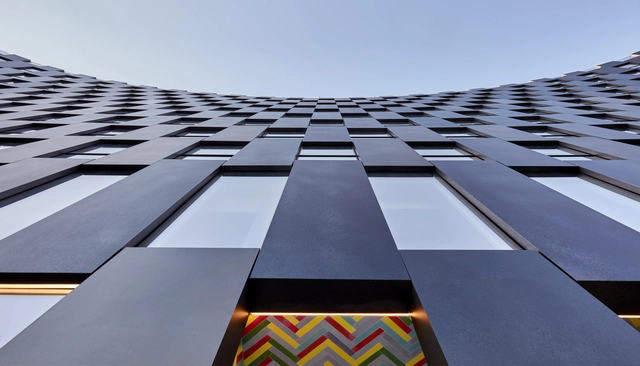
Designed by the Danish architecture office BIG-Bjarke Ingels Group, The Smile made of black blasted stainless steel extends along 126th Street in East Harlem, Manhattan. Inspired by the surface of the moon and the cultural influences of the city district, the T-shaped building fits seamlessly into the surrounding red and brown brick buildings. The interlocking chessboard-like facade panels were manufactured in Cologne, Germany by POHL Facade Division. Flanked by room-high windows, The Smile aims to reflect sunlight and amplitude into the daily lives of its residents.
Transformation of the brownfield area in Náchod city. Image Courtesy of LETO Architects
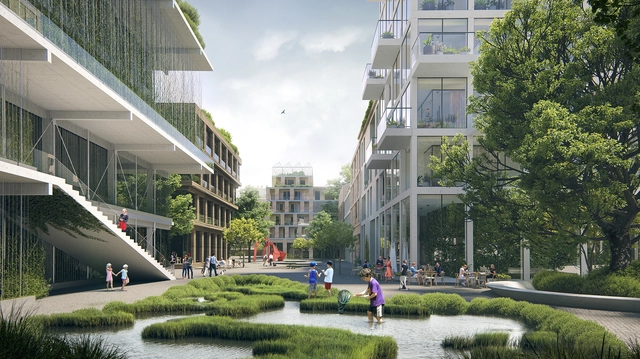
Urban design is increasingly striving for more inclusive, sustainable environments, bringing together various groups and activities, and fostering social interaction. This week's curated selection of the Best Unbuilt Architecture focuses on urban designs, large-scale urban development projects and masterplans submitted by the ArchDaily Community, showcasing how architects around the world work with and shape the urban fabric of highly diverse environments.
From the transformation of a brownfield into a lively neighbourhood in the Czech Republic to the redevelopment of Bergamo's city centre around new spatial and collective values, the following projects showcase the ideas shaping urban design, from functional diversity and notions of proximity to a focus on outdoor spaces. The common denominators of the following projects are their collective focus and the strong connection with the existing urban fabric.
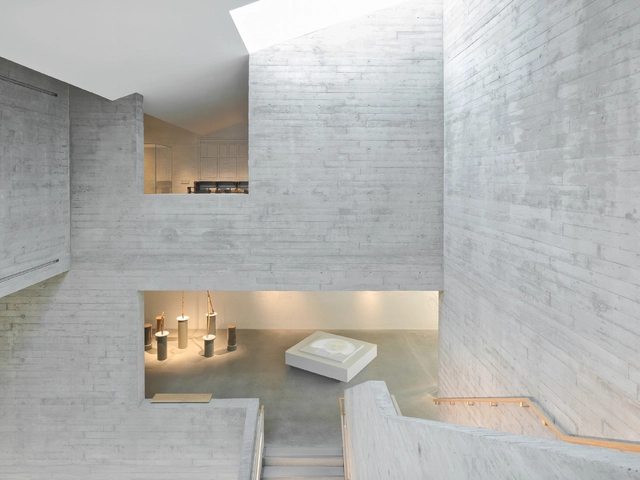
"Is a museum defined by its collection? Or by its architecture? In The Art Museum in Modern Times, Charles Saumarez Smith suggests it is both and still something more". Lauren McQuistion, an architectural designer and Ph.D. Candidate in the Constructed Environment at the University of Virginia School of Architecture discusses in her Architect's Newspaper piece, Saumarez's book, exploring the notion of a modern museum.
The Goldenberg House was designed in 1959 by the architect Louis Kahn for Morgan and Mitzi Goldenberg. While the house was never constructed, it was cited by Kahn as holding important lessons for his design process that would be deployed in a number of later structures. These lessons are specifically related to how the outside of the house is irregular while the heart of it, the atrium is a perfect square. While we can see this discovery in the plan drawing for the house, there are likely nuances to its design that are more difficult to understand without being able to visit it in person. But, what if we can visit the Goldenberg House as if it had been built? This video explores the Goldenberg House, its history and design intentions, and uses the findings to construct a digital model of the house to explore in real-time.
It would be an understatement to say that architecture is a profession that closely mirrors economic conditions. In this practice, we’ve all heard the stories or felt the experiences of recessions that were quickly followed by projects put on hold, a decreased pipeline of new business, and the unfortunate impact of layoffs and furloughs. The cyclical nature of the design field, paired with the pressure to meet the spatial needs for a growing global population in a time where the value of land has continued to sky-rocket means that architecture is naturally subjected to economic impacts in a significant way. But some economic theories predict that instead of the economy dictating the ebbs and flows of the design profession, architecture might be one of the influences causing economic downturns.