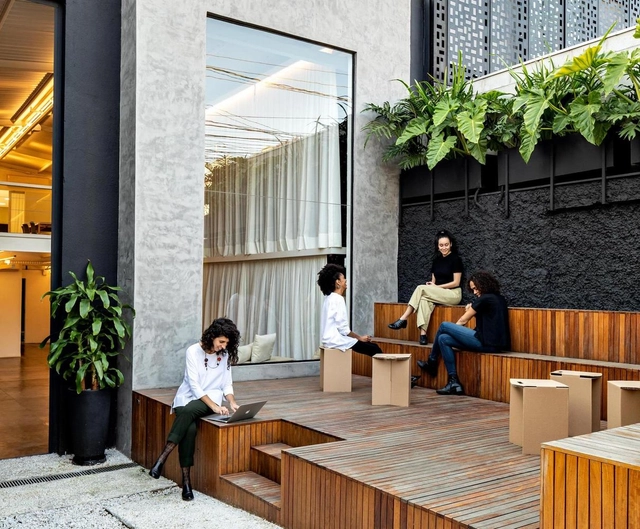
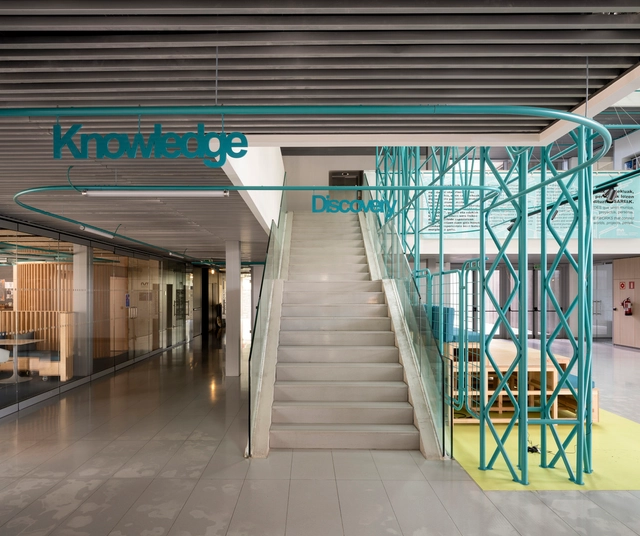
The Coronavirus pandemic demanded new needs and significant changes in our lives: in relationships, at work, in consumption habits, in increasing inequality. Indeed, the theme of workspaces came up in a historical moment when people saw their own freedoms limited for the first time in the postmodern era.
Most people were forced to work from home, and since the beginning of quarantine, reflection on the future of workspaces has become inevitable. Some interesting data show that the Coronavirus only boosted a practice that had been consolidating for years in some countries. According to the Global Workplace Analytics e FlexJobs, between 2005 and 2015, the number of professionals in the United States who do at least 50% of their work from home or elsewhere outside their offices grew by 115%, and today that number reaches 4.7 million, 3.4% of the strength of the job.
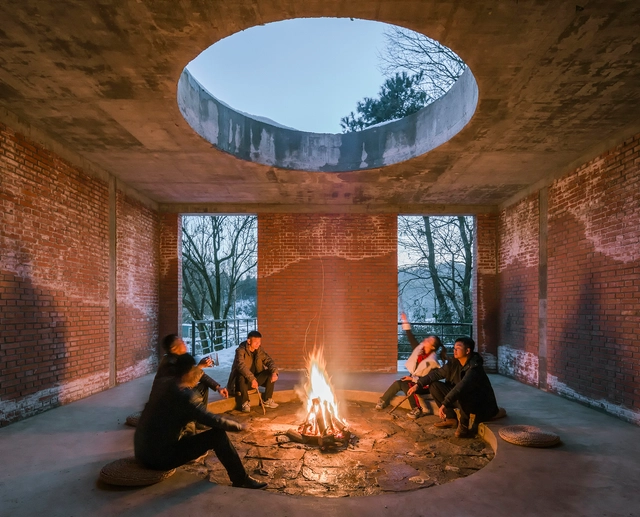
Fire is an important consideration in the design of buildings. From material assemblies, to room layouts, to egress, and fire suppression systems, fire is a powerful force shaping the spaces we inhabit. This video talks about some of those factors while the host, Stewart Hicks, builds a campfire at a cabin in Northern Michigan. Over the course of choosing logs, building, lighting, and enjoying the fire, he breaks down how the construction of buildings relates to principles of constructing a good campfire. He covers theories by Gottfried Sempter, the evolution of fire in the home, considerations in wood frame construction, Bernoulli’s Principle, fire suppression systems, and much more. Grab a seat, bring ingredients for making s’mores, and enjoy some fun fire facts.
Ever since the period of the Renaissance in Europe, the indivisible relationship between art and architecture has long been heatedly discussed and vividly reflected in numerous classical books and buildings. With the deep connection that unites art and architecture together, designers, artists, and architects have been actively collaborating and came up with solutions on how we can house and exhibit art in the form of changing spaces.
When designing community spaces, the architectural concept can easily clash with the user's experience. Therefore, engaging the community and future users in the project development and design process is a way of adding different perspectives to the architect's vision towards a more intelligent architecture.
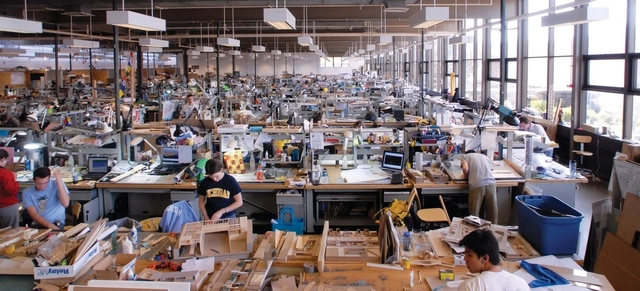
In this week's Common Edge piece, Duo Dickinson explores his personal journey from teaching to practice to teaching again, and the differences he perceived. Stating that "no one today believes that school can fully prepare students for what architecture will become in 10 years", the author explains how architectural education has been evolving and questions what could be the best ways to ensure that education remains relevant.
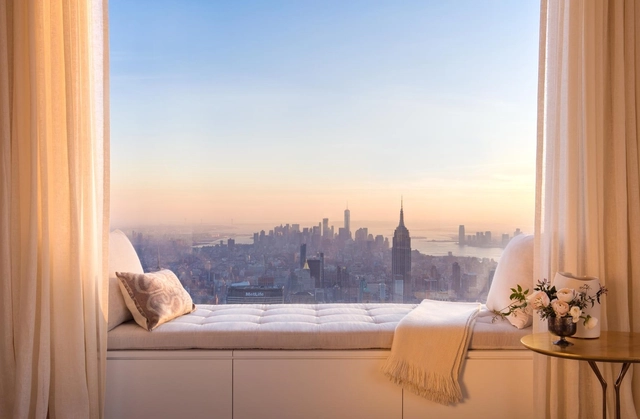
Penthouses embody how form is following finance. As their own sector of the luxury real estate market, these spaces are often reserved for the richest clients and investors. From heiress Marjorie Merriweather Post's iconic 54-room mansion in the sky, to top-floor units in mid-rise developments, penthouse designs have been continuously reimagined to take architecture and interior design to new heights.
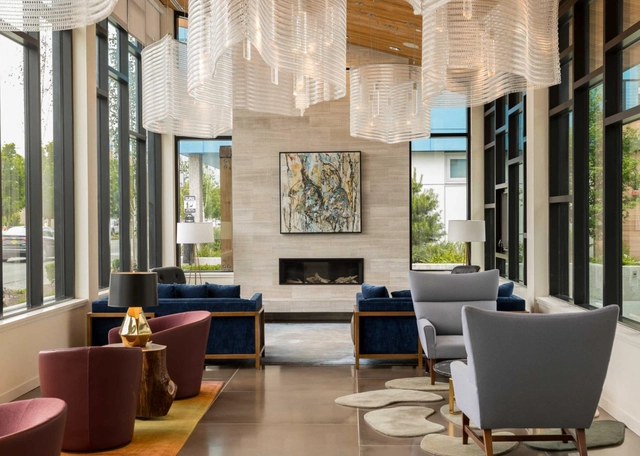
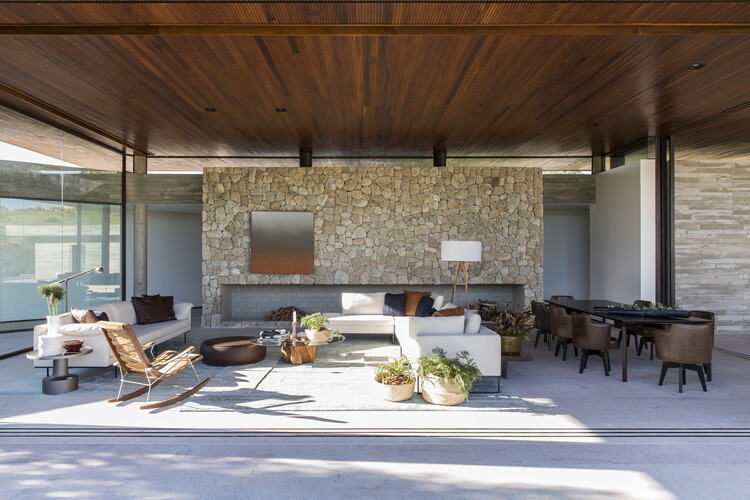
The ceiling – commonly referred to as "the fifth wall," – has the potential to transform an interior space from average into extraordinary. When it comes to design, the ceiling is often forgotten, and there are many missed opportunities to create moments of visual interest and delight.
After several postponements and numerous challenges, the 17th Venice Architecture Biennale is finally taking place, bringing into focus a diverse array of answers to the question “How will we live together”. The theme gained even more relevance in the context of the pandemic and this year’s edition restates the importance of the Biennale as a platform for inquiry and collective exploration. Archdaily had the opportunity to meet in Venice with the curator of the French Pavilion, architect Christophe Hutin to discuss the thinking behind “Communities at Work” and the immersive experience of the exhibition.
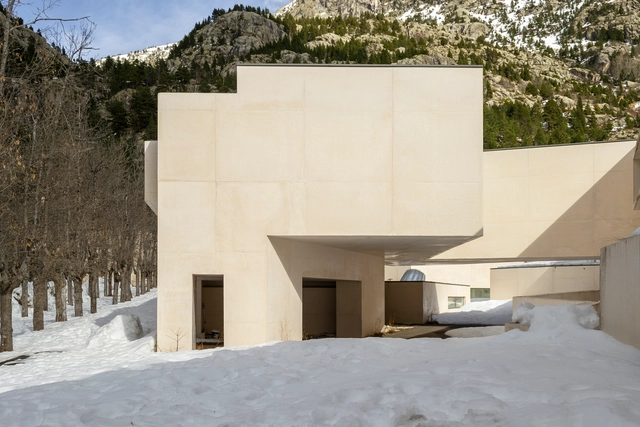
It's hard to forget the impact of economic crises on architecture; however, artist Jorge Isla reminds us with his series of photographs capturing the iconic High Performance Sports Center in the Balneario de Panticosa in Spain designed by architect Álvaro Siza. Construction on the site began at the start of the 21st century, but, due to heavy snows and Spain's financial upheaval, was abandoned shortly after.
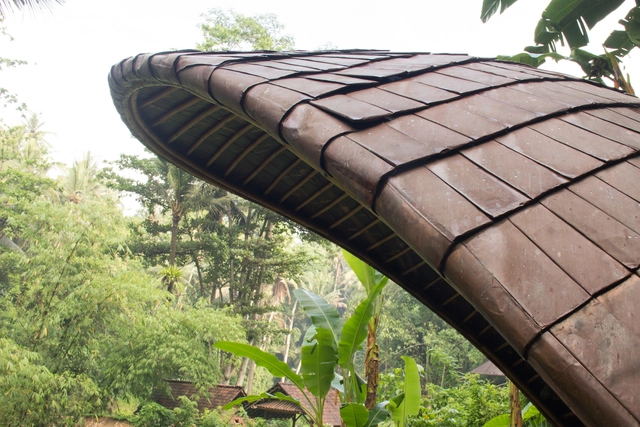
Roofings are perhaps the most fundamental architectural element of bamboo buildings (together with foundations). Well-designed and built roofs play a key role in protecting a bamboo structure whilst adding to the beauty and experience of the space. What qualifies as a well-designed bamboo roof?
There are a couple of key elements that need to be considered: 1) the overhangs of the roof to mitigate the weathering of bamboo poles from direct sun and rain, 2) the pitch of the roof for water flow, 3) the spacing of the rafters for rigidity, and finally, 4) the material used. In Bali, we have experimented with many different roofing materials and techniques. In this article, we share 5 of the most commonly used roofing systems for our bamboo buildings:
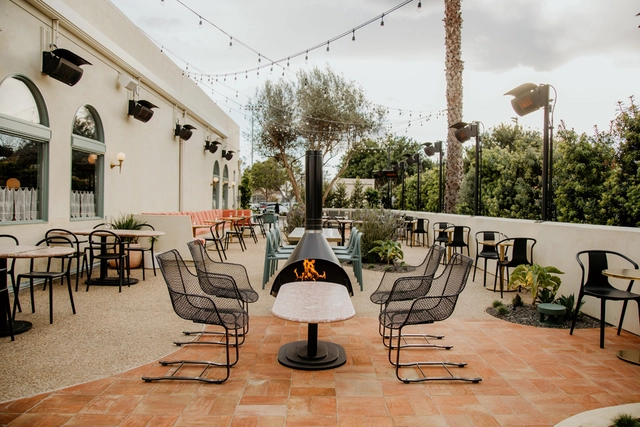
"The explosion of outdoor dining is both a survival tool for restaurants and a welcome cultural shift that may be here to stay", states Jessica Ritz, in her article originally published on Metropolis. In fact, the author explores hospitality trends that have emerged during the pandemic in California, mainly outdoor dining, and that are likely to last or be present for a long time.
Videos
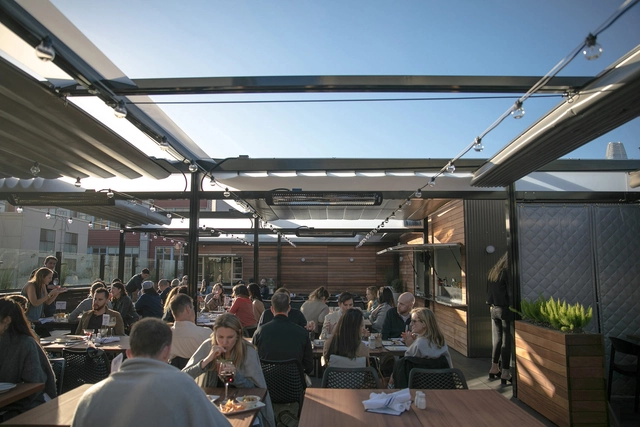
25 Lusk Rooftop Restaurant in San Francisco, California. Image Courtesy of ShadeFX Canopies
When it comes to dining, drinking, and entertaining, outdoor spaces have overtaken all other venues. In the wake of concerns about hygiene and social distancing over the past year, patio and rooftop areas have become a crucial part of the hospitality industry. Fortunately, there are many innovative ways to make patio spaces that are comfortable and outdoor-friendly, not just during the summer but in any season.
ShadeFX manufactures innovative and versatile retractable shade solutions. Fully customizable and at the heart of every project, the patented ‘Single Track’ systems provide unrestrictive coverage for some of the world’s premier commercial, residential, institutional, and municipal properties. Below are several examples of spaces that have been designed to create an optimal outdoor dining experience.
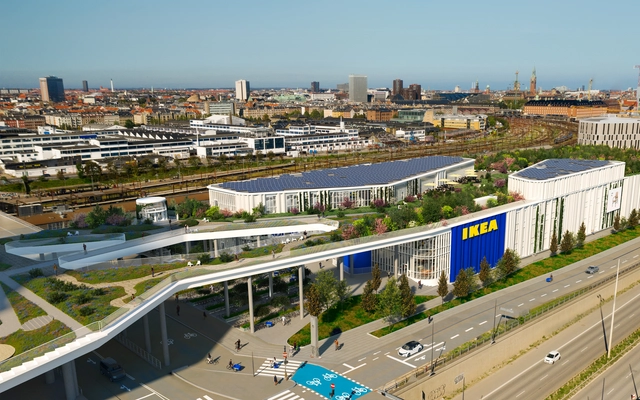
Catering to the Danish capital's aspirations regarding infrastructure and green space, the new IKEA store in Copenhagen designed by architecture studio Dorte Mandrup features a richly plated rooftop park that doubles as a new pedestrian route stretching one kilometre within Vesterbro neighbourhood. Located in one of the city's busiest area, neighbouring the central station, the historic Meatpacking District, and the inner-city harbour, the project's elevated public space offers a respite from the bustling streets, providing the area with a much needed green space.
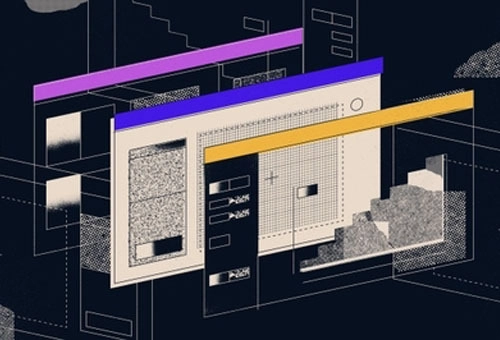
Providing digital solutions to basically “simplify” the work of architects, Monograph is a management software company that helps professionals of the AEC industry (architecture, engineering, and construction) oversee their projects in an integrated and user-friendly way. Founded and designed “by architects, for architects”, the San Francisco practice operations platform is an evolving building digital toolkit for projects of all scales.
Created by architects, who had previously faced the challenges and limitations of the field, Monograph is a solution tailored to the needs of architectural businesses. Named one of last year’s ArchDaily’s Best Young Practices, it is a clear example of how architects can expand the reach of their activity. In fact, the technology company was founded in 2019 by Robert Yuen, Alex Dixon, and Moe Amaya, three architectural designers who took the leap and ventured into the digital realm. This week, Monograph has introduced its new official web address, Monograph.com.
With the inauguration of the 17th Venice Architecture Biennale, 60 nations from across the world showcased unique solutions to the question of “How will we live together”. Neither the pandemic nor its repercussions got in the way of the curators' creative process. Instead, they took it as a factor to explore how the notion of 'living together' has changed over the past year, and how they can reimagine better built environments. ArchDaily had the opportunity to meet with architect Wael Al Awar, one of the co-curators of the UAE Pavilion, to discuss how the pavilion's innovative material came to be and what it means for the future of architecture.
Climate change remains a foremost concern in global politics, economics, and scientific research, particularly as it pertains to the architecture and construction industries. This heightened culpability for the field of architecture stems from the fact that the construction industry contributes to 40% of global emissions, and the demand in the building sector is only projected to increase by 70% by 2050. Renewable energy is part of a 21st-century sustainability paradigm that responds to climate change and environmental degradation, strengthening the momentum for global energy transformation. Renewable energy production strategies are necessary to mitigate future energy security issues as traditional sources of fuel become increasingly scarce, and an indispensable part of designing for sustainability in architecture.
https://www.archdaily.com/961422/integrating-solar-technology-into-facades-skylights-roofing-and-other-building-elementsLilly Cao
Ancient builders had deep knowledge about environmental conditions and the physical needs of humans in their search for shelter. Regardless of technological advances and the evolution of our perception of the world around us, this kind of knowledge and relationship with our surroundings can still be applied today and adapted to our current context. Natural stone, when used in architecture shows just that, as we explore its many different styles and applications.
Despite the emergence of collective and interdisciplinary practices, architectural entrepreneurship remains a vague discipline. As academic institutes focus on cultivating students' hard skills during their undergraduate years, their soft skills are often overlooked, left to be acquired or strengthened during their work experience. Stepping into the "real world", fresh graduates who decide to venture into their professional journey as freelancers or in start-ups, often find themselves overwhelmed with questions; 'How do I convince the client? Am I communicating my concept properly to the contractors? Am I charging the client enough? Why is the project not being executed like I designed it? Why is this project taking a lot more time than I intended it to? How can I run a successful business if I've never taken a business course in architecture school?'