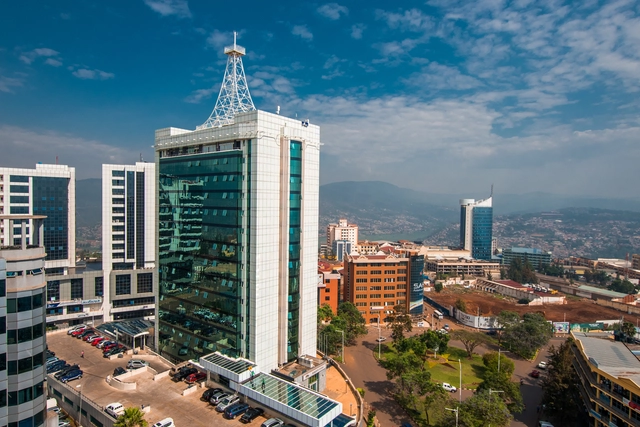
Kigali, Rwanda - September 21, 2018: a wide view looking down on the city centre with Pension Plaza in the foreground and Kigali City Tower in the background against a backdrop of distant blue hills. Image via Shutterstock/ By Jennifer Sophie
The urban metropolises of our planet are home to an abundance of stories. They are home to stories of wealth, of innovation, and of architectural marvels. They are home, too, to stories of inequality, inequity and of urban divides – places where one’s income determines the quality of the spatial environment around them. Within these stories has developed an increasing advocation for making cities “smarter”, the goal being to use data and digital technology to build more efficient and convenient urban environments.
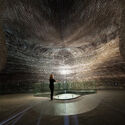
Architecture and photography are deeply dependent on one another. The first photograph ever taken frames buildings as its subject. Even more, it took an entire room to produce the image through a camera obscura. In the early days, buildings were one of the few subjects that could sit still for the 8 hours it took to burn an image onto a photosensitive medium. However, architecture is dependent on photography too. Buildings are large, slow, and immobile. Without photographs, it would be difficult to visit the important structures around the world. In this way, photographs are an easily shareable surrogate for buildings. But, photographs are not truthful 1:1 depictions so photographers have a lot of agency when it comes to how we experience architecture. This video offers some insight into this relationship and presents a few photographers as examples for how they interpret an architect's intentions and add their own voice. These include Julius Shulman, Ezra Stoller, Stephen Shore, Iwan Baan, among others.
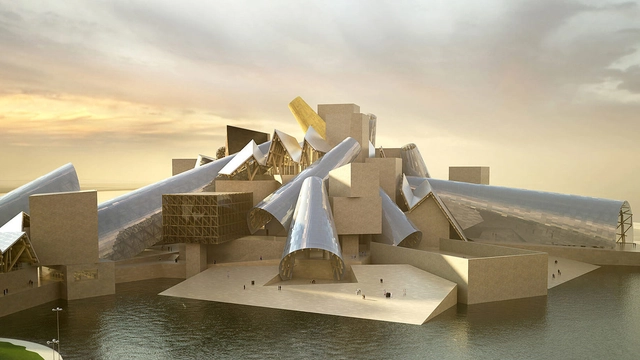
Architectural events like biennales, urban festivals or the World Expo provide a framework for research and experimentation, allowing architects to showcase their visions on an international stage, with the aim of advancing the practice and driving innovation. World Expos, in particular, allow for these lines of inquiry to unfold at an architectural scale rather than that of an installation. Within these platforms for discourse and knowledge exchange, temporary architecture becomes a medium for communicating ideas about architecture and the city, its challenges and possible lines of development.
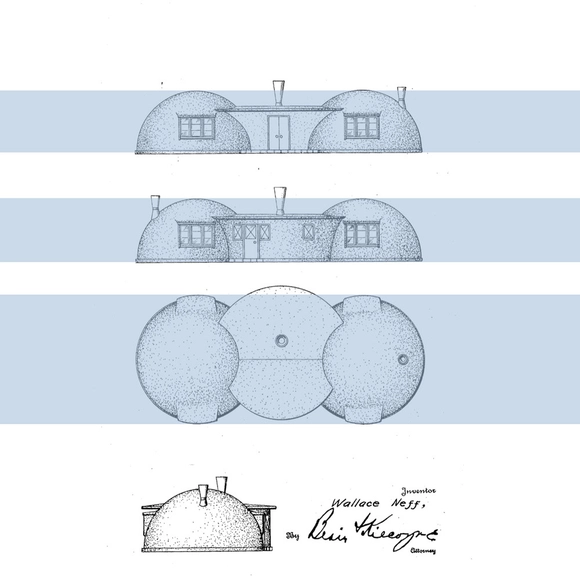
Following the Second World War, United States veterans and citizens were seeking a fresh start, a rightful place to live out their modern American dream. With a significant housing shortage looming around and fast-growing families, solutions had to be found to provide equitable living means for all. The development of new construction techniques and propagation of easy building materials promised an age of prosperity.
https://www.archdaily.com/969231/the-evolution-of-the-house-plan-in-the-united-states-post-war-eraAgustina Coulleri, Hana Abdel & Clara Ott
At different periods in history, the human scale and the approach of the building to the sensitive dimension correlated to the body were values pursued by the architects and an object of reflection for the theoretical production of the area. Although it is a virtue that a space can be perceived in a direct relation between the person and the building, there are cases, and more than that, some project scales, that can only be realized from the furthest perspective.
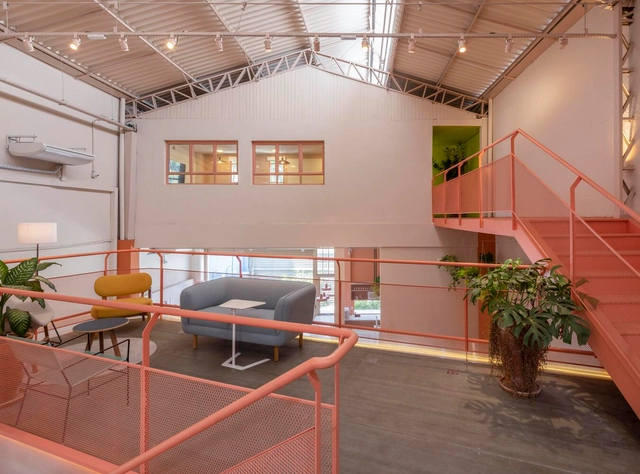
Architecture has been increasingly focusing on adaptive reuse, taking advantage of the opportunity to redesign existing spaces to provide new purposes while also reducing damage to the environment. In this context, recycling warehouses is quite usual and is becoming more popular every day because these spaces often have large open plans which allow many different layouts.
https://www.archdaily.com/969257/warehouse-renovation-12-projects-reusing-industrial-structures-in-brazilEquipe ArchDaily Brasil
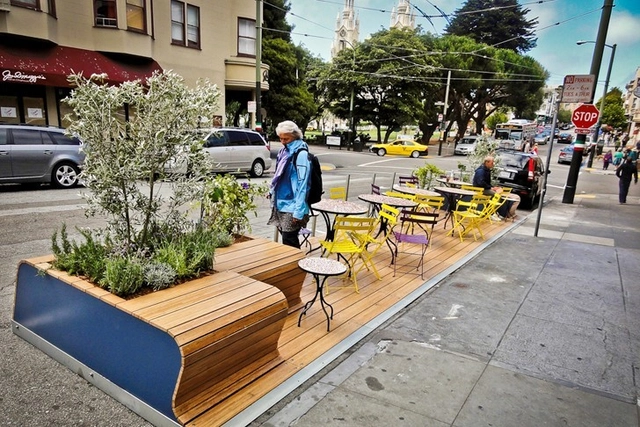
Rebar’s “walket” a prototype parklet system deployed in San Francisco’s Mission district in 2009. / Rebar. Image Courtesy of The Dirt
On a clear fall day in 2005, a group of friends and collaborators from the art collective Rebar commandeered an 8-foot-wide by 20-foot-long metered parking space in downtown San Francisco. This two-hour guerilla art installation evolved into Park(ing) Day, a global public art and design activism event that has been celebrated every year since. In 2009, Rebar and other design studios were approached by the City of San Francisco to prototype a more permanent version of Park(ing) Day. In response, we created one of the world’s first parklets in San Francisco (we called our version walklet), and through the diligent efforts of Andres Power in the Mayor’s Office and City Planning, San Francisco’s pioneering parklet program was born.
https://www.archdaily.com/968977/pandemic-era-street-spaces-parklets-patios-and-the-future-of-the-public-realmJohn Bela
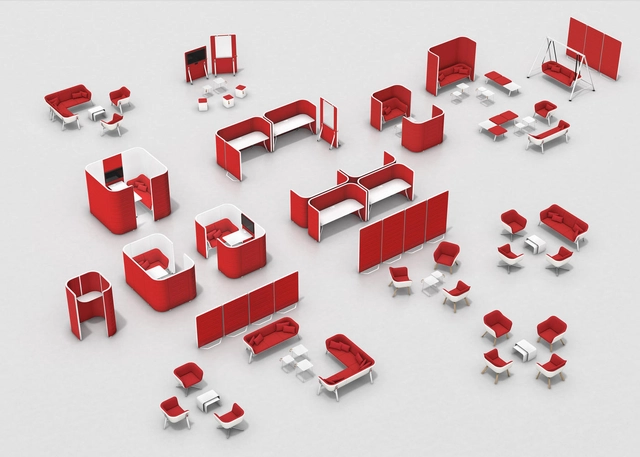
Office work used to only be done one way. You would sit at a desk all morning, then try not to fall asleep in the afternoon meeting. However, from continent-crossing video chats to team meetings in the park, modern workplaces are using flexible workspaces and practices to lower costs but raise creativity, production, and morale in the workforce.
Employees are now able to choose which working style does the business for them, and product manufacturers are creating simple but ingenious collections of modular, flexible furniture to suit any style and type of workspace including:
Artificial intelligence is transforming how we design and build. By 2050, the effects of AI adoption will be widely felt across all aspects of our daily lives. As the world faces a number of urgent and complex challenges, from the climate crisis to housing, AI has the potential to make the difference between a dystopian future and a livable one. By looking ahead, we're taking stock of what's happening, and in turn, imagining how AI can shape our lives for the better.
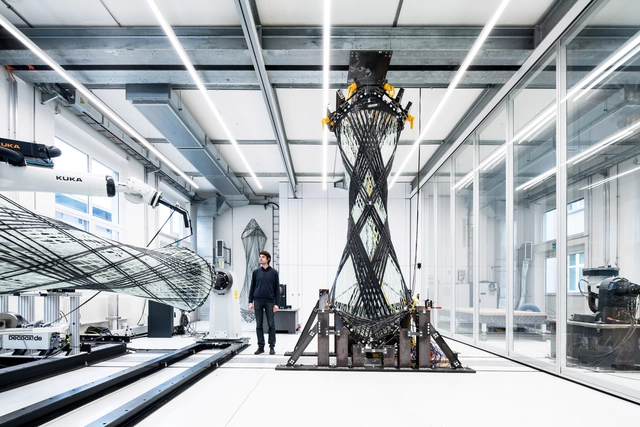
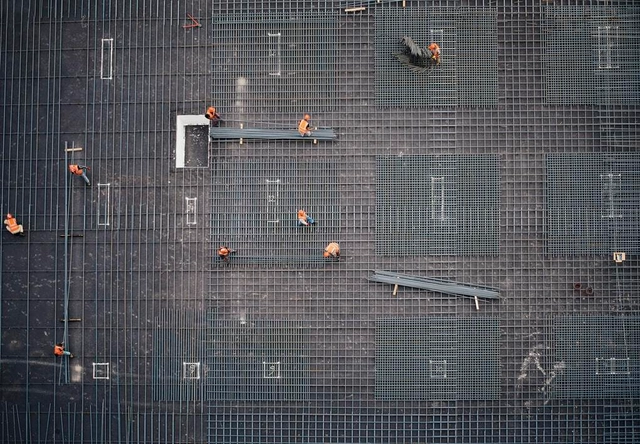
The construction industry is known to be one of the most polluting industries on the planet, but we often find it difficult to associate the role of the architect and urban planner with this industry, thus avoiding the responsibility of being involved in one of the most harmful production chains in the world. Therefore, it is imperative to emphasize the importance of questioning not only the materials used in the projects but also the manufacturing systems involved.
Part of Shakúff’s new Bloom collection, the Bloom chandelier features bud-like glass pendants and a central adjustable reading light blossoming from an elegant brass rod. Image Courtesy of Shakúff
‘All of sudden, a robot is coming to my desk,’ says Shakúff founder and creative director Joseph Sidof. The video-equipped automaton can be virtually controlled by existing clients and potential new customers, allowing them to (carefully) navigate around the brand’s Brooklyn showroom and even ask for advice. This kind of robot is more usually on duty in hospitals, making it possible for family members to communicate with isolated Covid-19 patients. Sidof thought they might serve another useful purpose.
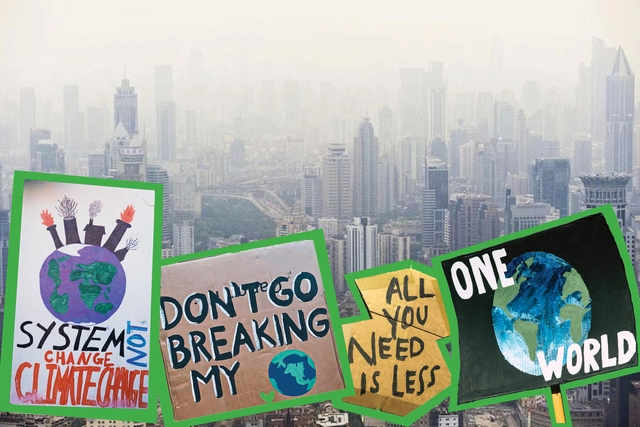
The impact that the climate crisis has had on the globe over the last decade is a critical influence on how architects and urban planners design future cities. It’s clear that both at an individual and corporate level, it’s important to take action and protect the earth before the negative impacts change our familiar environments forever- and time is running out fast. When it comes to creating ways to save our cities from “the next big one”, whether it be a hurricane, flood, snowstorm, or fire, the way that we design the preventative infrastructure neglects a significant number of people. Climate change doesn’t just impact the wealthiest places in the world, it actually has greater effects on the most impoverished.
Videos
Slow House Model. Image Courtesy of Stewart Hicks
Welcome to the Slow House, Diller and Scofidio’s (now Diller, Scofidio and Renfro) first building commission for Long Island, in NY. The crescent-shaped slug doppelganger, was a pivotal design for the firm — and architecture at large — when it was first revealed in 1990. However, the building was never built, living only through its extensive catalog of models and drawings. In this video, the Slow House is digitally reconstructed, analyzed and explored to discover unique elements lurking in its design that can only be revealed through a first-person experience. From delayed million-dollar views, to CCTV feeds of the water, to dozens of operable plywood doors and shades, the house is truly a machine for viewing. And now, you can view it for yourself.
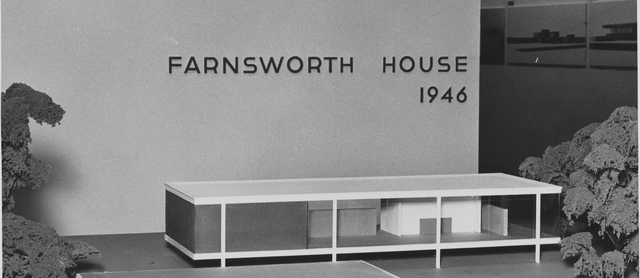
In this week's reprint, author Mark Alan Hewitt talks about models and their importance. "For those of us lucky enough to have grown up during the 1950s and ’60s, models were hot stuff—and not just the kind that statement may bring to mind", he states. Going back to the realistic models of the 70s, similar to today's virtual renderings, this essay retraces their history and the artists that produced them.
https://www.archdaily.com/969074/the-allure-and-importance-of-architectural-modelsMark Alan Hewitt
Contemporary Egyptian architecture draws from a rich history. As a cradle of civilization, the transcontinental country has influenced diverse building styles and design cultures. Home to some of the earliest urban developments and centralized governments, Egypt is defined by its geography and its multicultural background. Today, its modern architecture must contend with a legacy of building that spans millennia.
In Mendoza, Argentina, the digital fabrication research lab Node 39 FabLab created a frame loom structure made of digitally cut wood to help indigenous people in the central region of the country weave and create their traditional patterns. In the state of Ceará, northeast Brazil, a study entitled "Artífices Digitais" (Digital Artisans) by the Federal University of the State of Ceará used digital fabrication tools, namely 3D printing, to produce digital models, like digital prosthetics, to restore the damaged parts of an altarpiece of the high altar of the Mother Church in the city of Russas.
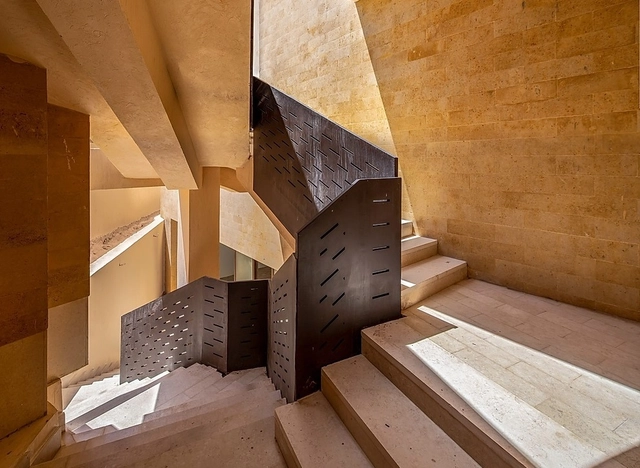
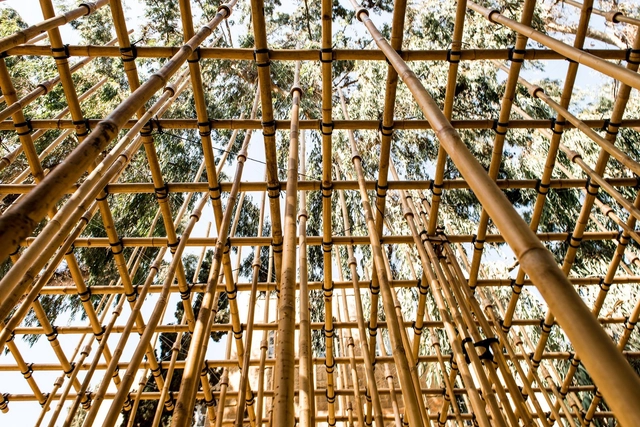
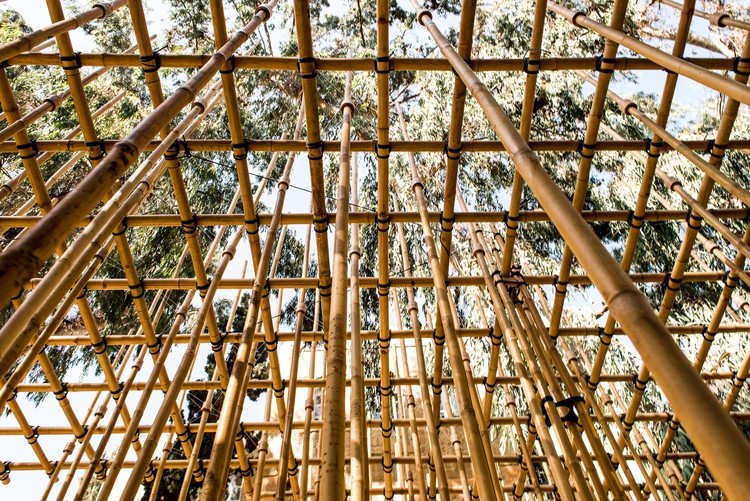
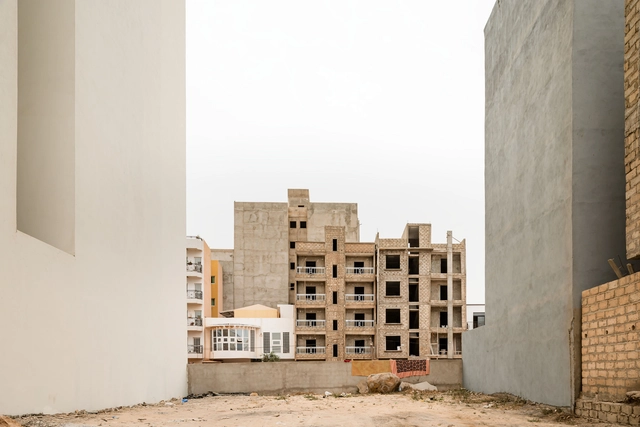
Every year on August 19th, we celebrate World Photography Day. This year, to encourage our readers who are passionate about this art, we published an open call inviting people – both amateur and professional photographers – to submit their images of architecture and the city.
We received over 400 photographs of buildings, interiors, and public spaces in various locations and contexts, captured by more than 130 participants from all over the world, including India, Brazil, Pakistan, Mozambique, Italy, and the United States. Our editorial team pre-selected 50 photographs and then voted on the 25 most compelling images. Here is the selection, listed in alphabetical order by the names of the authors.
https://www.archdaily.com/968717/the-best-architectural-photographs-submitted-by-our-readers-in-2021Equipe ArchDaily Brasil





.jpg?1633033510&format=webp&width=640&height=580)