

VELUX Group's Director of Sustainable Buildings Lone Feifer talks about the Build for Life Conference and the company's vision for a more sustainable future for the built environment.
Articles
Lone Feifer Presents the Build for Life Conference from VELUX
| Sponsored Content
https://www.archdaily.com/970464/lone-feifer-presents-the-build-for-life-conference-from-veluxRene Submissions
Questions to Ask When Selecting Flooring


The style and atmosphere of an interior literally rest on one product more than any other: the floor. When selecting the perfect flooring or carpet to suit a project, specifiers need to consider a range of questions for the room. Various colors, patterns, and styles are available across all materials, so requirements like coverage, traffic, maintenance, and durability —rather than aesthetic— really dictate the answer to which flooring type is right for your project.
https://www.archdaily.com/970130/questions-to-ask-when-selecting-flooringJames Wormald
Building Bangladesh: A New Wave of Cultural Projects
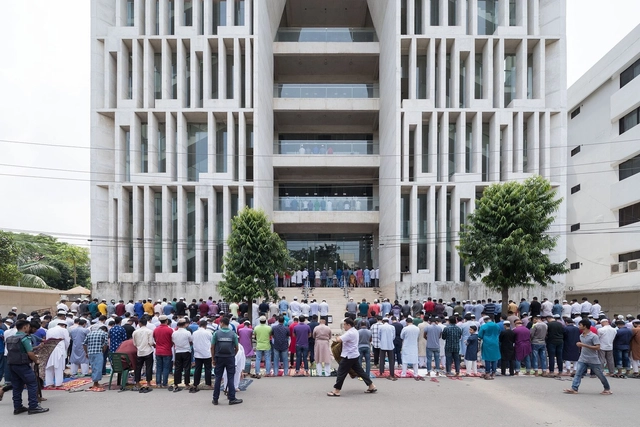
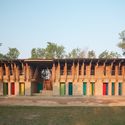
Bangladesh has built a new wave of cultural architecture over the last decade. Tied to design influences from across the Bengal region and the broader Indian subcontinent, the country's modern buildings stand alongside monuments dating back thousands of years. With an architecture rooted in religion, history and culture, contemporary projects build upon the past to imagine a new future for Bangladesh and its cities.
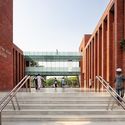
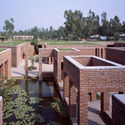
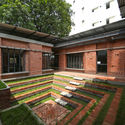

https://www.archdaily.com/935239/building-bangladesh-a-new-wave-of-cultural-projectsEric Baldwin
The Power of Concrete: Twisted Tree-Shaped Supports and Beams
| Sponsored Content
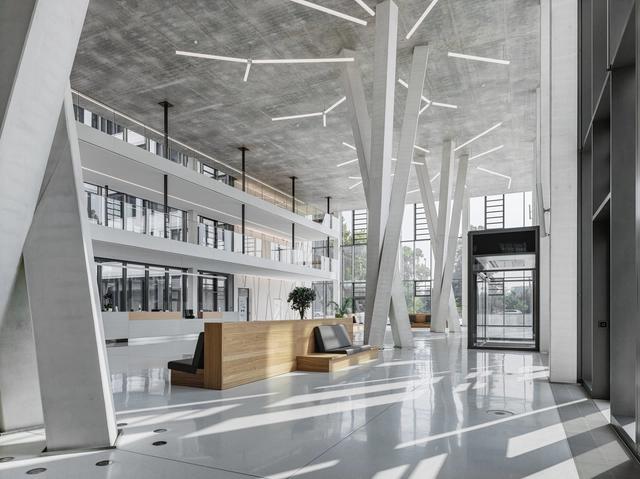
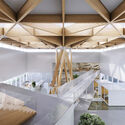
The new headquarters of the building materials manufacturer HeidelbergCement consists of three interconnected building sections of different heights. The atrium of each building section provides plenty of light and luminance. The building was opened in June 2020 and provides up to 1,000 employees with a state-of-the-art work environment. The architectural firm AS+P Albert Speer + Partner based in Frankfurt was responsible for the project as a general planner, and carried out the design in collaboration with W+Architektur, with the latter providing the consulting office for the client’s project manager.
PERI, one of the leading formwork and scaffolding manufacturers worldwide - and the building materials manufacturer HeidelbergCement - combined their architectural and concrete expertise for the execution of this project. In doing so, the existing limits of PERI’s concrete construction offerings were pushed. The architectural highlights of the project were successfully realized using special PERI formwork elements.
https://www.archdaily.com/967340/the-power-of-concrete-twisted-tree-shaped-supports-and-beamsOlivia Bartolini
Solutions to Improve Acoustics in Your Home
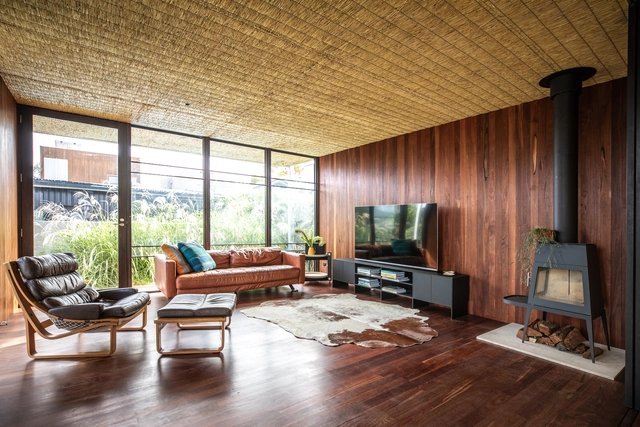
We talk a lot about sound treatment for architecture but normally for new projects. In projects that are already built, either a rented apartment or small commercial space, we often have to deal with noises that we can't control, affecting our physical and mental health. In this article, we explore practical tips on how to manage and reduce these noises and improve the quality and atmosphere of these environments.




https://www.archdaily.com/969783/solutions-to-improve-acoustics-in-your-homeGiovana Martino
Could Adjaye Associates’ First Supertall Tower Rise in Hudson Yards?
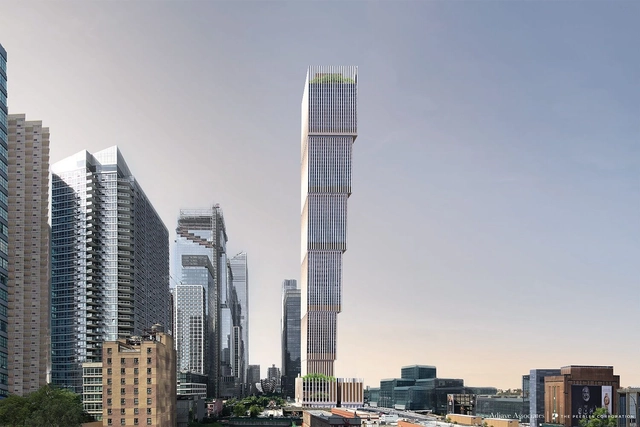
A team competing to fill Site K, a vacant full-block plot of land directly across from the Jacob K. Javits Center in Manhattan between West 35th and West 36th Streets, has unveiled a scheme for a tower that, if built, would be Adjaye Associates’ tallest to date.

https://www.archdaily.com/970297/could-adjaye-associates-first-supertall-tower-rise-in-hudson-yardsJonathan Hilburg
18 Months Later, We Revisit Our Predictions on the Built Environment in a COVID-19 World

Only 18 months ago, everyone around the globe had their life upended by the COVID-19 pandemic. Almost immediately, architects and designers began to speculate on how they could design for a better world that would be flexible, functional, and healthy. While the pandemic is far from over, with many scientific advancements and public health policies still needed to truly allow us to live out our “new normal”, perhaps its time to reflect on our predictions and examine what aspects of the pandemic were short-term reactions, and which aspects of life might be permanently reflected in how we think about the built environment.
https://www.archdaily.com/970312/18-months-later-we-revisit-our-predictions-on-the-built-environment-in-a-covid-19-worldKaley Overstreet
The Second Studio Podcast: Interview with Randy Collins, Structural Engineer
The Second Studio (formerly The Midnight Charette) is an explicit podcast about design, architecture, and the everyday. Hosted by Architects David Lee and Marina Bourderonnet, it features different creative professionals in unscripted conversations that allow for thoughtful takes and personal discussions.
A variety of subjects are covered with honesty and humor: some episodes are interviews, while others are tips for fellow designers, reviews of buildings and other projects, or casual explorations of everyday life and design. The Second Studio is also available on iTunes, Spotify, and YouTube.
This week David and Marina are joined by Randy Collins S.E., Founder and Principal of FTF Engineering, Inc., to discuss the role and responsibilities of the structural engineer, designing structures to withstand earthquakes, the limitations of the buildings code’s structural requirements, hiring an engineer, working with architects, creating value for clients, and more.

https://www.archdaily.com/970298/the-second-studio-podcast-interview-with-randy-collins-structural-engineerThe Second Studio Podcast
What’s Behind Architecture’s Hidden Humor
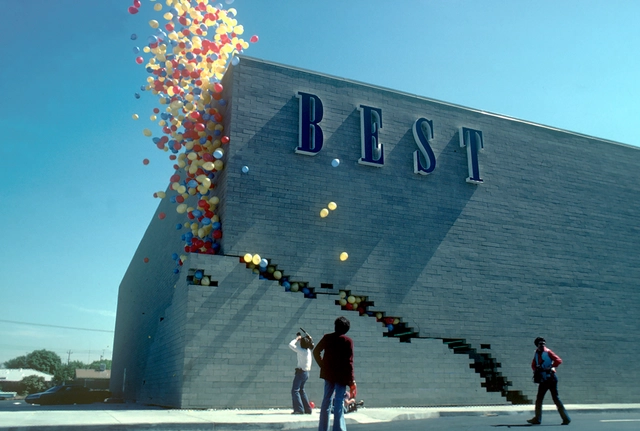
Architecture can be funny. Of course, it often makes for a well-disposed butt of the joke, like when Frank Gehry is satirized on the Simpsons, but buildings themselves can be funny as well. Philosophers like Kant believed humor was in the incongruity between what is expected and what is experienced. There are all sorts of expectations placed on buildings and an infinite number of ways that incongruity might grow between those expectations and what a building actually delivers. This video explores some of the most interesting of these humorous buildings through history, from Giulio Romano’s Mannerism, to SITE Architects BEST stores, and many more. Finally, it points to some contemporary practices that deploy humor to achieve more than just a chuckle.
https://www.archdaily.com/970224/whats-behind-architectures-hidden-humorStewart Hicks
A Retrofit in the UK and an Administrative Building in South Korea: 9 Unbuilt Office Projects Submitted to Archdaily

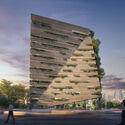
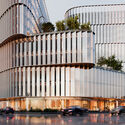
The office building typology has been evolving towards more fluid, spatially diverse and flexible designs in order to accommodate the needs of new generations of workers and business models. This week's curated selection of Unbuilt Architecture focuses on office projects, commercial and administrative buildings submitted by the ArchDaily Community, showcasing how architects worldwide envision working environments and their contribution to the urban environment.
From the retrofit of an outdated office building in London to a commercial and administrative project shaped like an architectural promenade in Iran or an interplay of mass and void within an office building in Turkey, the following projects showcase some of the ideas shaping the office typology. These preoccupations include the necessity to update the existing building stock, an increased indoor-outdoor connection, or a move away from the generic office floor plan.

https://www.archdaily.com/970008/a-retrofit-in-the-uk-and-an-administrative-building-in-south-korea-9-unbuilt-office-projects-submitted-to-archdailyAndreea Cutieru
4 Ways to Create a Safer and More Cost-Effective Building Environment
| Sponsored Content
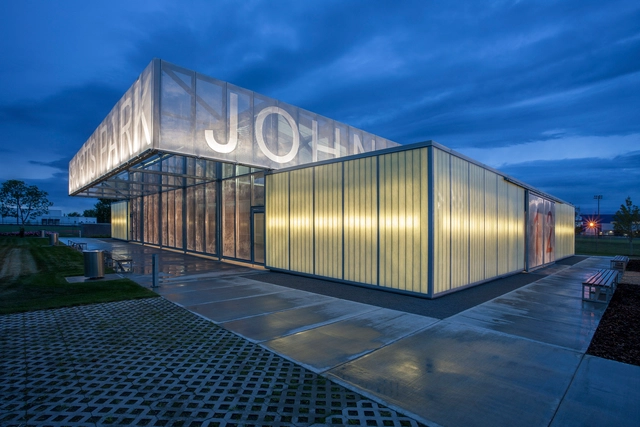
Considering our present time, the COVID-19 pandemic will likely have a lasting influence on the next era of building and design, shaping how we build at every phase, including design, materials, and building protocols. We may see architects and engineers continue to work remotely, reviewing designs and specifications virtually. Manufacturers may have to space production areas farther apart or even rely on more automation.
https://www.archdaily.com/948145/4-ways-to-create-a-safer-and-more-cost-effective-building-environmentRene Submissions
Nike's New Belgrade Basketball Court Designed for Upcycling
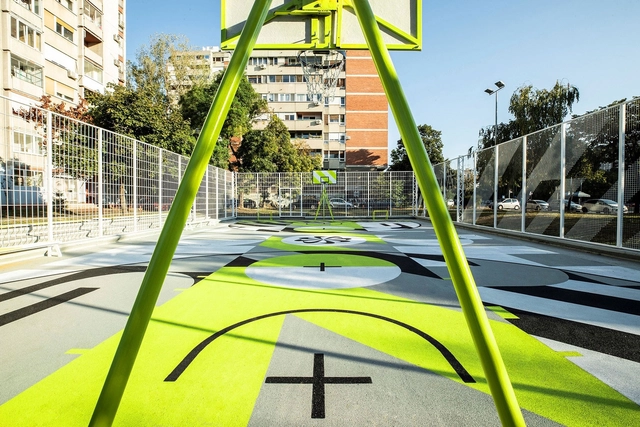
Creative agency Accept & Proceed has designed a new basketball court for Nike using 20,000 recycled sneakers in New Belgrade, Serbia. Inspired by the ‘Move to Zero’ ethos, the design features the court, children’s playground, bleacher benches, chain link fence, outdoor gym, collection bins, in-store campaign presence and restoration of existing elements. The renewal aims to re-energize the local neighborhood while providing a space for play and for sport among kids and adults alike.


https://www.archdaily.com/970052/nikes-new-belgrade-basketball-court-designed-for-upcyclingEric Baldwin
Leading Swiss Architect Bernhard Aebi Reveals his Creative Process
| Sponsored Content
A unique opportunity to get inside the mind of Bernhard Aebi from Aebi & Vincent Architects via their striking youth hostel project in Bern – supported by Swiss furniture manufacturer Horgenglarus.
https://www.archdaily.com/970055/leading-swiss-architect-bernhard-aebi-reveals-his-creative-processRene Submissions
Squid Game: Minimalist Chic and Spaces of Oppression
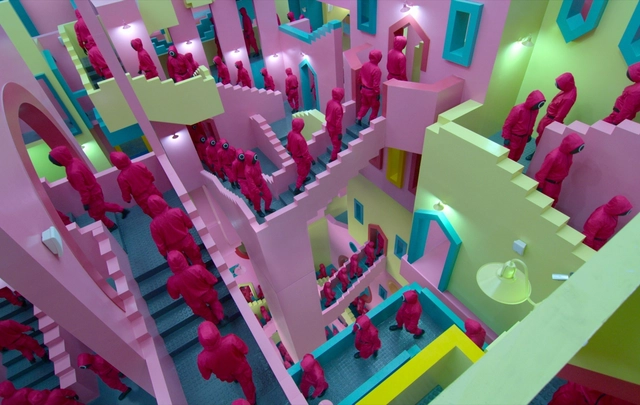
People die in Squid Game. Lots of people. But while violence is one of the most appealing ingredients for the success (or failure) of a television show, that's not the only reason the series has become so popular worldwide. Pop culture, mesmerizing scenarios, and a plot full of social metaphors all contribute to this.
Available for streaming since September 2021, the Netflix series Squid Game “will definitely be our biggest non-English language show in the world, for sure,” and has “a very good chance it’s going to be our biggest show ever,” according to Ted Sarandos, the platform's co-CEO and Head of Content. The survivor thriller by director Hwang Dong-hyuk tells the story of a group of 456 people who are deeply in debt competing to win 45.6 billion won (around €33 million, $38 million) in prize money.
https://www.archdaily.com/969927/squid-game-minimalist-chic-and-spaces-of-oppressionRomullo Baratto
Rikers Island: Territorial Empathy and Reimagining Civic Engagement
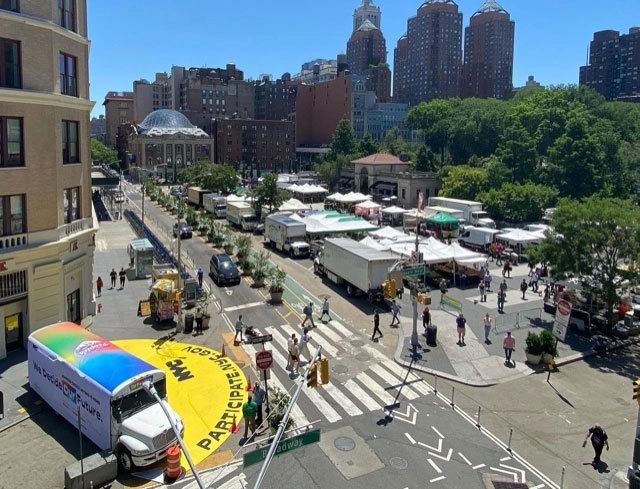
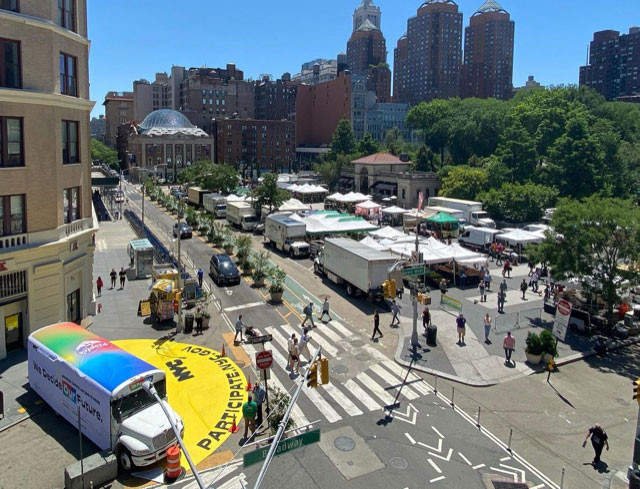
The NYC Civic Engagement Commission (CEC), Department of Cultural Affairs (DCLA), the Mayor’s Fund to Advance New York City and Public Artist in Residence (PAIR) Yazmany Arboleda officially kicked off The People’s Festival. This five borough series of outdoor events featured live performances, interactive workshops, and community information and resources. The festival was anchored by The People’s Bus, a retired city bus formerly used to transport people detained on Rikers Island.



https://www.archdaily.com/969980/rikers-island-territorial-empathy-and-reimagining-civic-engagementEric Baldwin
Join the Build for Life Conference Hosted by VELUX
| Sponsored Content
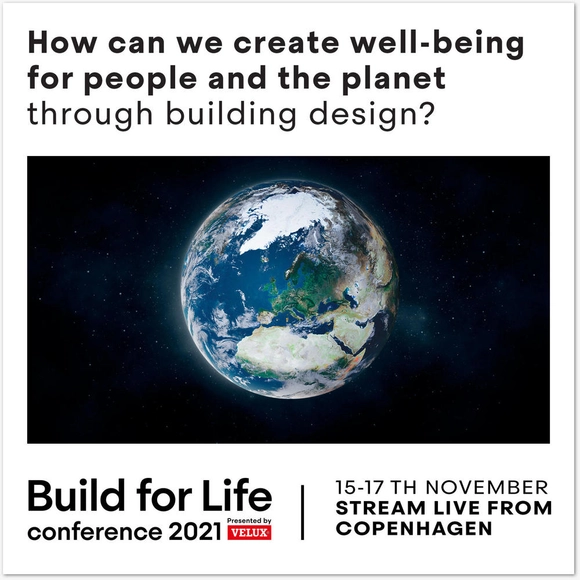
From 15-17 November, leading roof window manufacturer VELUX will host its Build for Life Conference 2021, with the goal of developing more sustainable strategies for the building industry.
https://www.archdaily.com/969981/join-the-build-for-life-conference-hosted-by-veluxRene Submissions
Houses in Costa Rica: Creating Shelter, Ventilation, and Shade Using Wood and Metal

"Here in the tropics, shade is the prime air conditioner and, unlike the stove, it can be created everywhere," says Bruno Stagno about architecture for the tropics. In this sense, how has Costa Rica been "building" it's shade over the years?
https://www.archdaily.com/969604/houses-in-costa-rica-creating-shelter-ventilation-and-shade-using-wood-and-metalFabian Dejtiar
6 Inspiring Examples of Effective and Aesthetic Acoustic Solutions
| Sponsored Content
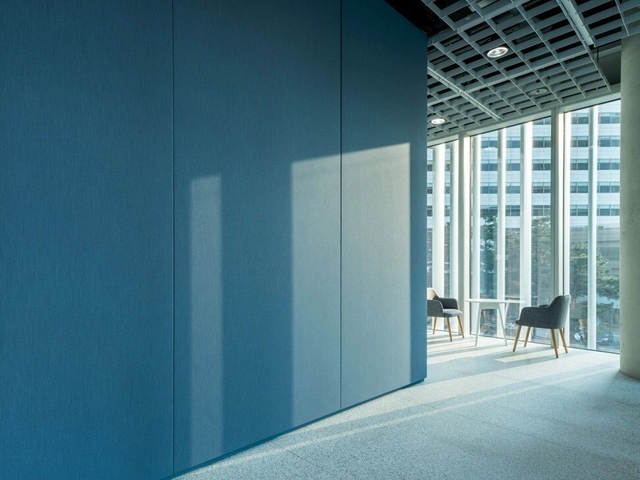
Acoustic comfort is affected by the levels and the nature of the sound experienced in an interior space, measured in decibels. The functionality and aesthetics of working and living spaces are usually the primary focus of the designer, however, too often overlooked, are the factors contributing to the productivity of employees or the comfort of residents. Providing a comfortable acoustic environment contributes significantly to the overall mood and health of people operating within it.
https://www.archdaily.com/963938/6-inspiring-examples-of-effective-and-aesthetic-acoustic-solutionsOlivia Bartolini