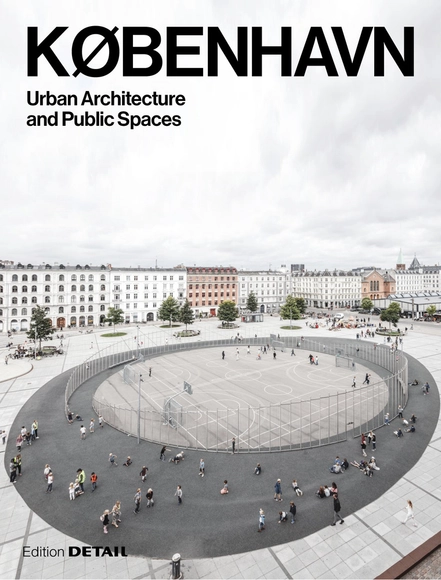
København (Copenhagen), the capital of Denmark, is at the forefront of many landscape architects and planners’ minds for both its groundbreaking moves towards sustainability and cutting-edge public spaces, bicycle culture, architecture, and food scenes. Having spent a significant amount of time in the city over the last decade, I’ve had the opportunity to begin to get to know the city and its people. One of the striking things about the city, perceptible in even my time there, is its continued trajectory of improvement. A chorus of people working diligently for decades to optimize the city for the everyday lives of its inhabitants have been laying the groundwork for what is possible today.
https://www.archdaily.com/973247/learning-from-copenhagen-a-focus-on-everyday-lifeJohn Bela
Videos
‘Precision O-ring’ in EcoSmart hand showers: If the water pressure is high, the size of the opening decreases. If it is low, it expands.. Image Courtesy of Hansgrohe
Water scarcity will directly affect nearly 20% of the human population by 2025, according to several UN reports, and indirectly influence the rest of the planet’s inhabitants as well as economies and the whole ecosystems. Designing effective water management systems is an important process that encompasses the planning, developing, and managing of water resources, in terms of both water quantity and quality, across all water uses. It includes the institutions, infrastructure, incentives, and information systems that support and guide water management.
The degree to which a building engages with the culture or the landscape of a place is primarily controlled by the design intent i.e. the architectural concept and the success of its implementation. Photography reveals relations but it does not build them in the first place. Even in the extreme case where a structure is consciously designed to differentiate and separate itself from any sort of environment, cultural or natural, it is still inevitably situated into a context and perceived as part of it.
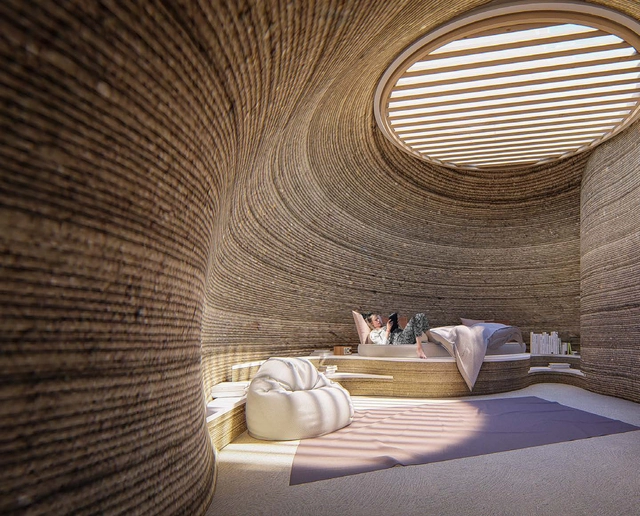
TECLA, 3D Printed Habitat by WASP and Mario Cucinella Architects. Image Courtesy of WASP
Jorge Drexler sings, in one of his songs, that “we always look at the river, contemplating the other riverbank”. Beyond understanding everything that was done, looking back at the past year can serve to get some clues about the future. This 2021, we published more than 160 articles in the Materials & Products section, covering a wide range of topics. From complex concepts such as 4D printing or very little processed materials such as hempcrete and bamboo, drawing a retrospective of the covered themes and understanding what interested our readers the most is an interesting exercise to foreshadow some trends in the future of the construction field. Looking at our most viewed articles, three large themes are evident: 3D printing, pre-fabrication, and interior renovation. Below, we present a compilation of each topic, reflecting on what we can dare to say about the trends in the construction industry that should consolidate in 2022.
Home workspaces must combine all the tools of the shared office with the user's personality for an inspirational and creative solitary environment. Many new home offices are unplanned additions to the family floorplan. Often, with no space for a dedicated office room, they’re hustled into a corner, a dark cave under the stairs or a thin, cold alcove, instead. So, home-workers are forced to squeeze in all their professional needs, such as printers, storage, and task lighting, into this small multi-functional area.
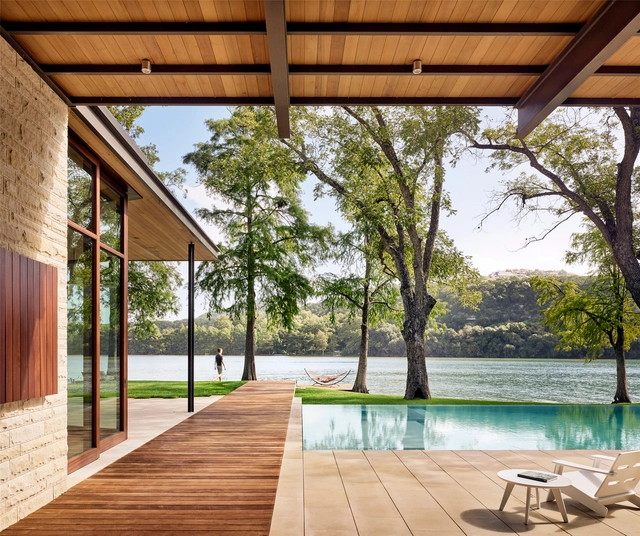
Few cities have a growing design culture like Austin, Texas. Ranked as one of the best places to live in the United States, the city is experiencing a building boom in recent years. With a wide variety of residential styles, architects are continuing a legacy of modernist design. With an emphasis on craft and detailing, these new homes use simple geometry and forms as they open up to hills, lakes and the urban fabric.
Today, drywall and gypsum-based systems are currently present in almost all architectural works. These allow you to coat buildings with products that combine, among other attributes, construction ease, fire safety and the possibility of recycling, both in historic structures or completely new constructions. Since 1998, Saint-Gobain - one of the largest distributors of these types of systems - has awarded the projects that best apply them in their solutions, dividing them into 6 categories (Ceilings, Plaster, Plasterboard, Innovation & Sustainability, Residential, and Non-Residential). The submitted projects are meant to demonstrate how the architects managed to ingeniously unite the company's products with innovative solutions to overcome each of the difficulties that the works or contexts impose.
In its 12th edition, participants came from 30 different countries and showcased 74 projects. See the 14 awardees below:
2021 was the year of a new reality, with humankind adapting to what is known as the second year of the pandemic. While some countries witnessed a return to alternative normality, opening up to the world through travel and events, others stayed in lockdown, expanding furthermore the inequality gaps. Nevertheless, this year also brought a lot of hope in all aspects, raising questions and building solutions for the near future. With a major focus on climate urgency, biomedical research as well as notions of hybridity, 2021 has triggered new understandings of the environment that surrounds us and of our place in this world.
Highlighting contextual topics, bringing both a local and global perspective, while shedding light on overlooked historical narratives, ArchDaily's diverse team of editors has been front and center, reacting to everything that has been happening. Always seeking "to empower everyone who makes architecture happen to create a better quality of life", the editorial content, generated across all sites, in our 4 languages, English, Spanish, Portuguese, and Chinese, provided tools, inspiration, and knowledge to widen horizons and help our users build a better future.
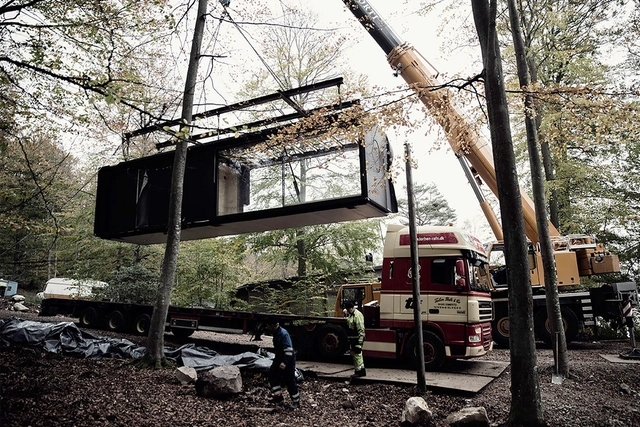
The popularity of pre-designed and pre-fabricated homes is growing, moving much of the construction process from the building site into factories. While countries like Singapore, Australia and the United Kingdom are increasingly adopting modular buildings to meet labor and housing shortages, Nordic countries like Sweden already build 90% of residential single-family houses in prefab wood. Despite the recent surge in interest, off-site building is by no means a new concept. In fact, the construction method has been present throughout history in many attempts to consolidate its use in construction: as far back as A.D 43, the Roman army brought with them prefabricated forts to Britain, while Japan has been building in wood off-site and moving parts in pre-assemblies for at least a thousand years.
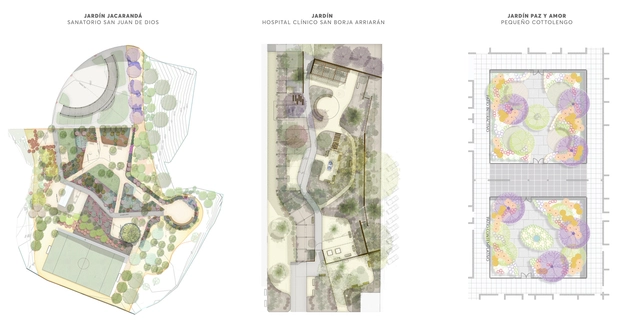
For the Cosmos Foundation, environmental conscience, ecological conservation, and community focus form the foundations of land planning and landscape design within public infrastructure projects. We sat down with the foundation's project director, Felipe Correa, as well as foundation architects Valentina Schmidt and Consuelo Roldán, as they went in depth on the benefits, objectives, and motivations behind the Healing Gardens initiative.
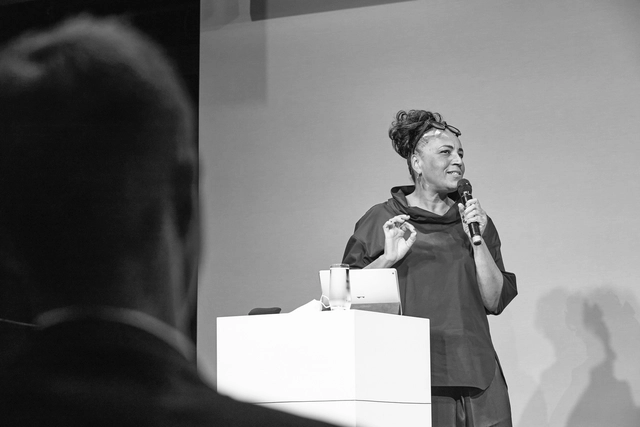
Lesly Lokko. Courtesy of Berlin Questions, Edited by ArchDaily
From the content universe we made available in 2021, interviews are, without a doubt, among those in which we invested more time and research. Making room for the voice of architects and other professionals in the built environment is a great pleasure but also an enormous challenge, as it requires a lot of research and dedicated time from our team of editors. It is also rewarding as it puts us in contact with some of the most prominent talents in our discipline, who have been discussing issues such as cities, community, environment, democracy, sustainability, building technology and interiors.
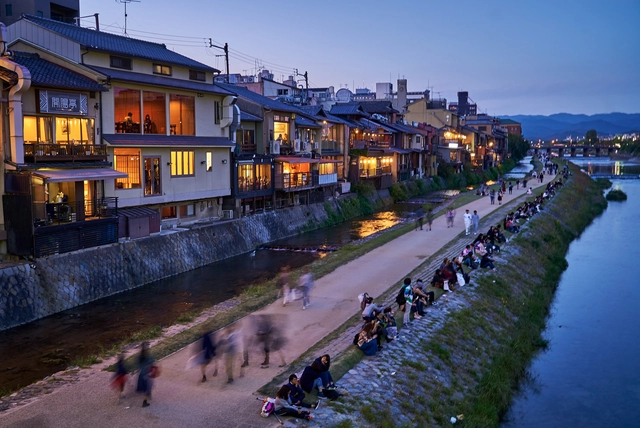
What’s so great about the oldest continuously inhabited cities in the world? Probably the fact that their societies have been evolving in one unbroken series of eras, with ever-changing values and styles that have, among other things, given rise to architectural memories of their long histories. These cities aren’t like the archeological sites we visit to see how people lived thousands of years ago; they are the exact places people lived thousands of years ago, places where people are still living today, with their rich histories buried under layers of paint and concrete instead of earth.
With ancient cities found in regions around the world, the variety of architectural treasures that can be found in these cities is vast. To give you a taste of their diversity, here is a selection of 18 of the oldest continually inhabited cities from various regions of the world, ranging from youngest to oldest, with a small snippet of their various architectural puzzles.
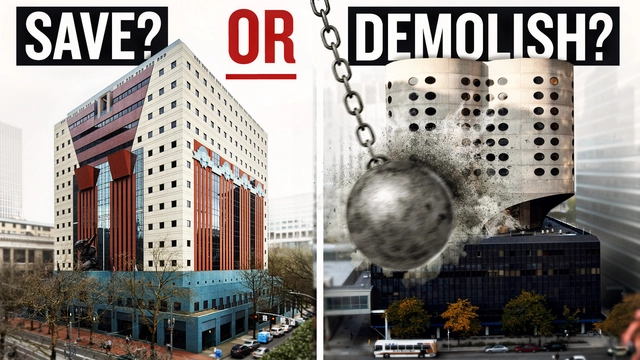
How do we decide which buildings are worth saving and which ones aren’t with regards to a building’s design significance? This video tells the story of the Portland Building by Michael Graves, a building with a tumultuous history that was ultimately saved from the wrecking ball when the city raised nearly $200 million to renovate the aging structure. This was spurred, in part, by the building’s inclusion on the National Historic Places list. But, that is only part of the story. What does it mean to be an Historic Place or Landmark because of architectural design? Does this distinction help to save it from premature demolition? The answers to these questions might surprise you.
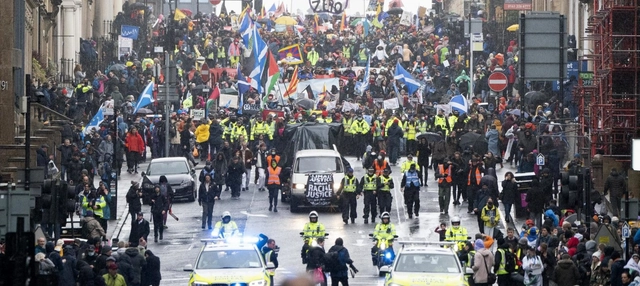
Most of the news coming out of the recently completed climate summit in Glasgow was disappointing. Previous summits had ended in similarly dispiriting ways, and COP26 was no exception. It acknowledged the severity of the problem and the urgency of the moment—the need to keep warming to under 1.5 degrees Celsius (some scientists believe it’s already too late to prevent this)—but put off making the hard commitments necessary to actually solve the problem. At the same time, this summit did feel different. There was a sense of urgency in the Glasgow streets, and the world’s attention was undeniably focused on climate change. How this focus eventually translates into action on the political front remains an open question.
But architect Edward Mazria, executive director of Architecture 2030, believes that despite the immense obstacles facing climate activists, the building sector is on the cusp of helping change the course of the planet. He sees genuine reasons for hope and renewed effort. In the wake of the seemingly grim news out of Glasgow, I spoke with him last week about the way forward, how we’ve reached an important inflection point, why energy use tied to buildings has begun to decline globally, and the steps required to fully decarbonize the built environment.
International acoustic solutions provider Autex Acoustics’ latest net-zero policy gives the green light to mega-construction projects, without giving up on sustainability.
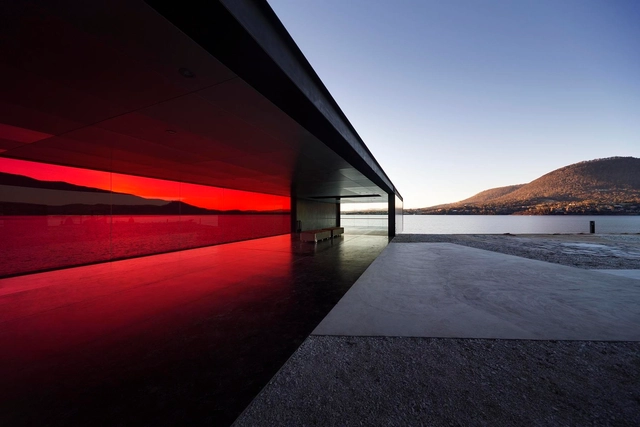
Outback architecture embraces the outdoors. From the world-famous Sydney Opera House to aboriginal desert huts, Australian architecture rises from the elements while learning from them. In terms of vernacular shelters, barns, sheds, and verandahs often became community centers or places to congregate. These humble beginnings would transform over the following centuries as people began to build for the “Australian dream.” Whether using traditional pisé construction or fabricating wildly new forms, architects began capitalizing upon historical building methods and reinterpreting them.
Kiribati has a population of around 110,000 people and its economy is centered on fishing and agriculture. Comprised of 33 islands in the Central Pacific, its highest point is only 81 meters above sea level, which makes it potentially the first country that could disappear completely due to global warming and the consequent rise in sea levels. The climate crisis has been a hotly debated topic in recent years and terms such as carbon footprint, greenhouse effect, atmospheric aerosols, and many others, are already staples in our vocabulary. Another widely spoken term is “net zero”, or net zero emission, used as a goal for buildings in different industries and countries. Basically, it means that the energy balance is zero.
Puerto Vallarta is a city located in the state of Jalisco, in the west region of the country facing the Pacific Ocean. It consists of 1,301 km² and, together with the Bahia de Banderas municipality of the Nayarit state, makes up the Metropolitan Zone of Puerto Vallarta, making it the second most populated of both states. Many are the reasons why Puerto Vallarta is one of the most important ports in Mexico, one of them being tourism at an international level, which has resulted in the city having one of the eight international airports in the country.




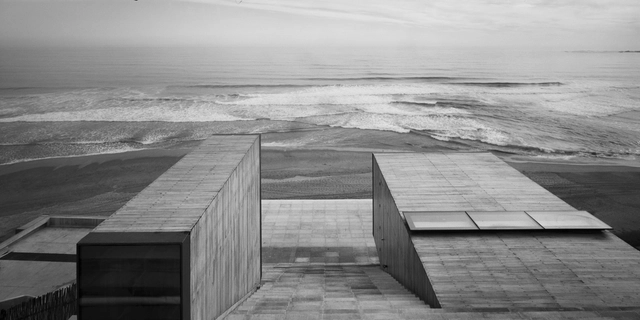









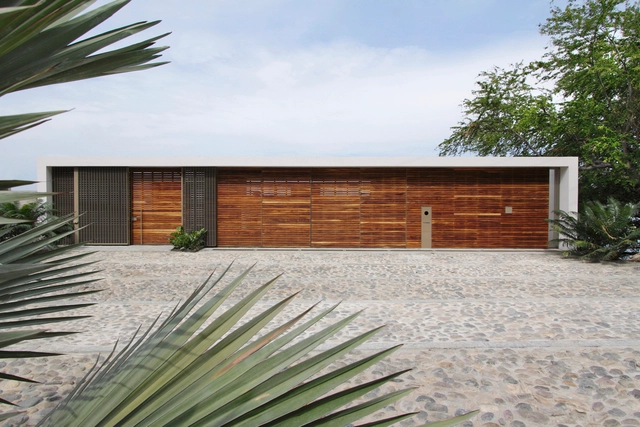

.jpg?1636500979 "Malecón Puerto Vallarta / Trama Arquitectos. Image © Alejandro Cartagena")


